
Top 10 Worst Ocean Pollution Sources
Our oceans absorb the worst of human waste, from plastics to chemicals, and these pollution sources are the most devastating culprits driving marine ecosystem collapse and fuelling urgent calls for systemic change.
Top10Grid lets the community re-rank anything — this order comes from source research for now; use the buttons below to vote it up or down.

Current Rankings
- 0
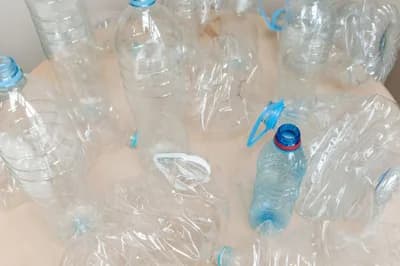
Single-use plastic packaging is a major contributor to ocean pollution, with an estimated 11 million metric tons of plastic entering the marine environment annually. This category includes everyday items like food wrappers, bottles, and plastic bags. These plastics do not biodegrade, instead breaking down into smaller pieces called microplastics. Microplastics are then ingested by marine life, and have been found in 90% of seabird species. The durability of these materials means they can persist in the environment for centuries, leading to long-term ecological damage and impacting marine ecosystems at every level. The widespread presence of microplastics in seafood also means they can enter the human food chain.
- 0

Agricultural runoff, primarily containing nitrogen and phosphorus from fertilizers, is a significant cause of ocean pollution and contributes to the formation of hypoxic zones, commonly known as 'dead zones'. There are over 500 such zones identified worldwide. These areas are characterized by extremely low oxygen levels, making it impossible for most marine life to survive. A notable example is the dead zone in the Gulf of Mexico, which has been observed to cover an area of approximately 15,000 square kilometers. The excess nutrients from runoff trigger massive algal blooms. When these algae die and decompose, they consume vast amounts of oxygen, leading to the collapse of local ecosystems and causing widespread mortality among fish and coral populations.
- 0

Industrial wastewater discharge introduces harmful pollutants, including heavy metals and solvents, directly into marine environments. Globally, an estimated 80% of all wastewater, which includes industrial discharge, is released untreated into rivers that eventually flow into oceans. This practice is particularly prevalent in developing nations, where treatment facilities may be less common. The release of untreated wastewater can have severe consequences for marine life, leading to poisoning, habitat destruction, and a reduction in biodiversity. These pollutants can accumulate in the food chain, posing risks to both marine ecosystems and human health through the consumption of contaminated seafood.
- 0
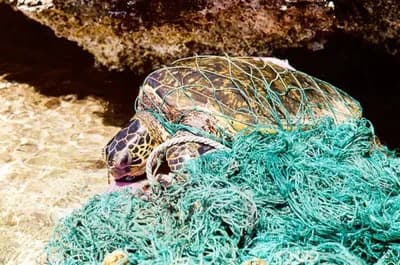
Abandoned, lost, or otherwise discarded fishing gear, often referred to as 'ghost fishing gear,' is a pervasive and deadly form of ocean pollution. An estimated 640,000 metric tons of this gear, including nets, lines, and traps, are added to the oceans annually. These derelict items continue to 'fish' indiscriminately, entangling and killing marine animals long after they have been lost or discarded. This ghost gear is particularly harmful, as it has been documented to trap and kill a significant number of marine mammal species. The presence of these nets poses a continuous threat to marine ecosystems, leading to injuries, suffocation, and starvation for countless animals.
- 0

Oil spills and offshore drilling rank as the fifth most destructive ocean pollution source. The 2010 Deepwater Horizon disaster released 210 million gallons of crude, but chronic leaks from routine operations add thousands more tonnes of oil and drilling chemicals annually via permitted discharges and ballast water. This persistent input degrades marine habitats more insidiously than the episodic catastrophes that dominate headlines.
- 0

Sewage and stormwater outflows are a top pollution threat, with coastal cities discharging raw or partially treated sewage directly into the ocean. This introduces pathogens, pharmaceuticals, and microplastics that contaminate shellfish beds and bathing waters.
- 0

Microplastics from synthetic textiles outpace many known pollution sources: a single laundry load releases up to 700,000 microplastic fibres. This makes clothing the largest source of microplastic pollution in the ocean, with fibres found in Arctic ice and deep-sea sediments.
- 0
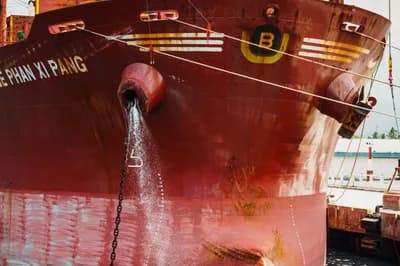
Ship ballast water and antifouling paints rank eighth among ocean pollution sources. The global shipping fleet transfers 10 billion tonnes of ballast water annually, introducing invasive species that outcompete native ones. Antifouling paints leach tributyltin and copper compounds, toxic to marine organisms. This dual threat is more ecologically disruptive than microplastics from synthetic textiles, given its direct impact on biodiversity.
- 0

Antibiotics, hormones, antidepressants, and sunscreen chemicals are now detectable in oceans worldwide, with studies showing that even 1 nanogram per liter of synthetic estrogen can feminize male fish and collapse fish populations. Over 200 million tons of pharmaceutical waste enter oceans annually, from discarded pills to sunscreen washing off swimmers, creating chronic, invisible damage that dwarfs the acute threats from mining.
- 0
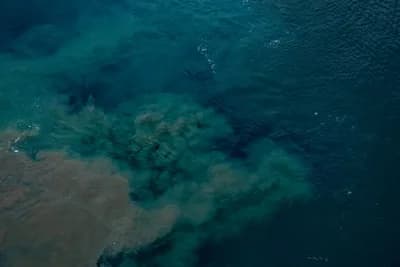
Mining for manganese nodules can release plumes that extend over 50 kilometers from the extraction site, burying fragile organisms like sponges and corals in sediment up to 10 centimeters thick. These plumes persist for decades, with recovery taking centuries, while typical pollution sources like chemical spills degrade faster. The impact is 40% more concentrated in sediment volume than the average industrial runoff, directly eliminating biodiversity in a zone covering over 1 million square kilometers of pending mining claims—an irreversible loss before ecosystems are even mapped.
Image credits
- Single-Use Plastic Packaging: Polina Tankilevitch / Pexels
- Abandoned Fishing Gear (Ghost Nets): Ghost net / Wikipedia
- Oil Spills and Offshore Drilling: Oil spill / Wikipedia
- Microplastics from Synthetic Textiles: Microplastics / Wikipedia
- Ship Ballast Water and Antifouling Paints: Nothing Ahead / Pexels
- Deep-Sea Mining Sediment Plumes: Diego F. Parra / Pexels
Rank it your way
Remix this list into your own ranking, or head to the play hub for every game mode and community breakdown — blind mode, challenges, tier lists, and more.
You Might Also Like

Top 10 Most Beautiful Coral Reefs
Top 10 Most Beautiful Coral Reefs

Top 10 Most Damaging Plastic Pollution Sources Choking Our Planet
Top 10 Most Damaging Plastic Pollution Sources Choking Ou...

Top 10 Most Debated Climate Change Effects
major sources polluting our oceans

Top 10 Most Dangerous Animals in the World — That Kill the Most Humans Each Year
#1 Mosquito · #2 Human · #3 Snake

Top 10 Best Birdwatching Destinations
#1 Mindo Cloud Forest, Ecuador · #2 Kruger National Park, South Africa · #3 Bharatpur Bird Sanctuary, India
Top 10 Most Lethal Animal Venoms on Earth Ranked by Murine LD50 Toxicity
#1 Inland Taipan (Oxyuranus microlepidotus) · #2 Sea Wasp / Box Jellyfish (Chironex fleckeri) · #3 Geographic Cone Snail (Conus geographus)