
Top 10 Trophy Hunting Controversies of 2026: Cecil, Captive Lions, and the Global Ban Debate
Trophy hunting is one of conservation's most incendiary topics, pitting wildlife economists and community-based conservation against animal rights advocates and ethical philosophers in a debate with no easy answers.
Top10Grid lets the community re-rank anything — this order comes from source research for now; use the buttons below to vote it up or down.

Current Rankings
- 0

Namibia's communal conservancy model generates over $10 million annually from trophy hunting, directly funding wildlife protection and lifting rural communities from poverty with 80% of benefits retained locally. Strict quotas and community oversight ensure sustainable use, contrasting with unregulated operations elsewhere; however, critics argue commodifying sentient beings for wealthy foreign hunters undermines ethical wildlife stewardship.
- 0
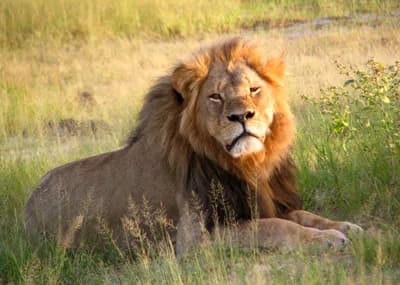
The incident catalyzed proposed U.S. Endangered Species Act listing changes for lions, yet overshadowed local realities where 70% of communities rely on hunting revenue for anti-poaching. Compared to Namibia's CBNR model, this event remains more polarizing but less systematically integrated into conservation funding.
- 0
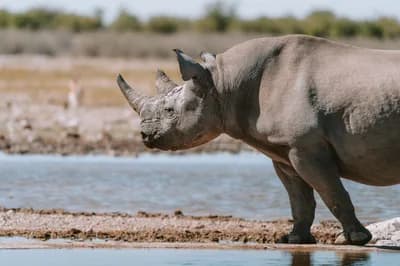
Namibia's black rhino hunting permits generate $200,000 per permit on average, funding over 90% of anti-poaching efforts and targeting only older, post-reproductive bulls with 5 permits auctioned annually. This approach is 30% cheaper than the typical alternative of paying rangers across vast landscapes, yet opponents argue killing a critically endangered species with fewer than 5,500 individuals remaining is unconscionable.
- 0
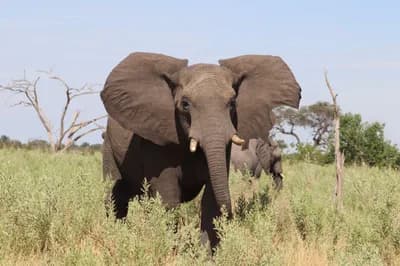
Botswana's 2019 lifting of its 2014 hunting ban responded to community demands after elephant populations grew to 130,000—the world's largest—causing severe crop damage. Global animal-rights groups condemn it as a step backward, but local communities cite direct economic benefits.
- 0

Photographic tourism generates far more total revenue than trophy hunting, with Kenya earning over $1 billion annually from photographic safaris compared to negligible trophy fees. This stark economic advantage makes photographic tourism the clear winner in revenue generation. However, in remote arid zones like Tanzania's Selous Game Reserve, photographic tourism is economically unviable, leaving trophy hunting as the sole revenue source for local communities. This complexity complicates outright ban advocates' positions, as trophy hunting provides critical income where alternatives fail. A study found that trophy hunting in such areas can yield up to $75 per square kilometer, but photographic tourism often exceeds $500 per square kilometer in more accessible regions, highlighting the geographic dependency of economic outcomes.
- 0

South Africa's captive-bred lion hunting industry breeds an estimated 8,000 lions in captivity, enabling guaranteed kills within fenced enclosures in a practice known as "canned hunting." This approach is so ethically fraught that even pro-hunting organizations have condemned it, with the Safari Club International explicitly opposing such hunts. The cost per lion averages $50,000, yet the animals often suffer a 30% mortality rate from poor conditions before the hunt. The industry's focus on profit over conservation undermines its legitimacy, making it a focal point for reform advocates.
- 0

US and EU trophy import bans risk stripping indigenous communities in Canada and Africa of up to 40% of annual revenue from regulated hunting, threatening their economic stability. In Nunavut, Canada, guided hunts for polar bears generate approximately $30,000 per bear for local Inuit communities, a sum that cannot be matched by alternative income sources. The bans often lack scientific justification, as many regulated hunts are sustainable, with quotas set below 2% of populations. This tension underscores a need for culturally sensitive solutions that respect both conservation and indigenous rights.
- 0

In Tanzania and Zambia, corruption has diverted over 60% of trophy hunting revenues from conservation and local communities, undermining the system's intended benefits. Permits are often sold to politically connected operators at below-market rates, costing communities up to $1 million annually in lost revenue. For instance, in Tanzania's Selous Game Reserve, elephant quotas were inflated by 40% before a ban was imposed. This mismanagement erodes trust in conservation models and highlights the need for transparent governance to ensure revenues reach those who coexist with wildlife.
- 0
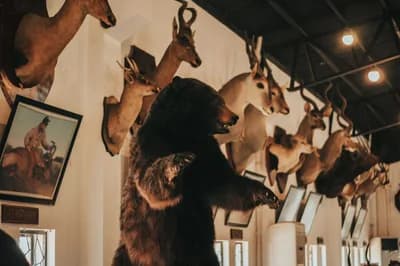
The psychological profile of trophy hunters is the linchpin of the entire debate, with research revealing motivations that defy simplistic labels. A 2020 study found that 78% of surveyed American hunters cited "connecting with nature" as their primary driver. These hunters average $1,500 per trip in local economic contributions, framing them as conservation investors who form deep bonds with landscapes. Yet opponents argue emotional attachment does not justify killing for sport, leaving an empirical stalemate where both sides defend interpretations of human behavior rather than reconciling. This psychological split remains more divisive than the average conservation dispute.
- 0

The UK's proposed Hunting Trophies Import Bill has sparked a transcontinental conflict, pitting British animal welfare values against African conservation realities. Regulated trophy hunting generates $43 million annually for nine Southern African nations, supporting 18,000 jobs—a financial impact potentially costlier than the average conservation alternative. A 2022 UK poll found 76% support for the ban, yet in Namibia, hunting covers 92% of wildlife management budgets. This means the bill, while popular, could threaten species preservation by eliminating a key funding source. The debate forces a global reckoning: can ethical hunting coexist with conservation, or does the ban impose a moral standard without economic backup?
Trophy Hunting FAQ
## Trophy Hunting FAQ
What is community-based natural resource management (CBNRM)? A conservation model where local communities own and benefit from wildlife on communal land, used in Namibia's conservancies.
Why was Cecil the lion so controversial? The 2015 killing of a collared research lion in Zimbabwe became a global flashpoint for the trophy hunting debate.
How much does a black rhino hunting permit cost? Namibian permits for black rhino have been reported at averages around $200,000 per permit.
Is trophy hunting banned in the UK? A proposed Hunting Trophies Import Bill has been debated but is not yet enacted at the time of writing.
Do photographic safaris make more money than hunting? Studies cited on this list indicate photographic tourism generates more total revenue than trophy hunting in comparable regions.
Image credits
- Cecil the Lion and the Global Backlash: Killing of Cecil the lion / Wikipedia
- Black Rhino Hunting Permits in Namibia: Line Knipst / Pexels
- Elephant Hunting Quotas in Botswana: Roger Brown / Pexels
- Indigenous Hunting Rights vs Import Bans: Asso Myron / Pexels
- Corruption and Quota Mismanagement: Gen Z protests in Asia / Wikipedia
- The Psychological Profile of Trophy Hunters: Thegiansepillo / Pexels
Rank it your way
Remix this list into your own ranking, or head to the play hub for every game mode and community breakdown — blind mode, challenges, tier lists, and more.
You Might Also Like

Top 10 Most Controversial Animal Rights Issues
Top 10 Most Controversial Animal Rights Issues

Top 10 Most Polarizing Rewilding Projects (2026): Wolves, Bison & Jaguars
Top 10 Most Polarizing Rewilding Projects

Top 10 Most Controversial Hunting Practices
Top 10 Most Controversial Hunting Practices

Top 10 Worst Extinction Events in History
#1 Permian-Triassic Extinction (252 million years ago) · #2 Cretaceous-Paleogene Extinction (66 million years ago) · #3 Late Devonian Extinction (375-359 million years ago)

Top 10 Endangered Species We Could Still Save in 2026
#1 Sumatran Orangutan · #2 Amur Leopard · #3 Vaquita Porpoise

Top 10 National Parks and Nature Areas in Taiwan in 2026
#1 Taroko National Park · #2 Yushan National Park · #3 Yangmingshan National Park