#9
The Psychological Profile of Trophy Hunters
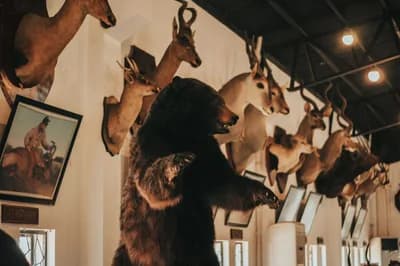
The psychological profile of trophy hunters is the linchpin of the entire debate, with research revealing motivations that defy simplistic labels. A 2020 study found that 78% of surveyed American hunters cited "connecting with nature" as their primary driver. These hunters average $1,500 per trip in local economic contributions, framing them as conservation investors who form deep bonds with landscapes. Yet opponents argue emotional attachment does not justify killing for sport, leaving an empirical stalemate where both sides defend interpretations of human behavior rather than reconciling. This psychological split remains more divisive than the average conservation dispute.
–
Photos (1)
Comments on "The Psychological Profile of Trophy Hunters"
Have a take on this ranking?
Save your rankings and see how you compare. Comments are how the argument actually happens here. Posting one needs a free account — it takes about a minute.
No comments yet.
The first comment sets the terms of the argument.