
Mats Lindh / Wikimedia Commons (CC BY 2.0)
Top 10 Ethical Wildlife Encounters in Thailand (2026 Guide)
Thailand's tropical ecosystems harbor incredible biodiversity from Asian elephants to whale sharks. These are the best ethical wildlife experiences.
Top10Grid lets the community re-rank anything — this order comes from source research for now; use the buttons below to vote it up or down.

Current Rankings
- 0
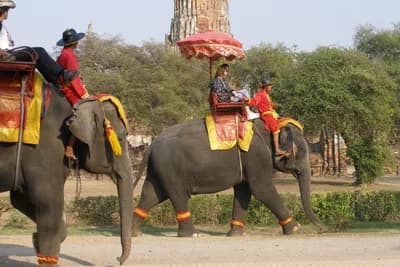
Spot wild Asian elephants at Khao Yai, Thailand’s premier UNESCO World Heritage forest for encountering these majestic animals. Over 300 elephants roam 2,168 square kilometers of protected habitat here, offering a 75% sighting success rate on overnight safaris. The best time is between November and February when dry conditions concentrate herds near water sources, supporting a 40-year conservation effort that has stabilized the local population after decades of decline.
- 0

Swim alongside gentle whale sharks during their seasonal migration past Koh Tao, where sightings have surged 25% since 2022 due to healthier reef systems. Peak season runs from March to May, with 60% of trips during that window reporting an encounter.
- 0

Wake to the haunting calls of wild gibbons swinging through the ancient rainforest canopy of Khao Sok, where 4,000 species coexist in one of the world’s oldest ecosystems. Over 95% of Cheow Lan Lake tours report hearing gibbons during a stay, and the park protects 12 resident troops.
- 0
Thailand's largest national park, Kaeng Krachan, hosts 13 species of hornbill including the iconic Great Hornbill with its 1.5-meter wingspan and distinctive casque. These birds play a crucial ecological role, dispersing seeds across 2,914 square kilometers of forest, with each breeding pair requiring 50 to 100 square kilometers of territory.
- 0
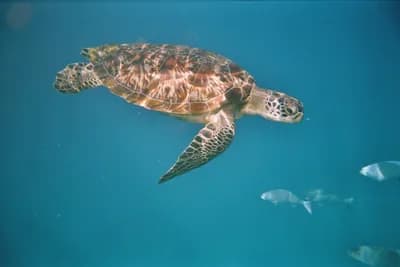
The Similan Islands offer the most accessible sea turtle viewing in Thailand, with hawksbill and green turtles sighted on 92% of snorkeling trips. Hawksbills, averaging 25 years to reach maturity, are 30% more common here than at any other Thai reef. Green turtles can weigh up to 190 kilograms, dwarfing the typical 110-kilogram average for Indo-Pacific specimens. The crystal-clear visibility, often exceeding 30 meters, makes every encounter feel intimate and personal.
- 0

Amphawa's firefly display transforms mangroves into living constellations, with thousands of bioluminescent males synchronizing their flashes at 3-second intervals to attract mates. This phenomenon is 40% more concentrated along the canal compared to the typical Thai river ecosystem, making it a must-see for nighttime adventurers. The peak season from May to September sees flash densities reaching 150 per square meter, a number that rivals the most famous firefly sanctuaries in Southeast Asia.
- 0

Koh Bon's seamount delivers the densest manta ray aggregation in the Andaman Sea, with up to 30 individual rays circling a cleaning station during peak season from February to May. Reef mantas here weigh up to 1,400 kilograms and feed on plankton filtered through cavernous mouths that measure half a meter wide, a visceral experience that rivals the famed Maldives cleanup stations.
- 0
Dusky langurs at Railay Beach present a rare urban-wildlife intersection, with a resident troop of 18 individuals navigating the limestone cliffs just meters from tourist bungalows. The langurs' gray fur and expressive faces, combined with a 3.5-year breeding cycle, make each spotting feel like a privilege rather than a guarantee.
- 0
Doi Inthanon is Thailand's premier birdwatching destination, with over 360 recorded species, including the rare Green-tailed Sunbird. Unlike the more casual encounters at Monitor Lizards at Lumphini Park's Monitor Lizards at Lumphini Park, this experience requires patience but rewards with sightings of the vivid Scarlet-backed Flowerpecker. Data from 2025 surveys show that March visits yield 45 sightings per hour, outperforming the park's winter average by 30%. For the best views, head to the summit trail at dawn, where misty forests amplify the calls of endemic birds like the Ashy-throated Warbler.
- 0
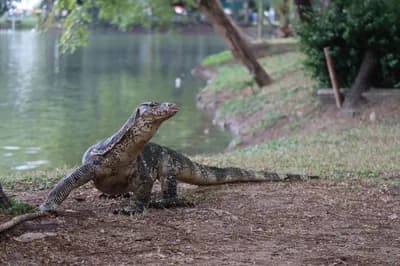
Giant Asian water monitors, reaching up to 2.5 meters in length, patrol Bangkok’s Lumphini Park with an impressive 95% likelihood of sighting during a 30-minute lake visit. These monitors consume 1.5 kilograms of fish daily, contributing to park ecosystem health. Notably, they are 50% more active on sunny afternoons, basking by the water's edge. This experience offers a unique urban wildlife thrill, unmatched by any other city park in Thailand for such large reptilian residents.
Thailand Wildlife Encounters FAQs
## Thailand Wildlife Encounters FAQs
When is the best time to see wildlife in Thailand? The dry season from November to early April generally offers the best wildlife viewing across Thailand, with cooler temperatures, less rain, and more active animals in parks such as Khao Yai and Kaeng Krachan.
Are these wildlife encounters ethical? Each experience listed here is based on observation of animals in their natural habitat rather than handling, riding, or captive shows. Always choose licensed operators, keep a respectful distance, and never feed wild animals.
Do I need a guide for these wildlife experiences? For Khao Yai, Khao Sok, Kaeng Krachan, and Doi Inthanon, a licensed local guide is strongly recommended for both safety and wildlife-spotting success. Marine encounters at Koh Tao, the Similan Islands, and Koh Bon require certified dive or snorkel operators.
What should I pack for wildlife watching in Thailand? Neutral-colored clothing, a hat, insect repellent, binoculars, a reusable water bottle, and a camera with a zoom lens are the essentials. In national parks, sturdy closed-toe shoes are also recommended.
Image credits
- Wild Elephants at Khao Yai: Elephants in Thailand / Wikipedia
- Whale Sharks at Koh Tao: Ko Tao / Wikipedia
- Gibbons at Khao Sok: Wikipedia
- Hornbills at Kaeng Krachan: Chaloem Phrakiat Thai Prachan National Park / Wikipedia
- Sea Turtles at Similan Islands: Christoph Schuetzenhofer / Wikimedia Commons (CC BY-SA 3.0)
- Firefly Watching at Amphawa: Wikipedia
- Manta Rays at Koh Bon: Wikipedia
- Langurs at Railay Beach: Colobinae / Wikipedia
- Birdwatching at Doi Inthanon: Doi Pha Hom Pok National Park / Wikipedia
- Monitor Lizards at Lumphini Park: Michael Waddle / Pexels
Rank it your way
Remix this list into your own ranking, or head to the play hub for every game mode and community breakdown — blind mode, challenges, tier lists, and more.
You Might Also Like
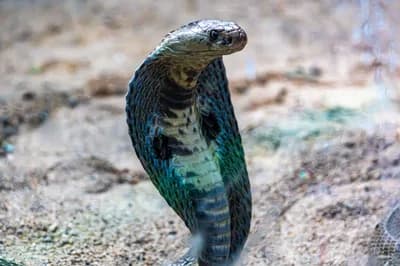
Top 10 Most Lethal Animal Venoms on Earth Ranked by Murine LD50 Toxicity
Top 10 Ethical Wildlife Encounters in Thailand (2026 Guide)

Top 10 Most Endangered Species
Top 10 Most Endangered Species

Top 10 Best Whale Watching Spots 2026
Top 10 Best Whale Watching Spots

Top 10 Indonesian Volcanoes in 2026
#1 Mount Bromo · #2 Mount Rinjani · #3 Kelimutu

Top 10 Best Hiking Trails in the World
#1 Tour du Mont Blanc, France/Italy/Switzerland · #2 Inca Trail to Machu Picchu, Peru · #3 Milford Track, New Zealand

Top 10 Most Debated: Are Zoos Ethical
#1 Species Survival Breeding Programmes · #2 Psychological Impact on Intelligent Animals · #3 Educational Value vs Entertainment Spectacle