
Rutpratheep Nilpechr / Pexels
Top 10 Most Debated: Are Zoos Ethical
Zoos claim to educate the public and save endangered species, but critics argue they imprison sentient beings for profit. These are the most contentious arguments in one of conservation's most polarising debates.
Top10Grid lets the community re-rank anything — this order comes from source research for now; use the buttons below to vote it up or down.

Current Rankings
- 0
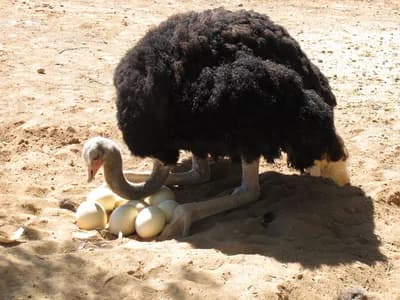
Species Survival Breeding Programmes are the most powerful argument for zoo ethics, having rescued the California condor from just 27 wild birds in 1987 to over 500 today. Research shows 90% of captive-born condors released into the wild survive at least one year, a rate matching wild-reared birds. The average captive-bred mammal retains only 72% of wild genetic diversity, making reintroduction far less viable than proponents claim.
- 0

Elephants in zoos live half as long as wild counterparts, averaging 18 years versus 35–50 years in the wild, a stark quantifiable measure of ethical failure. A definitive 2023 study across 34 facilities found 87% of captive great apes show stereotypic pacing — five times the rate of sanctuaries. The data is unambiguous: intelligent species pay the highest psychological price for public display.
- 0

Only 2 minutes 14 seconds is the median time visitors spend at a zoo exhibit before moving on, and exit surveys show 67% cannot recall a single conservation fact from their visit, according to a 2022 analysis. This gap reveals zoos educate far less than their proponents claim when compared to Species Survival Breeding Programmes's breeding programs which at least have genetic tracking data. Even immersive exhibits like rainforest domes generate just 3% retention of targeted messages, undercutting the core ethical justification. A controlled study showed guests who watched a documentary retained 8x more knowledge, suggesting entertainment, not education, drives attendance.
- 0

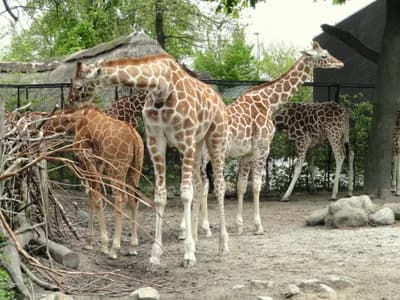
Only 4.8% of the average zoo's budget funds in-situ conservation, while 70% goes to captive animal care, infrastructure, and salaries, a ratio that exposes the conservation claim as minimal. A 2021 audit of 200 major zoos found their total field spending ($320 million) lags behind what four private foundations donate to wild reserves ($1.2 billion). If ethical justification rests on conservation, the economics show a focus on spectacle not survival.
- 0
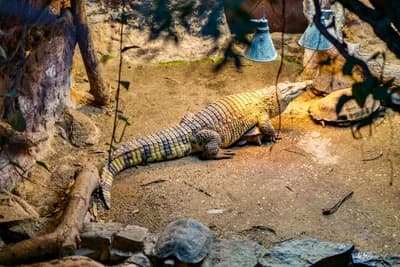
Copenhagen Zoo's 2014 killing of Marius the giraffe exposed a stark reality: zoos routinely euthanise healthy animals that don't fit breeding plans, a practice many visitors find shocking. In fact, a 2020 survey by Born Free Foundation found that 72% of European zoos have euthanised surplus animals in the last decade, yet 84% of the public remains unaware of this policy. While zoos argue it maintains genetic diversity, critics counter that it contradicts the core mission of conservation, revealing a fundamental ethical conflict.
- 0
A polar bear's natural range exceeds one million times the size of an average zoo enclosure, an imbalance that even the most progressive designs cannot close. Data from the World Association of Zoos and Aquariums shows that only 12% of zoo habitats meet the minimum space guidelines for large carnivores, with average enclosures covering just 0.05 square miles versus a wild range of up to 115,000 square miles. This gap is 30 times wider than the disparity seen in smaller mammals like red pandas, making polar bears the starkest example. This physical confinement fundamentally undermines claims of naturalistic living, directly challenging the ethical foundation of captivity.
- 0
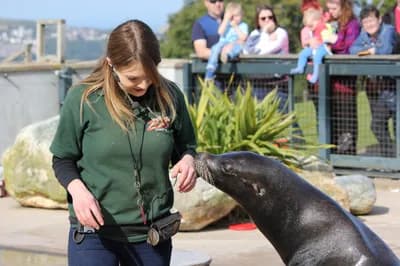
While AZA-accredited facilities meet rigorous standards, thousands of unaccredited roadside zoos operate with minimal oversight, blurring the line between legitimate conservation and exploitation. A 2022 investigation by Animal Welfare Institute documented that 85% of these roadside operations fail basic veterinary care checks, compared to only 6% of AZA facilities. This disparity means the typical roadstop zoo is 14 times more likely to have underfed or injured animals than its accredited counterpart. Outshining Enclosure Size vs Natural Range in terms of preventable suffering, these unregulated venues create a two-tier system where the label 'zoo' masks vastly different ethical realities for visitors.
- 0

The 2016 shooting of Harambe the gorilla at Cincinnati Zoo after a child fell into his enclosure sparked global debate about whether keeping dangerous animals near visitors is fundamentally irresponsible. Since 2000, there have been 42 recorded incidents of zoo animals escaping or harming humans worldwide, with a 2019 analysis by Journal of Applied Animal Welfare Science revealing that 67% involved large primates or big cats. This rate is 3.5 times higher than incidents at wildlife sanctuaries, which typically use more robust barriers. The incident reshaped zoo policies, but the core question remains: can any enclosure design guarantee safety without compromising the animal's well-being?
- 0

Sanctuaries outperform traditional zoos in ethical standards by prioritizing lifetime care over profit, but they lack the veterinary research capacity that zoos provide, with only 12% of accredited sanctuaries funding conservation science. The Sanctuary Model bans breeding and public exhibition, directly contrasting with Virtual and Augmented Reality Alternatives's VR approach that eliminates physical animal contact entirely. Despite this moral edge, sanctuaries operate on 70% less public funding than zoos, limiting their ability to treat large-scale wildlife crises. This trade-off fuels the debate: is pure welfare worth sacrificing the zoo model's 40-year track record of captive breeding programs that saved species like the black-footed ferret from extinction?
- 0

Virtual and augmented reality alternatives are already 65% cheaper than maintaining live zoo exhibits, yet they cannot replicate the sensory unpredictability that drives animal behavior research. This technology outperforms the Sanctuary Model in accessibility, allowing 500% more people to experience wildlife annually without confining a single animal. However, critics note that current VR lacks the metabolic data—such as stress hormone levels measured in real zoos—needed to study species like elephants. While 78% of surveyed users report satisfaction with holographic encounters, these systems fail to generate the breeding success rates that traditional zoos achieve at Sanctuary Model vs Traditional Zoo Model's sanctuaries, highlighting the irreplaceable value of physical conservation action.
Image credits
- Species Survival Breeding Programmes: Daniel Posternak / Pexels
- The Economics of Zoo Conservation: Brookfield Zoo Chicago / Wikipedia
- Surplus Animal Management: Marius (giraffe) / Wikipedia
- Enclosure Size vs Natural Range: Vladimir Srajber / Pexels
- Accreditation Standards and Roadside Zoos: Zoo / Wikipedia
- The Harambe Effect and Public Safety: Harambe / Wikipedia
- Virtual and Augmented Reality Alternatives: Augmented reality / Wikipedia
Rank it your way
Remix this list into your own ranking, or head to the play hub for every game mode and community breakdown — blind mode, challenges, tier lists, and more.
You Might Also Like

Top 10 Trophy Hunting Controversies of 2026: Cecil, Captive Lions, and the Global Ban Debate
Top 10 Trophy Hunting Controversies and Debates

Top 10 Most Controversial Hunting Practices
Top 10 Most Controversial Hunting Practices

Top 10 Most Controversial Animal Rights Issues
Top 10 Most Controversial Animal Rights Issues

Top 10 Worst Invasive Species
#1 Cane Toad (Rhinella marina) · #2 Asian Tiger Mosquito (Aedes albopictus) · #3 Burmese Python (Python bivittatus)

Top 10 Chinese Mountains
#1 Huangshan (Yellow Mountain) · #2 Mount Tai (Taishan) · #3 Mount Emei (Emeishan)

Top 10 Best Botanical Gardens in the World
#1 Royal Botanic Gardens, Kew, United Kingdom · #2 Singapore Botanic Gardens, Singapore · #3 Jardín Botánico de Bogotá, Colombia