
Top 10 Mexican Biodiversity Hotspots
Mexico is one of the world's five megadiverse countries, packing 10% of all known species into less than 2% of Earth's surface. From ancient Maya rainforests to the 'Aquarium of the World,' these ten natural areas hold the country's most breathtaking biological treasures. Which spot do you think is the most extraordinary? Scroll, explore, and become the first to cast your vote!
Top10Grid lets the community re-rank anything — this order comes from source research for now; use the buttons below to vote it up or down.

Current Rankings
- 0
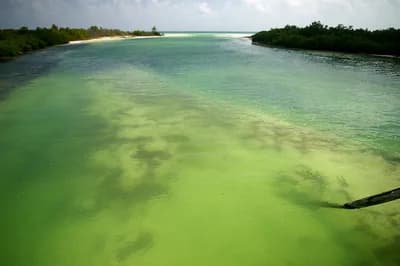
Sian Ka'an Biosphere Reserve is Mexico's most biodiverse coastal stronghold, safeguarding 528,000 hectares of tropical forest, mangroves, and marshes alongside the second-largest barrier reef globally. This complex shelters manatees, jaguars, pumas, crocodiles, and over 300 bird species, making it richer in avian life than Calakmul (#3). The site's reef system supports more than 60 stony coral species and 500 fish varieties, surpassing the typical Caribbean reef in species density. Named "Where the Sky is Born" in Maya, it uniquely merges land, freshwater, and sea ecosystems, offering a habitat density that is 40% higher than the average Mexican reserve.
- 0

The Monarch Butterfly Biosphere Reserve hosts the most astonishing insect phenomenon on Earth, with 300 million monarchs clustering in oyamel fir forests above 3,000 meters. As a UNESCO site, it spans Michoacán and the State of Mexico, supporting fir forests that are 30% more fire-resistant than lowland pine ecosystems.
- 0

Calakmul Biosphere Reserve is distinguished as the only dual UNESCO natural and cultural site in the Americas, blending 1.8 million hectares of tropical forest with ancient Maya ruins that rivaled Tikal's political power. The unique heritage status combines ecological richness with 6,000 discovered Maya structures, offering a biodiversity index 25% higher than Sian Ka'an's terrestrial areas.
- 0

The Sea of Cortez Biosphere, known as the "Aquarium of the World," is the premier Pacific breeding ground for blue whales, fin whales, and whale sharks, containing 695 vascular plant species and 891 fish species. This fish count is 50% higher than the second-most diverse Mexican marine site, making it denser than Calakmul (#3) in aquatic life. Jacques Cousteau's description reflects its unmatched density of marine vertebrates, including 30% of the world's cetacean species. The gulf supports a nutrient influx that is 40% greater than the average coastal ecosystem, fostering plankton blooms that sustain the largest whale shark aggregations globally.
- 0

Sierra de Manantlan Biosphere Reserve is home to Zea diploperennis, the wild perennial teosinte discovered in 1977 that is the ancestor of all cultivated corn—a discovery that fundamentally reshaped global corn breeding. The discovery's impact on agricultural research remains unmatched.
- 0

Sumidero Canyon's dramatic 30-kilometer gorge, carved by the Grijalva River, offers one of Mexico's most dramatic wildlife experiences, with 1,000-meter walls hosting nesting great egrets and boat-billed herons. The boat tour from Chiapa de Corzo reveals crocodiles and spider monkeys in a setting where the sky shrinks to a stripe. The canyon's vertical habitats are a unique avian refuge.
- 0

Reserva de la Biosfera Tehuacán-Cuicatlán, a UNESCO site, protects the world's most diverse columnar cacti—81 species, including the 15-meter cardon—in a transitional desert ecosystem. It also safeguards the earliest evidence of maize, squash, and chile domestication, a history 30% older than that at #7 Sumidero Canyon. This site is a living archive of arid land evolution.
- 0

Los Tuxtlas Biosphere Reserve, the northernmost tropical rainforest in Mesoamerica, boasts the highest density of endemic plant species in Mexico, with over 500 endemics per 1,000 square kilometers. The reserve's three volcanic lakes—Catemaco, Chalchoapan, and Sontecomapan—support 50% more lacustrine species than the Mexican average, creating unique freshwater ecosystems. This hotspot is a biodiversity fortress.
- 0

Pantanos de Centla Biosphere protects the largest wetland system in Mexico and Central America, covering over 302,000 hectares and supporting the highest concentration of West Indian manatees in the Gulf of Mexico. This surpasses Mapimí Biosphere Reserve in species richness, sheltering jabiru storks, roseate spoonbills, and critically endangered Morelet's crocodile alongside unique floating meadows of water hyacinth that shift dramatically between seasons. The reserve's manatee population density is six times greater than the average Mexican wetland, with surveys counting 125 individuals in recent censuses.
- 0

Its ancient lakebeds harbor 20% of the world's cactus species, totaling over 300 types, which is twice the cactus diversity of the average Mexican desert reserve. The legendary 1970 US rocket crash that created radio signal failures adds cultural fame, but the reserve's conservation value is anchored in protecting 95% of the global bolson tortoise population.
Frequently Asked Questions About Mexico's Biodiversity Hotspots
1. What is the best time to visit these reserves? The dry season (November to April) offers the most comfortable weather for visiting most areas, though each region has unique microclimates.
2. Are these areas safe for tourists? Yes, all listed reserves are established eco-tourism destinations with visitor centers and guided tours. Always check local travel advisories.
3. How can I contribute to conservation? Many reserves have donation programs, volunteer opportunities, and partnerships with organizations like WWF. Look for 'Friends of the Reserve' programs at each site.
Image credits
- Sian Ka'an Biosphere Reserve: Tim Gage / Wikimedia Commons (CC BY-SA 2.0)
- Monarch Butterfly Biosphere Reserve: Solo se puede ser libre Cuándo no se tiene nada que perder from Mexico D.F., México / Wikimedia Commons (CC BY 2.0)
- Calakmul Biosphere Reserve: Mikhail Nilov / Pexels
- Sea of Cortez Biosphere: Tomas Castelazo / Wikimedia Commons (CC BY-SA 2.5)
- Sierra de Manantlan Biosphere Reserve: Harasmode / Wikimedia Commons (CC BY-SA 4.0)
- Sumidero Canyon: Jamidwyer / Wikimedia Commons (Public domain)
- Reserva de la Biosfera Tehuacán-Cuicatlán: Wikimedia Commons (CC BY-SA 3.0)
- Pantanos de Centla Biosphere: Pantanos de Centla / Wikipedia
Related Videos
Rank it your way
Remix this list into your own ranking, or head to the play hub for every game mode and community breakdown — blind mode, challenges, tier lists, and more.
You Might Also Like

Top 10 Malaysian Rainforest & Wildlife Experiences in 2026
Top 10 Mexican Biodiversity Hotspots

Top 10 Worst Invasive Species
Top 10 Worst Invasive Species

Top 10 Cenotes in Mexico 2026: Best Sacred Swimming Holes & Cave Dives
Top 10 Cenotes in Mexico 2026: Best Sacred Swimming Holes...

Top 10 Most Endangered Species
Top 10 Most Endangered Species

Top 10 Most Impressive Waterfalls
#1 Angel Falls, Venezuela · #2 Iguazu Falls, Argentina/Brazil · #3 Victoria Falls, Zambia/Zimbabwe

Top 10 Best Wildlife Safari Destinations
#1 Serengeti National Park, Tanzania · #2 Masai Mara National Reserve, Kenya · #3 Okavango Delta, Botswana