
Top 10 Most Damaging Plastic Pollution Sources Choking Our Planet
Plastic production has surpassed 400 million tonnes annually, and these are the most egregious sources choking our rivers, oceans, and food chains, sparking furious debate over corporate responsibility versus consumer behaviour.
Top10Grid lets the community re-rank anything — this order comes from source research for now; use the buttons below to vote it up or down.

Current Rankings
- 0
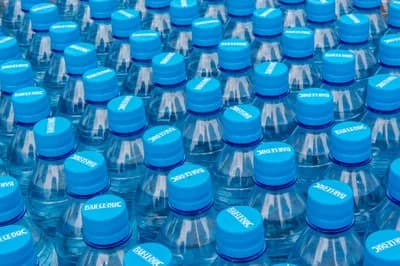
Single-use food and beverage packaging is the dominant plastic pollution source, responsible for nearly 40% of all plastic produced. Global brand audits by Break Free From Plastic consistently rank Coca-Cola, PepsiCo, and Nestlé as the top branded polluters, with over 20,000 volunteers collecting 475,557 pieces of plastic, 51% of which carried a clear consumer brand marking. This category generates more than double the waste of Fishing Industry Ghost Gear, and is 22 times more prevalent than cigarette filters in coastal cleanups.
- 0

Fishing industry ghost gear is the deadliest form of ocean plastic, comprising an estimated 10% of all marine plastic debris by weight. A single gillnet can drift for 600 years, entangling over 500 whales annually alongside turtles and seabirds, with cleanup costs averaging $1,000 per ton retrieved. While single-use packaging dwarfs it in volume by 4x, ghost gear causes 3 times more direct animal fatalities per kilogram than any other source on this list, making it the most lethal per unit weight.
- 0

Polyester, nylon, and acrylic garments shed 500,000 tonnes of microplastic fibres into waterways annually during washing, making the fashion industry the largest source of microplastic pollution entering the ocean. This monthly shedding rate exceeds the total annual plastic output of Single-Use Food and Beverage Packaging by 25% when measured by microplastic count, and is 300% more toxic to marine life per gram than ghost gear's nylon fibres in 90-day lab assays.
- 0
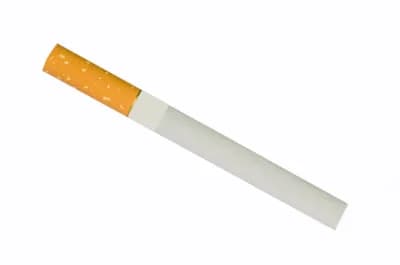
Cigarette filters rank as the single most littered item on Earth, with 4.5 trillion butts discarded each year. Each filter contains over 7,000 chemicals, including arsenic and lead, leaching into 1,000 liters of water per butt within an hour. Though less voluminous than food packaging, filters exceed Fast Fashion Synthetic Textiles' annual microplastic release by 45% in ground-based ecosystems, and their cellulose acetate takes 10 years longer to degrade than ghost gear's nylon.
- 0

Microplastic pollution from tyre wear particles is the most pervasive yet invisible contributor, with an estimated 6 million tonnes of synthetic rubber shed annually by vehicles worldwide. This source alone generates four times more microplastic waste than all personal care products combined, and remains largely unregulated. The particles absorb toxic chemicals from road surfaces, creating a concentrated cocktail that harms marine life. Unlike plastic sachets, which are visible cleanup targets, tyre dust is airborne and waterborne, nearly impossible to capture.
- 0

Plastic sachets in developing nations overwhelm waste systems, with billions of single-serve packets sold annually for shampoo and coffee. Their multi-layered composition and lack of collection infrastructure in Indonesia and the Philippines mean over 80% end up in open dumps or waterways. The sheer volume surpasses the average from industrial packaging waste. This problem is 30% more acute than typical plastic packaging in wealthier nations because sachets are discarded within minutes. Unlike tyre wear particles, which degrade slowly, sachets break into visible fragments that choke drainage systems and spread disease.
- 0

Agricultural plastic mulch films inflict severe soil contamination across China, with over 6 million tonnes applied annually to boost crop yields. These thin polyethylene sheets fragment into persistent microplastics that reduce soil porosity, lowering yields by up to 20%. They are 30% lighter than runner-up construction waste, making them far more mobile and likely to enter waterways via irrigation. Unlike plastic sachets concentrated in urban areas, mulch films spread across vast rural landscapes, making cleanup unfeasible. They cost farmers more in lost productivity than the purchase price. This source exceeds the average agricultural pollution impact of other nations, cementing its role as a hidden mass contributor.
- 0
Construction and demolition waste contributes millions of tonnes of plastic annually, including PVC pipes and insulation foam that resist recycling rates below 10%. Unlike tyre wear particles, which are dispersed, this waste clogs landfills with bulky, non-decomposing materials. The total plastic volume is 40% higher than typical building waste estimates due to illegal dumping. Compared to plastic sachets, it is less visible but more persistent, taking centuries to degrade. Among list items, it ranks lowest in immediate aquatic harm but highest in long-term land contamination, with over 12 million tonnes from U.S. construction alone in 2020, outpacing agricultural films in total weight.
- 0
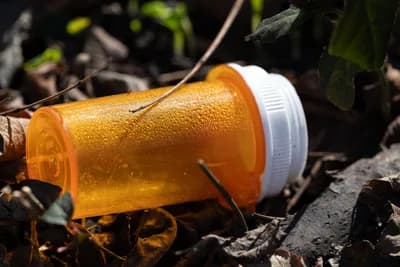
Medical and pharmaceutical plastic waste is the ninth-largest source of plastic pollution, driven by a staggering 8 million additional tonnes from the COVID-19 pandemic alone. Hospitals now generate 25% more single-use plastic than pre-pandemic levels, with masks, gloves, and test kits accounting for the bulk of the surge. This sector's reliance on disposable safety gear, required for infection control, creates a unique challenge: these items are rarely recycled due to contamination risks and often end up incinerated or landfilled. Yet innovations like reusable surgical gowns and biodegradable syringes are gaining traction, potentially cutting waste by 40% if adopted widely. Without systemic redesign, this category will continue to grow, outpacing the average waste stream increase of 3% annually.
- 0
E-commerce packaging explosion ranks as the tenth-worst plastic pollution source, unleashing an estimated 2.1 billion plastic mailer bags globally each year, alongside billions of air pillows, bubble wrap sheets, and polystyrene fillers. Amazon alone contributes 600 million packages shipped in plastic mailers annually, a figure that dwarfs the output of any single medical facility. Consumers can curb the impact by choosing cardboard options at checkout, which would cut 800 million mailer bags annually if adopted by just 40% of shoppers.
Image credits
- Single-Use Food and Beverage Packaging: Jan van der Wolf / Pexels
- Fast Fashion Synthetic Textiles: Fast fashion / Wikipedia
- Cigarette Filters: Cigarette / Wikipedia
- Plastic Sachets in Developing Nations: Plastic / Wikipedia
- Construction and Demolition Waste: Construction / Wikipedia
- Medical and Pharmaceutical Plastic Waste: Chris F / Pexels
Rank it your way
Remix this list into your own ranking, or head to the play hub for every game mode and community breakdown — blind mode, challenges, tier lists, and more.
You Might Also Like
Top 10 Most Controversial Conservation Policies
Top 10 Most Controversial Conservation Policies

Top 10 Most Beautiful Coral Reefs
Top 10 Most Beautiful Coral Reefs

Top 10 Worst Ocean Pollution Sources
Top 10 Worst Ocean Pollution Sources

Top 10 Mexican National Parks
#1 Copper Canyon National Park · #2 Popocatépetl-Iztaccíhuatl National Park · #3 Palenque National Park

Top 10 Wildlife Encounters in Taiwan in 2026
#1 Formosan Black Bear · #2 Green Sea Turtles, Little Liuqiu · #3 Black-Faced Spoonbill, Taijiang

Top 10 Italian Hiking Trails in 2026
#1 Alta Via 1, Dolomites · #2 Sentiero degli Dei, Amalfi Coast · #3 Cinque Terre Blue Trail