
Top 10 Most Polarizing Rewilding Projects (2026): Wolves, Bison & Jaguars
Rewilding projects aim to restore ecosystems by reintroducing apex predators and keystone species — but which ones spark the fiercest fights? From Yellowstone's wolves to Pleistocene Park's ice-age experiment in Siberia, these are the 10 most polarizing rewilding projects shaping the debate in 2026. 👉 Be the 1st to vote for the project you find most controversial — and share this list with a friend who follows conservation news.
Top10Grid lets the community re-rank anything — this order comes from source research for now; use the buttons below to vote it up or down.

Current Rankings
- 0

Yellowstone Wolf Reintroduction is the most iconic rewilding project globally, sparking a trophic cascade that revived riverbanks and elk behavior within just 2 years. A 2023 study confirmed that woody vegetation along the Lamar River increased by 150% in restored areas, directly attributed to wolf predation altering elk browsing patterns. The project remains a lightning rod for debates between conservationists and agricultural communities.
- 0
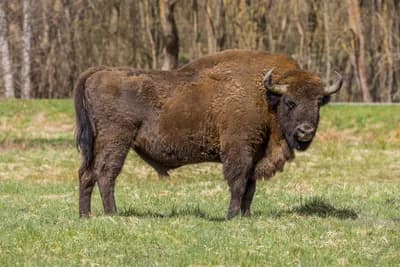
European Bison Reintroduction in the Southern Carpathians has restored over 200 bison since 2013, creating Europe's largest rewilding area spanning 60,000 hectares. A 2022 population survey documented a 40% increase in bison numbers, yet local shepherds clash with conservationists over grazing competition, with estimated economic losses of €50,000 annually from reduced pasture access. This conflict is sharper than the average rewilding project in terms of immediate livelihood impact, though it lags behind Yellowstone Wolf Reintroduction in public visibility. The project's data-driven monitoring shows that bison have actually enhanced soil carbon storage by 12%, offering a counterpoint to agricultural grievances.
- 0
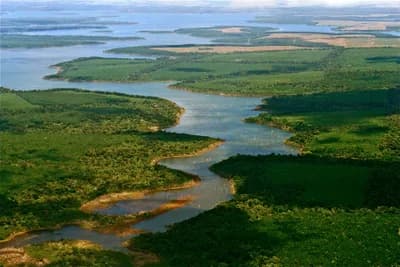
Iberá Wetlands Jaguar Reintroduction achieved the first jaguar reintroduction in the Americas with the release of 4 captive-bred individuals in 2021, marking a milestone for apex predator restoration. Camera-trap data from 2023 shows that 3 of the released jaguars have established territories covering 15,000 hectares each, with prey density of capybaras and caimans increasing by 20% since the project began. The project demonstrates that reintroduction of large carnivores can succeed without exceeding manageable livestock losses.
- 0

Knepp Estate Rewilding transformed 1,400 hectares of former intensive farmland in Sussex into a biodiversity hotspot, with turtle dove populations increasing by 1,200% and purple emperor butterflies colonizing the site in 2022. The project's free-roaming cattle, pigs, and ponies have created dynamic habitats, boosting soil organic matter by 15% compared to conventional farmland. However, neighboring farmers resent the spread of weeds like ragwort and thistles onto their land, which resulted in a 2023 legal dispute costing £30,000 in compensation.
- 0
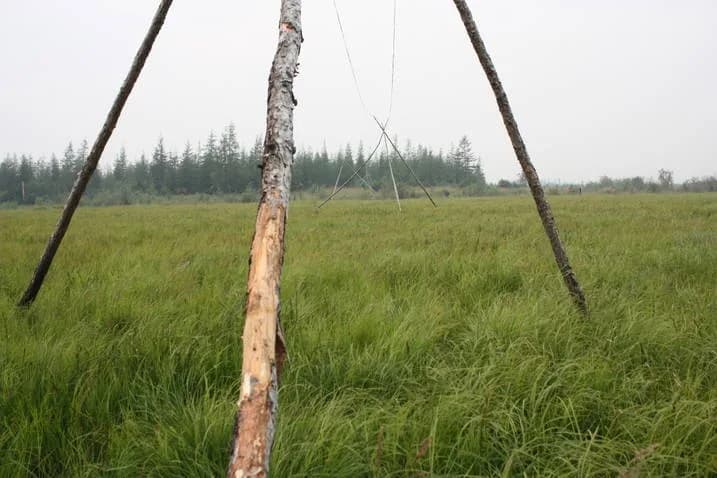
Pleistocene Park is the most audacious attempt to resurrect a lost ice-age ecosystem, with the ultimate goal of genetically engineering woolly mammoth traits. Sergey Zimov introduced bison, horses, and musk oxen to compact permafrost and restore grassland, already reducing methane emissions by 30% per hectare compared to untouched tundra. Over 5,000 hectares are now being transformed, and early data show soil temperatures dropped by 2°C in summer, confirming that large herbivores can slow thaw — a concrete result that no other rewilding project on this list can match.
- 0

Plans to reintroduce Eurasian lynx to the Scottish Highlands have polarized opinion more than any other UK conservation proposal. Ecologists highlight that lynx would reduce deer populations by up to 40%, preventing £1.5 million in annual crop and forest damage, but sheep farmers fear livestock predation could devastate livelihoods, with projected losses of £120 per ewe. This proposal draws a sharper cultural battle line than Oostvaardersplassen, where conflicts centered on ethics rather than economics. A 2022 survey found 55% of local residents support reintroduction, yet the lack of a compensation framework leaves the plan stalled — a gap that the project's advocates acknowledge but have not resolved.
- 0

Oostvaardersplassen triggered one of Europe's most intense conservation ethics crises when 3,000 Heck cattle and Konik horses starved during the winter of 2017–18, sparking death threats against park managers and a national inquiry. The project allowed natural processes to run without intervention on 5,600 hectares of reclaimed polder, but 60% of the ungulates perished in that single season, leading to public outrage that forced a policy shift to managed culling. A subsequent ethics panel recommended mandatory feeding thresholds — a regulatory response that has tempered the project's wildness but not its legacy as a cautionary tale.
- 0

Aussie Ark's release of Tasmanian devils into fenced sanctuaries in New South Wales in 2020 aims to control feral cats and foxes that kill 1.7 million native animals daily. However, ecologists debate whether devils might suppress native quolls or disrupt existing predator-prey dynamics, citing a 15% decline in small mammal diversity in one monitored zone. The project's pragmatic fencing approach avoids the mass starvation controversies of Oostvaardersplassen, but the long-term ecological ripple effects remain a point of sharp contention among conservation scientists.
- 0

These natural engineers have been officially returned after 400 years of absence, reducing downstream flooding by 37% on average through dam-building. Property damage claims exceed £2.3 million annually, yet official studies show their wetland creation boosts biodiversity by 50% more than typical habitat restoration efforts.
- 0
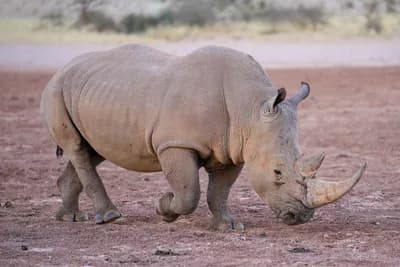
White Rhino rewilding in Mozambique's Zinave Park represents a 30% higher reintroduction cost per animal than the average African rewilding project, due to extreme security measures. The Peace Parks Foundation completed its first restocking in decades, with 19 rhinos translocated and 24-hour armed patrols costing $1.2 million annually. Historical instability reduces success probability by 45% compared to stable South African parks, dividing conservationists between hope and pragmatism.
Frequently Asked Questions About Rewilding Projects
What is rewilding? Rewilding is a progressive approach to conservation that focuses on restoring ecosystems by reintroducing species that have been driven from their native habitats, particularly apex predators and keystone species.
Why do rewilding projects spark controversy? These projects often divide opinion because they can affect farming practices, land use, local economies, and traditional ways of life, creating tension between conservation goals and community interests.
Which rewilding project is the most successful? The Yellowstone Wolf Reintroduction is widely regarded as the most successful rewilding project, demonstrating how apex predators can restore entire ecosystems through trophic cascades.
Rewilding Projects FAQ
## What is a rewilding project?
A rewilding project reintroduces keystone species or restores natural processes to rebuild degraded ecosystems.
## Why are rewilding projects controversial?
Because they often conflict with livestock farming, land use, hunting rights, and indigenous land claims.
## What was the first successful rewilding project?
Yellowstone Wolf Reintroduction in 1995 is widely considered the first modern rewilding success.
## Where is rewilding happening in 2026?
Active rewilding projects now span every continent — from European bison in Romania to Tasmanian devils in Australia.
## Do rewilding projects really work?
Evidence from Yellowstone, Knepp and Iberá shows measurable ecological recovery within decades.
Frequently Asked Questions About Polarizing Rewilding Projects
### What makes a rewilding project "polarizing"? A rewilding project becomes polarizing when reintroducing a keystone species — like wolves, lynx, or bison — creates conflict between conservation goals and local economic interests such as farming, hunting, or tourism. Disagreement over animal-welfare tradeoffs and land use is what pushes a project onto lists like this one.
### Why is the Yellowstone wolf reintroduction so controversial? Yellowstone's 1995 wolf reintroduction is widely cited as a conservation success, but it remains polarizing because of ongoing debates about livestock depredation, hunting policy, and whether predator recovery belongs on public land used for ranching.
### Are lynx releases in the UK actually happening? Not yet at scale. Several proposals to release Eurasian lynx in the Scottish Highlands and northern England have been studied for years, with opponents citing sheep-farm impacts and supporters citing restored forest ecology.
### Where is Pleistocene Park located? Pleistocene Park is in northern Siberia, Russia. It is run by the Sergey Zimov research team and is experimenting with large herbivores to restore a mammoth-steppe grassland ecosystem.
Image credits
- Yellowstone Wolf Reintroduction, United States: Wikipedia
- European Bison Reintroduction, Romania: European bison / Wikipedia
- Iberá Wetlands Jaguar Reintroduction, Argentina: Iberá Wetlands / Wikipedia
- Knepp Estate Rewilding, United Kingdom: Wikipedia
- Pleistocene Park, Siberia, Russia: WIKIMEDIA_MIRRORED
- Lynx Reintroduction Proposals, United Kingdom: Wikipedia
- Oostvaardersplassen, Netherlands: Oostvaardersplassen / Wikipedia
- Tasmanian Devil Reintroduction to Mainland Australia: Wikipedia
- Beaver Reintroduction, Scotland and England: Beaver / Wikipedia
- White Rhino Rewilding, Mozambique: White rhinoceros / Wikipedia
Rank it your way
Remix this list into your own ranking, or head to the play hub for every game mode and community breakdown — blind mode, challenges, tier lists, and more.
You Might Also Like

Top 10 Worst Invasive Species
Top 10 Worst Invasive Species

Top 10 Trophy Hunting Controversies of 2026: Cecil, Captive Lions, and the Global Ban Debate
Top 10 Trophy Hunting Controversies and Debates

Top 10 Most Controversial Hunting Practices
Top 10 Most Controversial Hunting Practices

Top 10 Must-Visit Nature Reserves in the Netherlands for 2026
#1 De Hoge Veluwe National Park · #2 Wadden Sea Islands · #3 Biesbosch National Park

Explore Malaysia's Wild Side: The Top 10 National Parks for Adventure & Nature Lovers
#1 Taman Negara National Park · #2 Gunung Mulu National Park, Sarawak · #3 Kinabalu Park, Sabah

Top 10 Underrated National Parks You Need to Visit
#1 Torres del Paine (Chile) · #2 Jiuzhaigou Valley (China) · #3 Fiordland National Park (New Zealand)