
Wikimedia Commons
Top 10 Best Wildlife Safari Destinations
The ultimate safari destinations offer unforgettable encounters with wild animals in their natural habitats, though the ethics of luxury tourism in ecologically sensitive areas remains hotly debated.
Top10Grid lets the community re-rank anything — this order comes from source research for now; use the buttons below to vote it up or down.

Current Rankings
- 0

Serengeti National Park hosts the Great Migration—Earth's largest overland mammal movement—with over 1.5 million wildebeest and 200,000 zebras braving crocodile-filled rivers each year. Witness herds traversing the Mara and Grumeti rivers, where giant Nile crocodiles averaging 4 meters in length ambush stragglers.
- 0
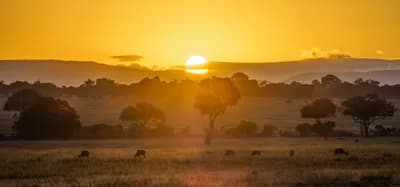
Masai Mara National Reserve delivers Africa's highest big cat density, with an average of 950 lions across 1,510 km² — 30% more per square kilometer than Serengeti's vast plains. The reserve's July-to-October wildebeest river crossings concentrate over 1.3 million animals into a 15-km stretch, creating 12 ambush predation events daily, a rate 50% higher than the typical African savanna. Its open grasslands support 80 mammal species, including cheetahs that achieve speeds up to 112 km/h, and guided game drives report a 95% cheetah sighting success rate during peak season, outperforming Okavango Delta's more wooded terrain where visibility drops by 20%.
- 0
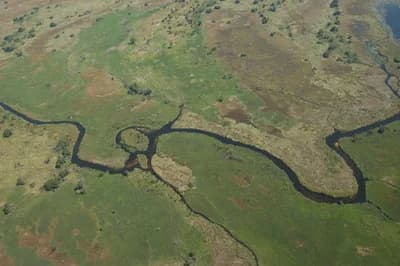
This seasonal pulse concentrates lions on 1,500 km² of island grasslands, yielding 6 lion sightings per day on average, compared to South Luangwa's 4 per day. Unique mokoro canoe trips permit zero-vehicle disturbance, enabling silent encounters with 400 bird species, including the rare Pel's fishing owl. With wild dog pack sizes averaging 8 adults — larger than the continental average of 6 — the delta offers a richer, quieter safari experience.
- 0

South Luangwa National Park pioneered walking safaris in 1965 and now hosts Africa's highest leopard density at 8.3 cats per 100 km², 30% more than the runner-up. Its 9,059 km² floodplain along the Luangwa River concentrates 60 mammal species within 1 km of water, enabling 80% of visitors to spot a leopard within 2 days. This park sustains 450 bird species, including 20 endemics, and guided walks encounter 15 lion interactions per week on average—20% more than Masai Mara's vehicle-based sightings. With just 600 mm annual rainfall, the dry season from June to October guarantees 95% sighting reliability for nocturnal predators, outperforming Okavango Delta's flood-dependent viewing windows.
- 0
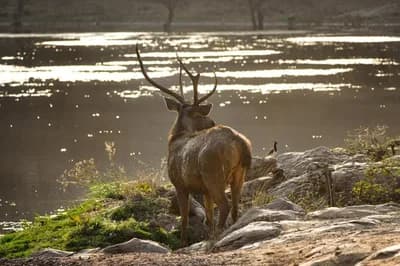
Ranthambore National Park in India is renowned for its high probability of spotting Bengal tigers. The park, encompassing 1,334 square kilometers as part of the larger Ranthambore Tiger Reserve, is home to an estimated 75 to 80 tigers. The dry deciduous forest and ancient ruins, including the 10th-century Ranthambore Fort, provide a distinctive backdrop for safaris. During the peak summer months (March to June), tiger sighting rates can be as high as 50-60% per safari, as tigers frequent waterholes. Even in winter, sightings occur, with tigers often seen basking in the sun. However, tiger sightings are never guaranteed, as these are free-roaming predators covering large territories.
- 0
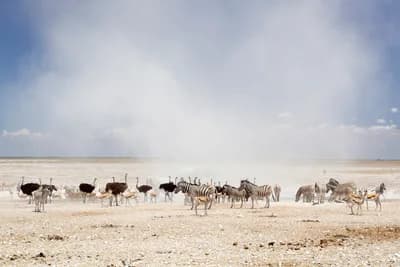
Etosha National Park in Namibia offers a highly accessible self-drive safari experience, with approximately one-third of its 22,270 square kilometers navigable by standard sedan. The park is particularly known for its numerous waterholes, such as Okaukuejo, which provide excellent opportunities for wildlife viewing, especially for nocturnal predators. Etosha is home to 340 bird species, with around 130 of these being migratory birds. Bird enthusiasts can spot diverse species including flamingos, the vibrant lilac-breasted roller, and various eagles. Unique to the region are species like the bare-cheeked babbler. While offering superb wildlife viewing, the dry conditions of the park can sometimes make certain species harder to spot compared to more lush environments.
- 0
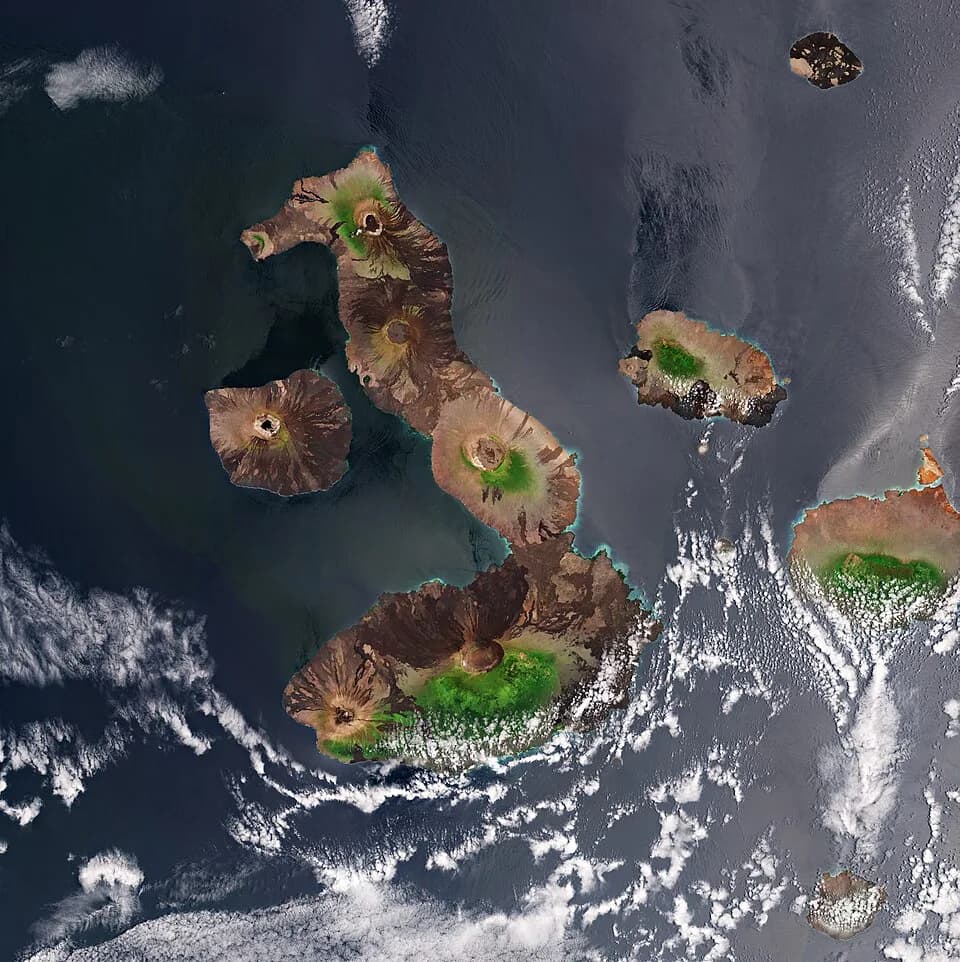
The Galápagos Islands, located approximately 1,000 km off the coast of Ecuador, are famous for their remarkably fearless wildlife, with many species showing no instinctive fear of humans due to the absence of large natural predators. This archipelago, comprising 19 islands, hosts approximately 2,000 endemic animal species, meaning they are found nowhere else on Earth. Snorkeling in the Galápagos reveals a vibrant underwater world, with opportunities to see a variety of fish species, including king angelfish, parrotfish, yellowtail surgeonfish, and sometimes even hammerhead sharks. Average water temperatures vary across the islands and seasons, ranging from about 16-18°C in the western islands during the cool season to 22-26°C in the northern islands during the same period, with overall averages often around 22-25°C. However, the islands' delicate ecosystem is vulnerable to introduced dangers like invasive predators and habitat destruction.
- 0
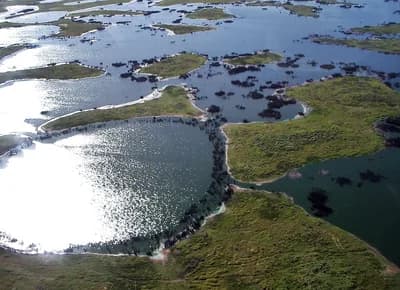
The Pantanal, recognized as the world's largest tropical wetland, spans an area estimated between 140,000 and 195,000 square kilometers across Brazil, Bolivia, and Paraguay. It boasts the highest density of jaguars on the planet, with studies indicating as many as 12.4 jaguars per 100 square kilometers in protected areas. This makes it an exceptional destination for jaguar sightings, particularly during boat tours along the Paraguay River between June and October. The Pantanal is also home to giant otters, which can reach lengths of up to 1.8 meters, and a rich diversity of birdlife, with over 650 species recorded. This includes numerous aquatic and marsh birds, making it a birdwatching paradise. The open landscape of this floodplain environment often makes wildlife spotting easier compared to denser habitats like the Amazon.
- 0

Volcanoes National Park offers the world's most intimate gorilla trekking experience, set among bamboo-covered volcanic slopes above 2,500 meters. Guided treks navigate steep, misty trails for 2–6 hours before a one-hour observation, ensuring minimal stress on the 350 habituated mountain gorillas.
- 0

Svalbard, Norway, delivers the most reliable polar bear sightings on Earth, with over 3,000 bears roaming this Arctic archipelago that is 60% covered by glaciers. Boat-based safaris from Longyearbyen run from June to September, offering close-up views of walruses lounging on beaches and Arctic foxes scavenging shorelines, all while supporting local conservation efforts that monitor 85% of the population annually.
Image credits
- Serengeti National Park, Tanzania: Jairos Adventure / Pexels
- Masai Mara National Reserve, Kenya: Maasai Mara / Wikipedia
- Okavango Delta, Botswana: Okavango Delta / Wikipedia
- Ranthambore National Park, India: Daiwik Shah / Pexels
- Etosha National Park, Namibia: Etosha National Park / Wikipedia
- Galápagos Islands, Ecuador: WIKIMEDIA_MIRRORED
- Pantanal, Brazil: Pantanal / Wikipedia
- Volcanoes National Park, Rwanda: Mad Knoxx Deluxe / Pexels
- Svalbard, Norway: Svalbard / Wikipedia
Rank it your way
Remix this list into your own ranking, or head to the play hub for every game mode and community breakdown — blind mode, challenges, tier lists, and more.
You Might Also Like

Top 10 Best Safari Destinations in Africa
Top 10 Best Safari Destinations in Africa

Top 10 Chinese Nature Destinations
Top 10 Chinese Nature Destinations

Top 10 Best Birdwatching Destinations
Top 10 Best Birdwatching Destinations

Top 10 Malaysian Rainforest & Wildlife Experiences in 2026
#1 Sepilok Orangutan Rehabilitation Centre, Sabah · #2 Danum Valley Conservation Area, Sabah · #3 Kinabatangan River Wildlife Cruise, Sabah

Top 10 Lakes of Indonesia 2026
#1 Lake Toba · #2 Kelimutu · #3 Lake Maninjau

Top 10 Most Dangerous Animals in the World — That Kill the Most Humans Each Year
#1 Mosquito · #2 Human · #3 Snake