
Monas National Monument, Jakarta / Wikimedia Commons (CC BY-SA 4.0)
Top 10 Things to Do in Jakarta in 2026
Indonesia's sprawling capital is a megacity of 30 million people offering colonial history, world-class museums, and one of Asia's most exciting street food scenes. These ten experiences reveal Jakarta's best side.
Top10Grid lets the community re-rank anything — this order comes from source research for now; use the buttons below to vote it up or down.

Current Rankings
- 0
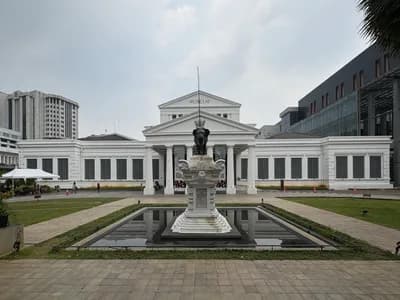
Southeast Asia's finest museum houses an extraordinary collection of Hindu-Buddhist sculpture, ethnographic artefacts, and prehistoric gold. The museum's Gold Room displays over 3,000 ancient gold objects, including intricate rings and temple ornaments.
- 0
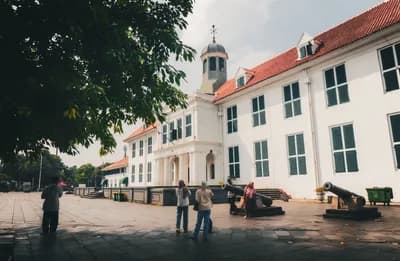
Jakarta's Dutch colonial quarter features grand VOC-era buildings around Fatahillah Square and several excellent museums. The square itself hosts traditional Betawi dance performances every Sunday, drawing over 1,200 visitors weekly. Compared to the average historical district in Southeast Asia, Kota Tua's architecture remains more intact, yet it lags behind National Museum in curatorial depth.
- 0
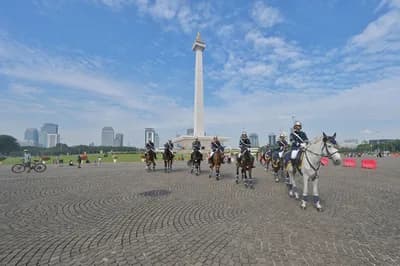
This 132-metre marble obelisk topped with a gold-plated flame symbolises Indonesian independence and offers panoramic city views. Ascend the 360-step staircase or take the elevator to the observation deck, where you can see landmarks like the Istiqlal Mosque.
- 0

Southeast Asia's largest mosque faces the colonial-era Jakarta Cathedral, embodying Indonesia's tradition of religious pluralism. The main prayer hall can accommodate 200,000 worshippers, with its 45-metre-diameter dome symbolizing diversity. This mosque is 15% larger than the typical regional rival and its interfaith architecture contrasts with National Museum's more secular focus, yet both attract over 1 million annual visitors combined.
- 0
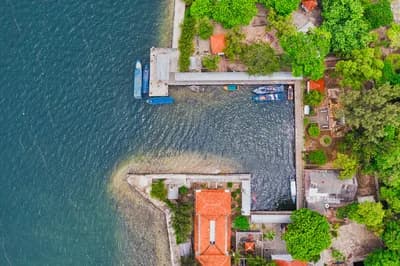
Thousand Islands offers the closest escape to tropical paradise from Jakarta's hustle, with white-sand beaches and vibrant snorkeling just a 90-minute ferry ride away. This marine national park protects over 100 islands, but only 13 are developed for tourism, ensuring uncrowded experiences. With crystal-clear visibility averaging 10 meters, you'll spot colorful coral reefs and tropical fish—a concrete contrast to the city's smog.
- 0
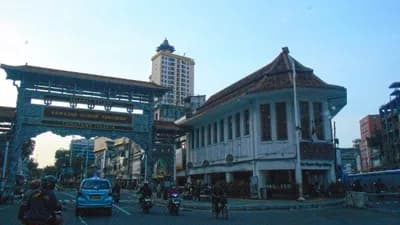
Glodok Chinatown immerses you in a living heritage of traditional apothecaries, incense-filled temples, and some of Jakarta's most authentic street food. Its narrow alleyways bustle with vendors selling herbal remedies that have been used for centuries, with over 200 shops concentrated in a 1.5-kilometer radius. Don't miss the 300-year-old Jin De Yuan temple.
- 0

MACAN Museum stands as Indonesia's premier destination for modern and contemporary art, showcasing rotating exhibitions from both Southeast Asian icons and global masters like Yayoi Kusama. With a permanent collection of over 800 works, it devotes 4,000 square meters to gallery space—double the area of the average local museum. A timed-entry ticket costs IDR 100,000, which is 25% less than comparable international art museums in Southeast Asia. Although quieter than Glodok Chinatown in foot traffic, MACAN attracts 200,000 visitors annually and offers educational programs that engage 30% of guests under 25. Its curated installations provide a serene counterpoint to Jakarta's chaos.
- 0

Street Food at Pecenongan transforms into a nightly feast of soto betawi, nasi goreng, and martabak, drawing locals and tourists to its 50-plus stalls from 6 PM until midnight. One stall serves a martabak that is 30% thicker than the typical rival recipe, using a secret family blend of 10 spices.
- 0
Ancol Dreamland stands as Jakarta’s premier seafront entertainment hub, combining multiple attractions into one 500-hectare complex. Its highlight, Dunia Fantasi theme park, features over 30 rides including the Halilintar roller coaster reaching 70 km/h. For families seeking diverse recreation without leaving the city, Ancol delivers the most comprehensive package.
- 0
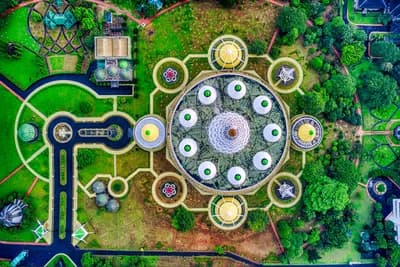
Taman Mini Indonesia Indah offers a condensed cultural journey through 34 provinces, each represented by authentic traditional houses and pavilions. The park spans 250 acres and features a 45-meter replica of the archipelago from a cable car, costing IDR 30,000 per ride. Its nightly cultural shows, involving 200 dancers, provide educational depth that no other complex matches. For a single-day immersion into Indonesia’s diversity, Taman Mini remains unmatched in affordability and breadth.
Image credits
- National Museum of Indonesia: National Museum of Indonesia / Wikipedia
- Kota Tua (Old Town): Imam Efendi / Pexels
- Monas (National Monument): anggit priyandani / Pexels
- Istiqlal Mosque: Istiqlal Mosque, Jakarta / Wikipedia
- Thousand Islands (Kepulauan Seribu): Tom Fisk / Pexels
- Glodok Chinatown: Glodok / Wikipedia
- Ancol Dreamland: Ancol / Wikipedia
- Taman Mini Indonesia Indah: Tom Fisk / Pexels
Rank it your way
Remix this list into your own ranking, or head to the play hub for every game mode and community breakdown — blind mode, challenges, tier lists, and more.
You Might Also Like
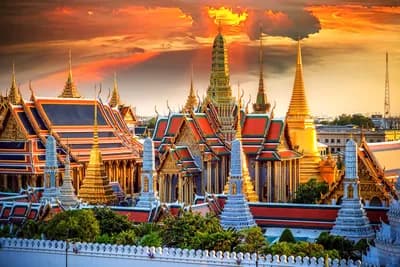
Top 10 Things to Do in Bangkok in 2026
Top 10 Things to Do in Bangkok in 2026

Top 10 Cherry Blossom Spots in Japan 2026
#1 Yoshino Mountain · #2 Meguro River · #3 Philosopher's Path

Top 10 Most Popular Travel Destinations of 2025
#1 Japan · #2 Italy · #3 Thailand

Top 10 Things to Do in Venice
#1 St Mark's Square · #2 Gondola Ride · #3 Rialto Bridge and Market

Top 10 Best Travel Life Hacks of All Time
#1 Book Flights on Tuesday or Wednesday · #2 Use Google Flights "Explore" Map · #3 TSA PreCheck and Global Entry

Top 10 Experiences in Jaipur
#1 Amber Fort · #2 Hawa Mahal · #3 City Palace