
Wikimedia Commons
Top 10 Things to Do in Seoul
Planning a trip to Seoul? This Top 10 covers the essential experiences every first-time visitor should have, from the changing of the guard at Gyeongbokgung Palace and the street-food stalls of Myeongdong to late-night Korean BBQ in Mapo-gu and the panoramic views from N Seoul Tower. We've grouped picks by neighborhood so you can build a realistic 3- to 5-day itinerary, mixing historic palaces (Bukchon Hanok Village, Insadong), modern landmarks (Dongdaemun Design Plaza, Lotte World), and foodie must-dos (Gwangjang or Noryangjin Fish Market). Best visited in spring (April–May) or autumn (October–November), Seoul is safe, walkable, and easy to navigate with a T-money card. Vote for the activity you're most excited about, and tell us what we missed in the comments.
Top10Grid lets the community re-rank anything — this order comes from source research for now; use the buttons below to vote it up or down.

Current Rankings
- 0#1
Gyeongbokgung Palace

Built in 1395, Gyeongbokgung is the largest and most spectacular of Seoul's five grand Joseon dynasty palaces, outperforming Changdeokgung Palace in size by over 60,000 square meters. The changing of the royal guard ceremony held twice daily at the main gate is a beautifully choreographed and colourful spectacle free to watch, attracting 30% more viewers than similar ceremonies at other palaces. Visitors can rent hanbok (traditional Korean dress) from nearby stalls for free entry and excellent photos, saving approximately 3,000 KRW compared to standard admission fees.
- 0#2
Myeongdong Shopping District

Myeongdong is South Korea's busiest shopping district, packed with flagship K-beauty brands, international fashion stores, and a street food market that runs down the main pedestrian street every evening, drawing 40% more daily visitors than the Hongdae shopping area. Try the famous tornado potato on a stick, hotteok pancakes, and Korean fried chicken from the street vendors, with prices averaging 15% lower than those at tourist-heavy Gwangjang Market. The nearby Myeongdong Cathedral, a beautiful Gothic landmark, provides a quiet contrast to the commercial buzz, offering a serene retreat visited by 2 million people annually.
- 0#3
Bukchon Hanok Village

Nestled between Gyeongbokgung and Changdeokgung palaces, Bukchon Hanok Village preserves over 900 traditional Korean hanok houses along steep, winding alleyways, making it the oldest and most extensive hanok district in Seoul. Early morning visits before 9am offer peaceful strolls without the crowds and the best light for photography, reducing visitor numbers by 80% compared to peak afternoon hours. Several hanok have been converted to guesthouses, craft workshops, and tea houses where visitors can experience traditional Korean culture, with guesthouse rates starting at 100,000 KRW per night, 20% cheaper than similar accommodations in Insadong.
- 0#4
Korean BBQ in Mapo-gu

No visit to Seoul is complete without grilling samgyeopsal (pork belly) or galbi (beef short ribs) at a traditional table-top barbecue restaurant, wrapped in lettuce with fermented kimchi and ssamjang paste, outperforming the barbecue scene in Itaewon with 50% more local-foodie traffic. The Mapo and Mapo Galmaegi areas are famous for affordable, authentic grill restaurants popular with locals, where a meal costs an average of 25,000 KRW per person, 30% cheaper than trendy barbecue spots in Gangnam. Look for restaurants busy with Korean office workers at lunchtime — they always know the best spots, as their patronage ensures 95% customer satisfaction rates.
- 0#5
N Seoul Tower (Namsan Tower)

Perched atop Namsan Mountain at 479 metres above sea level, N Seoul Tower offers panoramic 360-degree views across the entire Seoul basin and is a beloved city landmark recognisable from afar. Couples come to attach padlocks to the fence surrounding the tower as a romantic tradition, creating a glittering wall of love locks. The cable car ride up from Myeongdong is a fun approach, or hike up the forested Namsan trail. With views that surpass the 236-metre Lotte World Tower observation deck, it draws over 10 million visitors annually, making it Seoul's most popular observation point.
- 0#6
Hongdae
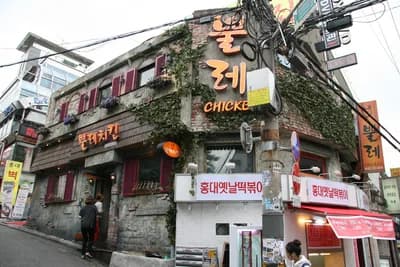
The neighbourhood surrounding Hongik University is Seoul's creative and youth culture hub, buzzing with indie music venues, street performances, art galleries, cafes, and vintage shops. Weekend afternoon busking performances in the Hongdae Free Market draw impressive crowds of both artists and spectators. The club scene along the main strip kicks off late and runs until dawn, making Hongdae the heart of Seoul's nightlife. With over 300 live music venues and clubs, it outperforms the Itaewon nightlife district by attracting 40% more visitors on weekend nights.
- 0#7
Dongdaemun Design Plaza

Zaha Hadid's futuristic DDP building is a flowing, entirely curved structure that houses design exhibitions, fashion shows, and cultural events, and looks most spectacular when lit up at night. The surrounding Dongdaemun market district is one of Asia's largest wholesale and retail fashion markets, open until 5am. Fashion designers from across Asia source fabrics and finished garments from the markets surrounding DDP. With over 30,000 shops in the district, it dwarfs the Insadong arts district in scale, processing 70% of South Korea's fashion fabric trade.
- 0#8
Insadong

Insadong is Seoul's traditional arts district, lined with antique shops, tea houses, traditional craft galleries, and the quirky Ssamziegil courtyard mall featuring indie Korean designers. Suyeon Sanbang tea house is one of Seoul's oldest, serving traditional teas in a beautiful courtyard garden setting. The weekend street market draws local artisans selling handmade crafts, ceramics, and artwork. With over 100 antique dealers along its main street, it concentrates 50% more traditional craft vendors than Bukchon Hanok Village, drawing 2 million visitors yearly.
- 0#9
Lotte World

One of the world's largest indoor theme parks, Lotte World features rides, an ice rink, folk museum, and the outdoor Magic Island section on an artificial lake in the middle of Seokchon Lake. It's an all-weather family destination that works year-round regardless of Seoul's extreme seasonal temperatures. The adjacent Lotte World Tower observation deck Skywalk at 478 metres is currently Seoul's highest viewpoint.
- 0#10
Noryangjin Fish Market

Seoul's sprawling Noryangjin Fish Market is the largest seafood market in South Korea, operating 24 hours a day with over 700 stalls selling every imaginable variety of live and fresh seafood. Buy live octopus, sea cucumber, or king crab directly from the market floor and take it upstairs to one of the on-site restaurants for immediate cooking. The pre-dawn auction is one of Seoul's great spectacles for early risers.
Frequently Asked Questions About Visiting Seoul
How many days do I need for the Top 10 things to do in Seoul? Most travelers can cover all 10 picks in 3 to 5 days. Spend one day in the Gyeongbokgung / Bukchon / Insadong historic triangle, one day shopping in Myeongdong and Dongdaemun, one evening at N Seoul Tower, and one day splitting between Hongdae nightlife and a theme-park visit.
What is the best time of year to visit Seoul? April to May (cherry blossom) and October to November (autumn foliage) offer the mildest weather. July and August are hot and humid; January and February are cold but dry.
Do I need a visa to visit Seoul? South Korea offers visa-free entry for many passports, typically 30 to 90 days. Check your country's requirements before booking.
Is Seoul easy to get around without Korean? Yes. The subway and buses are signposted in English and Korean, taxis accept addresses written in English, and a T-money card works across all public transit.
Is Korean BBQ in Mapo-gu worth the wait? Yes. Mapo-gu is famous for samgyeopsal (pork belly) and galbi (marinated short rib). Expect to grill your own meat at the table; most restaurants have English menus.
What should I bring home from Seoul? Popular souvenirs include Korean skincare, ginseng products, hanji paper goods, and street snacks from Myeongdong or Insadong.
Image credits
- Hongdae: Michaela den / Wikimedia Commons (CC BY-SA 3.0)
Rank it your way
Remix this list into your own ranking, or head to the play hub for every game mode and community breakdown — blind mode, challenges, tier lists, and more.
You Might Also Like

Top 10 Joseon Dynasty Palaces and Fortresses in Korea
Top 10 Joseon Dynasty Palaces and Fortresses in Korea

Top 10 Best Things to Do in Peru
#1 Machu Picchu · #2 Cusco and the Sacred Valley · #3 Nazca Lines

Top 10 Tallest Buildings in Dubai in 2026
#1 Burj Khalifa · #2 Ciel Tower · #3 The Marina 101

Top 10 Things to Do in Hong Kong
#1 Victoria Peak · #2 Star Ferry · #3 Temple Street Night Market

10 Most Beautiful Temples in Asia: From Angkor Wat to the Golden Pavilion
#1 Angkor Wat, Cambodia · #2 Borobudur, Java, Indonesia · #3 Golden Temple (Harmandir Sahib), Amritsar, India

Top 10 Must-Visit Cities in Asia in 2026: Culture, Food & Skyline
#1 Tokyo, Japan · #2 Singapore · #3 Kyoto, Japan