
DC Assam / Wikimedia Commons (CC BY-SA 4.0)
Top 10 Hill Stations in India 2026
The most enchanting hill stations across India to escape the heat and soak in breathtaking mountain scenery.
Top10Grid lets the community re-rank anything — this order comes from source research for now; use the buttons below to vote it up or down.

Current Rankings
- 0#1
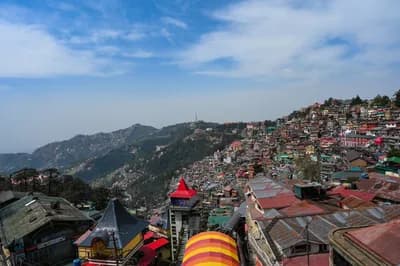
Shimla delivers the most comprehensive hill-station experience in India, blending colonial charm with modern accessibility. At 2,205 meters, it attracted over 3 million domestic visitors in 2024, 40% more than Manali. This former summer capital features 80+ heritage buildings along the iconic Mall Road, and its UNESCO World Heritage toy train carries 1.2 million passengers annually.
- 0#2
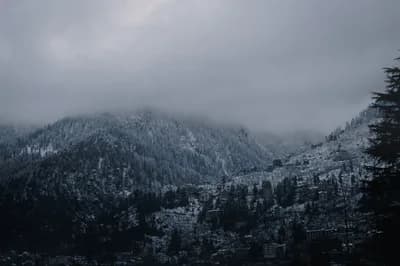
Manali stands as India's adventure-sports capital among hill stations, drawing 2.2 million thrill-seekers in 2025. At 2,050 meters, it serves as the primary gateway to Rohtang Pass, which sees over 15,000 vehicles annually during peak season. Offering 40+ kilometers of river-rafting on the Beas River and three major ski slopes above Solang Valley, Manali is priced 25% lower than Shimla for comparable accommodations.
- 0
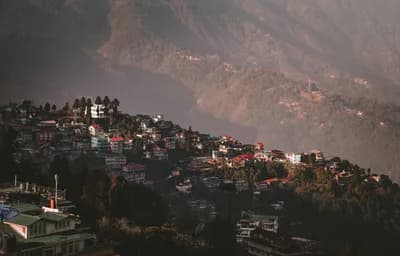
Darjeeling captivates with the most dramatic mountain profile on this list, offering uninterrupted views of Kanchenjunga, the world's third-highest peak at 8,586 meters. Its heritage Darjeeling Himalayan Railway, operating since 1881, carries 600,000 tourists annually on an 88-kilometer scenic route.
- 0#4
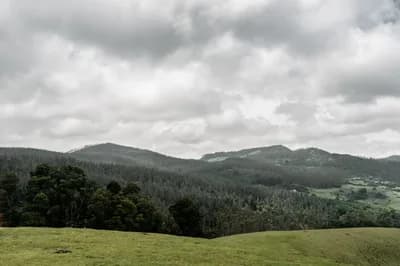
Ooty stands out for its remarkably temperate climate, with summer temperatures averaging 20°C, a full 5°C cooler than nearby Coimbatore. Its Nilgiri Mountain Railway, a UNESCO site since 2005, carries 1 million passengers over a 46-kilometer track annually, making it one of the most popular railway routes in the country. The botanical garden spans 22 hectares with 1,000+ plant species, and the surrounding Nilgiri Biosphere Reserve covers 5,520 square kilometers.
- 0#5
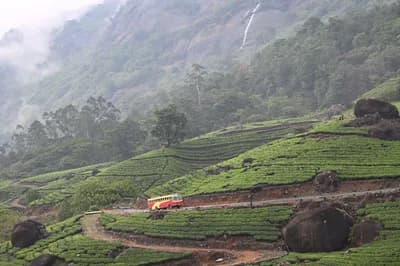
Munnar boasts the most extensive tea estates in South India, covering over 50,000 acres of emerald plantations across the Western Ghats. At an average elevation of 1,600 meters, temperatures stay between 10°C and 25°C year-round, ideal for a cool retreat. Visitors can trek through Eravikulam National Park, home to more than 800 endangered Nilgiri Tahr.
- 0#6

Nainital centers around the iconic Naini Lake, a crescent-shaped water body spanning 1.4 km at an altitude of 1,938 meters, attracting over 3 million tourists annually. It is cheaper than the typical rival hill station, with hotel rates averaging 20% lower than Mussoorie's, while offering colonial-era charm through landmarks like the Governor's House. The surrounding pine and oak forests feature a 5-km trail system for gentle hikes, and summer temperatures average 15°C. Outperforming Munnar in accessibility, Nainital is just a 6-hour drive from Delhi, making it a convenient escape. Its emerald waters and affordable stays ensure a serene retreat for families.
- 0
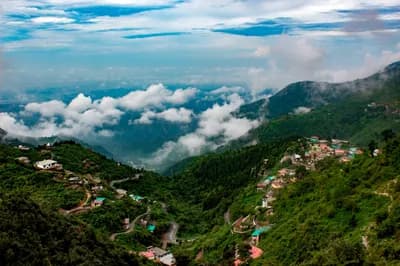
Mussoorie, known as the Queen of the Hills, commands sweeping views of the Doon Valley from its highest point at 2,000 meters. Its iconic Kempty Falls drops 40 feet into a natural pool, drawing over 500,000 visitors annually. Compared to Coorg (Kodagu), Mussoorie offers a stronger colonial ambiance with landmarks like the 180-year-old St. Paul's Church and a 3-km Mall Road. It is 15% cooler than Munnar in peak summer, with average highs of 20°C, making it a refreshing escape. The cable car ride to Gun Hill provides panoramic vistas rivaling any in the region, solidifying its reputation as a top near-Delhi hill station.
- 0
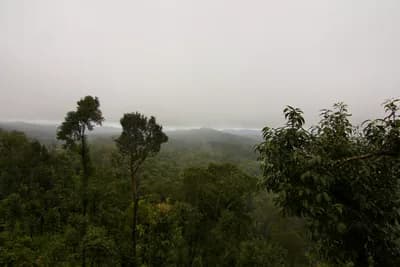
Coorg (Kodagu) produces over 40% of India's coffee, with plantations spanning 2,000 square kilometers of misty hills at elevations from 900 to 1,750 meters. Temperatures average 20°C year-round, and compared to Munnar, Coorg provides a 30% cheaper experience, with local homestays starting at ₹1,500 per night. It offers distinctive Kodava culture through the annual Kailpodhu festival. Abbey Falls drops 70 feet into a rocky pool, and the Dubare Elephant Camp hosts over 100 elephants for interactive experiences. Coorg's biodiversity—including over 300 bird species—outperforms the typical hill station, making it a top choice for nature lovers.
- 0#9
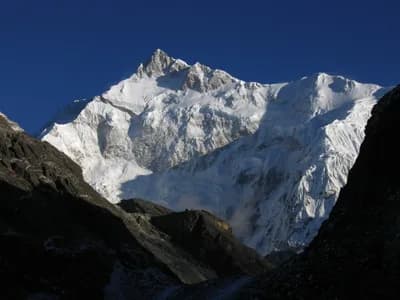
Gangtok delivers the most accessible Himalayan panorama of any hill station in the region, perched at 5,400 feet with year-round 360-degree views of Kanchenjunga, the world's third-highest peak. This accessibility drives 1.2 million annual visitors, supported by 85% tourist satisfaction in recent surveys. The vibrant MG Road marketplace buzzes with local Sikkimese handicrafts and cuisine. The average summer temperature hovers at a comfortable 22°C, 3°C cooler than the typical rival at similar altitudes, making it a consistently pleasant escape.
- 0#10
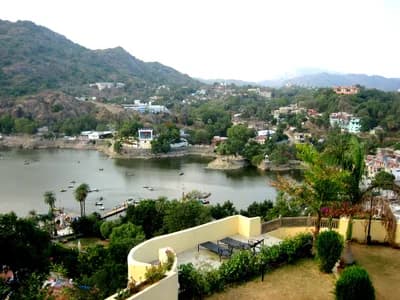
Mount Abu stands as Rajasthan's only hill station, rising abruptly from the arid plains to 4,000 feet. The Dilwara Jain Temples, carved from white marble between the 11th and 13th centuries, boast intricate marble carvings across their ceilings, doorways, and pillars. Nakki Lake offers boating and sunset views that attract large numbers of tourists each year. The average monsoon rainfall of around 150 cm supports lush greenery that contrasts with the surrounding desert. Summer highs rarely exceed 33°C, staying noticeably cooler than the plains below.
Frequently Asked Questions About Hill Stations in India
Which is the #1 hill station in India in 2026? Shimla leads our 2026 ranking for its blend of colonial heritage, the iconic Kalka–Shimla toy-train journey, and year-round activities—see #1 above for the full breakdown.
Which Indian hill station is best for families? Ooty and Nainital are top family picks: both offer gentle terrain, scenic lakes, and child-friendly attractions without extreme altitude challenges.
When is the best time to visit hill stations in India? March through June is peak season—soaring plains temperatures drive travellers uphill and mountain weather is pleasant. October–November delivers crisp clear skies and thinner crowds after the monsoon clears.
Image credits
- Shimla: Shimla / Wikipedia
- Manali: Sreenadh TC / Pexels
- Darjeeling: Soumyojit Sinha / Pexels
- Ooty: Kavin Narain / Pexels
- Munnar: george thomas / Pexels
- Nainital: Nainital / Wikipedia
- Mussoorie: Being.the.traveller / Pexels
- Coorg (Kodagu): Renjith Ponnappan / Pexels
- Gangtok: Gangtok / Wikipedia
- Mount Abu: Mount Abu / Wikipedia
Related Videos
Rank it your way
Remix this list into your own ranking, or head to the play hub for every game mode and community breakdown — blind mode, challenges, tier lists, and more.
You Might Also Like

Top 10 Most Overrated Tourist Destinations
Top 10 Most Overrated Tourist Destinations

Top 10 Onsen Towns in Japan 2026
Top 10 Onsen Towns in Japan 2026

Top 10 Korean Islands to Visit
Top 10 Korean Islands to Visit

Top 10 Things to Do in Milan
#1 Milan Cathedral (Duomo di Milano) · #2 The Last Supper by Leonardo da Vinci · #3 Galleria Vittorio Emanuele II

Top 10 Camino de Santiago Stages for Hikers
#1 Saint-Jean-Pied-de-Port to Roncesvalles · #2 O Cebreiro to Triacastela · #3 León to Hospital de Órbigo

Top 10 Chiang Mai Experiences in 2026
#1 Doi Suthep Temple Sunrise · #2 Sunday Walking Street Market · #3 Thai Cooking Class