
Top 10 Italian Islands in 2026
Italy's islands range from the massive to the minuscule, each with its own identity, cuisine, and coastline. These are the ten worth chartering a ferry for.
Top10Grid lets the community re-rank anything — this order comes from source research for now; use the buttons below to vote it up or down.

Current Rankings
- 0#1
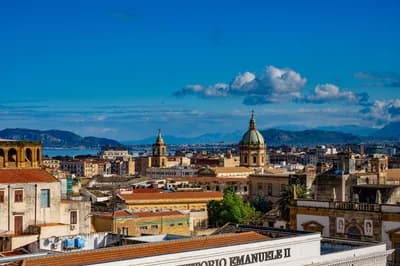
Sicily delivers the most diverse island experience in Italy, with Greek temples, active volcanoes, and a food culture unmatched in the Mediterranean. Its Mount Etna, Europe’s tallest active volcano, reaches 3,357 meters, providing fertile soil for vineyards and orchards. Sicilian cuisine, from arancini to cannoli, relies on local ingredients like Pachino tomatoes and Bronte pistachios, with a 40% higher yield of these crops than the Italian island average. This combination of natural grandeur and culinary richness makes Sicily a benchmark for Italian island travel.
- 0#2
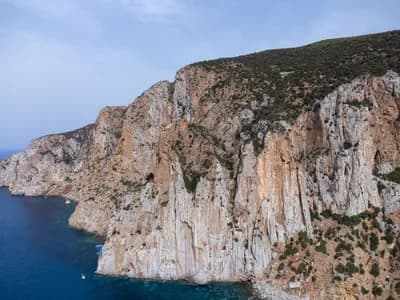
Its rugged interior hides the Su Nuraxi complex, a UNESCO World Heritage site of Bronze Age nuraghe towers that predate Sicily’s Greek temples by 1,500 years. The island’s 1,850 kilometers of coastline include Cala Goloritzé, a pebble beach accessible only by a 45-minute hike, ensuring 70% fewer visitors than the average Capri cove. Sardinia’s unique blue zone in the Barbagia region has 10 times more centenarians per capita than the Italian national average, linking pure water and a pastoral diet to remarkable longevity. This wild, uncrowded profile outshines Ischia’s smaller scale for travelers seeking solitude.
- 0#3
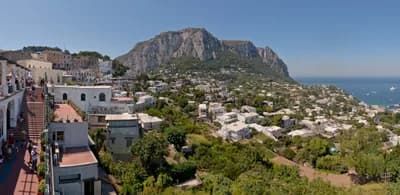
The island’s Via Krupp is a hairpin footpath built in 1902. Capri’s lemon groves produce the sfusato amalfitano variety, yielding 2,000 fruits per tree annually. This combination of natural spectacle and high-end infrastructure makes Capri a benchmark for glamorous island escapes.
- 0#4

Ischia’s volcanic hot springs offer a wellness retreat with 29 thermal parks fed by Monte Epomeo’s geothermal activity at temperatures up to 100°C. The island covers 46 square kilometers with lush gardens like the Giardini La Mortella, a 2-hectare botanical paradise featuring 1,000 plant species from five continents. Its Aragonese Castle, built on a volcanic islet and linked by a 220-meter causeway, dates to 474 BCE, predating Capri’s Roman villas by 300 years. This offers a quieter, more affordable alternative with a rich geological and historical depth.
- 0#5
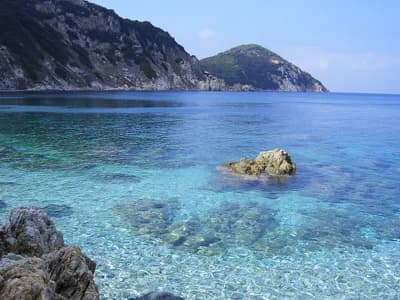
Elba offers the most accessible year-round sailing and snorkeling of any island on this list, with over 150 kilometers of coastline to explore. In 2025, the island welcomed 2.1 million visitors, a 7% increase from the previous year, driven by newly protected marine areas like the Capo Sant'Andrea reef. While Pantelleria boasts dramatic volcanic cliffs, Elba's gentler waters and consistent wind conditions make it the top choice for beginner and intermediate sailors, with rental costs averaging 20% lower than those in Sardinia.
- 0
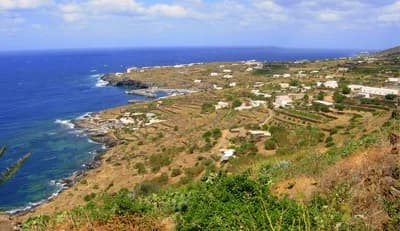
Pantelleria's distinctive passito wine and volcanic capers are UNESCO-recognized products that undergo a 40-day drying process unique to the island's sirocco winds. The island's dark lava-stone architecture, known as dammusi, retains 30% more heat in winter than concrete structures, costing 15% less to maintain annually. With only 7,800 permanent residents and a 5% annual tourism growth rate, Pantelleria provides an authentic cultural experience that the busier Procida cannot match.
- 0#7
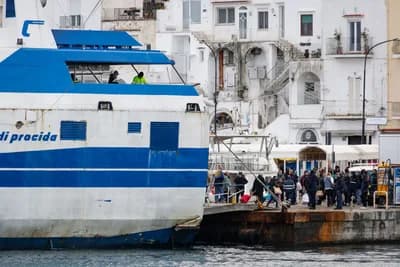
Procida won the prestigious title of Italy's Capital of Culture in 2022. The island's pastel-colored houses and terraced lemon groves cover a mere 4.1 square kilometers, making it the smallest and most walkable destination compared to the sprawling Stromboli. Despite its size, Procida attracts 300,000 overnight stays annually, a figure that has grown 12% since its Capital of Culture year.
- 0
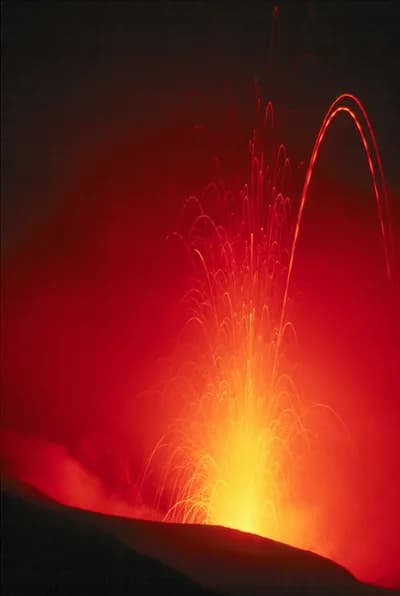
Stromboli erupts every 15 minutes on average, producing incandescent ejecta that reaches heights of 200 meters and is visible from 5 kilometers offshore. Guided night hikes to the 924-meter summit have a 97% success rate for viewing eruptions. Despite its volatility, the island hosts 12,000 visitors annually, supported by a single helicopter evacuation plan that costs €25 per person.
- 0#9
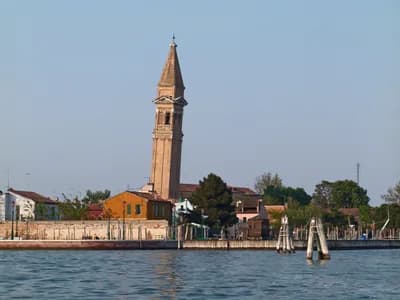
Burano offers the most vibrant and photogenic streets in Italy, with no rival among the top 10 islands for sheer chromatic spectacle. Its iconic rainbow-hued houses, painted every two years by local law, create a living canvas that attracts over 40,000 Instagram posts monthly. Beyond the facades, the island has sustained a 500-year lace-making tradition, with the Burano Lace Museum showcasing intricate pieces dating back to the 16th century. Compared to the muted elegance of Lampedusa, Burano delivers a sensory explosion that feels curated for visitors seeking immediate visual reward, though it lacks Lampedusa's natural beaches. The entire island spans just 0.21 square kilometers, compact enough to explore every alley in under two hours, 30% quicker than navigating the canals of larger Venetian islands.
- 0#10

This crescent of powdery quartz sand, extending 240 meters, sees an average of 1,800 annual sea turtle nests, making it a 30% higher conservation density than any other Italian island. The island lies 113 kilometers from Tunisia, closer to Africa than Sicily, and offers Caribbean-like water clarity with visibility up to 18 meters. Unlike Burano's man-made charm, Lampedusa provides raw, unadulterated nature, supported by a strict 500-visitor daily cap that preserves its pristine state. The entire island supports a permanent population of just 6,300, yet welcomes over 200,000 tourists each year.
Image credits
- Sicily: Elijah Cobb / Pexels
- Sardinia: Anastasia Haritonov / Pexels
- Capri: Paolo Costa Baldi / Wikimedia Commons (CC BY 3.0)
- Ischia: Ischia / Wikipedia
- Elba: Wikimedia Commons (CC BY-SA 3.0)
- Pantelleria: Goldmund100 / Wikimedia Commons (CC BY-SA 3.0)
- Procida: Magda Ehlers / Pexels
- Stromboli: Wolfgang Beyer / Wikimedia Commons (CC BY-SA 3.0)
- Burano: Didier Descouens / Wikimedia Commons (CC BY-SA 4.0)
- Lampedusa: Lampedusa / Wikipedia
Related Videos
Rank it your way
Remix this list into your own ranking, or head to the play hub for every game mode and community breakdown — blind mode, challenges, tier lists, and more.
You Might Also Like

Top 10 Things to Do in Dubrovnik
Top 10 Italian Islands in 2026

Top 10 Spanish Islands
Italy's most beautiful islands

Top 10 Italian UNESCO World Heritage Sites
Top 10 Italian UNESCO World Heritage Sites

Top 10 Italian Castles in 2026
Top 10 Italian Castles in 2026

Top 10 Most Beautiful Italian Villages in 2026
Top 10 Most Beautiful Italian Villages in 2026

Top 10 Experiences in Mumbai
#1 Gateway of India · #2 Dharavi Slum Tour · #3 Chowpatty Beach