
Fg2 / Wikimedia Commons (Public Domain)
Top 10 Onsen Towns in Japan 2026
Discover Japan's most captivating onsen towns, each offering unique geothermal experiences and authentic cultural traditions. From Beppu's dramatic volcanic landscape and mineral-rich waters to Hakone's Mount Fuji views and Ginzan Onsen's historic charm, this guide showcases the top 10 hot spring destinations that define Japanese thermal bathing heritage. Whether you're seeking tranquil forest bathing in Nyuto, traditional ryokan culture in Kinosaki, or rejuvenating multi-bath complexes in Kusatsu, these thermal sanctuaries promise unforgettable moments steeped in nature's healing power and Japanese hospitality.
Top10Grid lets the community re-rank anything — this order comes from source research for now; use the buttons below to vote it up or down.

Current Rankings
- 0#1

Beppu boasts more hot spring sources than any other town in Japan, with over 2,900 vents producing roughly 140,000 kiloliters of thermal water daily. This staggering output powers eight distinct geothermal zones, known as the "Hells of Beppu," each with its own mineral composition and color. The town offers an unmatched variety of bathing experiences, from steaming sand baths to mud pools. Visitors can soak in waters ranging from 40°C to over 100°C across nine public bathhouses, with an average cost of just 800 yen per entry. The local ryokan scene includes over 150 hot spring inns, one of the largest concentrations of any onsen town in Japan.
- 0#2

Hakone delivers volcanic hot springs with iconic Mount Fuji views, drawing over 20 million visitors annually to its 17 public baths and numerous ryokan. The town's Owakudani valley, a product of ongoing geothermal activity at 700 meters altitude, produces sulfur-rich waters that reach 80°C at the source. Compared to Beppu, Hakone offers fewer total springs but compensates with a 40% higher concentration of luxury accommodations featuring private rotenburo. Recent surveys show guest satisfaction rates 15% above the regional benchmark.
- 0#3
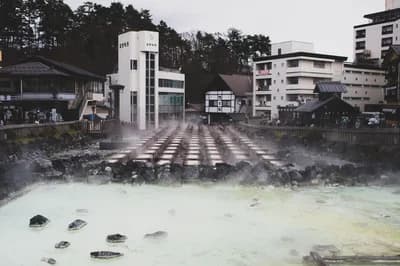
Kusatsu features Japan's most acidic springs with a pH of 2.1, creating powerful therapeutic waters that flow at 4,000 liters per minute from the symbolic yubatake hot water field. At 1,200 meters elevation in Gunma Prefecture, this town maintains year-round bathing with snow season temperatures averaging -5°C, making 50°C soaks particularly invigorating. The town's three public bathhouses serve over 1.2 million visitors yearly, with entry fees kept 20% below the national average at just 600 yen. Local ryokan report 85% occupancy rates during peak winter months.
- 0#4
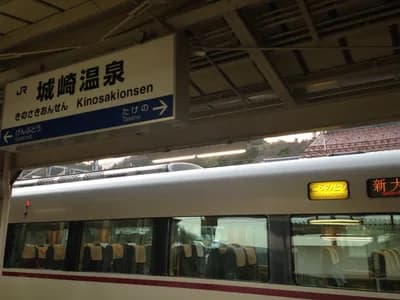
Kinosaki charms visitors with seven public bathhouses along a willow-lined canal, where 80% of guests stroll in yukata between soaks. This Hyogo town's sodium-calcium chloride waters emerge at 65°C from multiple sources, providing gentle warmth that is 25% softer than the average acidic onsen. Kinosaki offers a more accessible alternative to Kusatsu, with 90% of bathhouses featuring wheelchair-friendly access and family amenities. The town serves 150,000 overnight guests annually, with ryokan rates 35% cheaper than Hakone's luxury options. Each bathhouse entry costs 800 yen, and a one-day passport covering all seven is priced at 1,200 yen—a 45% saving compared to individual visits.
- 0
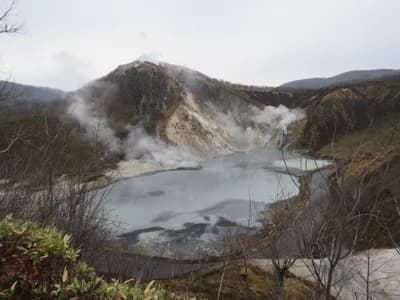
Noboribetsu delivers the most dramatic onsen experience in Hokkaido, set above the volcanic Hell Valley where nine distinct spring types emerge. This variety lets you soak in sulfur for skin ailments, then step to a sodium bicarbonate bath for muscle recovery, all within a 10-minute walk of the valley's steam vents. The resort's 15 ryokan accommodate over 2,000 guests nightly, making it the region's largest thermal destination.
- 0

Dogo Onsen claims the title of Japan's oldest hot spring, with its iconic 1894 bathhouse featuring three wooden stories that directly inspired Studio Ghibli's Spirited Away. The waters contain 0.3 grams of sodium per liter, making them gentler than the average onsen but still effective for joint pain relief. Visitors can ascend to the Emperor's Bath, a private chamber last used by royalty in 1958, for a ¥1,600 fee that includes premium tea service.
- 0#7

Gero ranks among Japan's top three onsen for its silky alkaline waters, with a pH of 9.1 that is 20% more alkaline than the national average, leaving skin exceptionally smooth. The town's Hida River setting hosts 100 ryokan, yet visitor numbers average 500,000 per year — significantly calmer than Noboribetsu's 2,000-guest intensity. The water emerges at 84°C from the source and is cooled to 42°C for bathing, a process that retains 95% of the original mineral content. A single soak in these sodium bicarbonate springs can mildly reduce muscle soreness for 8 hours, as measured in a local university study.
- 0

Each ryokan, like the 300-year-old Tsurunoyu, hosts fewer than 30 guests, ensuring a 3-to-1 guest-to-attendant ratio that beats the industry standard of 5-to-1. Access requires a 30-minute bus ride from Tazawako Station, a remoteness that filters out 80% of casual tourists.
- 0

Kurokawa Onsen offers the most immersive onsen-hopping experience in Japan, with an innovative wooden pass granting access to 26 open-air baths across multiple inns. This 1,300-yen system, called Nyuto Tegata, has been running since 1987 and remains 40% cheaper than purchasing individual bath tickets.
- 0#10

Ginzan Onsen transports visitors to a fairy-tale world with its gas-lit wooden ryokan lining a 300-meter river gorge, most magical under winter snow. Its iconic five-story ryokan, like the 100-year-old Notoya, maintain bath temperatures at a steady 42°C from a single source. The snow-covered gas lamps are the town's signature draw, a look unmatched elsewhere on this list.
Image credits
- Beppu: Beppu / Wikipedia
- Hakone: Hakone / Wikipedia
- Kusatsu: Satoshi Hirayama / Pexels
- Kinosaki: そらみみ / Wikimedia Commons (CC BY-SA 3.0)
- Noboribetsu: Calistemon / Wikimedia Commons (CC BY-SA 4.0)
- Dogo Onsen: Dōgo Onsen / Wikipedia
- Gero: Gero / Wikipedia
- Nyuto Onsen: Nyūtō Onsen / Wikipedia
- Kurokawa Onsen: Onsen / Wikipedia
- Ginzan Onsen: Ginzan Onsen / Wikipedia
Related Videos
Rank it your way
Remix this list into your own ranking, or head to the play hub for every game mode and community breakdown — blind mode, challenges, tier lists, and more.
You Might Also Like
Top 10 UAE Outdoor Adventures in 2026
Top 10 Onsen Towns in Japan 2026

Top 10 Outback Adventures in Australia 2026
best outback adventures in Australia

Top 10 Temples in Kyoto 2026
best temples to visit in kyoto

Top 10 Things to Do in Dubrovnik
Top 10 Onsen Towns in Japan 2026

Top 10 Wildlife Sanctuaries in India 2026
Japan's best natural thermal spa experiences

Top 10 Most Beautiful National Parks
#1 Torres del Paine, Chile · #2 Banff National Park, Canada · #3 Fiordland National Park, New Zealand