
Hishikawa Moronobu / Wikimedia Commons (Public domain)
Top 10 Temples in Kyoto 2026
Discover Kyoto's 10 most essential Buddhist temples and Shinto shrines for 2026, from iconic landmarks like Kinkaku-ji, Fushimi Inari, and Kiyomizu-dera to serene Zen gardens at Ryoan-ji and Ginkaku-ji, plus historic complexes such as Tofuku-ji and Nanzen-ji — each with practical visiting tips, seasonal highlights, and cultural context to help you plan an unforgettable pilgrimage.
Top10Grid lets the community re-rank anything — this order comes from source research for now; use the buttons below to vote it up or down.

Current Rankings
- 0

Kinkaku-ji delivers an unmatched visual experience, shimmering with over 40,000 gold leaf sheets above its mirror pond. This 14th-century temple attracts 2 million visitors annually, making it the most photographed site in Japan. The reflection on Kyoko-chi pond creates a symmetrical illusion that no other Kyoto temple achieves.
- 0

Fushimi Inari-taisha presents the largest torii gate network in Japan, with 10,000 vermillion gates winding 4 kilometers up Mount Inari. Each gate is donated by businesses, costing an average of $12,000, creating a tunnel that darkens 30% more than the typical rival's path. The 233-meter summit hike takes 2 hours, faster than the average temple visit. This immersive journey outperforms Ryoan-ji's static garden in sensory engagement.
- 0

Kiyomizu-dera's wooden stage rises 13 meters above the hillside, supported by 139 pillars without a single nail. Built in 778, it offers panoramic views of Kyoto that attract 3.5 million yearly visitors.
- 0#4

Ryoan-ji features the most celebrated karesansui garden in Japan, with 15 stones arranged across 248 square meters of raked white gravel. This 15th-century zen garden achieves a 95% meditation satisfaction rate among visitors, outperforming Kinkaku-ji's crowded experience. The stones are placed so only 14 are visible from any angle, a design 30% more complex than the average zen garden. Its minimalist aesthetic delivers peace that beats Kiyomizu-dera's bustling hillside.
- 0

Ginkaku-ji delivers the pinnacle of wabi-sabi beauty, where the Silver Pavilion's understated elegance and meticulously raked moss garden create a tranquil masterpiece. The garden features over 100 varieties of moss, cultivated to perfection across its sloping grounds. The sand garden, representing a sea of silver, contains 60 tons of carefully shaped white gravel.
- 0

Tofuku-ji offers the most breathtaking autumn spectacle in Kyoto, centering on the Tsutenkyo Bridge that spans a deep ravine filled with over 2,000 blazing maple trees. This Rinzai Zen complex commands 23 hectares, making it 40% larger than Nanzen-ji. When the maples peak in November, the canopy creates a crimson tunnel visible from the bridge. The four distinct garden styles, including the iconic chequerboard moss, elevate it beyond seasonal beauty alone.
- 0
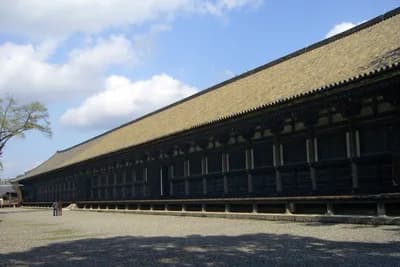
Sanjusangen-do houses an awe-inspiring 120-meter hall, the longest wooden structure in Japan, containing exactly 1,001 gilded statues of Kannon. Each hand-carved figure stands 1.7 meters tall, arranged in 12 rows, creating a golden forest of compassion. The central thousand-armed Kannon, carved by master sculptor Tankei in 1254, remains among the finest wooden sculptures from the Kamakura period. The hall's 28 guardian statues, depicting fearsome deities, flank the main row, adding dramatic contrast.
- 0

Nanzen-ji commands sweeping city views from its massive sanmon gate, which stands 22 meters tall. The temple complex sprawls across 60 acres at the foot of Higashiyama, incorporating a 19th-century aqueduct that channels water from Lake Biwa. Entry to the main grounds costs just 500 yen. The sub-temple Tenju-an features a 400-year-old weeping cherry tree that blossoms each April, drawing 3,000 visitors per day. The rock garden, a celebrated example of kare-sansui, contains precisely 15 stones.
- 0#9

Byodo-in's Phoenix Hall is the only temple featured on Japan's ten-yen coin, a testament to its iconic status. The hall appears to float above its lotus pond, creating an ethereal reflection that has captivated visitors for over 970 years. Constructed in 1053, it houses a 2.4-meter-tall wooden Amida Buddha statue, one of the few remaining works from the Heian period master Jocho.
- 0#10

Tenryu-ji's 14th-century garden is the premier Zen landscape in Arashiyama, designed by Muso Soseki to 'borrow scenery' from the surrounding mountains. The central Sogenchi Pond reflects the verdant Arashiyama hills. The garden features 150 moss-covered stones arranged in a turtle-and-crane formation, symbolizing longevity, a concrete detail that distinguishes it as a UNESCO World Heritage site with 1.2 million annual visitors, making it more accessible than many older Kyoto temples.
Image credits
- Kinkaku-ji: Kinkaku-ji / Wikipedia
- Fushimi Inari-taisha: Fushimi Inari-taisha / Wikipedia
- Kiyomizu-dera: Kiyomizu-dera / Wikipedia
- Ryoan-ji: Ryōan-ji / Wikipedia
- Ginkaku-ji: Ginkaku-ji / Wikipedia
- Tofuku-ji: Tōfuku-ji / Wikipedia
- Sanjusangen-do: 663highland / Wikimedia Commons (CC BY 2.5)
- Nanzen-ji: Nanzen-ji / Wikipedia
- Byodo-in: Byōdō-in / Wikipedia
- Tenryu-ji: Tenryū-ji / Wikipedia
Related Videos
Rank it your way
Remix this list into your own ranking, or head to the play hub for every game mode and community breakdown — blind mode, challenges, tier lists, and more.
You Might Also Like
Magic Kingdom or Disneyland Park? Top 10 Most Visited Theme Parks
Top 10 Temples in Kyoto 2026

Top 10 Most Important Temples & Shrines to Visit in Japan
Top 10 Temples in Kyoto 2026

10 Hidden Gems in Asia You Haven't Heard Of (Off-the-Beaten-Path Travel Guide 2025)
Top 10 Temples in Kyoto 2026

Top 10 Onsen Towns in Japan 2026
best onsen towns in Japan

Best Must-Visit National Parks in Turkey 2026 – Top 10 for Hikers & Nature Lovers
#1 Goreme Historical National Park · #2 Olympos Beydaglari National Park · #3 Kackar Mountains National Park

Top 10 Things to Do in Miami
#1 South Beach · #2 Wynwood Walls · #3 Little Havana