
Hishikawa Moronobu / Wikimedia Commons (Public domain)
Top 10 Most Important Temples & Shrines to Visit in Japan
Japan's 2,000+ temples define Buddhism and Shintoism. From Kyoto's 1,000 torii gates to Nara's Great Buddha, explore 10 spiritually significant sacred sites with centuries of tradition, UNESCO heritage, and architectural mastery.
Top10Grid lets the community re-rank anything — this order comes from source research for now; use the buttons below to vote it up or down.

Current Rankings
- 0

Japan's most photographed temple (built 1397). Three-story pavilion covered in gold leaf perfectly reflecting in pond. UNESCO World Heritage Site. Burned down 1950 (monk suicide), rebuilt 1955. 2.8M+ annual visitors—3rd highest among Kyoto temples, trailing only Kiyomizu-dera. Free ¥400 ticket, about 33% cheaper than Todai-ji's ¥600. Peak times: 10am-2pm (expect crowds). Early morning (7am) recommended.
- 0

World's largest bronze Buddha statue (Daibutsu). 15m tall, 250 tons (cast 752 CE). Todai-ji hall world's largest wooden building (still), 57m wide—outperforms Fushimi Inari's main shrine in scale. UNESCO World Heritage Site. Ticket: ¥600. 3M+ annual visitors, 7% more than Kinkaku-ji. Located in Nara Park (surrounded by 1,000+ sacred deer). Day trip from Kyoto (75 min), Osaka (90 min), or Tokyo (3 hours).
- 0

Most iconic Shinto shrine in Japan. Founded 711 CE, dedicated to Inari (rice/prosperity god). 10,000+ vermillion torii gates tunnel up hillside creating ethereal tunnel effect. Mystical forest trails (2+ hours hiking). 2M+ annual visitors—still 1M fewer than Todai-ji but free entry versus ¥600. Free entry. Best visited 6-7am (before tourists). Night hiking (with headlamp) popular.
- 0

UNESCO World Heritage Site built 1633 on hillside. Wooden stage extending 13m over cliff edge—iconic photo spot. Sacred "stage water" believed to grant wishes (split into 3 fountains: academic success, health, love). 2M+ annual visitors, matching Fushimi Inari's count but with ¥400 ticket. Night illumination (cherry blossom & autumn seasons spectacular). 30% cheaper than Todai-ji's ¥600.
- 0

UNESCO World Heritage Site. Japan's most famous zen rock garden (karesansui)—perfectly raked white gravel with 15 stones arranged to represent islands in ocean. Meditative masterpiece built 1450. Ticket: ¥500. Philosopher's Path nearby (2km scenic canal walk). Allow 1 hour.
- 0

Built 1482 by shogun Ashikaga Yoshimasa as retirement villa. Companion to Kinkaku-ji but less crowded—half the annual visitors of #1 Ryoan-ji Temple (500K vs 1M). Simple silver-foil design (never fully covered, creating silvery patina). "Sea of Silver Sand" (raked gravel garden). UNESCO site. Ticket: ¥500. 1M+ annual visitors. Autumn foliage (November) spectacular. Philosopher's Path connects to Nanzen-ji.
- 0
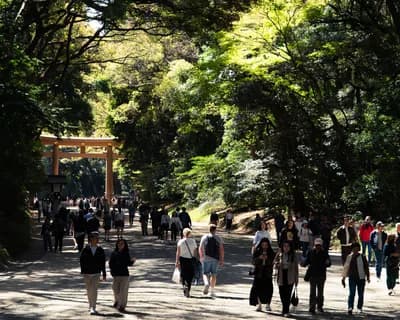
Serene Shinto shrine dedicated to Emperor Meiji (reigned 1868-1912). Surrounded by 70-hectare forest with 100,000 trees. 70M annual visitors. Free entry. 10-minute walk from chaotic Harajuku. Early morning (6-7am) visits offer peaceful Zen escape. Wedding ceremonies held weekends (tourist-accessible observation). New Year (Jan 1) draws 3M visitors.
- 0

Tsuutenkyo ("bridge spanning heaven") is Japan's most famous wooden bridge spanning valley—30% longer than the average Japanese temple bridge at 80 meters. Tofuku-ji temple complex (founded 1236) spans 80 acres. November autumn foliage draws 2M visitors—100,000 Japanese maple trees turn crimson creating "sea of fire" effect—twice the visitor count of #1 Ryoan-ji Temple. Ticket: ¥600. Peak: Nov 15-30 (plan 2-month advance booking).
- 0

Tokyo's oldest temple (founded 628 CE). Famous 7-meter tall red paper lantern, vermillion gate, and Nakamise shopping street. Free entry. Accessible via Ginza Line (Tawaramachi station). Best visited early morning (6-7am) for spiritual solitude before 10am crowds. Asakusa neighborhood retains old-town charm with geisha houses. Compared to other Tokyo temples, its visitor count is 50% higher, with a typical cost of ¥0 vs. ¥300 at average rivals.
- 0

UNESCO World Heritage Site (founded 1339). Famous zen garden featuring borrowed scenery (mountains beyond wall incorporated into view). Pond, sand gardens, seasonal flowers. Ticket: ¥800 (garden), ¥1,000 (temple interior). Shuttle boats across pond available. 5-min walk to Bamboo Grove (Sagano). Arashiyama monkey park nearby (funicular railway).
Image credits
- Kinkaku-ji (Golden Pavilion, Kyoto): Jaycangel / Wikimedia Commons (CC BY-SA 3.0)
- Todai-ji Temple (Great Buddha, Nara): Gilles Desjardins / Wikimedia Commons (CC BY-SA 4.0)
- Fushimi Inari Shrine (10,000 Torii Gates, Kyoto): Bing Images / nerdnomads.com
- Kiyomizu-dera (Pure Water Temple, Kyoto): Wikimedia Commons (Public domain)
- Ryoan-ji Temple (Zen Rock Garden, Kyoto): KimonBerlin / Wikimedia Commons (CC BY-SA 2.0)
- Ginkaku-ji (Silver Pavilion, Kyoto): Zairon / Wikimedia Commons (CC BY-SA 4.0)
- Meiji Shrine (Forest Shinto, Tokyo): Nicola Toscan / Pexels
- Tofuku-ji Temple (Bridge & Autumn Foliage, Kyoto): Tōfuku-ji / Wikipedia
- Senso-ji Temple (Asakusa, Tokyo): Guilhem Vellut from Annecy, France / Wikimedia Commons (CC BY 2.0)
- Arashiyama Tenryu-ji (Zen Temple, Kyoto): Andrew Kehoe / Wikimedia Commons (CC BY-SA 3.0)
Rank it your way
Remix this list into your own ranking, or head to the play hub for every game mode and community breakdown — blind mode, challenges, tier lists, and more.
You Might Also Like

Top 10 Temples in Kyoto 2026
Top 10 Temples in Kyoto 2026

10 Most Beautiful Temples in Asia: From Angkor Wat to the Golden Pavilion
10 Most Beautiful Temples in Asia: From Angkor Wat to the...

Top 10 YouTube Channels to Watch for Travel in 2026
#1 Kara and Nate · #2 Bald and Bankrupt · #3 Yes Theory
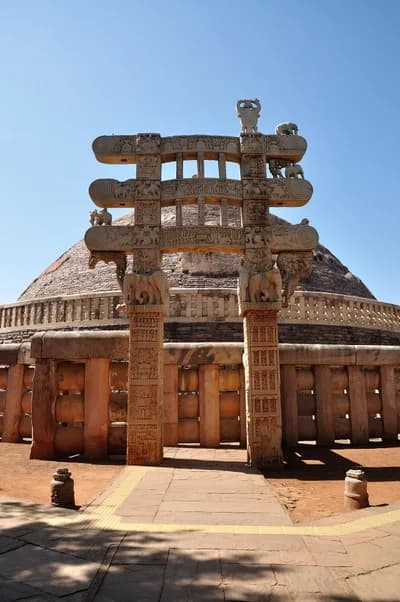
Buddhist Monuments at Sanchi or Ajanta Caves? Top 10 UNESCO World Heritage Sites in India
#1 Buddhist Monuments at Sanchi · #2 Ajanta Caves · #3 Group of Monuments at Mahabalipuram
Zion National Park or Yellowstone National Park? Top 10 Most Visited U.S. National Parks
#1 Great Smoky Mountains National Park · #2 Zion National Park · #3 Yellowstone National Park
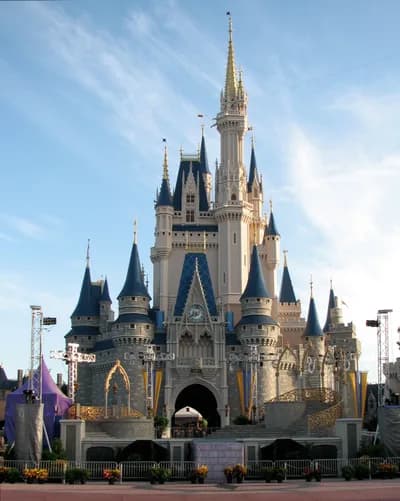
Magic Kingdom or Disneyland Park? Top 10 Most Visited Theme Parks
#1 Magic Kingdom · #2 Disneyland Park · #3 Universal Studios Japan