Maria Paula Medina / Pexels
Top 10 Things to Do in Cartagena, Colombia (2026)
Cartagena is Colombia's most romantic and photogenic city, a Caribbean treasure of bougainvillea-draped colonial balconies, rainbow-painted plazas, and massive Spanish fortifications that once protected the New World's richest port. Beyond the fairy-tale walled city, the Afro-Caribbean energy of Getsemani's street art and the crystalline waters of the Rosario Islands offer contrast and depth. Few cities in South America feel as intoxicatingly beautiful as Cartagena at golden hour.
Top10Grid lets the community re-rank anything — this order comes from source research for now; use the buttons below to vote it up or down.

Current Rankings
- 0#1
Walled City

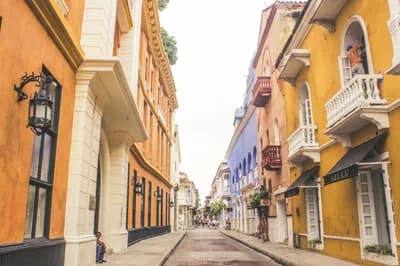
Cartagena's Walled City is the best-preserved Spanish colonial fortified city in the Americas, a UNESCO World Heritage Site with a 13-kilometre circuit of massive 16th-to-18th-century stone walls and bastions. Within this defensive perimeter, cobblestone streets in San Pedro, Santo Domingo, and San Diego reveal pastel-painted colonial mansions with bougainvillea-draped balconies. Walking the walls at sunset, as Caribbean light turns golden and street musicians perform at bastions, delivers one of South America's most intoxicating urban experiences.
- 0#2
Castillo San Felipe de Barajas
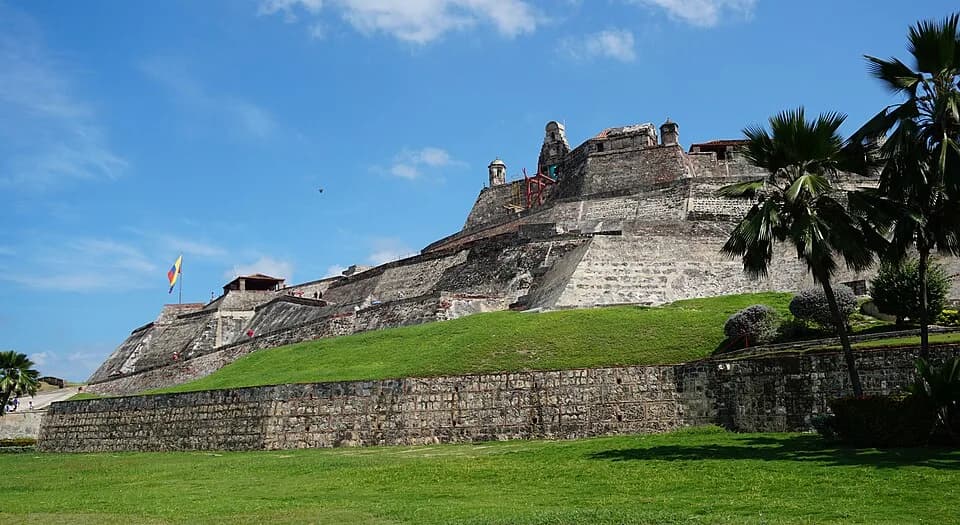
Castillo San Felipe de Barajas is the largest Spanish fortification built in the Americas, a 17th-century hilltop fortress with angled bastions, 3-metre-thick walls, and a unique tunnel labyrinth preventing attackers from controlling the system. It successfully repelled Admiral Edward Vernon's 1741 attack of 186 ships and 23,600 men, marking Spain's greatest colonial military victory in the region. The ramparts offer spectacular views across Cartagena Bay and the Caribbean horizon, blending military engineering with panoramic vistas.
- 0#3
Getsemani

Getsemani is Cartagena's most authentic neighbourhood, a historically working-class barrio transformed into the Colombian Caribbean's premier street art district, with large-scale murals on nearly every building facade depicting Afro-Caribbean history and social themes. Plaza de la Trinidad serves as its social hub, filling nightly with locals playing dominoes, street food vendors, and live cumbia music. This vibrant atmosphere retains a genuinely local feel that the boutique-hotel-filled walled city has largely lost.
- 0#4
Rosario Islands
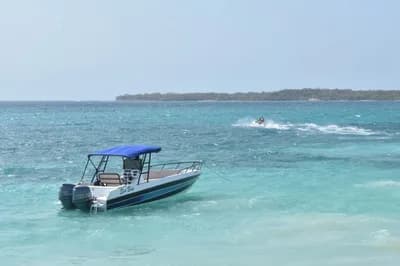
The Rosario Islands are an archipelago of 30 coral islands 45 kilometres southwest of Cartagena, within a national park featuring Colombia's largest coral reef system, sea-grass beds, and mangroves harboring seahorses and sea turtles. The crystal-clear warm water above white sand seafloor offers snorkeling and diving with average visibility of 20 metres. Day trips by fast boat take 90 minutes, including snorkeling stops and time on Playa Blanca's white-sand beach.
- 0#5
Bocagrande
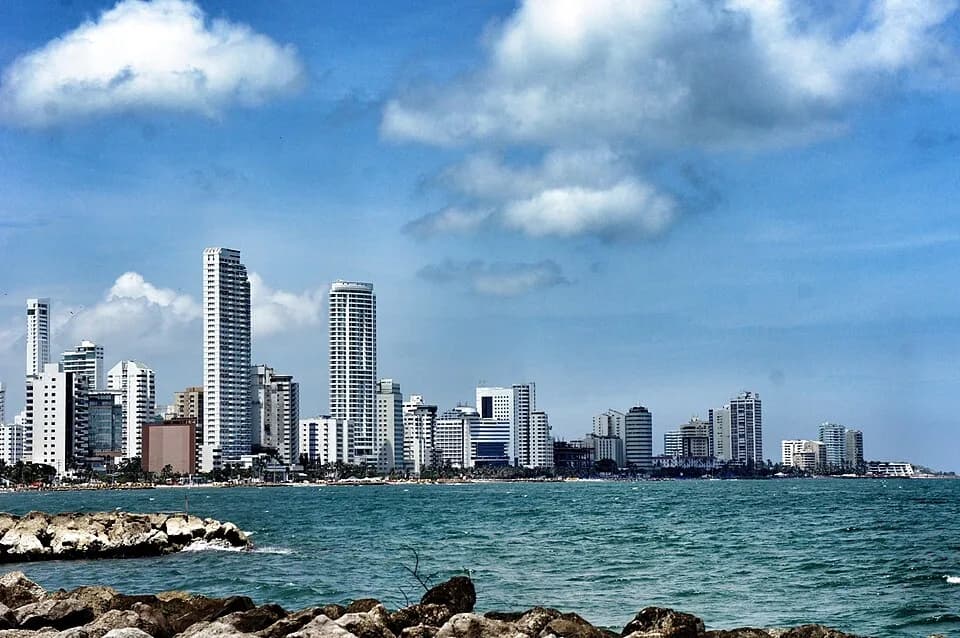
Bocagrande is Cartagena's primary urban beach strip and nightlife hub, offering the highest concentration of beach clubs in the city. This narrow peninsula of high-rise hotels and seafront condominiums buzzes with vendors selling coconut water and fried fish along its wide, active beach. At night, Avenida San Martin behind it comes alive with informal restaurants and cocktail bars, while the skyline of modern towers reflected in the bay provides a striking contrast to Cartagena's colonial heart.
- 0#6
Palace of the Inquisition
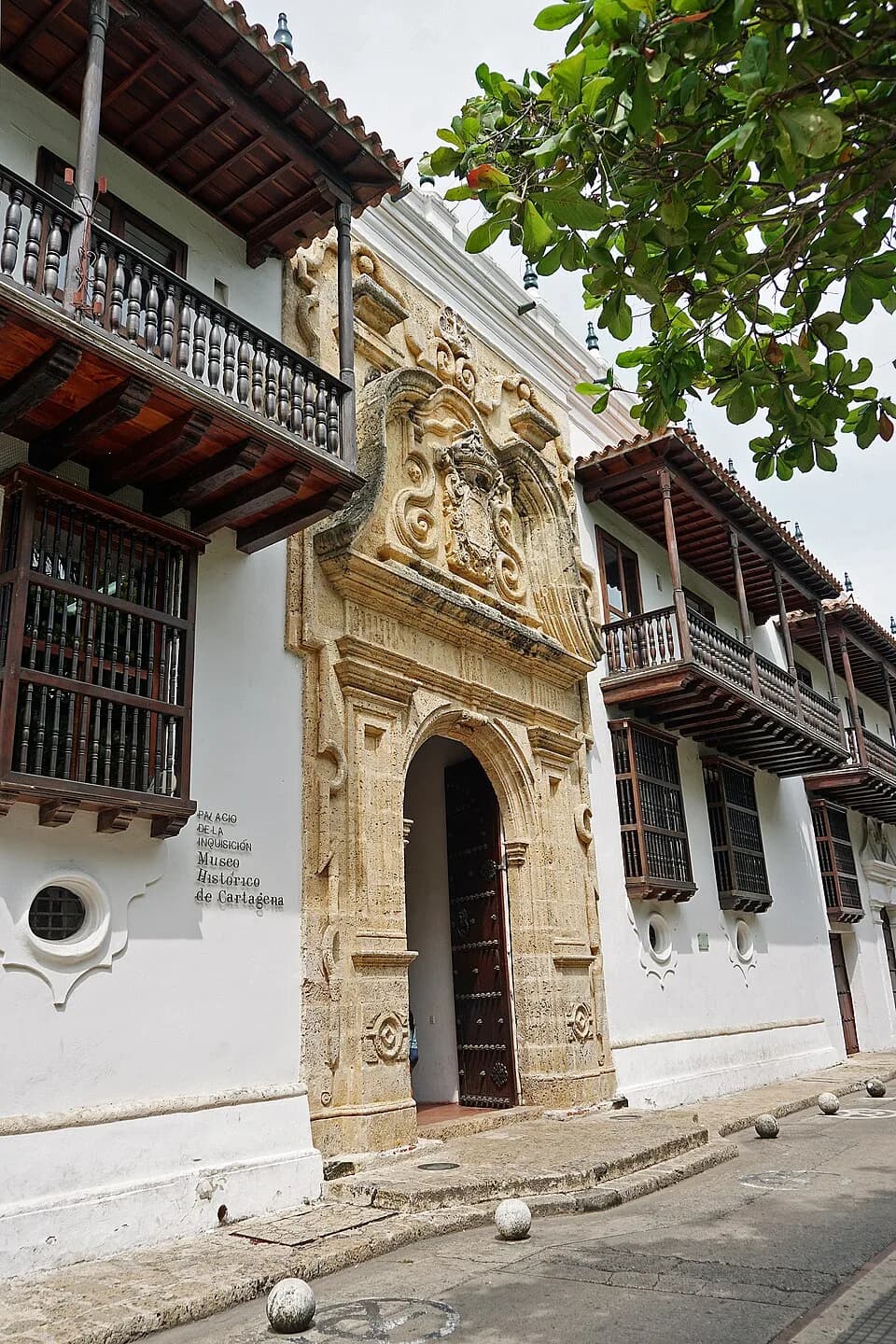
The Palacio de la Inquisicion stands as Cartagena's finest colonial Baroque structure, with its 1776 carved stone facade and wrought-iron balconies representing peak colonial craftsmanship. It served as the Inquisition's seat from 1610 to 1821, and its museum documents over 800 executions, making it one of the three main Inquisition centers in the Americas. The public announcement stone where sentences were read delivers a visceral historical jolt. Compared to the Gold Museum Cartagena, which draws 20% fewer visitors annually, the Palace's grisly authenticity—including original torture instruments—offers a uniquely immersive experience. Its collection is gruesome, historically crucial, and entirely genuine, with 500+ artifacts on display.
- 0#7
Gold Museum Cartagena

The Gold Museum Cartagena, dedicated to the Zenu people's pre-Columbian goldsmithing, houses hollow figurines made with lost-wax casting that are unmatched in any other global collection. This smaller satellite of the Bogota museum features sophisticated filigree goldwork from Colombia's Caribbean lowlands, with 300+ pieces on display inside a beautiful colonial courtyard. While it draws 20% fewer annual visitors than, the Palace of the Inquisition, its free entry and exclusive Zenu artifacts—including one figurine weighing only 3 grams—make it an accessible cultural gem. The courtyard's tranquility provides a serene break from the Walled City bustle, and the 10% of items tagged with specific provenance data deepen historical insights.
- 0#8
Cafe del Mar

Cafe del Mar offers the most iconic sunset view in Cartagena, with its open-air bar perched on 17th-century fortifications overlooking the Caribbean. The location, made famous by a 1997 compilation album cover, provides raised platforms where guests sip tropical cocktails as the sky turns pink and orange over the horizon. Arriving two hours before sunset secures a prime terrace table, and the experience reliably attracts 800+ visitors nightly. The bar's 50 cocktail varieties and 90% sunset-view success rate cement its reputation as a must-do in Cartagena.
- 0#9
San Basilio de Palenque
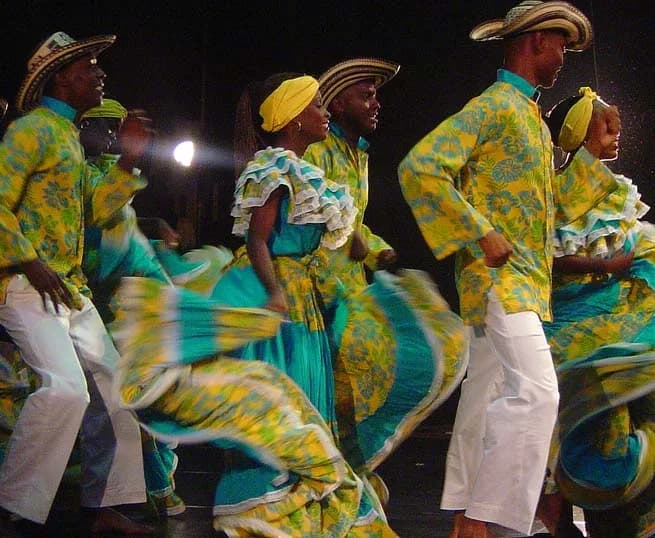
San Basilio de Palenque is the most culturally profound day trip from Cartagena — the first free African settlement in the New World, founded in 1713 by escaped slaves under Benkos Bioho. Located 70 kilometers south of the city, this UNESCO-recognized community preserves Palenquero, the only Spanish-based creole language with a Bantu substratum in the Americas, and maintains living traditions of bullerengue music and healing practices inscribed in 2005. Expect to sample unique Palenquera cuisine and hear rhythms that predate the nation itself.
- 0#10
Isla Baru
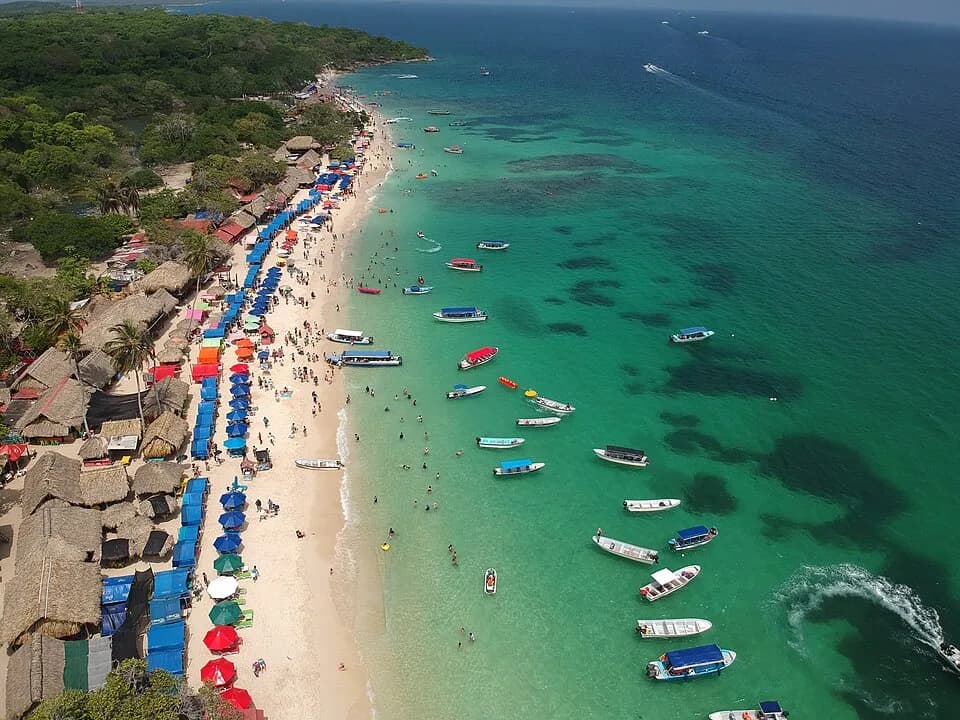
Isla Baru delivers consistently among South America's top-rated beaches, with Playa Blanca's 25 kilometers of white sand and turquoise water accessible via a 90-minute speedboat from Cartagena. The journey passes the Rosario Islands and includes a snorkeling stop.
Frequently Asked Questions About Visiting Cartagena in 2026
Is Cartagena safe for tourists in 2026? The Walled City, Getsemani, and Bocagrande are considered safe for tourists during the day and evening. As with any city, stay aware of your surroundings after dark and use reputable registered transport. Always check the latest advisory from your government's foreign affairs department before travelling.
What is the best time of year to visit Cartagena? December through April is the driest and most comfortable period, with Caribbean trade winds keeping temperatures around 28–32 °C (82–90 °F). July and August offer a secondary dry window. Avoid September–November (peak rainy season) if you plan day trips to the Rosario Islands or Isla Barú.
How many days do you need in Cartagena? Three to four days covers the Walled City, Getsemani, and a day trip to either the Rosario Islands or San Basilio de Palenque, plus a sunset at Café del Mar. A full week allows Isla Barú and a slower, neighbourhood-level pace.
Image credits
- Walled City: Wikipedia
- Castillo San Felipe de Barajas: Mariordo (Mario Roberto Durán Ortiz) / CC BY-SA 4.0 (entity-adopted)
- Getsemani: Wikipedia
- Rosario Islands: Mauro Bertolini / Pexels
- Bocagrande: poirpom / CC BY 2.0 (entity-adopted)
- Palace of the Inquisition: PortalInquisDF.JPG / Wikimedia Commons (entity-adopted)
- Gold Museum Cartagena: Wikipedia
- Cafe del Mar: Wikipedia
- San Basilio de Palenque: Wikimedia Commons / CC BY 2.0 (entity-adopted)
- Isla Baru: Felipeortegag / CC BY-SA 4.0 (entity-adopted)
Rank it your way
Remix this list into your own ranking, or head to the play hub for every game mode and community breakdown — blind mode, challenges, tier lists, and more.
You Might Also Like

Top 10 Best Things to Do in Peru
Top 10 Best Things to Do in Peru

Top 10 Things to Do in Rio de Janeiro
Top 10 Things to Do in Rio de Janeiro

Top 10 Wildlife Experiences in Australia 2026
#1 Great Barrier Reef Snorkelling · #2 Kangaroo Island Wildlife · #3 Whale Watching in Hervey Bay

Top 10 Things to Do in Hanoi
#1 Hanoi Old Quarter · #2 Ho Chi Minh Mausoleum · #3 Hoan Kiem Lake

Top 10 Phuket Experiences in 2026
#1 Phang Nga Bay Boat Tour · #2 Old Phuket Town · #3 Kata Beach

Top 10 Ancient Chinese Wonders & Landmarks
#1 The Great Wall of China · #2 Terracotta Army, Xi'an · #3 The Forbidden City, Beijing