Adli Wahid / Wikimedia Commons (CC BY-SA 3.0)
Top 10 Things to Do in Osaka
Osaka is Japan's kitchen, famous for its vibrant street food culture and larger-than-life entertainment districts. From neon-lit Dotonbori to the historic grounds of Osaka Castle, the city pulses with energy and flavor. Whether you're riding roller coasters at Universal Studios or exploring gritty Shinsekai, Osaka never disappoints.
Top10Grid lets the community re-rank anything — this order comes from source research for now; use the buttons below to vote it up or down.

Current Rankings
- 0#1
Dotonbori

Dotonbori is Osaka's entertainment district, renowned for its illuminated canals, abundant takoyaki stalls, ramen shops, and karaoke bars that operate late into the night. It is widely considered the heart of Osaka's vibrant food and nightlife, attracting a significant number of visitors. The district is particularly famous for its theatrical history, with the canal's construction dating back to 1612, initiated by Yasui Doton. Today, iconic billboards like the Glico Running Man and colossal mechanical crab signs contribute to its energetic and maximalist atmosphere. Expect large crowds, especially in the evenings, as Dotonbori is a major draw for both local and international tourists.
- 0#2
Osaka Castle

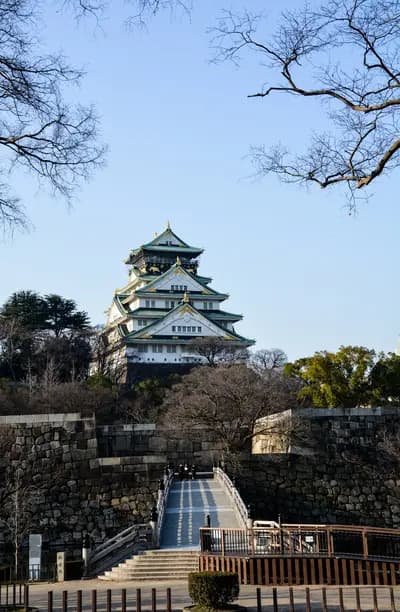
Osaka Castle is a striking 16th-century fortress originally built by the warlord Toyotomi Hideyoshi, who aimed to unify Japan in 1583. The current main tower, a 1931 ferro-concrete reconstruction, houses an eight-floor museum detailing Japan's unification wars and Hideyoshi's life and legacy. The top floor offers panoramic city views from an observation deck approximately 50 meters high. The castle grounds are expansive, featuring over 3,000 cherry trees that bloom each spring, with about 300 of these located in the Nishinomaru Garden, which also offers evening illuminations during cherry blossom season.
- 0#3
Universal Studios Japan
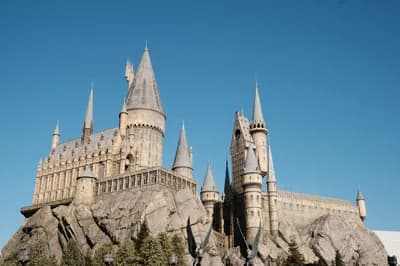
Universal Studios Japan (USJ), located in Osaka's Sakurajima ward, is one of Asia's most visited theme parks, welcoming 16 million visitors in 2023. The park opened on March 31, 2001, and quickly became the world's fastest theme park to reach 10 million guests in its opening year. Headline attractions include The Wizarding World of Harry Potter, Super Nintendo World, and Minion Park. USJ is also known for pioneering its seasonal Halloween Horror Nights event, which runs from September 11 to November 8, 2026, offering unique haunted mazes and experiences.
- 0#4
Shinsekai

Shinsekai, meaning "New World," is a retro entertainment district in Osaka, established in 1912. Its design was inspired by Paris for its northern section and New York's Coney Island for the southern part, originally featuring the Tsutenkaku Tower and Luna Park amusement park. The district preserves a working-class atmosphere around the current 103-meter-tall Tsutenkaku Tower, which was rebuilt in 1956 and offers an observation deck at 91 meters. Shinsekai is particularly famous for kushikatsu, a dish of deep-fried, skewered meats and vegetables, where a strict local rule forbids double-dipping in the communal sauce for hygiene. The area's garish neon signs create a distinct time-capsule energy, especially after dark.
- 0#5
Kuromon Ichiba Market
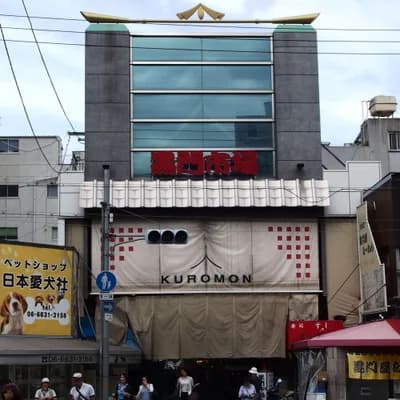
Kuromon Ichiba Market, known as "Osaka's Kitchen" for nearly 200 years, offers a culinary experience in Osaka. This 580-meter covered market features over 170 stalls selling everything from live seafood and wagyu beef to freshly grilled scallops and tropical fruits. Many items are available for under ¥1,000, allowing visitors to sample multiple dishes during a single visit. The market is particularly vibrant in the mornings, when the freshest selections are available.
- 0#6
Umeda Sky Building

The Umeda Sky Building offers panoramic views from its Floating Garden Observatory, a circular structure that connects the twin towers at the 40th floor. Completed in 1993 and designed by Hiroshi Hara, this landmark attracts over 1 million visitors annually. On a clear day, guests can see distant mountains. The basement level recreates a 1920s Showa-era market, offering a nostalgic cultural experience. Admission to the Floating Garden Observatory is ¥1,500.
- 0#7
Namba

Namba serves as a central hub in Osaka, characterized by its department stores, covered shopping arcades such as Shinsaibashi-suji, and the terraced Namba Parks garden complex. The area merges with Dotonbori and hosts a significant concentration of restaurants, ranging from Michelin-starred kaiseki to local okonomiyaki stalls. Visitors can explore various free walking routes that highlight Osaka's urban and culinary landscape.
- 0#8
Shitennoji Temple

Shitennoji Temple holds the distinction of being Japan's oldest officially administered Buddhist temple, founded in 593 AD by Prince Shotoku. It features a vermilion five-story pagoda and a symmetrical layout that influenced subsequent temple architecture. The temple grounds, faithfully reconstructed after World War II, provide a peaceful setting for worshippers and tourists alike, with no entrance fee for access to the main compound. A popular monthly flea market, held on the 21st and 22nd of each month, offers antiques and kimonos.
- 0#9
Osaka Aquarium Kaiyukan

Osaka Aquarium Kaiyukan is one of the largest aquariums in the world, renowned for its massive central tank. This tank, representing the Pacific Ocean, holds 5,400 cubic meters of water and is home to diverse marine life, including whale sharks. The aquarium features fourteen interconnected tanks that showcase various aquatic environments, from the icy waters of the Antarctic to the vibrant marine life of the Great Barrier Reef and the specific ecosystems of Japan. Visitors follow a continuous, spiraling walkway that descends through these habitats, providing an immersive experience. Situated on Osaka Bay, adjacent to the Tempozan Ferris Wheel, Kaiyukan offers a comprehensive day out for both families and marine enthusiasts.
- 0#10
Minoo Waterfall
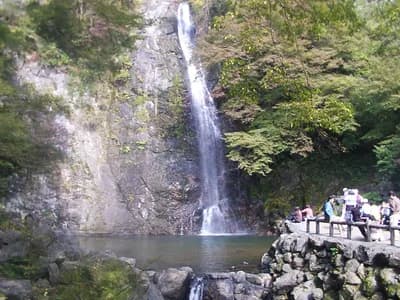
Minoo Waterfall, a striking natural attraction, is the centerpiece of Minoo Park, located approximately 30 minutes north of central Osaka by train. The waterfall cascades 33 meters into a serene pool, offering a picturesque escape from the urban environment. The primary hiking trail in the park extends 2.7 kilometers, winding alongside a mountain stream and through a rich landscape of cedar, maple, and bamboo trees. Along the path, visitors encounter small shrines and traditional tea houses. A distinctive local specialty found here is momiji tempura, or deep-fried maple leaves, typically coated in cinnamon sugar. The park's vibrant autumn foliage is particularly celebrated, drawing many visitors to experience its natural beauty.
Image credits
- Dotonbori: Miosotis Jade / Wikipedia
- Osaka Castle: 663highland / Wikipedia
- Universal Studios Japan: Jugdeep Gill / Pexels
- Shinsekai: Laitr Keiows / Wikipedia
- Kuromon Ichiba Market: Mc681 / Wikimedia Commons (CC BY-SA 4.0)
- Umeda Sky Building: Nekosuki / Wikipedia
- Namba: Corpse Reviver / Wikipedia
- Shitennoji Temple: 663highland / Wikipedia
- Osaka Aquarium Kaiyukan: 663highland / Wikipedia
- Minoo Waterfall: SAM / Wikimedia Commons (CC BY-SA 3.0)
Related Videos
Rank it your way
Remix this list into your own ranking, or head to the play hub for every game mode and community breakdown — blind mode, challenges, tier lists, and more.
You Might Also Like
Top 20 Best Family Destinations in Japan From Hong Kong 2026
Top 10 Things to Do in Osaka

Top 15 Best Things to Do in Zhuhai With Families 2026
#1 Chimelong Ocean Kingdom (长隆海洋王国) · #2 Zhuhai Fisher Girl Statue (珠海渔女) · #3 Lovers' Road Coastal Walk (情侣路)

Top 10 Best Cruise Destinations 2026
#1 Norwegian Fjords · #2 Caribbean (Eastern and Western) · #3 Mediterranean (Western and Eastern)
Top 10 Day Trips from Lisbon 2026
#1 Sintra · #2 Cascais · #3 Setúbal / Arrábida

Top 10 Things to Do in Guadalajara 2026
#1 Instituto Cultural Cabañas · #2 Tequila Town Day Trip · #3 Guadalajara Historic Center and Cathedral

Top 10 National Parks You Need to Visit Before Everyone Else Does
#1 Gates of the Arctic · #2 Congaree National Park · #3 North Cascades National Park