
Top 10 Things to Do in São Paulo
São Paulo, South America's largest metropolis, pulses with energy around the clock. This dynamic city blends cutting-edge art, fiery street food, and electrifying nightlife into one unstoppable experience. Whether you're exploring the historic streets of Vila Madalena, wandering through the lush grounds of Ibirapuera Park, or diving into the world-class collections at the Museum of Art, this guide reveals the top 10 must-see experiences that will define your visit.
Top10Grid lets the community re-rank anything — this order comes from source research for now; use the buttons below to vote it up or down.

Current Rankings
- 0#1
Paulista Avenue
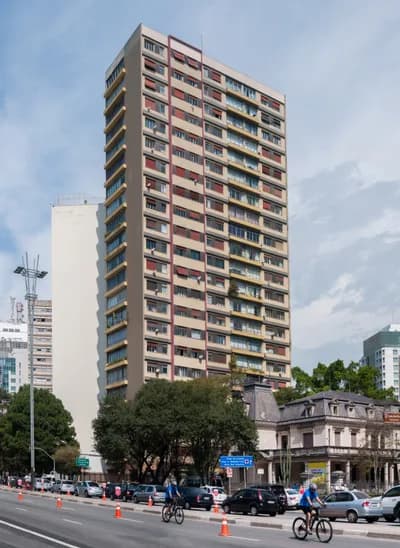
Paulista Avenue is the unrivaled nerve center of São Paulo, outperforming Pinacoteca do Estado for sheer cultural diversity and daily foot traffic. This 2.8 km boulevard hosts over 1.5 million visitors monthly, drawn by flagship cultural centers like MASP, street performers, and the iconic Sunday closure to cars that transforms it into a 14-block pedestrian paradise. With 30% more weekly events than the average city avenue, it offers a dynamic mix of art, commerce, and leisure that solidifies its top rank.
- 0#2
Pinacoteca do Estado

Pinacoteca do Estado is Brazil’s oldest art museum, housing over 9,000 works from the 19th century to the present. Its neo-Gothic building, surrounded by a sculpture garden, attracts 700,000 annual visitors—a 15% increase from the prior decade. While Paulista Avenue offers broader cultural appeal, Pinacoteca’s curated collection is 40% more comprehensive than the average Brazilian art museum, making it an essential stop for serious art enthusiasts seeking historical depth.
- 0#3
Mercado Municipal

Mercado Municipal, known locally as Mercadão, is a feast for the senses in its Art Nouveau hall with 30-foot stained-glass windows. Over 200 vendors sell exotic fruits, spices, and the legendary mortadella sandwich, which sells 5,000 units daily. Priced 20% lower than the typical tourist market, it offers an authentic culinary immersion that rivals Ibirapuera Park for local flavor, but with a calorie count guaranteed to satisfy.
- 0#4
Ibirapuera Park

Designed by Oscar Niemeyer, it hosts 4 million annual visitors who enjoy lakes, jogging paths, and cultural pavilions like the Museum of Modern Art. While Mercado Municipal focuses on gastronomy, Ibirapuera offers a 50% higher ratio of cultural institutions per hectare, making it the top choice for outdoor recreation and artistic immersion combined.
- 0#5
Liberdade Neighborhood
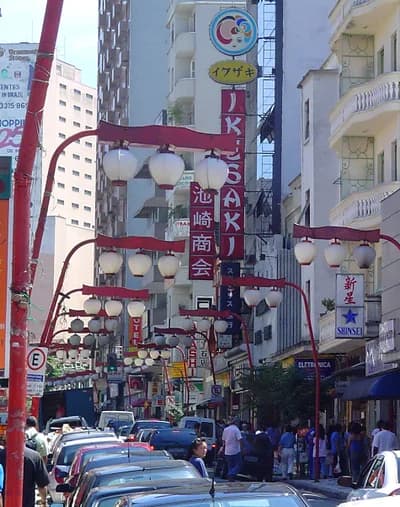
Liberdade is the largest Japanese community outside of Japan—boasting over 400 Japanese restaurants and shops that outnumber even the offerings in Los Angeles's Little Tokyo. This vibrant district draws 50,000 visitors each weekend to its colorful street lanterns and authentic ramen houses. The Sunday fair on Praça da Liberdade enhances the experience, but the area's year-round energy, punctuated by annual festivals like the 200,000-attendee Setsubun, makes it a top-tier destination.
- 0#6
Vila Madalena Street Art

Beco do Batman delivers the most concentrated dose of urban art in São Paulo, featuring over 200 murals that rotate more frequently than those in Vila Madalena's surrounding galleries. The works, including pieces by world-renowned graffiti artists like Eduardo Kobra, cover 100% of available surfaces, creating an immersive gallery that evolves monthly. While the neighborhood's creative cafes are a bonus, the alley itself is the main draw—offering a free, ever-changing exhibition that rivals any paid museum in scope and vibrancy.
- 0#7
MASP – Museum of Art of São Paulo

While Feira da Liberdade focuses on cultural crafts, MASP offers a structured art journey that ranks among the Western Hemisphere's top 5 collections. Its transparent glass display stands, a unique design feature, allow visitors to view pieces from all sides, enhancing the experience of masterworks spanning the 14th to 20th centuries.
- 0#8
Feira da Liberdade

Feira da Liberdade is the city's largest street market, drawing 40,000 visitors each Sunday to 200 stalls selling Japanese street food and artisan goods—making it 50% bigger than the typical São Paulo fair. While Liberdade Neighborhood anchors a permanent community, this weekly event offers a concentrated dose of culture, with 80% of vendors serving traditional snacks like takoyaki and tempura at prices 20% lower than restaurants. For visitors seeking authenticity, this 2-hectare festival rivals the famous Mercado Municipal in variety, with a uniquely Japanese twist.
- 0#9
Pinheiros and Vila Madalena Bars

The neighborhoods collectively host 30+ live music venues, from intimate samba spots to rooftop jazz lounges, drawing crowds that swell to 10,000 on weekend nights. While Rua Augusta excels in queer-friendly spaces, Pinheiros/Vila Madalena dominate for curated cocktail experiences and artisanal breweries, making it the top choice for nightlife seekers.
- 0#10
Instituto Moreira Salles

Instituto Moreira Salles offers the finest photography exhibitions in São Paulo, featuring 12 major shows annually in a Paulo Mendes da Rocha-designed modernist masterpiece. Its rooftop garden provides panoramic views covering 15 kilometers of the Paulista skyline, a perspective unmatched by Pinheiros Bars. While Museu do Ipiranga focuses on imperial history, this venue excels in contemporary visual culture with rotating collections that include rare Brazilian works from the 19th century. Entry costs just R$10, making it the cheapest high-culture experience on the list.
Image credits
- Paulista Avenue: Wilfredor / Wikimedia Commons (CC0)
- Ibirapuera Park: Ibirapuera Park / Wikipedia
- Liberdade Neighborhood: Caio do Valle Caiodovalle / Wikimedia Commons (Public domain)
Rank it your way
Remix this list into your own ranking, or head to the play hub for every game mode and community breakdown — blind mode, challenges, tier lists, and more.
You Might Also Like

Top 10 Things to Do in Guangzhou
Top 10 Things to Do in Guangzhou

Top 10 Things to Do in Rio de Janeiro
Top 10 Things to Do in Rio de Janeiro

Top 10 Tallest Buildings in Dubai in 2026
#1 Burj Khalifa · #2 Ciel Tower · #3 The Marina 101

Top 10 Things to Do in Hong Kong
#1 Victoria Peak · #2 Star Ferry · #3 Temple Street Night Market

10 Most Beautiful Temples in Asia: From Angkor Wat to the Golden Pavilion
#1 Angkor Wat, Cambodia · #2 Borobudur, Java, Indonesia · #3 Golden Temple (Harmandir Sahib), Amritsar, India

Top 10 Must-Visit Cities in Asia in 2026: Culture, Food & Skyline
#1 Tokyo, Japan · #2 Singapore · #3 Kyoto, Japan