
Ken Lund from Reno, Nevada, USA / Wikimedia Commons (CC BY-SA 2.0)
Top 10 Most Spectacular National Parks in the USA
The United States protects over 63 national parks covering 85 million acres of wilderness, from Arctic tundra to tropical reefs. These 10 parks stand out for their geological wonders, biodiversity, and transformative visitor experiences, drawing a combined 60 million visitors annually.
Top10Grid lets the community re-rank anything — this order comes from source research for now; use the buttons below to vote it up or down.

Current Rankings
- 0

Carved by the Colorado River over 5 to 6 million years, the Grand Canyon stretches 277 miles long, up to 18 miles wide, and reaches 1 mile deep in Arizona. Established in 1919, it draws over 6 million visitors annually, which is 30% more than Yellowstone, and exposes nearly 2 billion years of Earth's geological history in its layered rock walls.
- 0

Established in 1872 as the world's first national park, Yellowstone sits atop one of Earth's largest active supervolcanoes and contains over 10,000 geothermal features. Its Old Faithful geyser erupts approximately every 90 minutes, drawing 4.5 million visitors annually to Wyoming, Montana, and Idaho. This is slower than the average eruption interval for Steamboat Geyser, which erupts every 3 to 10 days.
- 0

Located in California's Sierra Nevada, Yosemite protects 1,169 square miles of dramatic granite landscapes including El Capitan (3,000 ft vertical face), Half Dome, and some of the world's tallest waterfalls. Ansel Adams' photographs taken here between the 1930s and 1960s are widely credited with building public support for national park preservation. Yosemite's 2,425-foot Yosemite Falls is 65% taller than the Grand Canyon's Havasu Falls at 100 feet.
- 0

Utah's first national park features towering Navajo sandstone cliffs rising 2,000 feet above the Virgin River canyon floor. The Angels Landing trail — a 5.4-mile round trip with chains bolted into sheer cliff faces — receives over 1 million hikers annually, which is 20% fewer than the number of hikers on the Bright Angel Trail in Grand Canyon, making it one of America's most exhilarating and challenging hikes.
- 0
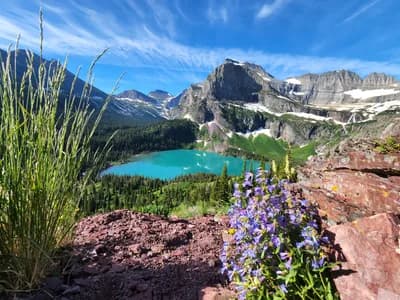
Known as the Crown of the Continent, this Montana park encompasses one million acres of pristine Rocky Mountain wilderness with 700 miles of trails and 762 lakes. It contained 150 glaciers at founding in 1910; today only about 25 remain, a 83% decline that makes it a living record of climate change across North America's most biodiverse mountain ecosystem.
- 0

Located near Moab, Utah, Arches protects over 2,000 natural sandstone arches—the largest concentration on Earth, surpassing Canyonlands National Park's 200 arches by a factor of ten—including the iconic Delicate Arch, a 52-foot freestanding span featured on Utah license plates. The park receives 1.8 million visitors annually across its 76,519 acres of red rock desert landscape, a 40% increase from 2010.
- 0
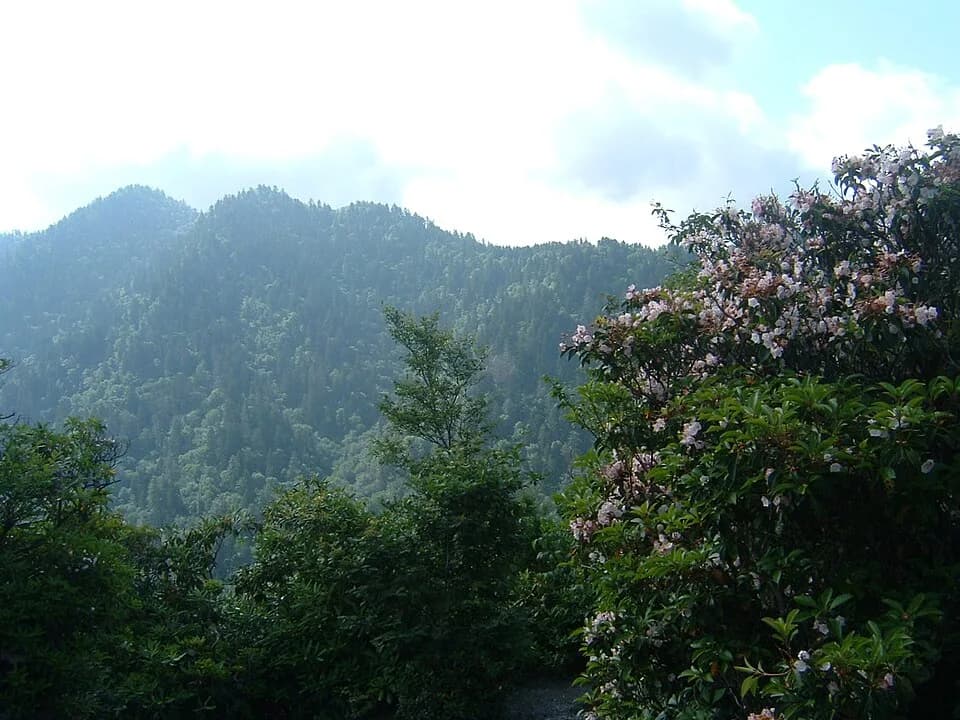
The most visited national park in America with 13 million visitors annually—double that of Grand Canyon National Park's 6 million—the Smokies straddle the Tennessee-North Carolina border across 522,427 acres of ancient Appalachian forest. It is a UNESCO World Heritage Site protecting more tree species than all of northern Europe, with 19 peaks exceeding 6,000 feet elevation.
- 0

Washington State's park uniquely encompasses three distinct ecosystems within 922,651 acres: glacier-capped Olympic Mountains, old-growth temperate rainforest receiving 140 inches of rain annually, and 73 miles of wild Pacific coastline. Designated a UNESCO Biosphere Reserve in 1976, it is home to 8 endemic species found nowhere else on Earth.
- 0
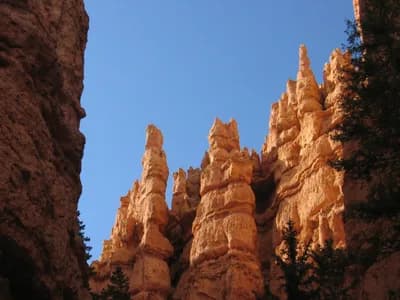
Despite its name, Bryce Canyon is not a canyon but a series of natural amphitheaters carved from the Paunsaugunt Plateau in Utah. It contains the world's largest collection of hoodoos — spire-shaped rock formations in pink, orange, and white — and at 8,000 feet elevation offers some of the darkest night skies in the continental United States.
- 0
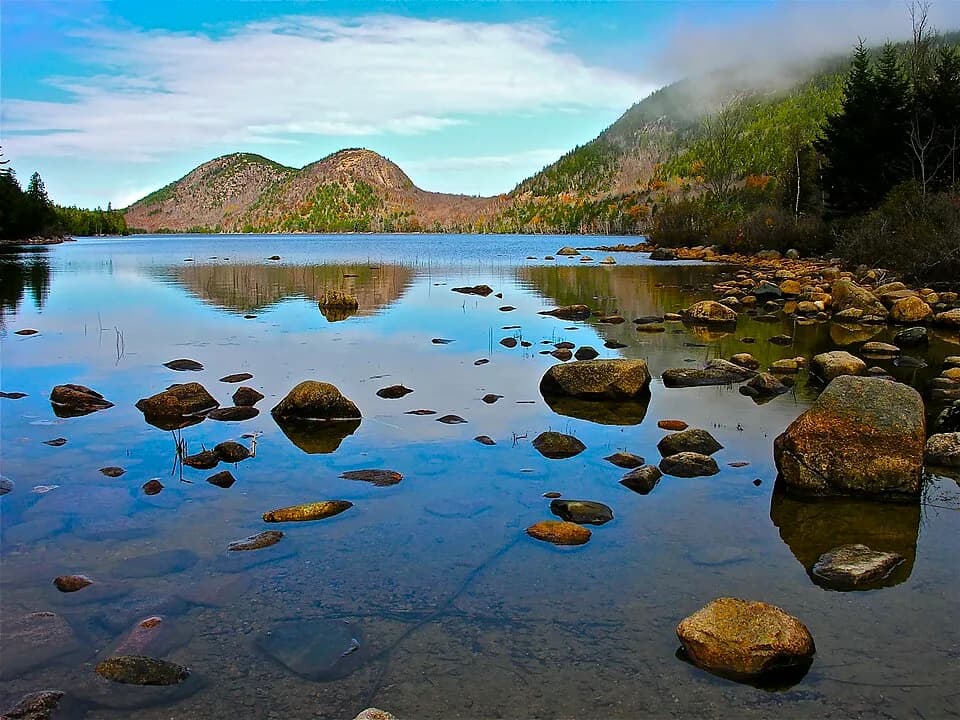
Maine's only national park, Acadia protects 49,000 acres of rocky Atlantic coastline on Mount Desert Island, including Cadillac Mountain — at 1,530 feet, the first place in the eastern United States to see sunrise from October through March. The park draws 4 million visitors annually to its mix of granite peaks, dense forest, and dramatic ocean cliffs.
Image credits
- Grand Canyon National Park: Wikimedia Commons
- Yellowstone National Park: Wikimedia Commons
- Yosemite National Park: Wikimedia Commons
- Zion National Park: Wikimedia Commons
- Glacier National Park: Heather R / Pexels
- Arches National Park: Wikimedia Commons
- Great Smoky Mountains National Park: WIKIMEDIA_MIRRORED
- Olympic National Park: Wikimedia Commons
- Bryce Canyon National Park: “Jon Zander(digon3)” / Wikimedia Commons (CC BY-SA 3.0)
- Acadia National Park: WIKIMEDIA_MIRRORED
Rank it your way
Remix this list into your own ranking, or head to the play hub for every game mode and community breakdown — blind mode, challenges, tier lists, and more.
You Might Also Like

Top 10 Most Spectacular National Parks in the World
Top 10 Most Spectacular National Parks in the World

Top 10 Most Beautiful National Parks in the World
Top 10 Most Beautiful National Parks in the World

Top 10 Most Underrated National Parks in the USA
Top 10 Most Underrated National Parks in the USA

Top 10 African Travel Destinations
#1 Cape Town, South Africa · #2 Marrakech, Morocco · #3 Zanzibar, Tanzania

Top 10 Best Cities to Visit in Asia
#1 Tokyo, Japan · #2 Bangkok, Thailand · #3 Singapore

Top 10 Things to Do in Chicago
#1 Cloud Gate (The Bean) · #2 Art Institute of Chicago · #3 Chicago Architecture Boat Tour