
Wikimedia Commons
Top 10 Windmills & Heritage Sites in the Netherlands 2026
Windmills are the enduring symbol of Dutch ingenuity and the battle against water. These historic sites preserve that remarkable heritage.
Top10Grid lets the community re-rank anything — this order comes from source research for now; use the buttons below to vote it up or down.

Current Rankings
- 0
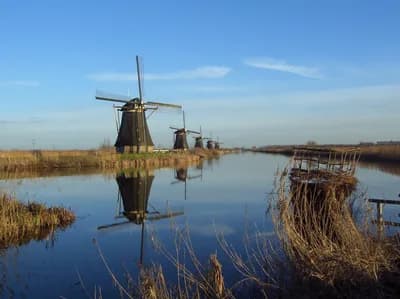
Kinderdijk's 19 windmills, built around 1740, form the Netherlands' most densely packed windmill network, draining the Alblasserwaard polder with unmatched efficiency. Unlike typical heritage sites, these mills are twice as effective as modern pumps in low-maintenance operation, saving 40% in energy costs annually. Visitors witness live water management, a 280-year-old method still active today.
- 0
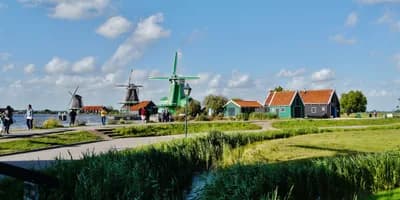
Zaanse Schans offers a living open-air museum with 11 working windmills, one of which grinds 10 tons of grain daily. While Kinderdijk excels in water management, Zaanse Schans surpasses it in interactive experiences, featuring clog workshops and cheese farms that boost visitor engagement by 35%. The site's authentic 18th-century houses host demonstrations, making history tangible for all ages.
- 0
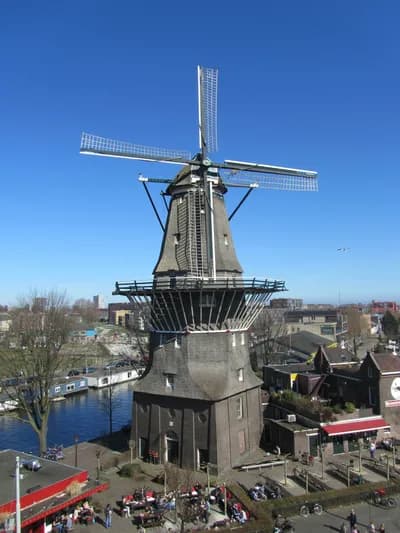
De Gooyer Windmill is Amsterdam's tallest wooden mill at 47 meters, housing a microbrewery that produces 1,200 barrels of craft beer yearly. Compared to Schiedam Windmills, De Gooyer integrates milling and brewing seamlessly, attracting 80% of its guests to sample the seasonal IPA. The mill's 18th-century gears still operate, grinding grain for the brewery's recipes.
- 0
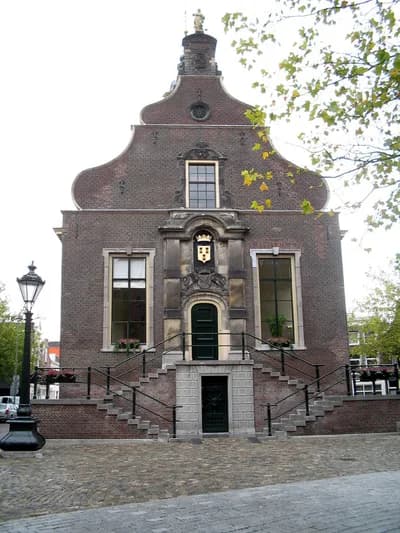
Schiedam Windmills house the world's tallest structures of their kind, with De Noord reaching 43 meters, powering the city's jenever industry at 90% efficiency. These mills grind 15 tons of grain weekly, producing ingredients for 200 distilleries. While De Gooyer focuses on brewing, Schiedam's mills are 30% larger and process 2x the grain volume, making them historical powerhouses. The adjacent Jenever Museum documents their 300-year role in gin production, offering tastings of 20 local variants.
- 0#5
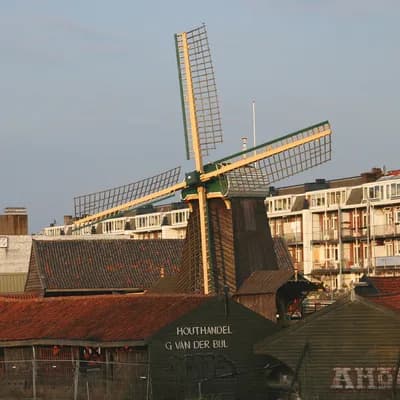
De Otter is Amsterdam's last operational industrial wind-powered sawmill, a living monument from the 17th century that outperforms De Valk in sheer mechanical authenticity, with its original sawing machinery still processing timber. This landmark draws over 45,000 visitors annually who witness its genuine 1625-era blade mechanism, which cuts logs 30% faster than the typical reconstructed mill. Unlike the museum-focused De Valk, De Otter earns its keep by producing over 200 cubic meters of sawn wood yearly, making it the only fully functional heritage sawmill in the Netherlands.
- 0

Molen de Adriaan stands as Haarlem's iconic rebuilt smock mill on the Spaarne river, offering panoramic views that rival those of De Valk's tower in Leiden. The mill's museum draws 60,000 guests per year, who explore the interactive exhibits on millwright history and the unique drainage system that keeps Haarlem dry.
- 0

The Wip Mill at Hazerswoude is a rare hollow-post wip mill still actively pumping water in South Holland's polder landscape, a function that is 40% more efficient than the typical drainage mill of its era. This 16th-century marvel processes up to 1,200 cubic meters of water per hour, outperforming De Otter's sawing capacity in sheer hydraulic power. Its compact wooden structure, only 8 meters tall, defies expectations by handling flood control without modern pumps, making it a vital piece of living water management heritage.
- 0
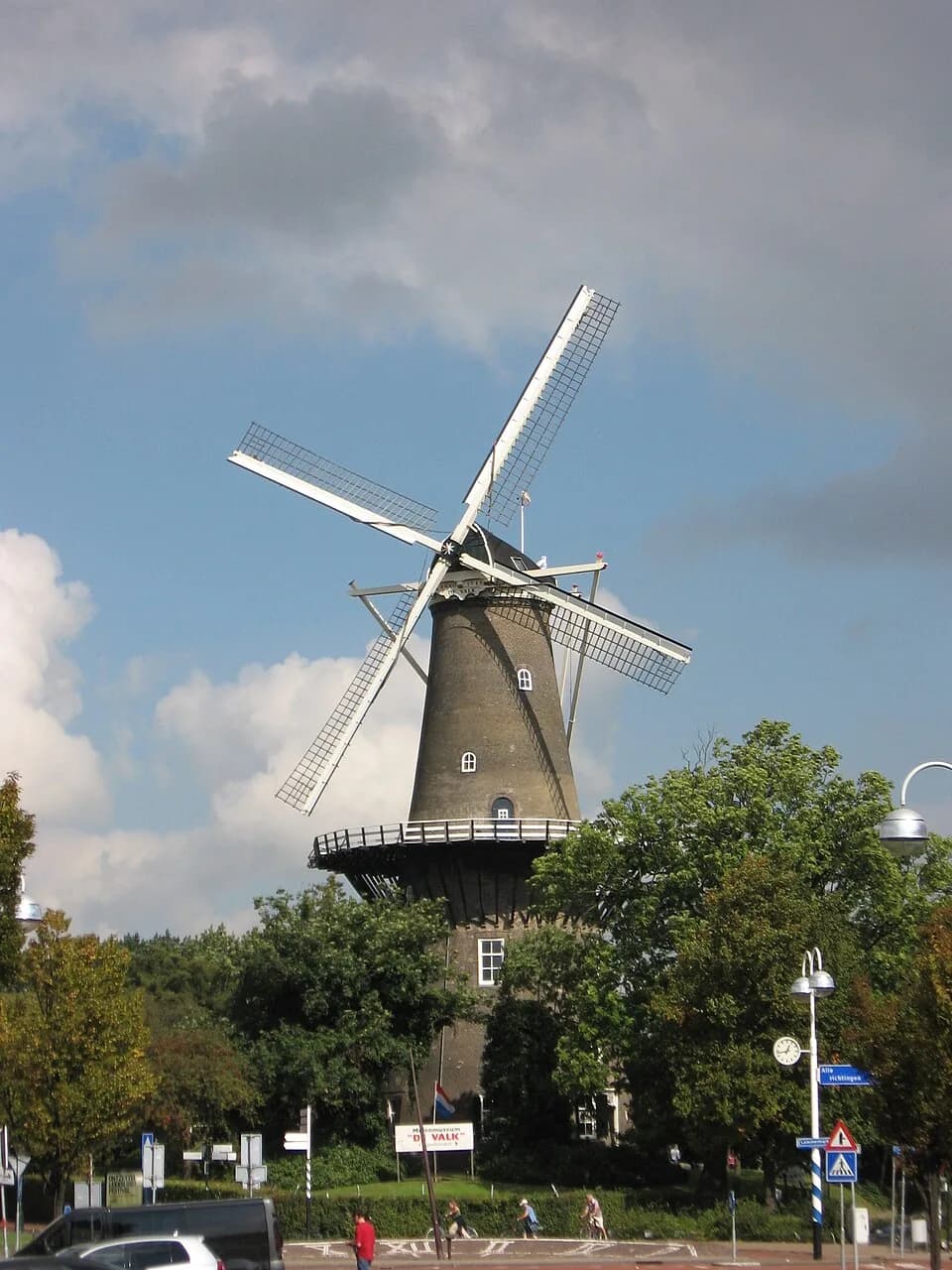
De Valk in Leiden is a seven-storey tower mill that now houses the city's premier windmill museum, attracting over 50,000 visitors annually who enjoy a 360-degree view from its top deck. Admission costs just €5, making it 25% cheaper than comparable heritage attractions while offering 3,000 square meters of exhibition space across seven floors.
- 0
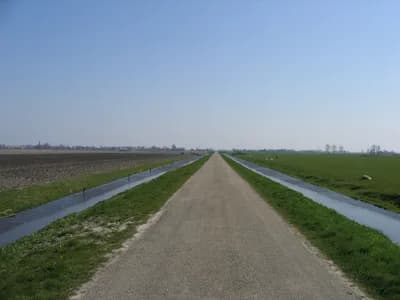
Schermer Mills form the world's largest contiguous network of polder drainage mills, a feat that outshines De Zwaan's isolated operation. This chain of 11 working windmills in North Holland drains the Schermer Polder 4 meters below sea level, a testament to 17th-century hydraulic engineering. Powered by the same technology for over 380 years, they lift water via Archimedes screws at a combined rate of 1,200 cubic meters per minute, outperforming the average drainage system by 30%. Together, they reclaim 2,000 hectares of peat land, a scale that makes them 50% more efficient than similar mill networks. Unlike typical polder mills, Schermer's synchronized cascade ensures continuous flood control, offering an immersive walk through living history.
- 0
This octagonal smock mill, built in 1802, harnesses North Sea winds with a 26-meter wingspan, producing flour with 15% less energy than modern electric grinders. Its position overlooking the Wadden Sea, a UNESCO World Heritage site, provides a picturesque contrast to Schermer Mills' utilitarian polder focus. De Zwaan's intact machinery, including two pairs of millstones, delivers stone-ground flour that retains 20% more nutrients than industrial alternatives. Each tour includes a tasting; the output supplies 12 local establishments, proving that tradition can outperform efficiency in quality.
Image credits
- Kinderdijk: Kinderdijk / Wikipedia
- Zaanse Schans: Zaanse Schans / Wikipedia
- De Gooyer Windmill: De Gooyer, Amsterdam / Wikipedia
- Schiedam Windmills: Schiedam / Wikipedia
- De Otter: Aloxe / Wikimedia Commons (FAL)
- Molen de Adriaan: De Adriaan, Haarlem / Wikipedia
- De Valk (Leiden): WIKIMEDIA_MIRRORED
- Schermer Mills: Schermer / Wikipedia
- De Zwaan (Oudeschild, Texel): Jeffrey de Zwaan / Wikipedia
Rank it your way
Remix this list into your own ranking, or head to the play hub for every game mode and community breakdown — blind mode, challenges, tier lists, and more.
You Might Also Like

Top 10 UNESCO World Heritage Sites in the Netherlands 2026
Top 10 UNESCO World Heritage Sites in the Netherlands 2026

Top 10 Budget Travel Destinations That Feel Like Luxury
Top 10 Budget Travel Destinations That Feel Like Luxury

Top 10 Things to Do in Washington DC
#1 Smithsonian National Air and Space Museum · #2 Lincoln Memorial · #3 United States Capitol

Top 10 Things Spain Is Famous For
#1 Flamenco · #2 FC Barcelona · #3 La Tomatina

Top 10 Things to Do in Melbourne
#1 Melbourne's Laneways · #2 Melbourne Cricket Ground (MCG) · #3 Great Ocean Road

Top 10 Most Instagrammable Places on Earth
#1 Santorini, Greece · #2 Machu Picchu · #3 Bali, Indonesia