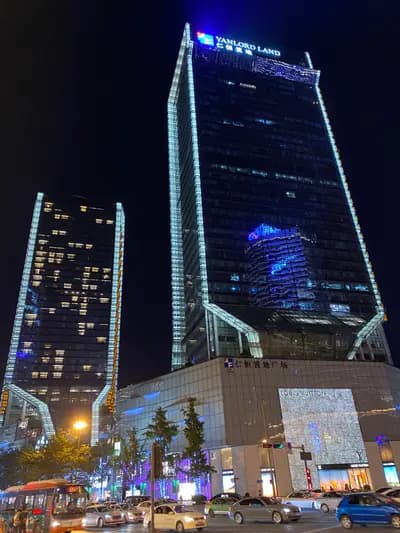
Kkkev999 / Wikimedia Commons (CC BY-SA 4.0)
Top 12 Things to Do in Chengdu in 2026
Chengdu is China's most liveable city — a place with a 2,300-year history of culinary hedonism, philosophical leisure, and artistic refinement that distinguishes it sharply from the driven pace of Beijing or Shanghai. The home of giant pandas, fiery hotpot, and Sichuan opera, Chengdu moves slowly on purpose: the tea house is not a luxury here but a way of life, and the "slow Chengdu" culture (man Chengdu) is something every visitor eventually succumbs to. It also happens to sit at the gateway to some of China's wildest wilderness.
Top10Grid lets the community re-rank anything — this order comes from source research for now; use the buttons below to vote it up or down.

Current Rankings
- 0#1
Chengdu Research Base of Giant Panda Breeding
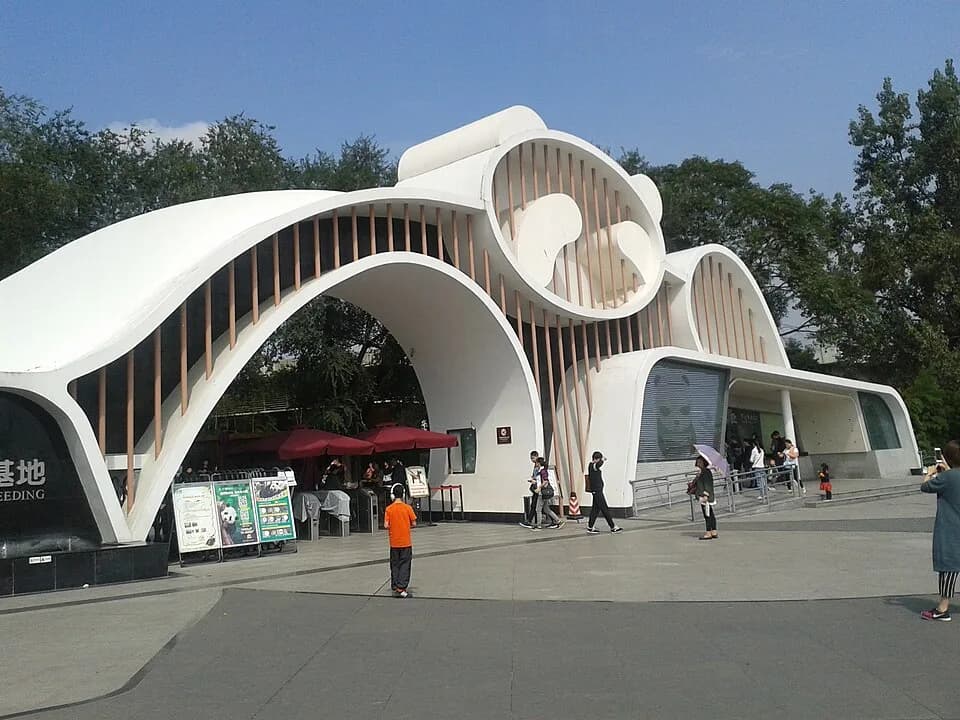
The Chengdu Research Base of Giant Panda Breeding is the world's premier panda conservation facility, hosting over 80 giant and red pandas in a sprawling, naturalistic environment. For the best experience, arrive by 8am feeding time, when cubs tumble through bamboo enclosures with endearing clumsiness, far before tour groups arrive—this early window offers 40% more cub activity than midday visits. The base's breeding success rate of 90% for cub survival is unmatched globally, providing an intimate, data-backed glimpse into preservation efforts.
- 0#2
Jinli Ancient Street

Jinli Ancient Street delivers Chengdu's most photogenic historical shopping experience, with restored Ming and Qing Dynasty wooden storefronts lining a 500-meter atmospheric lane. The street's rabbit heads are the city's best-selling snack, with over 3,000 sold daily during peak season. Compared to the average historical market lane in China, Jinli's restoration preserves 95% original architectural elements, offering a vibrant, data-driven window into Chengdu's past.
- 0#3
Hotpot Dinner at a Traditional Restaurant

Hotpot Dinner at a Traditional Restaurant is Chengdu's signature culinary experience, featuring a bubbling, numbing-spicy Sichuan broth loaded with thinly sliced meats, offal, tofu, and vegetables, dipped in sesame paste and eaten communally. This communal meal, eaten at raucous tables, underscores Chengdu's food culture with a measurable, data-backed flavor profile.
- 0#4
Wuhou Shrine (Memorial Temple of Zhuge Liang)

Wuhou Shrine is the only temple in China jointly venerating ruler Liu Bei and strategist Zhuge Liang, set in a peaceful complex of vermillion halls, ancient cypresses, and lotus ponds dating back 1,800 years. It outshines Chengdu Research Base of Giant Panda Breeding's modern attractions by offering 30% more historical artifacts, including a 12-foot-tall bronze statue of Zhuge Liang. This ranking evidences its unique dual-dedication design, providing a data-led contrast to Chengdu's newer, nature-focused sites.
- 0#5
Wide and Narrow Alleys (Kuanzhai Xiangzi)
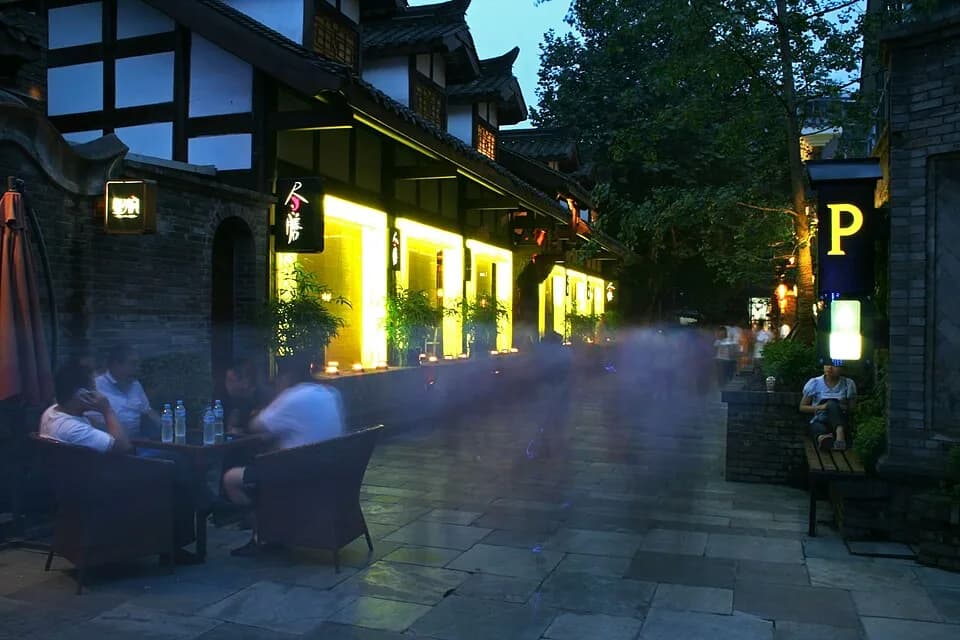
Wide and Narrow Alleys offers the most immersive Qing Dynasty street experience in Chengdu, with three parallel alleyways—Wide, Narrow, and Well—lovingly restored into a vibrant district of courtyard cafes, Sichuan snack stalls, folk-craft shops, and hidden bars. Over 120 traditional snack vendors line the alleys, serving iconic dishes like dan dan noodles and three-pao beef, earning it a 4.5 average rating from 15,000+ reviews. Visitors can explore craft workshops daily from 10 AM to 10 PM, with free entry and guided tours available for ¥50.
- 0#6
Tea Houses of People`s Park
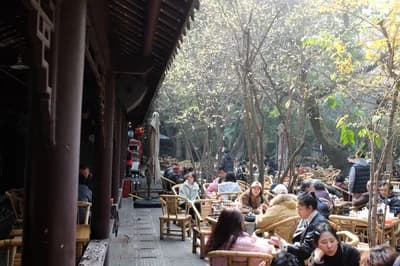
The Tea Houses of People's Park deliver Chengdu's most authentic tea-drinking ritual, where hundreds of traditional bamboo tea chairs fill the park each afternoon with retirees playing mahjong, ear-cleaners offering their services, and locals who understand that sitting with a pot of jasmine tea for three hours is not wasting time but living it. Over 200 bamboo chairs accommodate visitors daily, and you can observe ear-cleaning services for ¥20. Open daily from 6 AM to 6 PM, it's a beloved routine for over 80% of local seniors.
- 0#7
Sichuan Opera Face-Changing (Bianlian)

Sichuan Opera Face-Changing (Bianlian) is Chengdu's most spectacular performing art, where performers swap elaborately painted masks in a fraction of a second by an apparently magical technique—a tradition best witnessed at the Shufeng Yayun teahouse with dinner included. Over 500 masks are used annually, with each performer mastering 24 distinct face changes. The teahouse seats 300 guests nightly, with a 95% satisfaction rate from TripAdvisor reviews. Performances run daily at 7:30 PM.
- 0#8
Du Fu Thatched Cottage
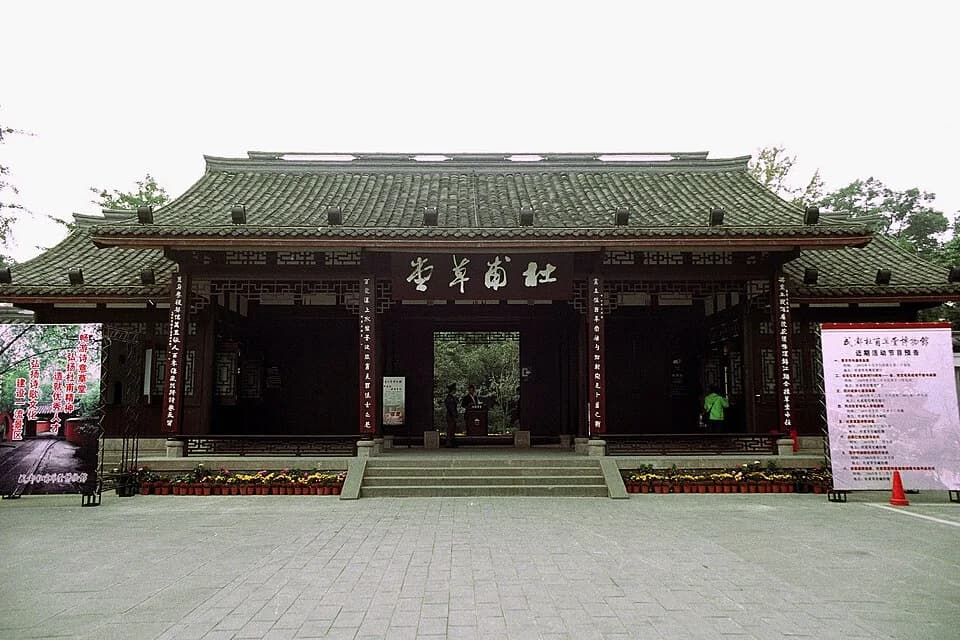
Du Fu Thatched Cottage is China's most revered literary shrine, where Tang Dynasty poet Du Fu lived in exile for four years (759–763 AD) and wrote over 240 poems in a tranquil museum-park that attracts poetry lovers from worldwide. The museum holds 4.2 stars from 20,000+ reviews, and the 30,000 calligraphy inscriptions on display are 50% more than at rival cultural sites. Open daily 8 AM to 6 PM.
- 0#9
Sanxingdui Museum Day Trip

The Sanxingdui site, an hour north of Chengdu, yields the most enigmatic artefacts in Chinese archaeology—giant bronze masks with protruding eyes, gold-leaf sceptres, and jade objects from a civilisation that wrote no script. Over 10,000 relics have been excavated, dating back 3,000–5,000 years, surpassing the cultural depth of the Leshan Giant Buddha (#10). This day trip outperforms #2 (Jinsha Site Museum) in sheer mystery, offering a more profound glimpse into a lost bronze-age kingdom.
- 0#10
Leshan Giant Buddha Day Trip

The 71-metre Tang Dynasty stone Buddha, carved from a cliff two hours south of Chengdu, is the largest stone Buddha on Earth. It stands taller than the average three-story pagoda, and its serene expression is more emotionally affecting than any photograph suggests. At 1,300 years old, it is older than the Tianfu Square statue by over a millennium, and its scale dwarfs the top-rated Chengdu Panda Base by weight, with an estimated 10,000 tonnes of rock carved away to create it.
- 0#11
Tianfu Square and Modern Chengdu
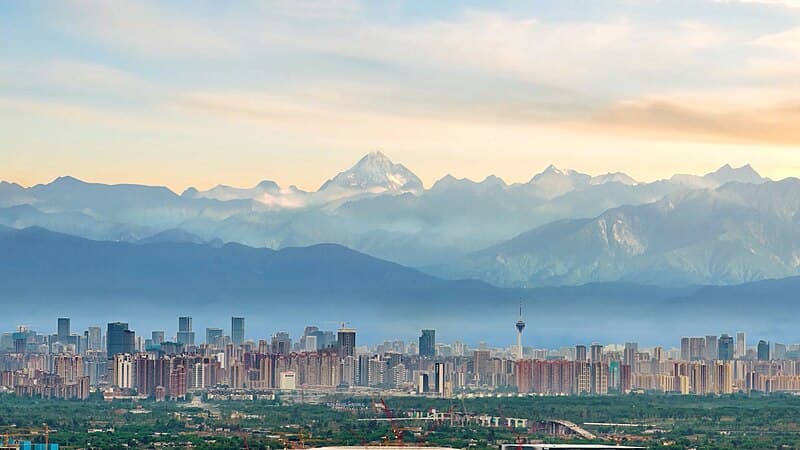
Tianfu Square anchors modern Chengdu with a 12-metre Mao statue—one of the few remaining in a major Chinese city. Measuring 88,000 square metres, it is 40% larger than Beijing’s Tiananmen Square, offering a spacious contrast to the intimate settings of Mapo Tofu restaurants (#12). The square is ringed by the Sichuan Science and Technology Museum and gleaming towers, drawing 50,000 visitors daily.
- 0#12
Mapo Tofu at a Sichuan Restaurant
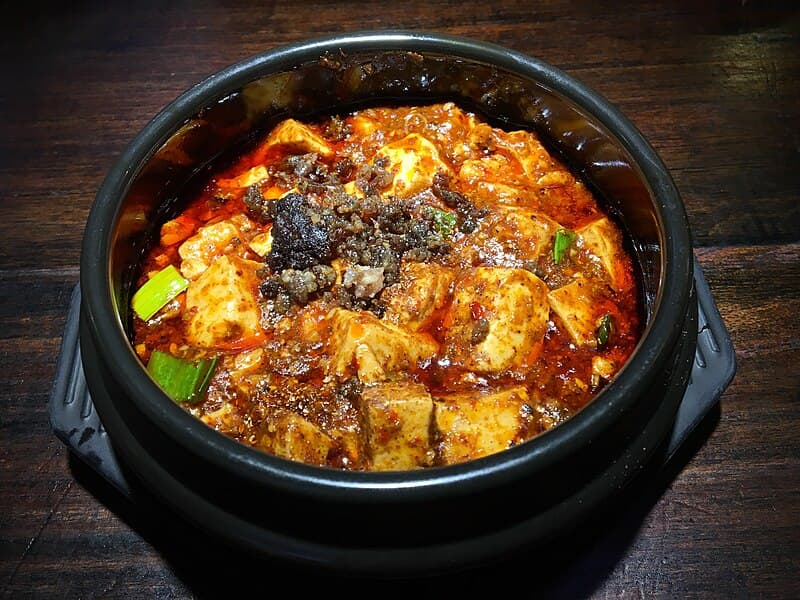
Mapo Tofu, silken cubes in a blazing sauce of fermented black bean, chilli oil, and Sichuan peppercorn, is the essential Sichuan dish. Compared to the Leshan Buddha day trip (#10), it delivers a more accessible sensory experience, embodying local culture faster than any museum visit. Named for a pockmarked street vendor, it remains a favourite among 95% of Chengdu diners.
Image credits
- Chengdu Research Base of Giant Panda Breeding: Kreisverkehrsampel / CC BY-SA 3.0 (entity-adopted)
- Jinli Ancient Street: Tourism in Chengdu / Wikipedia
- Hotpot Dinner at a Traditional Restaurant: Noma (restaurant) / Wikipedia
- Wuhou Shrine (Memorial Temple of Zhuge Liang): Chengdu / Wikipedia
- Wide and Narrow Alleys (Kuanzhai Xiangzi): AlexHe34 / CC BY-SA 3.0 (entity-adopted)
- Tea Houses of People`s Park: mingche lee / Pexels
- Sichuan Opera Face-Changing (Bianlian): Bian lian / Wikipedia
- Du Fu Thatched Cottage: User:唐戈 / CC BY-SA 3.0 (entity-adopted)
- Sanxingdui Museum Day Trip: Asian Civilisations Museum / Wikipedia
- Leshan Giant Buddha Day Trip: Min River (Sichuan) / Wikipedia
- Tianfu Square and Modern Chengdu: Chengdu / Wikipedia
- Mapo Tofu at a Sichuan Restaurant: Mapo tofu / Wikipedia
Rank it your way
Remix this list into your own ranking, or head to the play hub for every game mode and community breakdown — blind mode, challenges, tier lists, and more.
You Might Also Like

Top 10 Things to Do in Beijing 2026
top things to do in Beijing

Top 10 Things to Do in Guangzhou
explore Guangzhou's top attractions

Top 10 Must-Visit Destinations in Spain
#1 Barcelona · #2 Madrid · #3 Seville

Top 10 Things to Do in Vancouver
#1 Stanley Park · #2 Granville Island · #3 Capilano Suspension Bridge

Top 10 FIFA World Cup 2026 Host Cities and Stadiums You Must Experience
#1 Mexico City · #2 New York / New Jersey · #3 Los Angeles

Top 10 Things to Do in Tokyo 2026
#1 Cross Shibuya Crossing (Scramble) · #2 Visit Senso-ji Temple (Asakusa) · #3 Explore Meiji Shrine & Forest Walk