
Wikimedia Commons
Top 10 Thailand Beaches & Islands in 2026
Thailand's coastline stretches across two seas with hundreds of idyllic islands. These beaches and islands rank as the finest in 2026.
Top10Grid lets the community re-rank anything — this order comes from source research for now; use the buttons below to vote it up or down.

Current Rankings
- 0
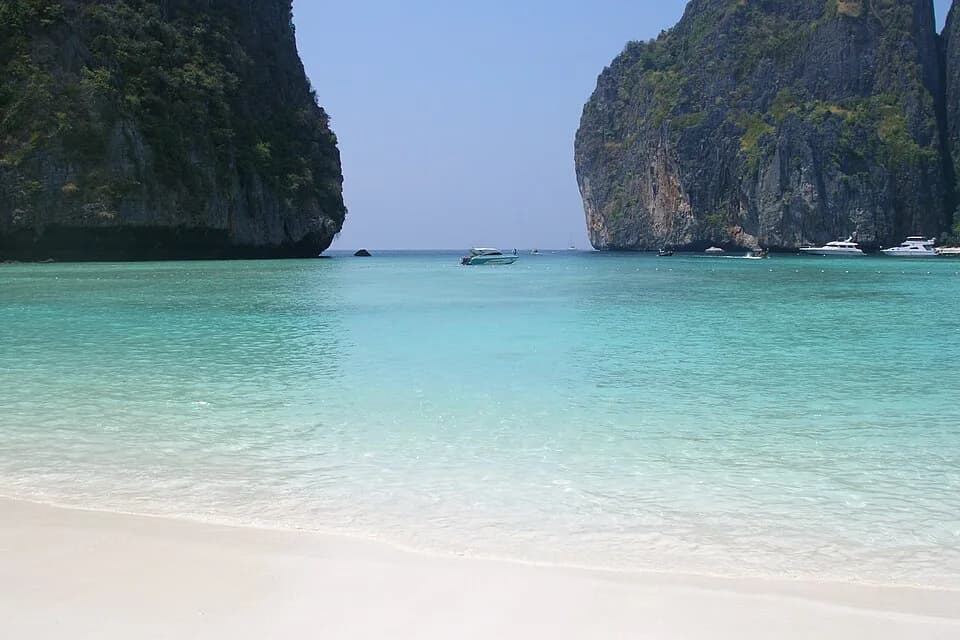
Maya Bay reclaims its throne as Thailand’s most iconic beach after a four-year closure allowed its ecosystem to regenerate. The strict cap of 300 visitors per hour—down from pre-closure crowds of 5,000 daily—ensures the powdery sand and emerald water remain pristine. Visitors now enjoy a quieter, more intimate experience, with guided swimming slots and a mandatory no-sunscreen rule to protect marine life.
- 0
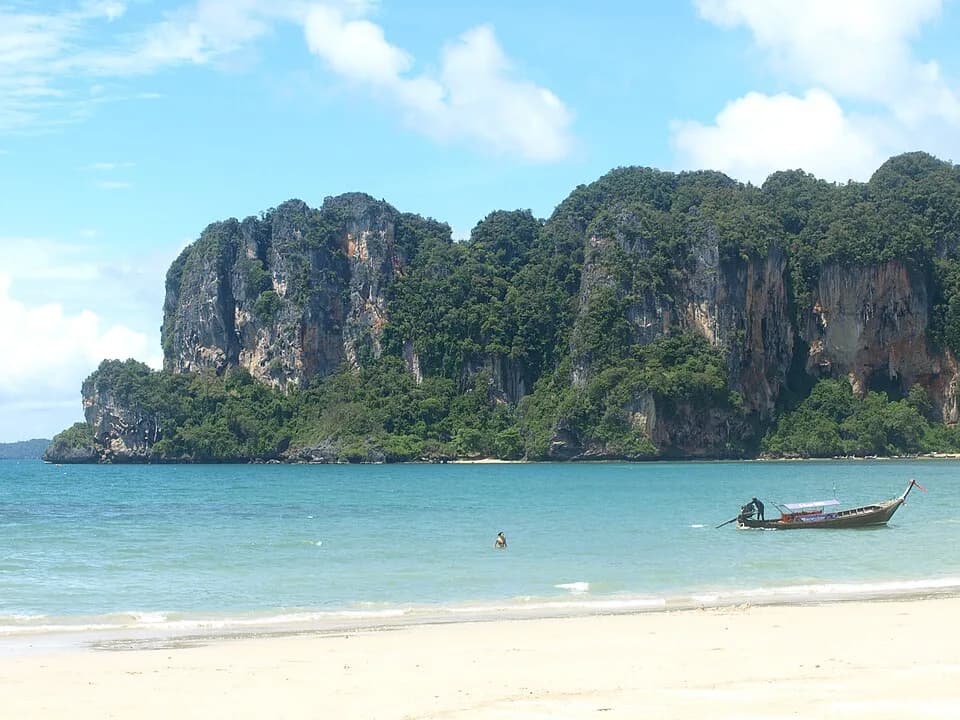
Railay Beach delivers a unique adventure as a peninsula cut off from the mainland by sheer limestone cliffs—accessible only by longtail boat. Its 72 climbing routes, ranging from beginner to expert, make it a global climbing hub, with 30% of visitors coming specifically to scale the karsts. The East and West beaches offer contrasting vibes: East for climbing, West for sunset lounging. Compared to Maya Bay’s controlled entry, Railay sees 1,200 daily visitors but feels less crowded due to its split geography.
- 0
A powder-white beach facing east with calm turquoise waters perfect for snorkeling.
- 0#4
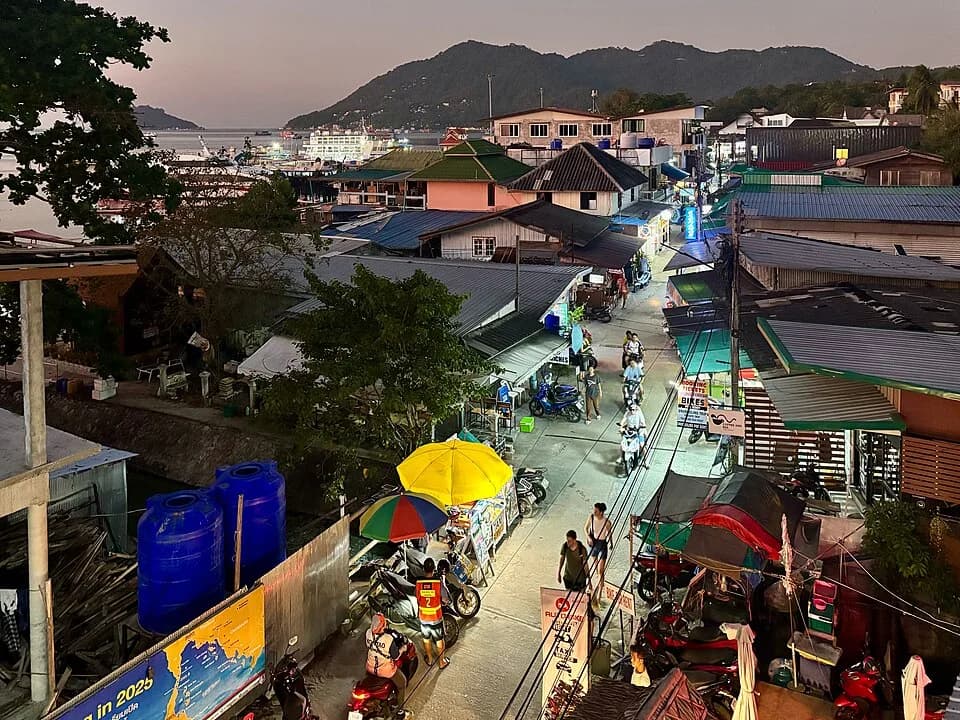
The island boasts 28 official dive sites around its granite outcrops, hosting over 200 species of coral and colorful schools of barracuda. Beyond diving, the island’s laid-back villages, like Mae Haad, offer street food for under 60 THB. With 600,000 annual visitors, it balances popularity with conservation initiatives, including a reef restoration project that has planted 10,000 coral fragments since 2023.
- 0
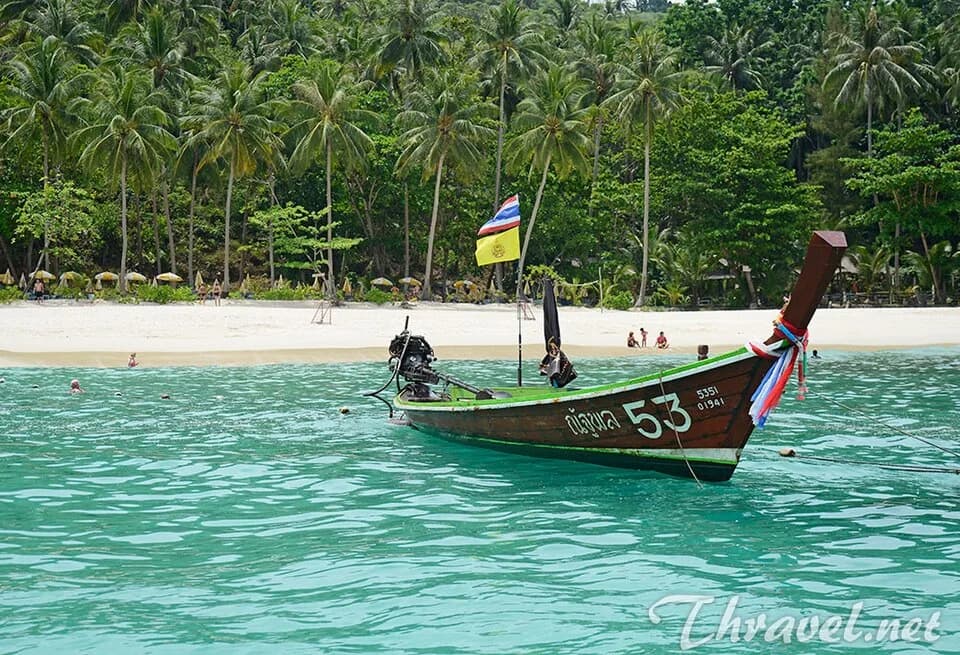
Freedom Beach offers the most exclusive seclusion of any Phuket beach, with its 200-meter crescent of powdery sand accessible only by longtail boat. The 30-minute ride from Rawai Beach rewards you with jungle-backed shores and crystal-clear water, averaging 28°C year-round. Despite its proximity to the island's main hubs, visitor numbers rarely exceed 50 at a time, ensuring a private paradise experience.
- 0#6
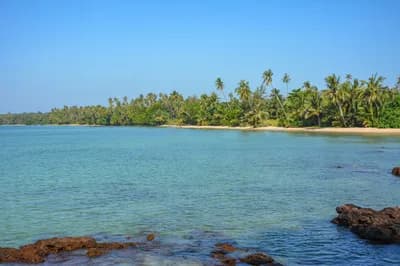
Koh Kood remains Thailand's most unspoiled inhabited island, with over 80% of its land covered in ancient rainforest. Its crown jewel, Klong Chao Waterfall, plunges 30 meters into a natural pool ideal for swimming. While Koh Lanta draws families with its developed resorts and nightlife, Koh Kood's untouched mangroves and minimal crowds attract eco-travelers seeking genuine solitude. The island's eastern beaches see fewer than 100 visitors per day, and you can kayak through miles of serene channels without encountering another soul.
- 0
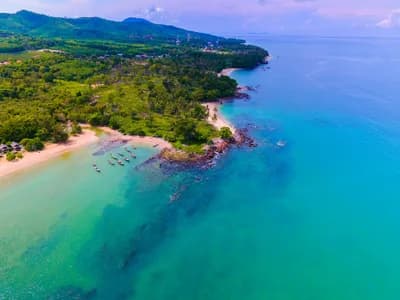
Koh Lanta delivers the perfect balance of relaxation and accessibility, with more than 30 kilometers of sandy coastline ranging from vibrant Klong Dao to peaceful Long Beach. The island's old town offers historic stilted houses and fresh seafood, where a full meal costs around 250 baht. Unlike Koh Kood's remote location requiring a one-hour ferry from Trat, Koh Lanta connects directly to Krabi and Phuket via regular ferries, making it the easiest top-tier island to reach. Families and couples alike appreciate the 500+ accommodation options and year-round sunshine.
- 0
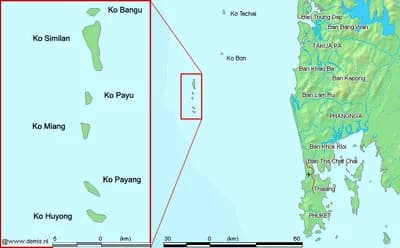
The Similan Islands offer Thailand's premier diving experience, with visibility exceeding 30 meters from October to May. Over 200 species of coral and 500 fish species thrive in these protected waters, including whale sharks and manta rays. While Koh Lanta provides excellent snorkeling from its shores, the Similans' underwater visibility surpasses it by an average of 15 meters, thanks to the national park's strict conservation rules. As a result, dive sites like Elephant Head Rock and Christmas Point rank among the world's top 10 diving destinations.
- 0
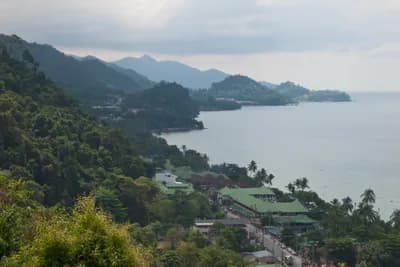
Koh Chang is Thailand’s most biodiverse island, offering over 70% forest cover and seven major waterfalls. Spanning 429 km², it’s the second-largest island in the country, yet it remains far less commercialized than Phuket or Koh Samui. The rugged interior rewards hikers with trails leading to Klong Plu Waterfall, where a 30-meter cascade drops into a natural pool. Unlike Bottle Beach (rank 10), which requires a boat for access, Koh Chang has a well-maintained road network, making exploration easy. The west coast’s White Sand Beach sees the most tourists, but east coast beaches like Lonely Beach offer quiet stretches for a fraction of the cost—expect bungalows starting at just $20 per night. With year-round warm waters averaging 28°C, it’s ideal for snorkeling and kayaking.
- 0
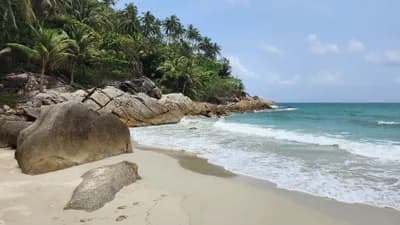
Bottle Beach is Koh Phangan’s most secluded stretch of sand, accessible only by a 25-minute long-tail boat ride or a 4-km jungle hike. This 300-meter arc of white powder is framed by granite boulders and swaying palms, with zero road access keeping the crowds thin. For adventurers, the trek from Haad Khom passes three smaller coves and offers panoramic views—a 100-meter elevation gain that takes about 45 minutes. The water here boasts 15-meter visibility during the dry season (January to March), rivaling the clarity of Koh Tao’s best spots. Accommodation is limited to a handful of eco-bungalows, starting at $30 per night, making it more affordable than the luxe resorts on Koh Chang (rank 9). This beach excels in solitude: on weekdays, you’ll often share the entire shoreline with fewer than 10 other visitors.
Image credits
- Maya Bay, Koh Phi Phi: WIKIMEDIA_MIRRORED
- Railay Beach, Krabi: Wendy Harman / CC BY 2.0 (entity-adopted)
- Koh Lipe Sunrise Beach: Ko Lipe / Wikipedia
- Koh Tao: WIKIMEDIA_MIRRORED
- Freedom Beach, Phuket: WIKIMEDIA_MIRRORED
- Koh Kood: Siamways Individualreisen / Pexels
- Koh Lanta: Humphrey Muleba / Pexels
- Similan Islands: Similan Islands / Wikipedia
- Koh Chang: Ko Chang district / Wikipedia
- Bottle Beach, Koh Phangan: Hat Khuat / Wikipedia
Related Videos
Rank it your way
Remix this list into your own ranking, or head to the play hub for every game mode and community breakdown — blind mode, challenges, tier lists, and more.
You Might Also Like

Top 10 Most Beautiful Beaches in the World (2026)
Top 10 Most Beautiful Beaches in the World (2026)

Top 10 Best Beaches in Thailand
Top 10 Thailand Beaches & Islands in 2026

Top 10 Beaches in Indonesia
Top 10 Thailand Beaches & Islands in 2026

Top 10 Beaches in Cape Town 2026
Thailand's premier beaches and island destinations

Top 10 Things to Do in Venice
#1 St Mark's Square · #2 Gondola Ride · #3 Rialto Bridge and Market

Top 10 Experiences in Jaipur
#1 Amber Fort · #2 Hawa Mahal · #3 City Palace