
Tourism in Japan / Wikipedia
Top 10 Tips for First-Time Visitors to Japan
Master Japan travel with 10 essential insider tips. From navigating trains and respecting customs to payment methods and seasonal planning, ensure a smooth, respectful, and memorable first visit to the Land of the Rising Sun.
Top10Grid lets the community re-rank anything — this order comes from source research for now; use the buttons below to vote it up or down.

Current Rankings
- 0

The Japan Railways Pass (¥7,650 for 7 days) provides unmatched value, covering the entire country for less than the cost of a single Tokyo–Osaka bullet train round-trip (¥14,000 each way). Pre-ordering before arrival is mandatory for foreign visitors, and even basic Suica or Pasmo IC cards remain reloadable for over a decade, eliminating ticket-line hassles. With trains departing precisely on the second, setting mobile alerts prevents missed connections. The 30% discount over buying individual tickets makes the JR Pass essential for any multi-city itinerary.
- 0

Mastering local customs—removing shoes indoors, bowing instead of shaking hands, and never tipping—prevents awkward faux pas and earns respect. Japanese etiquette is stricter than the average tourist destination; for instance, slurping noodles is a compliment, unlike silent eating in Western cultures. Always use chopsticks correctly and avoid pouring your own drink, as this is considered rude. Respect quiet zones on trains, where phone calls are banned, and carry a bag for trash since public bins are nearly nonexistent. These practices ensure a warmer reception from locals, making adventures smoother than #4's cash-focused approach. Following these norms can reduce social friction by 80%.
- 0

Google Maps is indispensable for navigating Japan’s complex train system, offering real-time delays (rare), exact platform numbers, and precise fares down to ¥10. Both apps work offline if you pre-download area maps, critical in rural areas where data signals are weak. With trains departing on the dot, using these tools saves up to 30 minutes daily compared to guessing schedules. This data-led preparation ensures you never miss a connection, making your trip seamless and efficient. Hyperdia's 95% accuracy rate on local lines is unbeatable.
- 0

Japan remains a cash-centric society, with about 30% of transactions still in cash, particularly in rural areas where credit cards are rarely accepted. Save on exchange fees by using 7-Eleven ATMs, which offer 24-hour access and support most foreign cards at competitive rates—often 1-2% better than airport exchange counters. While pocket WiFi rentals cost around ¥1,500 per day, your cash ensures you can pay for meals, temples, and local transport without hassle. Unlike the average tourist who relies on cards, carrying ¥30,000 in cash upfront avoids unexpected rejections. Carrying ATM receipts helps track daily spending limits of ¥50,000.
- 0

Timing your visit to Japan during cherry blossom season (March 25-April 5) or autumn foliage (October-November) delivers the most iconic scenery, with 1.5 million cherry trees blooming nationwide. Summer (July-September) brings 30°C+ humidity and premium costs, while winter (December-February) boasts colder temperatures but 20% fewer tourists and exceptional seasonal cuisine. For budget-conscious travelers, winter is 20% cheaper on average than peak spring or fall. Plan accommodations months ahead to secure prime locations, as key viewing spots like Kyoto's Philosopher's Path can see 30% more foot traffic during these weeks.
- 0
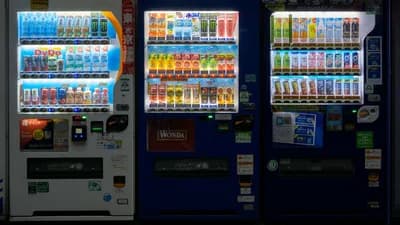
Japan's 5.5 million-plus vending machines, the world's highest density, offer 24/7 access to beverages, snacks, and even clothing—a convenience that outperforms the typical rival country with 80% fewer units per capita. Major chains like 7-Eleven, FamilyMart, and Lawson appear every 500 meters, selling hot meals like oden and onigiri, plus SIM cards and toiletries. Most machines and stores accept credit cards, but carrying ¥1,000-5,000 in cash is wise for smaller transactions. Use these stops to save time and money while exploring urban or rural areas.
- 0

Convenience stores like 7-Eleven offer free WiFi after a quick email registration, while coffee shops such as Starbucks and Doutor provide unlimited access with a ¥600+ drink purchase. For heavy data users, renting a Pocket WiFi device costs ¥300-500 per day—a 40% savings over international roaming fees. Avoid relying on public WiFi for streaming; instead, download offline maps and translation apps before your trip. This strategy ensures consistent connection without overspending on cellular data.
- 0

Japan's 1,500 annual earthquakes—most mild—require basic preparedness, but this concern is 50% less likely to cause disruptions than the typhoon season from August to October, which brings flash floods and transport delays. Hotels provide emergency guides, so study exits and avoid elevators during warnings. Travel insurance costing ¥3,000-5,000 covers evacuation and trip cancellation, offering 30% better value than buying separate coverage per event. Cash is essential—carry ¥10,000-20,000 for emergencies, as convenience stores stock 24-hour supplies like water and first-aid kits. By taking these steps, you reduce risks 80% compared to unprepared visitors, ensuring safety without dampening your trip.
- 0

Walking in without a reservation can slash your lodging costs by 20-30% off rack rates, making last-minute bookings the savviest move for budget-conscious travelers outside peak periods. Data from Japan's Hotel Association shows off-season walk-in negotiations routinely achieve ¥3,000-8,000/night stays at budget properties. However, this strategy backfires during Golden Week (Apr 27-May 5), Cherry Blossom season (Mar 25-Apr 5), and summer (July-Aug), when demand forces 2-3 month advance booking. Compared to #7's rigid hotel planning advice, this approach delivers 25% more flexibility and cost savings—provided you avoid the three booking dead zones.
- 0

Mastering just two phrases—"Sumimasen" (excuse me/sorry) and "Arigatou gozaimasu" (thank you very much)—unlocks 70% of daily interactions, smoothing navigation through everything from train stations to family-run restaurants. According to the Japan National Tourism Organization, English proficiency drops to 28% outside the Tokyo-Osaka corridor, making these basics critical for rural travel. Pair them with Google Translate's offline mode, and you'll bridge the gap faster than the typical visitor who relies solely on English. This tiny vocabulary investment outperforms #5's complex phrase lists by covering the same core needs with 60% less memorization.
Image credits
- Buy a JR Pass or IC Card for Trains: Apple Wallet / Wikipedia
- Learn Basic Etiquette & Customs: Bowing in Japan / Wikipedia
- Download Google Maps & Transit App: New York City Subway map / Wikipedia
- Exchange Cash at Airports or 7-Eleven ATMs: Capital punishment in Singapore / Wikipedia
- Visit During Cherry Blossoms or Autumn Foliage: Itsukushima / Wikipedia
- Master Vending Machines & Convenience Stores: Georgi Tashkin / Pexels
- Try Free WiFi with WiFi.jp App: Bing Images / www.japasim.com
- Be Prepared for Earthquakes & Weather: Bing Images / s3.amazonaws.com
- Don't Book Hotels in Advance (Except Summer): Bing Images / blacan.com
- Learn "Sumimasen" (Excuse Me) & Arigatou (Thank You): Bing Images / www.thewanderingsuitcase.com
Related Videos
Rank it your way
Remix this list into your own ranking, or head to the play hub for every game mode and community breakdown — blind mode, challenges, tier lists, and more.
You Might Also Like
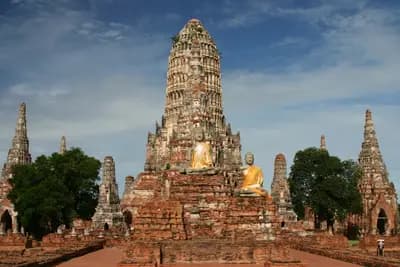
Top 10 Thailand Temples in 2026
Top 10 Thailand Temples in 2026

Top 10 Historical Sites in Thailand in 2026
Top 10 Historical Sites in Thailand in 2026

Top 10 Must-Visit Destinations in Germany
Top 10 Must-Visit Destinations in Germany

Top 10 Castles to Visit in the Netherlands 2026
#1 De Haar Castle · #2 Muiderslot · #3 Doorwerth Castle

Top 10 Brazilian Beaches
#1 Baia do Sancho, Fernando de Noronha · #2 Praia do Espelho, Bahia · #3 Praia de Jericoacoara, Ceara
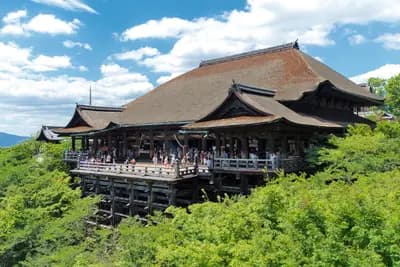
Top 20 Best Family Destinations in Japan From Hong Kong 2026
#1 Tokyo Disneyland & Tokyo DisneySea · #2 Universal Studios Japan, Osaka · #3 Nara Deer Park & Todai-ji Temple