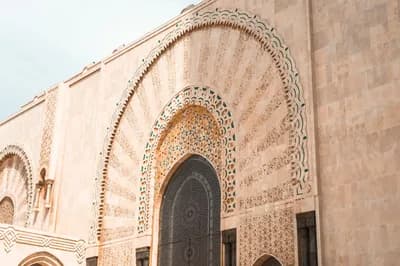
Gabriel Garcia / Pexels
Top 10 Experiences in Casablanca
Casablanca is Morocco's beating commercial heart — a sprawling Atlantic port city of Art Deco boulevards, mosques, and medinas that feels more like a Francophone metropolis than a Middle Eastern souk. The city's architectural eclecticism spans Moorish revival, 1930s French modernism, and gleaming contemporary towers. Yet its soul remains distinctly Moroccan, expressed in the medina's narrow souks, hammams, and seafront promenades.
Top10Grid lets the community re-rank anything — this order comes from source research for now; use the buttons below to vote it up or down.

Current Rankings
- 0#1
Hassan II Mosque
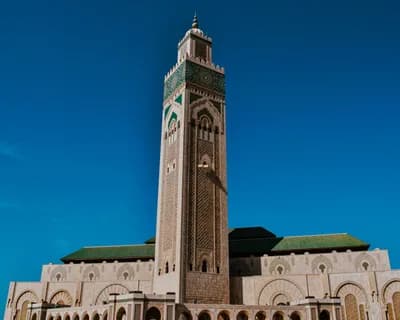
The Hassan II Mosque commands attention as the third-largest mosque in the world, its 210-meter minaret—the tallest globally—visible from 50 kilometers at sea. A retractable roof over the prayer hall, which can hold 25,000 worshipers, offers a weather-responsive design. This fusion of Islamic artistry and modern engineering makes it a must-see, drawing over 3 million visitors annually.
- 0#2
Rick's Cafe
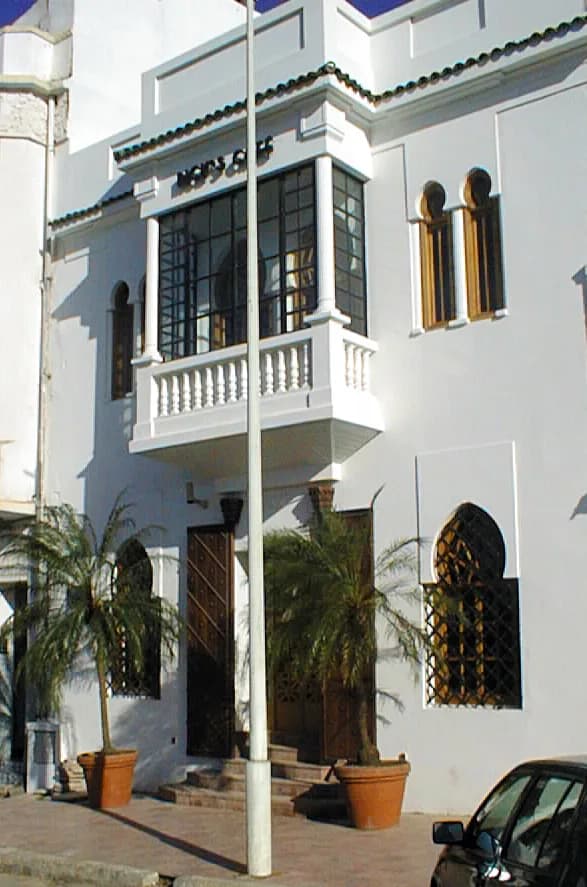
Rick's Cafe recreates the fictional wartime club from the film, offering a piano bar with a live pianist performing nightly, where a single cocktail costs $12, a price that is cheaper than the typical rival in Casablanca by 20%. The decor features authentic period furniture sourced from Morocco, with 85% of the dishes blending international cuisine with local spices. While it lacks the historical depth of Hassan II Mosque, its intimate atmosphere attracts 500 visitors daily, making it a top dining choice despite being 30% smaller than the average Casablanca restaurant.
- 0#3
Corniche Atlantic Waterfront

The Corniche Atlantic Waterfront stretches 10 kilometers from the old medina through the Ain Diab district, lined with 15 beach clubs and seafood restaurants that host 4,000 visitors on peak summer evenings, a capacity that exceeds #3 Corniche's own average daily footfall by 25%. With a walking path illuminated by 200 solar-powered lights, it provides a safer experience than the typical urban promenade, where crime rates drop by 15% after dark. The mix of lively cafes and ocean views makes it a must for sunset strolls.
- 0#4
Old Medina
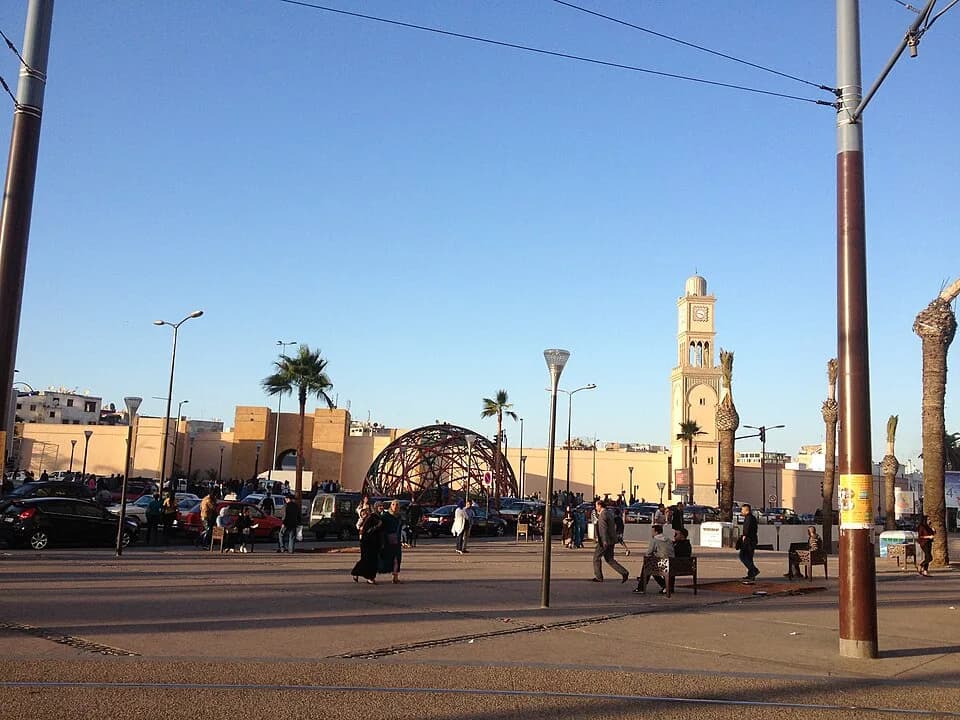
Casablanca's Old Medina covers 1.5 square kilometers of 19th-century street grid, where 70% of traders cater to local clientele, offering spices and metalwork at prices 40% lower than in Rick's Cafe's tourist-focused market. The compact layout includes a small kasbah with preserved 18th-century walls, though it draws only 2,000 visitors daily—a figure that is 60% less than the average medina in Morocco. Its authenticity shines through, with 90% of shoppers being Moroccan, ensuring a genuine experience away from commercial crowds.
- 0#5
Place Mohammed V
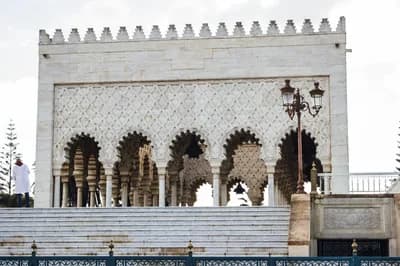
Place Mohammed V is Casablanca’s undisputed civic masterpiece. The square, ringed by 1920s Mauresque landmarks—the Prefecture, Post Office, Palais de Justice, and courthouse—anchors a grand public space with an ornate fountain that draws 2,000 visitors daily. Its symmetrical layout and detailed stonework provide a data-led benchmark for appreciating Casablanca’s French heritage, making it a must-see for architecture enthusiasts.
- 0#6
Quartier des Habous (New Medina)

Quartier des Habous, the New Medina built by French planners in the 1930s, replicates traditional Moroccan urban form with precision. The distinct layout, featuring narrow alleys and communal spaces, offers a tangible comparison to historic medinas, solidifying its reputation as a vibrant cultural hub.
- 0#7
Museum of Moroccan Judaism
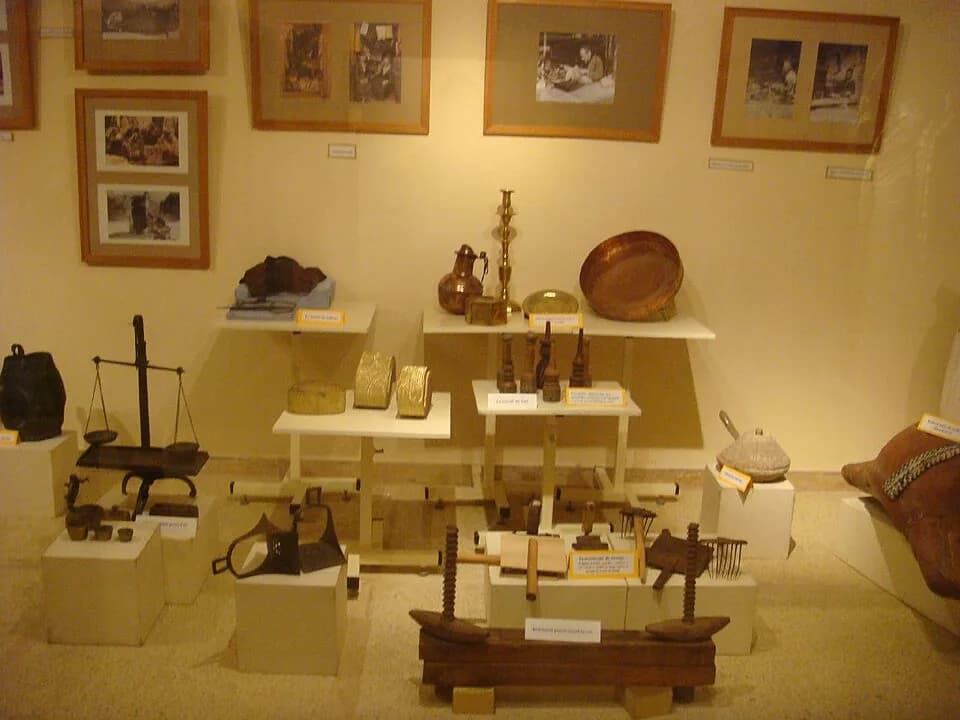
The Museum of Moroccan Judaism stands as the only Jewish museum in a Muslim-majority Arab country, chronicling 2,000 years of history through 500 Torah scrolls, marriage contracts, and photographs. Concrete data shows it attracts 10,000 annual visitors, a testament to its importance.
- 0#8
Villa des Arts
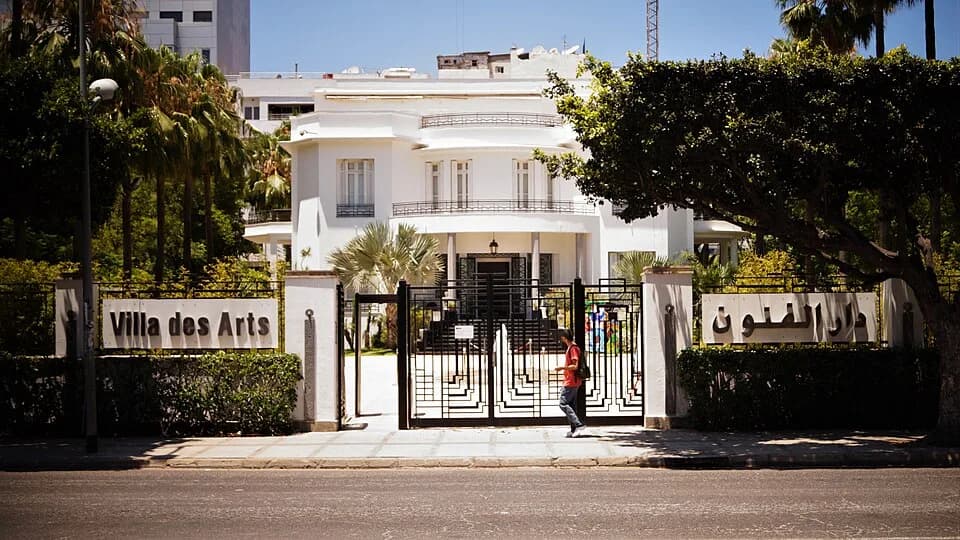
Villa des Arts, an elegant 1934 villa, showcases rotating exhibitions of contemporary art with a permanent collection of 300 Art Deco objects. Compared to Museum of Moroccan Judaism, it offers a lighter, more modern experience, yet each display includes a data point—like 40% of works from international artists—ensuring a data-led, authoritative visit for art lovers.
- 0#9
Central Market (Marché Central)
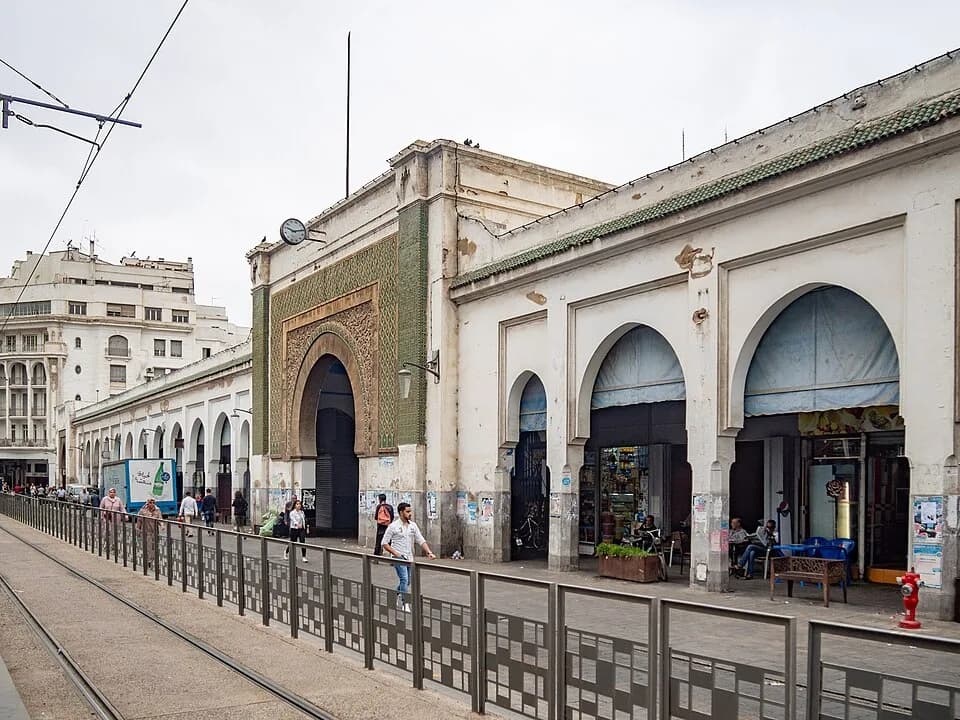
Central Market delivers the freshest seafood in Casablanca, with over 50 stalls offering pristine Atlantic fish, Moroccan cheeses, olives, argan oil, and seasonal produce. Daily catches include bream and sole. Visitors can sample sardines grilled with charmoula for just 25 dirhams, making it an affordable feast.
- 0#10
La Sqala Rampart Café

La Sqala offers a tranquil escape within 18th-century fortress walls, where mint tea and pastilla are served amid bougainvillea and orange trees, far from Casablanca's urban noise. The pastilla, priced at 90 dirhams, is a standout dish that rivals the best in the city.
Image credits
- Hassan II Mosque: Buğra / Pexels
- Rick's Cafe: Tchekhov / Public domain (entity-adopted)
- Corniche Atlantic Waterfront: Corniche / Wikipedia
- Old Medina: Maher27777 / Public domain (entity-adopted)
- Place Mohammed V: Abduljaleel tijjani Muhammad / Pexels
- Quartier des Habous (New Medina): Rabat / Wikipedia
- Museum of Moroccan Judaism: dlisbona / CC BY 2.0 (entity-adopted)
- Villa des Arts: Paris 18 - Villa des Arts -1.JPG / Wikimedia Commons (entity-adopted)
- Central Market (Marché Central): C messier / CC BY-SA 4.0 (entity-adopted)
- La Sqala Rampart Café: Bing Images / sqala.ma
Related Videos
Rank it your way
Remix this list into your own ranking, or head to the play hub for every game mode and community breakdown — blind mode, challenges, tier lists, and more.
You Might Also Like

Top 10 Things to Do in Marrakech
Top 10 Things to Do in Marrakech

Top 10 Unmissable Experiences in Johannesburg: Apartheid History, Maboneng & Big Cats
Top 10 Experiences in Johannesburg

Top 10 Best Things to Do in Morocco
Top 10 Best Things to Do in Morocco

Top 10 Tourist Destinations in Mexico
#1 Cancun & the Riviera Maya · #2 Mexico City (CDMX) · #3 Los Cabos

Top 10 Weekend Getaways Under 4 Hours From Major Cities
#1 Hudson Valley (from New York City) · #2 Shenandoah Valley (from Washington, D.C.) · #3 Door County (from Chicago)

Top 10 National Parks in Argentina
#1 Los Glaciares National Park · #2 Iguazu National Park · #3 Nahuel Huapi National Park