Wikimedia Commons
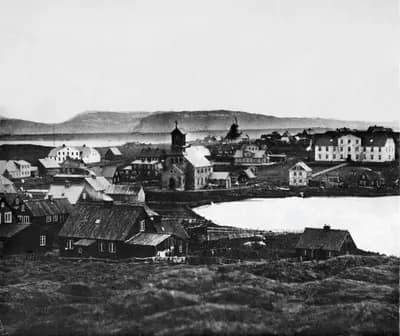
Reykjavik is the world's northernmost capital, a compact city of colorful rooftops and geothermal steam that serves as the gateway to Iceland's mind-bending volcanic landscapes. Here hot springs, midnight sun, and the Northern Lights are never far away.
Top 10 lists about this destination
Curated by our travel editors. Lived-experience picks weighted by community vote — updated as travelers report back.

Hallgrímskirkja is Reykjavik's most iconic building, a soaring Lutheran church whose 74.5-metre basalt-column-inspired tower is visible from almost everywhere in the city and is Iceland's largest church. Designed by state architect Guðjón Samúelsson in 1937 and completed in 1986, the church took 41 years to build and its stark expressionist facade deliberately evokes Iceland's dramatic volcanic geology. The tower's observation deck offers the finest panoramic views of the city, the surrounding mountains, and the sea.

Harpa Concert Hall is Reykjavik's stunning waterfront music and conference centre, opened in 2011 and winner of the EU's prestigious Mies van der Rohe Award for contemporary architecture in 2013. The building's distinctive honeycomb glass facade, designed by Danish artist Olafur Eliasson, creates kaleidoscopic reflections of sea, sky, and city light that shift dramatically throughout the day and night. It is home to the Iceland Symphony Orchestra and the Icelandic Opera, and hosts international concerts and events year-round.

The Golden Circle is Iceland's most popular day-trip route, a 300-kilometre loop from Reykjavik taking in three of the country's greatest natural wonders. It passes through Þingvellir National Park — a UNESCO World Heritage Site where the North American and Eurasian tectonic plates meet and Iceland's ancient parliament convened from 930 AD — the Geysir geothermal area, and the spectacular Gullfoss waterfall. The route can be driven independently or on organised tours departing daily from Reykjavik.

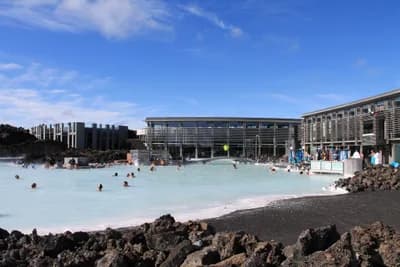
The Blue Lagoon (Bláa lónið) is Iceland's most famous geothermal spa, a vast pool of milky-blue, mineral-rich water at 38°C set amid a dramatic black lava field on the Reykjanes peninsula, about 45 minutes from Reykjavik. The water is a by-product of the nearby Svartsengi geothermal power plant, rich in silica, algae, and minerals, and has been shown to benefit skin conditions. The Blue Lagoon complex offers bathing, mud masks, in-water massages, and an award-winning restaurant, attracting over one million visitors annually.

The National Museum of Iceland (Þjóðminjasafn Íslands) tells the story of Icelandic civilisation from its Norse settlement in the 9th century to the present day through an extensive and beautifully presented collection of over 2,000 objects. Highlights include the Valþjófsstaðir door, a magnificently carved medieval church door from around 1200, and a comprehensive exhibition on the Viking settlement of Iceland with original artefacts. The museum on the Suðurgata offers an essential grounding in Icelandic history and culture.

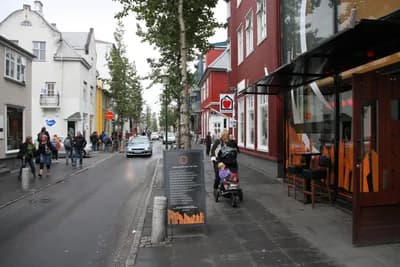
Laugavegur is Reykjavik's main shopping and social street, a lively thoroughfare in the old city centre packed with independent boutiques, Icelandic design stores, bookshops, coffee houses, and restaurants. The street's name means "hot spring road" and refers to the route women once took to wash clothes in natural hot springs outside the city. By night it becomes the spine of one of Europe's most celebrated bar and nightlife scenes, where Icelanders famously party hard through the early hours on weekends.

The Sun Voyager (Sólfar) is a striking stainless-steel sculpture by Jón Gunnar Árnason, erected on the Reykjavik waterfront in 1990 to celebrate the city's 200th anniversary. The sculpture resembles a Viking longship and was designed as an ode to the sun and a dream of hope, undiscovered territory, and progress. Set against the backdrop of Mount Esja and the North Atlantic, it is one of Iceland's most photographed landmarks and is especially spectacular at sunset and in winter when framed by Northern Lights.

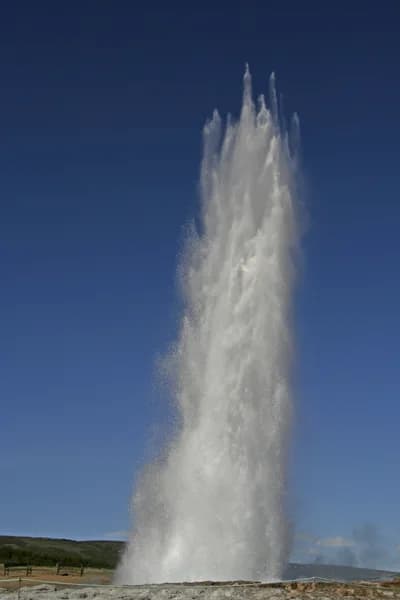
The Geysir geothermal area in the Haukadalur valley is home to the Great Geysir, the original hot spring that gave its name to all geysers around the world — from the Old Norse word "geysa" meaning "to gush." The Great Geysir has been erupting intermittently for around 10,000 years and can shoot water up to 70 metres into the air. The nearby Strokkur geyser erupts reliably every 4–10 minutes to a height of 15–30 metres and is one of Iceland's most dramatic natural spectacles.

Gullfoss, meaning "Golden Falls," is one of Iceland's most spectacular waterfalls, where the Hvítá river plunges in two stages into a 70-metre deep canyon on the Golden Circle route. The waterfall's name comes from the golden hue the glacial water takes on in certain light conditions; in winter it is dramatically framed in ice. The falls are named after Sigríður Tómasdóttir, who in the early 20th century threatened to throw herself into the gorge to stop developers harnessing the waterfall for electricity — one of the world's first acts of environmental activism.

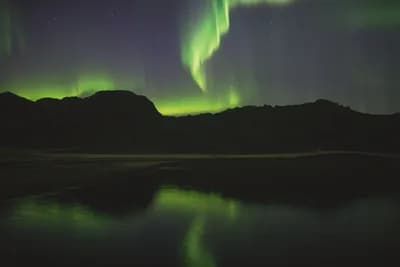
Viewing the Aurora Borealis (Northern Lights) is for many travellers the primary reason to visit Iceland, and Reykjavik offers easy access to dark skies for this celestial spectacle. The best viewing period is from September to March when nights are long and dark; the Reykjavik city council has developed a network of dark-sky viewpoints accessible by city bus. Tour operators run nightly Northern Lights excursions by super-jeep or minibus chasing clear skies, and the Aurora forecast for Iceland is published daily by the Icelandic Met Office on a scale of 1–9.
The most-voted lists across every category — curated weekly. Join the early readers.
No spam. One email per week. Unsubscribe anytime.


Create a free account or sign in to join the discussion.
Sign in to join the conversation
Top 10 Budget Summer Travel Destinations Under $75 Per Night in 2026
Travel Books That Make You Book a Plane Ticket
Top 10 Hotels in Hong Kong 2026Explore more Travel rankings on Top10Grid

Hallgrímskirkja is Reykjavik's most iconic building, a soaring Lutheran church whose 74.5-metre basalt-column-inspired tower is visible from almost everywhere in the city and is Iceland's largest church. Designed by state architect Guðjón Samúelsson in 1937 and completed in 1986, the church took 41 years to build and its stark expressionist facade deliberately evokes Iceland's dramatic volcanic geology. The tower's observation deck offers the finest panoramic views of the city, the surrounding mountains, and the sea.

Harpa Concert Hall is Reykjavik's stunning waterfront music and conference centre, opened in 2011 and winner of the EU's prestigious Mies van der Rohe Award for contemporary architecture in 2013. The building's distinctive honeycomb glass facade, designed by Danish artist Olafur Eliasson, creates kaleidoscopic reflections of sea, sky, and city light that shift dramatically throughout the day and night. It is home to the Iceland Symphony Orchestra and the Icelandic Opera, and hosts international concerts and events year-round.

The Golden Circle is Iceland's most popular day-trip route, a 300-kilometre loop from Reykjavik taking in three of the country's greatest natural wonders. It passes through Þingvellir National Park — a UNESCO World Heritage Site where the North American and Eurasian tectonic plates meet and Iceland's ancient parliament convened from 930 AD — the Geysir geothermal area, and the spectacular Gullfoss waterfall. The route can be driven independently or on organised tours departing daily from Reykjavik.

The Blue Lagoon (Bláa lónið) is Iceland's most famous geothermal spa, a vast pool of milky-blue, mineral-rich water at 38°C set amid a dramatic black lava field on the Reykjanes peninsula, about 45 minutes from Reykjavik. The water is a by-product of the nearby Svartsengi geothermal power plant, rich in silica, algae, and minerals, and has been shown to benefit skin conditions. The Blue Lagoon complex offers bathing, mud masks, in-water massages, and an award-winning restaurant, attracting over one million visitors annually.

The National Museum of Iceland (Þjóðminjasafn Íslands) tells the story of Icelandic civilisation from its Norse settlement in the 9th century to the present day through an extensive and beautifully presented collection of over 2,000 objects. Highlights include the Valþjófsstaðir door, a magnificently carved medieval church door from around 1200, and a comprehensive exhibition on the Viking settlement of Iceland with original artefacts. The museum on the Suðurgata offers an essential grounding in Icelandic history and culture.

Laugavegur is Reykjavik's main shopping and social street, a lively thoroughfare in the old city centre packed with independent boutiques, Icelandic design stores, bookshops, coffee houses, and restaurants. The street's name means "hot spring road" and refers to the route women once took to wash clothes in natural hot springs outside the city. By night it becomes the spine of one of Europe's most celebrated bar and nightlife scenes, where Icelanders famously party hard through the early hours on weekends.

The Sun Voyager (Sólfar) is a striking stainless-steel sculpture by Jón Gunnar Árnason, erected on the Reykjavik waterfront in 1990 to celebrate the city's 200th anniversary. The sculpture resembles a Viking longship and was designed as an ode to the sun and a dream of hope, undiscovered territory, and progress. Set against the backdrop of Mount Esja and the North Atlantic, it is one of Iceland's most photographed landmarks and is especially spectacular at sunset and in winter when framed by Northern Lights.

The Geysir geothermal area in the Haukadalur valley is home to the Great Geysir, the original hot spring that gave its name to all geysers around the world — from the Old Norse word "geysa" meaning "to gush." The Great Geysir has been erupting intermittently for around 10,000 years and can shoot water up to 70 metres into the air. The nearby Strokkur geyser erupts reliably every 4–10 minutes to a height of 15–30 metres and is one of Iceland's most dramatic natural spectacles.

Gullfoss, meaning "Golden Falls," is one of Iceland's most spectacular waterfalls, where the Hvítá river plunges in two stages into a 70-metre deep canyon on the Golden Circle route. The waterfall's name comes from the golden hue the glacial water takes on in certain light conditions; in winter it is dramatically framed in ice. The falls are named after Sigríður Tómasdóttir, who in the early 20th century threatened to throw herself into the gorge to stop developers harnessing the waterfall for electricity — one of the world's first acts of environmental activism.

Viewing the Aurora Borealis (Northern Lights) is for many travellers the primary reason to visit Iceland, and Reykjavik offers easy access to dark skies for this celestial spectacle. The best viewing period is from September to March when nights are long and dark; the Reykjavik city council has developed a network of dark-sky viewpoints accessible by city bus. Tour operators run nightly Northern Lights excursions by super-jeep or minibus chasing clear skies, and the Aurora forecast for Iceland is published daily by the Icelandic Met Office on a scale of 1–9.

Top 10 Best Cities in the World to Live In 2026 — Quality of Life Ranked and Explained
206 views · @admin

Top 10 Thailand Temples in 2026
77 views · @admin
Top 10 Most Spectacular Waterfalls in the World
52 views · @admin

Top 10 Things to Do in Bangkok in 2026
41 views · @admin

Top 10 Best Solo Travel Destinations
40 views · @admin
Top 10 Things to Do in Mexico City 2026
40 views · @admin
Because you're viewing Travel
Top 10 Latin American Travel Destinations
140 views · 0 votes

Top 10 Budget Summer Travel Destinations Under $75 Per Night in 2026
133 views · 0 votes

Travel Books That Make You Book a Plane Ticket
124 views · 1 votes

Top 10 Hotels in Hong Kong 2026
123 views · 0 votes

Top 10 Best Christmas Markets in Europe
115 views · 0 votes

Top 10 Best Beaches in the World
112 views · 0 votes