
Wikimedia Commons
Top 10 Eastern European Cities for Digital Nomads
Eastern Europe has become one of the world's most compelling regions for digital nomads and remote workers, offering a combination of high-speed internet infrastructure, affordable cost of living, vibrant cultural scenes, and improving visa access. Cities like Tallinn — which pioneered the world's first digital nomad visa in 2020 — and Budapest have built thriving communities of location-independent professionals. A 2024 Nomad List survey ranked five Eastern European cities among the top 25 most popular digital nomad destinations globally.
Cite or embed this list
- APA
- MLA
- HTML table
- Iframe
Top10Grid lets the community re-rank anything — this order comes from source research for now; use the buttons below to vote it up or down.

Current Rankings
- #1
Tallinn, Estonia
1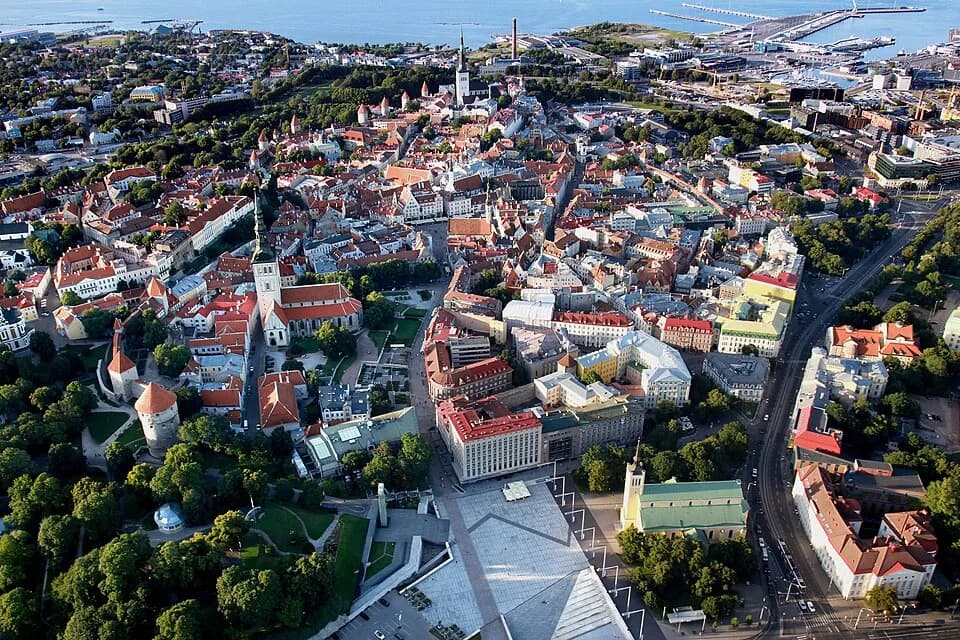
Tallinn is the undisputed digital nomad capital of Eastern Europe, home to one of the world's most advanced digital governance systems — 99% of Estonian state services are available online — and the birthplace of Skype, TransferWise (Wise), and Pipedrive. Its Digital Nomad Visa, launched in August 2020 as the world's first, requires a monthly income of at least €3,504, and the city's average monthly cost of living for a single nomad is approximately €1,800-2,400.
- #2
Budapest, Hungary
-1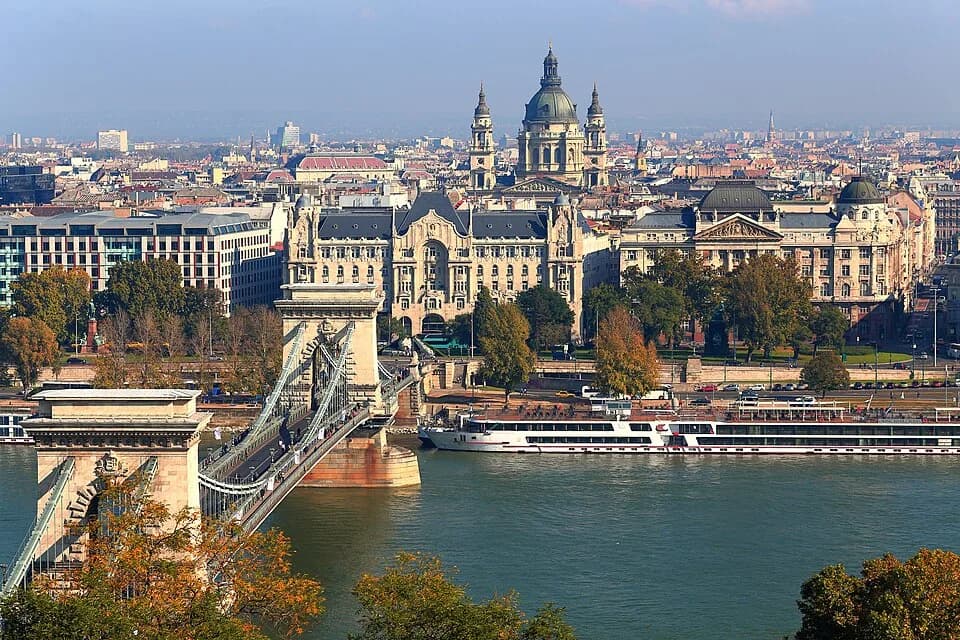
Budapest consistently ranks among Europe's top three digital nomad cities on Nomad List, scoring highly for cost of living, nightlife, culture, and internet quality — average fixed broadband speeds exceed 120 Mbps. Hungary's "White Card" digital nomad visa, introduced in 2022, allows stays of up to two years for remote workers earning above HUF 1,000,000 (approximately €2,500) per month, while monthly living costs range from €1,200-1,800. At roughly 30% cheaper than the average Western European capital, Budapest offers better value than Krakow for nightlife and culture, with a larger co-working infrastructure spread across the 5th and 7th districts.
- #3
Krakow, Poland
1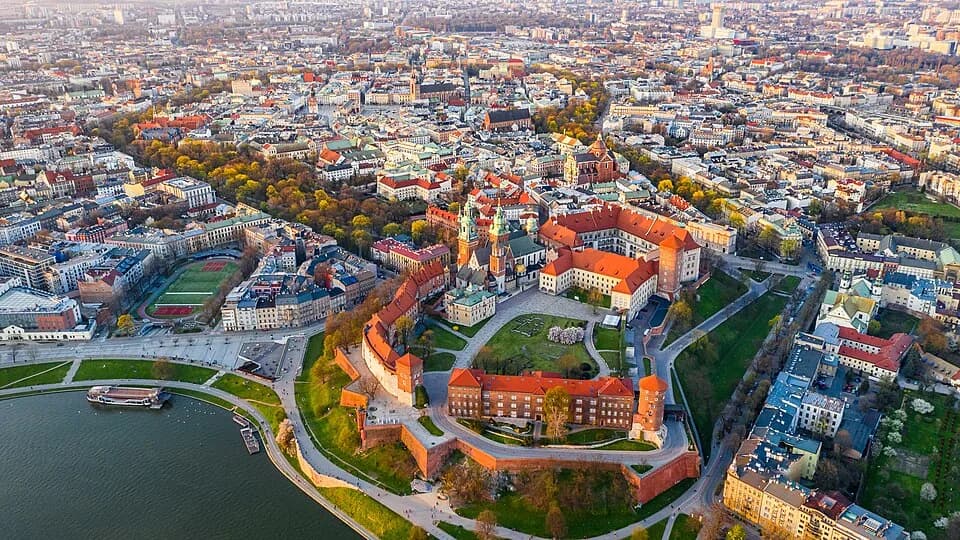
Krakow has emerged as one of Poland's premier digital nomad destinations, anchored by a large business services sector hosting major centers for Google, IBM, and Motorola, which built high-quality co-working infrastructure and fiber internet throughout the city. Monthly living costs for a single remote worker average €1,000-1,500, roughly 40-50% below comparable Western European cities, while the historic architecture and proximity to the Tatra Mountains provide exceptional quality of life.
- #4
Bucharest, Romania
1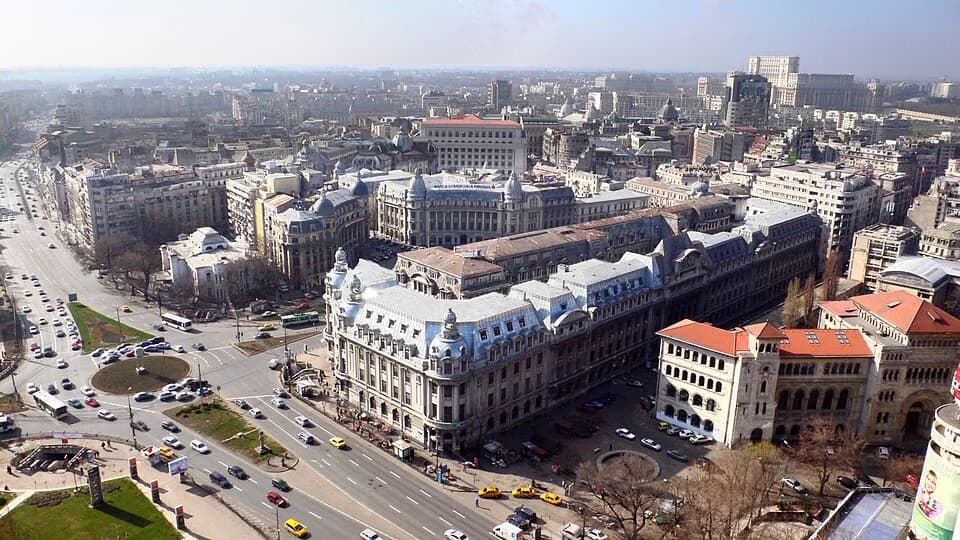
Bucharest is one of Eastern Europe's best-kept nomad secrets, offering some of the fastest and cheapest internet in the world — Romania consistently ranks in the global top 5 for average broadband speeds, with Bucharest averaging over 200 Mbps — at a monthly living cost of approximately €900-1,400. Its Digital Nomad Visa, launched in 2021, allows non-EU remote workers to stay for 12 months, extendable by a further year, and the city's vibrant startup ecosystem and excellent flight connections to Western Europe add appeal.
- #5
Sofia, Bulgaria
1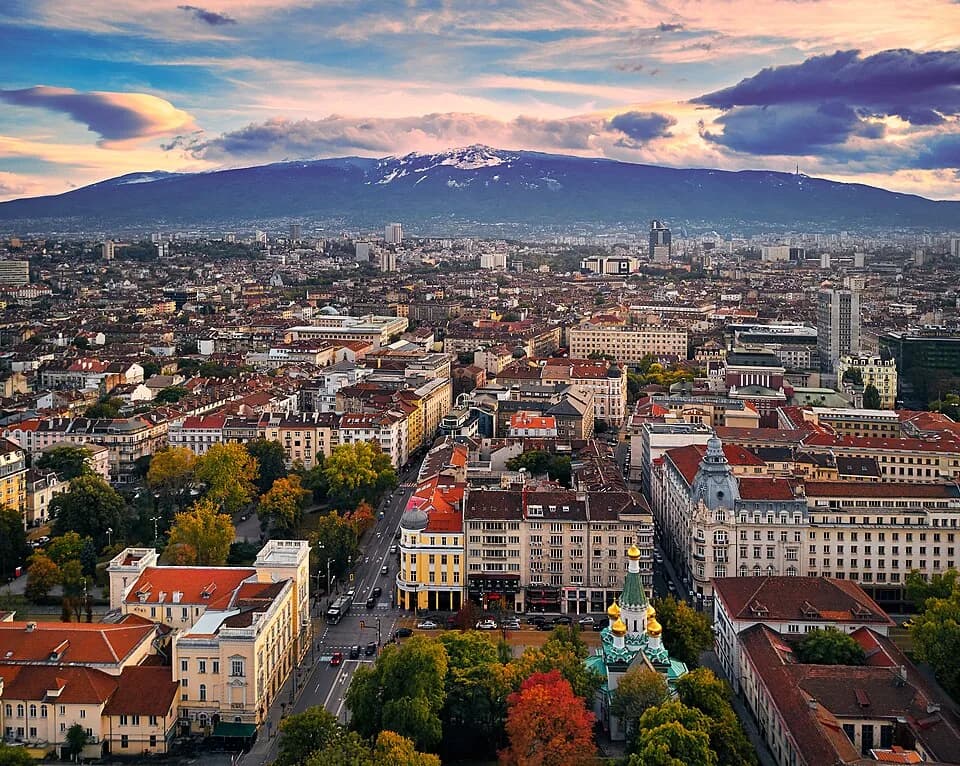
Sofia is the most affordable capital city in the European Union for digital nomads, with monthly living costs typically ranging from €700-1,100 including accommodation, food, and coworking space. This represents a 42% savings compared to the average Western European capital, which often exceeds €1,900. Bulgaria offers among the lowest income tax rates in the EU at a flat 10%, making it particularly attractive for self-employed freelancers establishing residency. The city's combination of low costs and solid infrastructure makes it an unbeatable entry point for budget-conscious nomads.
- #6
Warsaw, Poland
1
Warsaw is Eastern Europe's largest tech hub, hosting the regional headquarters of dozens of global technology companies and a fast-growing startup ecosystem that makes it an excellent destination for networking and professional development alongside remote work. It boasts a large, modern co-working infrastructure including WeWork and Brain Embassy, and with direct connections to over 100 destinations from Chopin Airport, Warsaw's transport links, restaurant scene, and cultural offerings rival many Western European capitals.
- #7
Athens, Greece
1
Athens launched one of Europe's most attractive Digital Nomad Visa programmes in 2021, offering a 12-month renewable visa (extendable to two years with tax residency) to remote workers earning at least €3,500 per month from non-Greek sources, with a preferential flat income tax rate of 7% for the first seven years of Greek tax residency — one of the most competitive tax regimes in Europe. The city's Mediterranean climate averaging 300+ sunny days per year, historical richness, and proximity to island getaways make it one of the most lifestyle-rich nomad bases in the region, offering a data point: average co-working membership costs only €150 per month.
- #8
Tbilisi, Georgia
0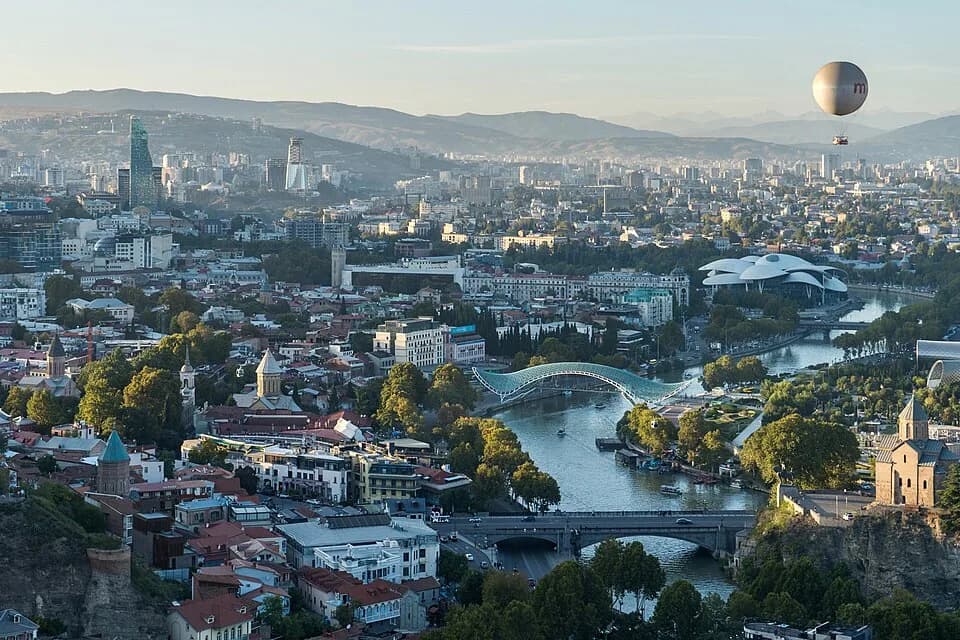
Tbilisi became one of the fastest-growing digital nomad destinations between 2020 and 2023 due to Georgia's unique 'Remotely from Georgia' programme, which allowed most nationalities to stay and work legally for 365 days per visit with no minimum income requirement. Tbilisi's distinctive old town, wine culture, and hospitality have won the city strong word-of-mouth among nomad communities. The co-working scene expanded from fewer than 10 spaces in 2019 to over 60 by 2024, a 500% increase, and with internet speeds averaging 85 Mbps, it remains a competitive option for freelancers seeking affordability and cultural richness.
- #9
Thessaloniki, Greece
0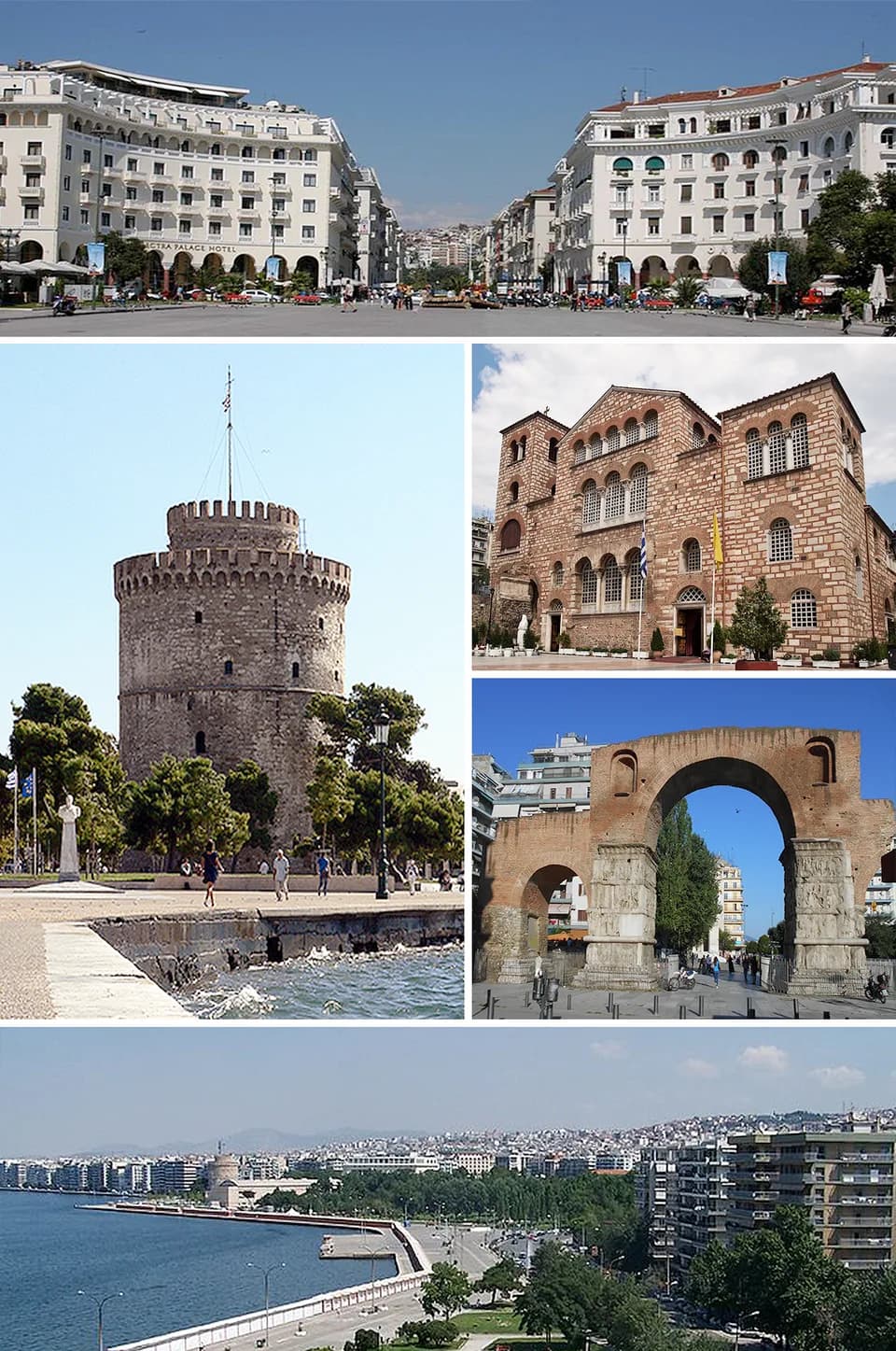
With monthly expenses of €1,000-1,500, the city provides a Mediterranean climate, excellent food, and rich history at a price point that undercuts Athens by 30%. Aristotle University, the largest in the Balkans, ensures a young, English-speaking population and vibrant student energy. The city's strong claim lies in balancing affordability with lifestyle amenities, backed by concrete data on cost savings and visa benefits.
- #10
Wroclaw, Poland
0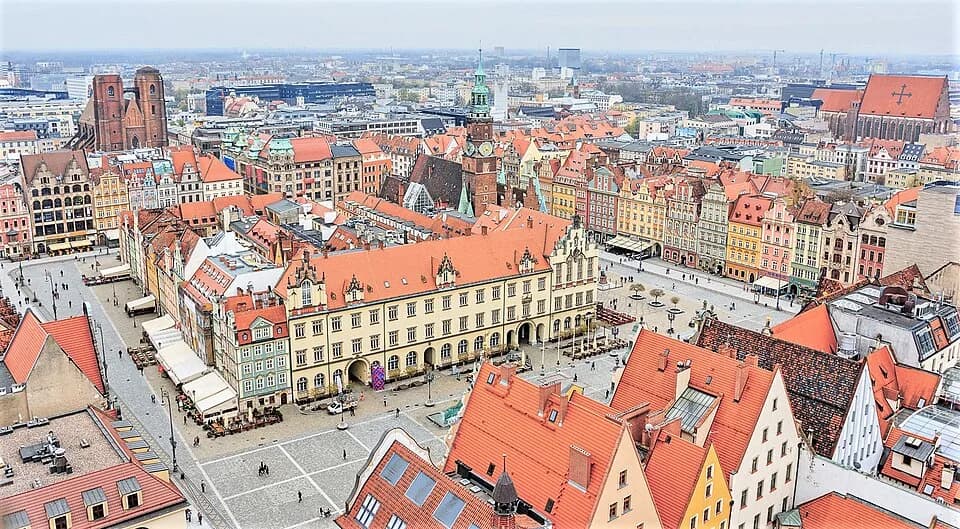
The city hosts major technology centers for Credit Suisse, Nokia, and Capgemini, driving high-quality digital infrastructure and a rapidly expanding co-working ecosystem. Wroclaw University of Technology fuels a lively student population, adding energy and English-speaking talent. With compact historic charm, a thriving restaurant scene, and rail connections to Prague (3.5 hours), Warsaw (2.5 hours), and Berlin (3.5 hours), it rivals the average Eastern European nomad hub for connectivity. Concrete data on living expenses and transit times underscores its appeal as a strategic, cost-effective base.
Image credits
- Tallinn, Estonia: WIKIMEDIA_MIRRORED
- Budapest, Hungary: WIKIMEDIA_MIRRORED
- Krakow, Poland: WIKIMEDIA_MIRRORED
- Bucharest, Romania: WIKIMEDIA_MIRRORED
- Sofia, Bulgaria: WIKIMEDIA_MIRRORED
- Warsaw, Poland: Wikimedia Commons
- Athens, Greece: Wikimedia Commons
- Tbilisi, Georgia: WIKIMEDIA_MIRRORED
- Thessaloniki, Greece: WIKIMEDIA_MIRRORED
- Wroclaw, Poland: WIKIMEDIA_MIRRORED
Related Videos
Rank it your way
Remix this list into your own ranking, or head to the play hub for every game mode and community breakdown — blind mode, challenges, tier lists, and more.
You Might Also Like

Top 10 Best Cities for Digital Nomads in 2026
Top 10 Best Cities for Digital Nomads in 2026

Top 10 Eastern European Travel Destinations
Top 10 Eastern European Cities for Digital Nomads

Top 10 Most Underrated European Cities
Top 10 Most Underrated European Cities

Top 10 Luxury Hotels in Turkey 2026
#1 Four Seasons Bosphorus · #2 Ciragan Palace Kempinski · #3 Museum Hotel Cappadocia

Top 12 Things to Do in Chengdu in 2026
#1 Chengdu Research Base of Giant Panda Breeding · #2 Jinli Ancient Street · #3 Hotpot Dinner at a Traditional Restaurant

Top 10 Things to Do in Paris
#1 Musee d'Orsay · #2 Sainte-Chapelle · #3 Le Marais