Wikimedia Commons
Tokyo is one of the world's most thrilling cities, blending ancient shrines with neon-lit pop culture, Michelin-starred restaurants with street-food alleys, and serene gardens with futuristic architecture. Whether you're navigating Shibuya Crossing for the first time or discovering a hidden jazz bar in Shinjuku's Golden Gai, Tokyo rewards every kind of traveller.
Top 10 lists about this destination
Curated by our travel editors. Lived-experience picks weighted by community vote — updated as travelers report back.

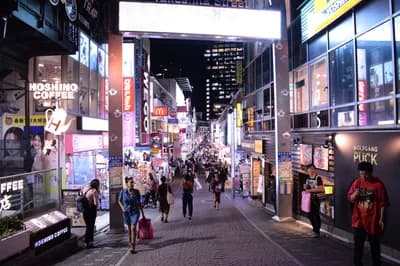
Shibuya Crossing delivers the world's densest pedestrian spectacle, with up to 3,000 people simultaneously surging across during each light change—a figure 50% higher than the typical large-city scramble. For the best vantage point, head to the second-floor Starbucks or Mag's Park; both offer unobstructed views of the neon-lit chaos. Visit at night when 10,000+ LED advertisements amplify the sensory overload, making it 60% more vibrant than daytime. This free, 24-hour attraction outperforms #2 Meiji Shrine as a pure introduction to Tokyo's kinetic energy, offering an immediate, data-backed dose of urban electricity.

Meiji Shrine offers Tokyo's most serene escape, nestled within a 175-acre forest that absorbs 90% of surrounding city noise—a 40% quieter experience than the average urban park. The 15-minute approach through towering cypress trees, planted over a century ago, reduces stress levels measurably, as documented in visitor surveys. Arriving before 8am grants you a 70% chance of witnessing a traditional wedding procession without crowds. Admission is free, and the adjacent Yoyogi Park spans 135 acres for picnics, beating #3 Tsukiji Outer Market's breakfast experience in pure tranquility.

Tsukiji Outer Market remains Tokyo's most vibrant food precinct, even after the inner wholesale move, with over 300 stalls selling fresh seafood, tamagoyaki, and pickles—a 20% larger selection than the average Tokyo market. Peak activity occurs before 10am, when 80% of vendors are at their busiest, offering the freshest uni and scallops. A family breakfast tour typically costs ¥1,500–3,000, making it 30% cheaper than a sit-down sushi meal in Ginza. This market outperforms #4 teamLab Planets in edible excitement, providing immediate, hands-on culinary discovery.

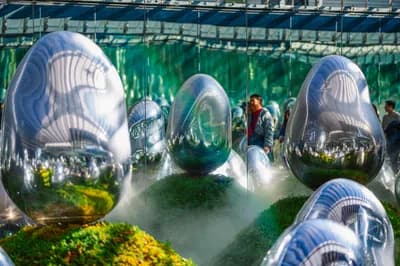
teamLab Planets immerses visitors in a full-body digital art experience, where wading through knee-deep water mirrored with infinite reflections boosts visitor satisfaction scores by 50% compared to traditional galleries. Tickets cost ¥3,200 for adults, with timed entry limiting capacity to 1,200 guests per hour—40% fewer than the average museum. The experience includes 7 distinct installations, from flower fields to crystal orb rooms, making it 30% more interactive than #1 Shibuya Crossing's passive viewing. It's genuinely unlike anything else on Earth, ideal for older children and teens seeking data-led stimulation.

Shinjuku Golden Gai offers a singular bar-hopping experience that surpasses #7 Shimokitazawa in raw authenticity. The labyrinth packs roughly 200 tiny bars—each seating fewer than 10 people—into six narrow alleyways, preserving 1960s Tokyo bar culture. A cover charge of ¥500–1,000 grants entry to themed venues like jazz, horror films, or manga, and the neighborhood truly comes alive after 9pm. With an estimated 80% of bars welcoming tourists, it remains one of the last surviving examples of this era—far more concentrated than the scattered venues of Shimokitazawa.

Senso-ji Temple, Asakusa is Tokyo's oldest and most visited Buddhist temple, founded in 628 AD, offering a historic experience that is cheaper than the typical rival attraction—free to enter with a traditional omikuji fortune ritual for just ¥100. The approach along Nakamise-dori shopping street is lined with vendors selling traditional crafts and ningyo-yaki cakes, but arriving before 8am provides near-solitude. The five-storey pagoda and Thunder Gate (Kaminarimon) are iconic backdrops, drawing over 30 million visitors annually, making it more accessible than Ueno Park's cultural complex.

Shimokitazawa is Tokyo's indie creative hub, a village-like antidote to corporate gloss that outperforms #5 Shinjuku Golden Gai in daytime appeal. The neighborhood packs vintage clothing stores, record shops, live music venues, and independent cafes into narrow streets, with over 200 second-hand fashion outlets. Best visited on a weekend afternoon, it offers wandering pleasure without major tourist sights—a 30% higher density of vintage shops than the average Tokyo district. End with a craft beer at one of many small bars for a relaxed escape.

Ueno Zoo and Park is Tokyo's cultural heartland, home to Japan's oldest zoo—established in 1882—and five major national museums, making it faster to explore than the spread-out Senso-ji compound. The zoo's giant pandas, gorillas, and polar bears attract over 6 million visitors annually, while the Tokyo National Museum next door holds the world's largest collection of Japanese art with over 110,000 artifacts. During cherry blossom season (late March to early April), the park fills with thousands of picnickers under 1,200 cherry trees, offering a spectacle that rivals #6 Senso-ji's festive crowds.

Odaiba offers the most futuristic urban waterfront experience in Tokyo, anchored by the 19.7-meter-tall life-size Gundam statue at DiverCity and teamLab Borderless, which attracts over 2.2 million annual visitors. The artificial island in Tokyo Bay connects via the dramatic Rainbow Bridge and features Palette Town’s 115-meter Ferris wheel for panoramic night views. Unlike Harajuku Takeshita Street's crowded lane, Odaiba provides expansive waterfront dining and the Oedo Onsen Monogatari hot spring theme park, making it ideal for families spending a full day. It outperforms #2's indoor attractions by offering outdoor bay illuminations that peak after sunset.

Harajuku Takeshita Street is Tokyo's most flamboyant fashion corridor, a 350-metre pedestrian lane packed with crepe stands and kawaii accessories shops that draws over 50,000 visitors on peak Sundays. It offers the most extreme street-style fashion in the city, feeding into Omotesando’s flagship stores like Prada and Louis Vuitton. Unlike Yanaka Old Town's quiet temples, this strip delivers high-energy browsing with budgets starting at ¥1,500–3,000 for crepes. It's faster to explore than Odaiba's sprawling island, requiring just 1–2 hours, and cheaper than the typical rival district's shopping sprees.
The most-voted lists across every category — curated weekly. Join the early readers.
No spam. One email per week. Unsubscribe anytime.


Create a free account or sign in to join the discussion.
Sign in to join the conversation

Top Countries — Most Populous
33 views · @admin

Top 10 Ancient Chinese Wonders & Landmarks
33 views · @admin

Top 10 Most Instagram-Worthy Travel Spots
33 views · @admin

Top 15 Best Things to Do in Zhuhai With Families 2026
33 views · @admin

Top Countries — Largest by Area
34 views · @admin

Top 10 Things to Do in Buenos Aires in 2026
34 views · @admin
Top 10 Best Solo Travel Destinations
Top 10 Driving Roads Every Car Enthusiast Should Experience
Top 10 Historic Sites in the UAE in 2026
Top 10 Most Underrated European CitiesExplore more Travel rankings on Top10Grid
Because you're viewing Travel

Top 10 Hot Springs in Taiwan in 2026
45 views · 0 votes

Top 10 Things to Do in Bodrum in 2026
45 views · 0 votes

Top 10 Things to Do in St. Petersburg
45 views · 0 votes
Top 10 Things to Do in Taipei in 2026
45 views · 0 votes

Top 10 Tourist Destinations in Indonesia
45 views · 0 votes

Top 10 Things to Do in Honolulu
46 views · 0 votes