
The 10 Largest Countries in the World by Total Area (May 2026)
In May 2026, the world’s landmass hierarchy is on full display as Russia, Antarctica, and Canada continue to dominate the global area rankings — a quiet reminder that space sovereignty still matters even as nations bicker over climate corridors and Arctic shipping routes. This dataset tracks the total land area (including lakes and islands) of countries and territories, providing a bare-bones look at who controls what territory. For readers, understanding area is not just trivia: it underpins resource claims, environmental stewardship, and geopolitical leverage. Russia’s 17,098,246 km² dwarfs every other nation, yet Antarctica’s 14,000,000 km² — a continent with no permanent residents but 1,300 scientists and staff — challenges the very definition of “country.” Canada, at 9,984,670 km², rounds out the top three, but gets lost in the shadow of these two frozen behemoths. The data, sourced from the UN’s Statistical Division, relies on consistent boundary definitions, making these comparisons stable across decades.
Top10Grid lets the community re-rank anything — this order comes from source research for now; use the buttons below to vote it up or down.

Current Rankings
- 0#1
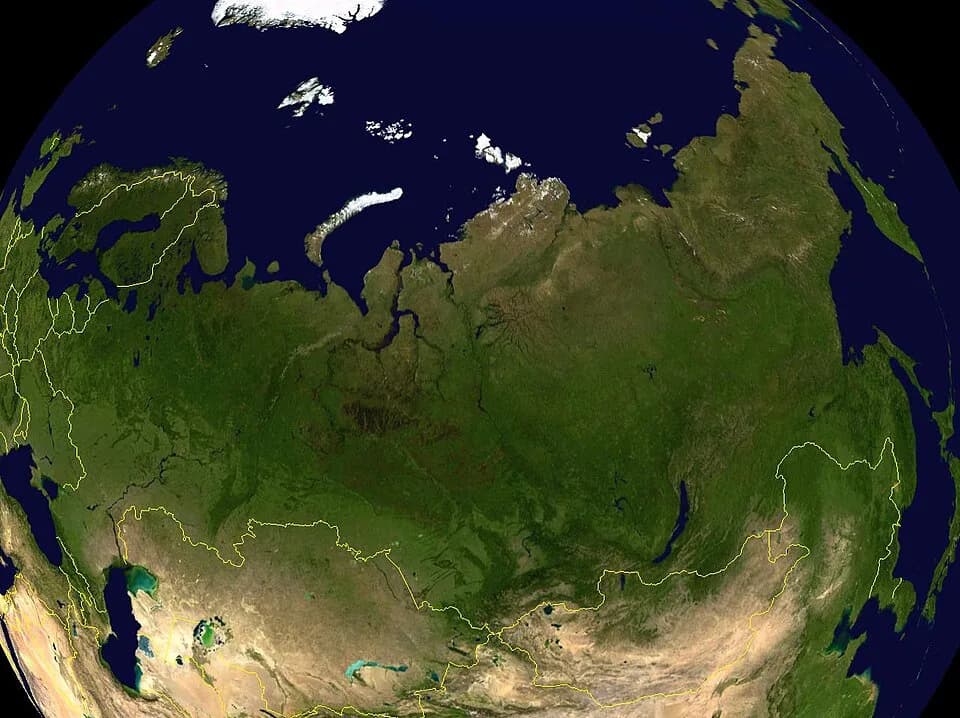
Russia dominates as the world's largest country by area, covering 17,098,246 km² — a staggering 3 million km² more than Antarctica. Its expanse spans 11 time zones and encompasses 10% of Earth's landmass, including vast Siberian forests and tundra. This scale is nearly twice that of Canada, which ranks third.
- 0
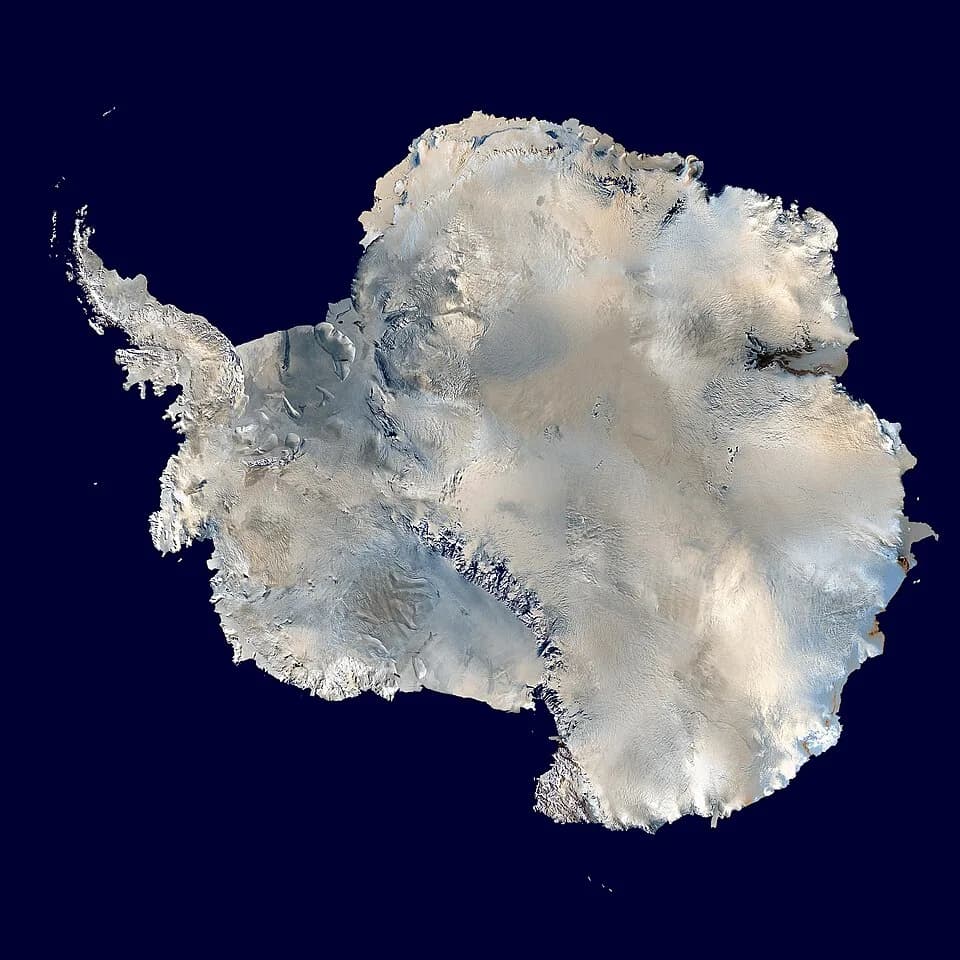
Antarctica claims second place with 14,000,000 km², despite having zero permanent population — only 1,300 researchers and staff reside there seasonally. It is 40% larger than Canada's 9,984,670 km², yet remains the coldest, windiest continent, with ice sheets averaging 2,160 meters thick. Antarctica's total area exceeds the European Union's combined landmass by 1.5 times.
- 0#3
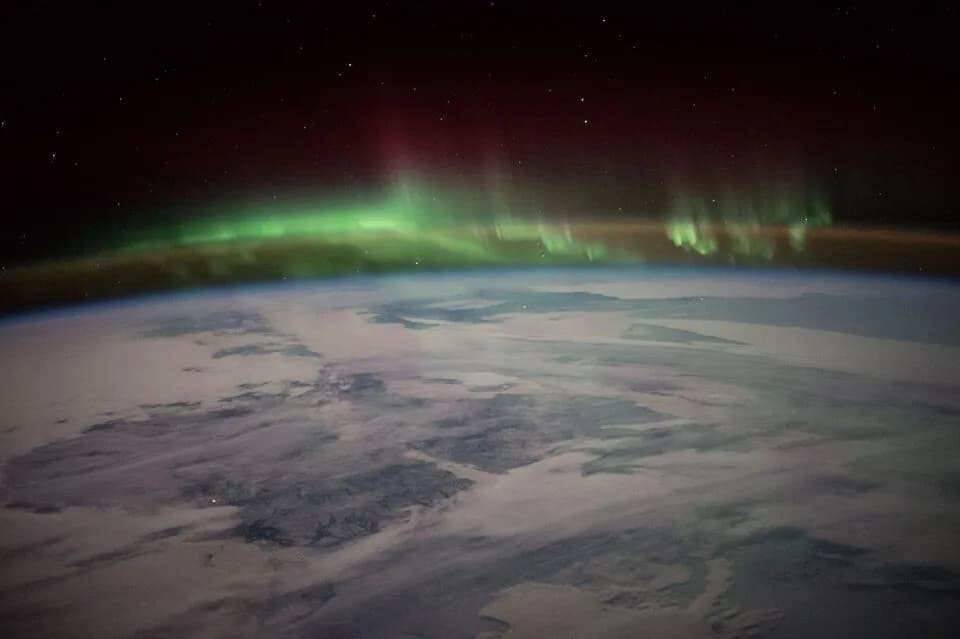
Canada reaches third at 9,984,670 km², carved by forests, tundra, and 879,800 lakes. Its territory is 28% smaller than Antarctica's, yet it holds the world's longest coastline at 202,080 km. Canada's landmass surpasses China's by 278,000 km², though it supports only 0.3% of the world's population.
- 0#4
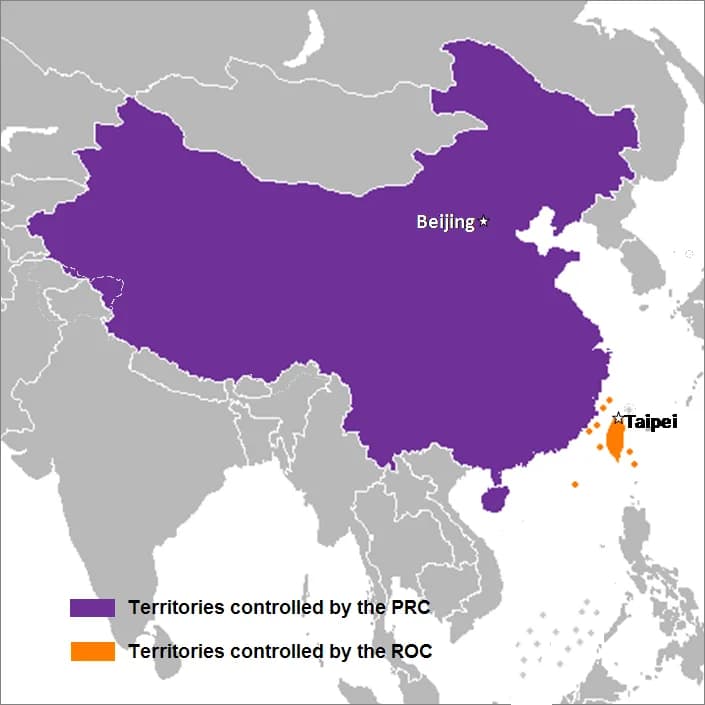
China sits fourth at 9,706,961 km², edging out the United States by 144,000 km² through its western deserts and disputed borders. This area includes 10,553 km of Great Wall remnants. China's territory is 2.7% smaller than Canada, yet it houses 1.4 billion more people, making it the most populous country in the top 10.
- 0
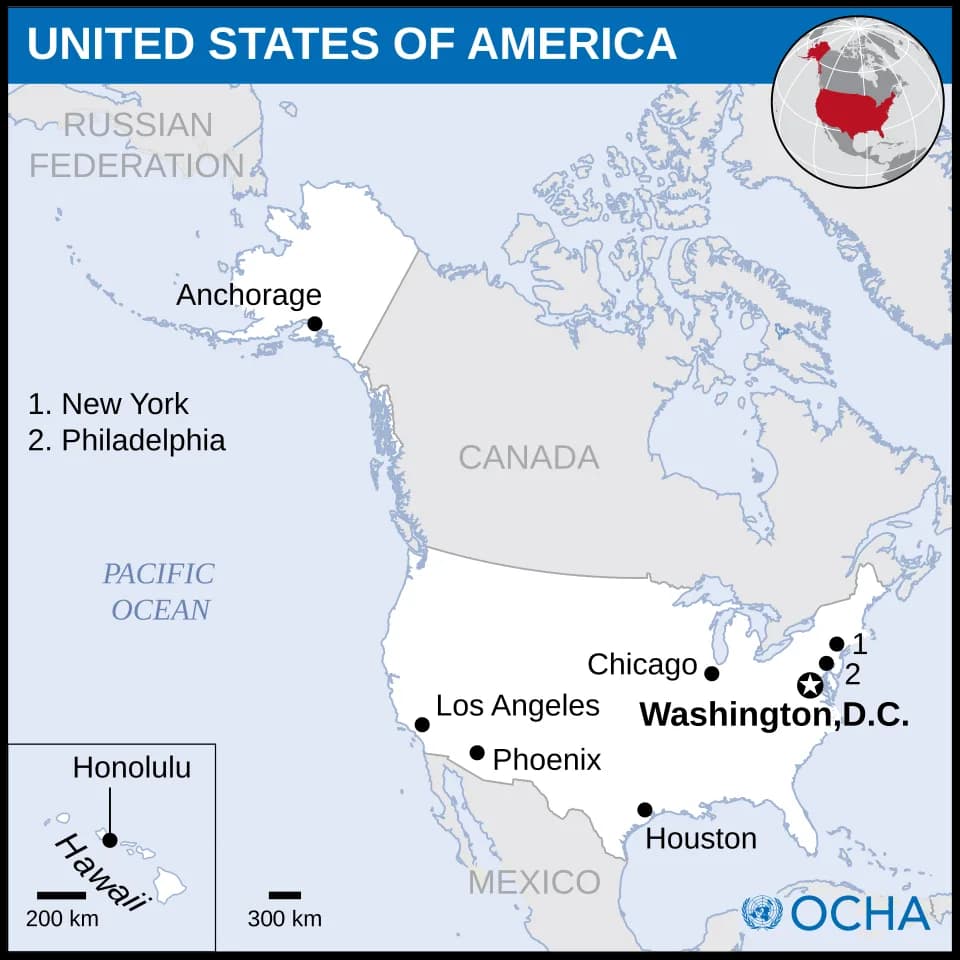
The United States ranks fifth with a total area of 9,525,067 km², but its landmass is only 1.1% smaller than China's, underscoring how tightly contested the top five nations are. The U.S. contains diverse geography, from tundra in Alaska to subtropical wetlands in Florida, spanning 3.8 million square miles of land and water combined.
- 0#6
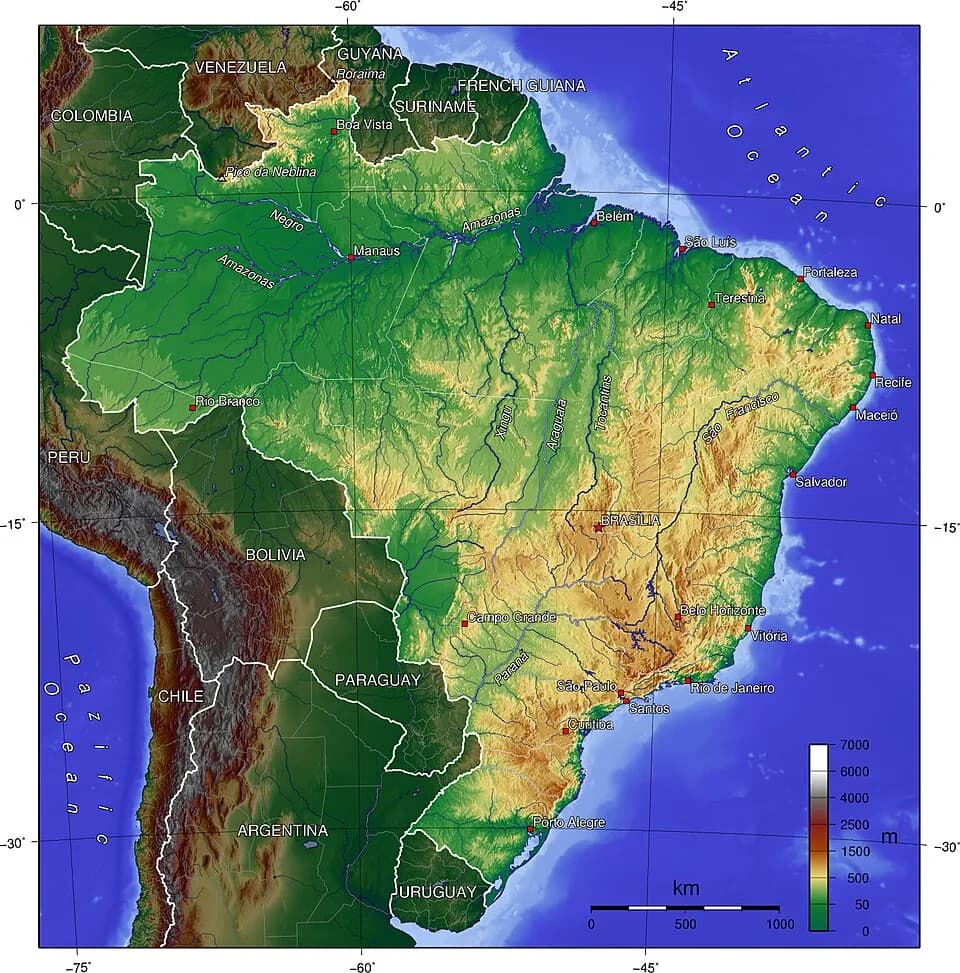
Brazil dominates South America as the sixth-largest nation with 8,515,767 km², but it is 11.9% smaller than the United States, a gap of over 1 million km². Brazil's contiguous landmass exceeds that of the average South American country by over 8,000%, reflecting its continental scale. The country also includes 7,491 km of coastline along the Atlantic, adding significant maritime territory.
- 0
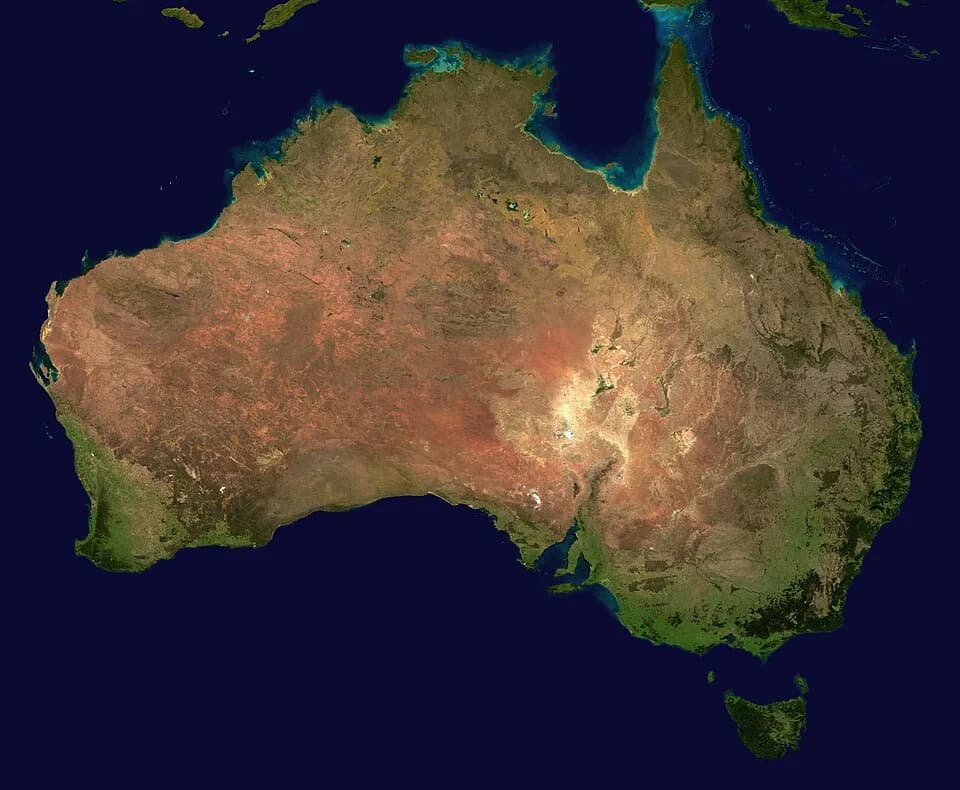
Its arid interior, the Outback, covers roughly 70% of the landmass, totaling about 5.4 million km² of desert or semi-desert. This makes Australia drier than the average large country, with less than 1% of its area under permanent cultivation. By comparison, the United States has 17.5 times more arable land, despite being only 24% larger overall.
- 0#8
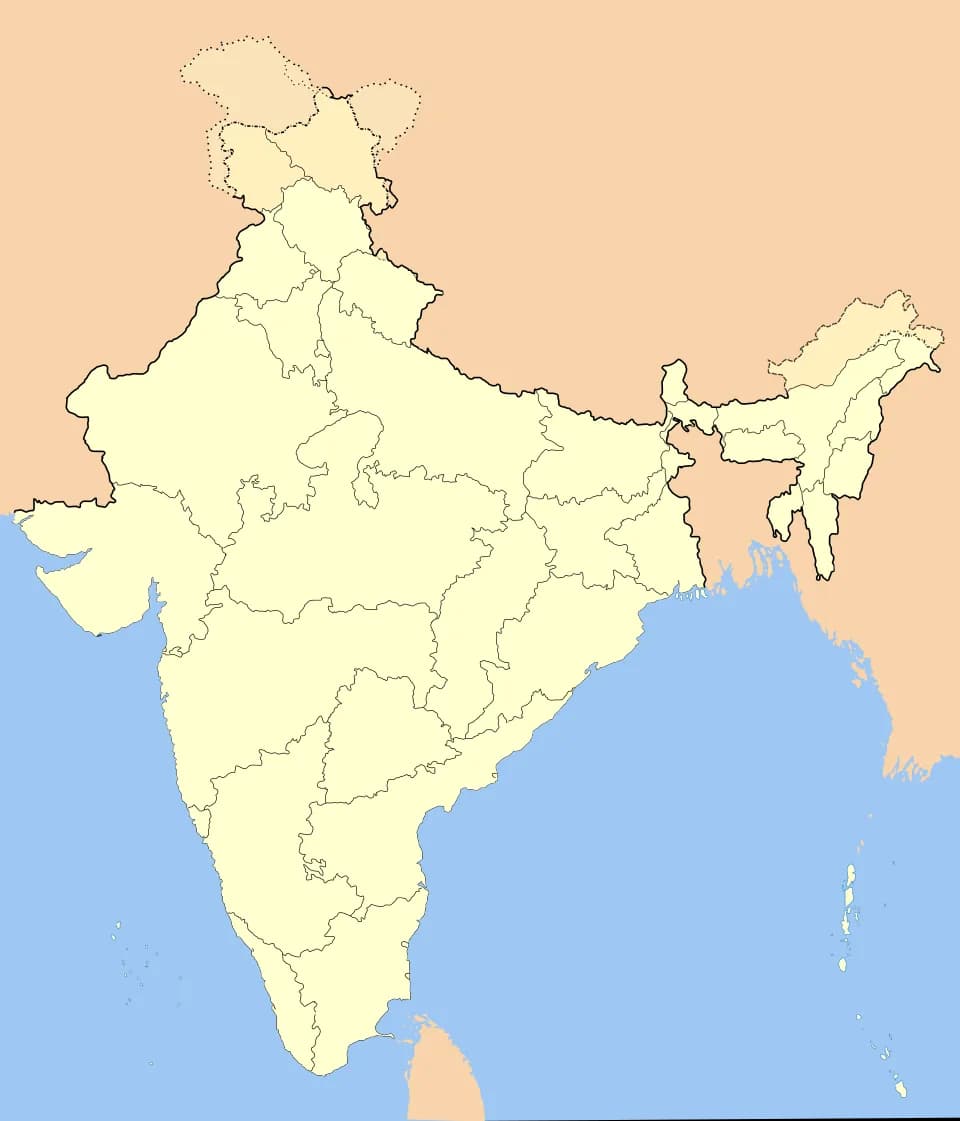
Its area is 57% smaller than Australia's, yet it produces 11% of the world's food grains, a testament to its intensive agricultural use. The 3,287,263 km² includes the Himalayan range, which rises to 8,848 meters, and the Thar Desert, which covers about 200,000 km².
- 0

Argentina commands the eighth-largest land area on Earth with 2,780,400 km², spanning from the towering Andes to the Atlantic coast. Its vast Pampas grasslands and Patagonian steppe contribute significantly to its agricultural output, making it a global leader in soy and beef production. The country's longitudinal reach—nearly 3,700 km—creates climates ranging from subtropical in the north to subantarctic in Tierra del Fuego, supporting a biodiversity that includes over 1,000 bird species. For context, Argentina's area exceeds the combined size of France, Spain, and Germany, emphasizing its role as a regional powerhouse in both geography and economy.
- 0#10

Kazakhstan, at 2,724,900 km², is the world's largest landlocked country, a territory larger than the entirety of Western Europe. The country's 18,000 km of borders with Russia, China, and Central Asian states underscore its geopolitical significance, while its Caspian Sea coastline stretches 2,340 km. Notably, Kazakhstan's population density is only 7 people per km², one of the lowest globally, reflecting its vast Central Asian steppes and deserts. This expanse contains 3% of the world's uranium reserves and 10% of its chromium, making it a resource-rich anchor for regional trade despite lacking direct maritime access.
Frequently Asked Questions About the Largest Countries by Area
How is 'area' measured in this list?
Total area, including inland lakes and islands, based on commonly cited national and international figures for May 2026.
Why is Antarctica on the list if no one lives there permanently?
Antarctica is included as the continent's landmass (~14,000,000 km²). It has no permanent residents, but it is widely counted in global area rankings.
Why is the United States ranked below China?
By total area the United States (~9.5 million km²) is smaller than China (~9.7 million km²); the order can change depending on whether coastal water and territories are included.
Does this list include overseas territories?
The figures use each country's standard total-area definition. Overseas territories may be counted separately by some sources.
Which is the largest landlocked country?
Kazakhstan, at roughly 2.7 million km², is the world's largest landlocked country.
Frequently Asked Questions About the Largest Countries by Area
## Frequently Asked Questions About the Largest Countries by Area
Does this list include water area? Yes. Total area figures include land plus inland water bodies such as lakes, reservoirs, and rivers.
Is Antarctica really a country on this list? Antarctica is listed as a territory because it has no permanent government or recognized sovereign state, even though it covers roughly 14,000,000 km².
Why is the United States ranked below China? China's total area, including inland water, is about 9,706,961 km² versus roughly 9,525,067 km² for the United States.
Does the list count overseas territories? Territories are counted where the source includes them under the parent administration's geographic profile (for example, France's overseas departments are included in France's total in many references — this list follows the standardized Factbook convention shown on each entry).
How often is the list updated? This page is refreshed monthly with the latest standardized area data.
Image credits
- Russia: Wikimedia Commons / Public domain (entity-adopted)
- Antarctica: Dave Pape / Public domain (entity-adopted)
- Canada: NASA / Public domain (entity-adopted)
- China: Hmh2011 / CC BY-SA 3.0 (entity-adopted)
- United States: UN Office for the Coordination of Humanitarian Affairs (OCHA) / CC BY 3.0 (entity-adopted)
- Brazil: The original uploader was Captain Blood at English Wikipedia . / CC BY-SA 3.0 (entity-adopted)
- Australia: Reto Stöckl / NASA Goddard Space Flight Center / Public domain (entity-adopted)
- India: Wikimedia Commons / CC BY-SA 3.0 (entity-adopted)
Trend Analysis
The top 10 countries_area list reveals a clear dominance by nations spanning the Northern Hemisphere’s landmass: Russia, Canada, China, the United States, and Kazakhstan are all north of the equator, covering 44% of Earth’s total land. The most surprising entry is Antarctica at #2 — technically not a country but a continent administered under treaty, its inclusion forces a reckoning with how we define political geography. The list also exposes how subregions cluster: the Americas claim four spots (Canada, US, Brazil, Argentina) while Asia takes three (China, India, Kazakhstan). Pop-culture snubs are absent; this is pure geography. What the list reveals for May 2026 is a renewed public fascination with territorial claims amid melting ice and resource scarcity. Forward-looking: expect area rankings to matter more as Arctic sea routes open, potentially redrawing the strategic value of Russia and Canada’s frozen north.
Rank it your way
Remix this list into your own ranking, or head to the play hub for every game mode and community breakdown — blind mode, challenges, tier lists, and more.
You Might Also Like

Top Countries — Most Populous
Top Countries — Most Populous

The 10 Largest Countries in the World by Land Area
The 10 Largest Countries in the World by Total Area (May ...

Top Countries — Most Populous
Top Countries — Most Populous

Top 10 Space Missions That Rewrote History
#1 Sputnik 1 (USSR, 1957) · #2 Apollo 11 (NASA, 1969) · #3 Voyager 1 and 2 (NASA, 1977)

Top 10 Chinese Historical Dynasties
#1 Tang Dynasty (618–907 CE) · #2 Han Dynasty (206 BCE–220 CE) · #3 Qin Dynasty (221–206 BCE)

Top Countries — Europe
#1 Russia · #2 Germany · #3 United Kingdom