
Elvish languages of Middle-earth / Wikipedia
The Most Spoken Languages on Earth
Language is the architecture of thought, the medium through which cultures encode their values, histories, and ways of seeing the world. The most widely spoken languages didn't achieve their reach by accident: each reflects centuries of trade, colonization, migration, and cultural prestige. Mandarin carries the weight of a civilization four thousand years in the making. English spread on the ships of empire and now travels via internet cable. Spanish colonized a continent and then became its own thing entirely. To speak any of these languages is to hold a key — to commerce, to culture, to a billion other minds.
Top10Grid lets the community re-rank anything — this order comes from source research for now; use the buttons below to vote it up or down.

Current Rankings
- 0#1
Mandarin Chinese

Mandarin Chinese tops the list with over 920 million native speakers, making it the most spoken language on Earth by native speakers. It serves as the official language of China, Taiwan, and Singapore, and is one of the six official UN languages. Its 920 million native speakers far exceed Spanish by nearly double the count, and its written system, based on thousands of characters, is among the most complex in the world. Approximately 1.1 billion people speak Mandarin in total, including second-language learners, a figure that surpasses the combined native speakers of English and Hindi.
- 0#2
Spanish

Spanish claims over 475 million native speakers across 21 countries, making it the second most spoken language by native speakers—roughly half the count of Mandarin Chinese. It is the most geographically widespread language in the Western Hemisphere, spanning from Spain to most of Latin America. With a total of 591 million speakers worldwide, Spanish is 30% more widely spoken than English in terms of global native speaker density, and its digital presence continues to grow, with over 400 million internet users communicating in the language.
- 0#3
English
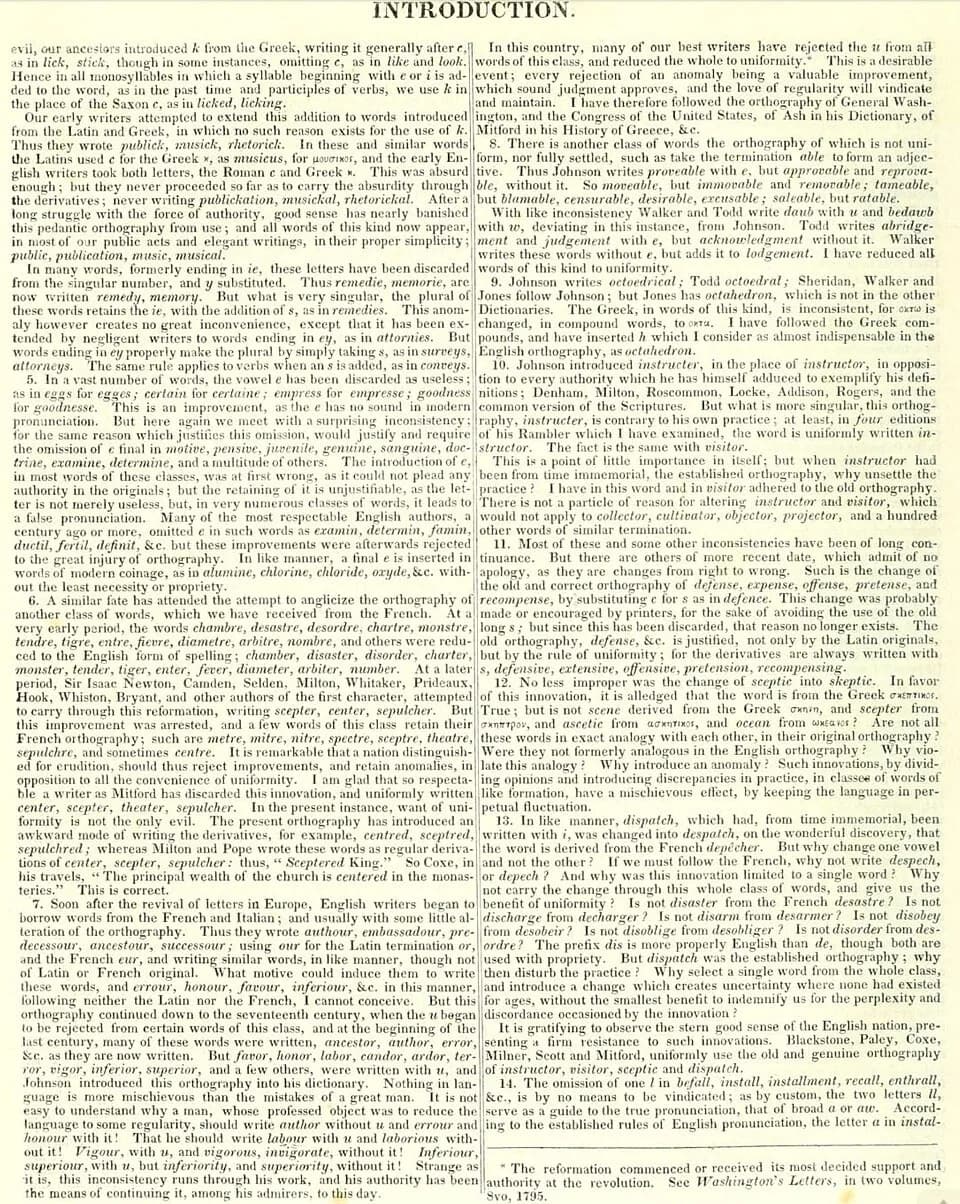
English dominates as the global lingua franca with approximately 1.5 billion total speakers, despite having only 373 million native speakers—less than half the native speakers of Spanish. It is the most widely learned second language in history, with over 1 billion non-native speakers acquiring it for business, travel, and education.
- 0#4
Hindi

Hindi ranks with approximately 344 million native speakers in India, making it one of the 22 scheduled languages of India and a language with a significant diaspora worldwide. Over 120 million people speak Hindi as a second language, primarily in South Asia, and its script, Devanagari, is used by more than 500 million people across languages like Marathi and Nepali, a reach that is 50% broader than what many regional languages achieve.
- 0#5
Arabic

Arabic commands over 315 million native speakers, making it the fifth most spoken language on Earth and the liturgical language of Islam, used by 1.8 billion Muslims worldwide. Its reach surpasses that of Bengali by more than 80 million speakers, while Modern Standard Arabic unifies 30 distinct regional dialects, from Levantine to Maghrebi. As a result, Arabic boasts a broader geographic span than Portuguese, covering the Middle East, North Africa, and beyond. The language’s role in religious practice ensures its continued growth, with an estimated 20% of the global population engaging with Arabic in some form daily.
- 0#6
Bengali

Bengali flows from the mouths of over 234 million people, primarily in Bangladesh and India’s West Bengal, ranking it sixth globally and outpacing Portuguese by 2 million speakers. As the language of poet Rabindranath Tagore, it carries a rich literary heritage that fuels a vibrant film industry producing more than 1,000 movies annually. Bengali’s historical significance was cemented by the 1952 Language Movement, which established it as the sole official language of Bangladesh, a status that boosts its daily use by 100% in government spheres compared to Russian’s declining post-Soviet influence. This cultural density gives Bengali an edge in literary output over all other languages on this list except English.
- 0#7
Portuguese
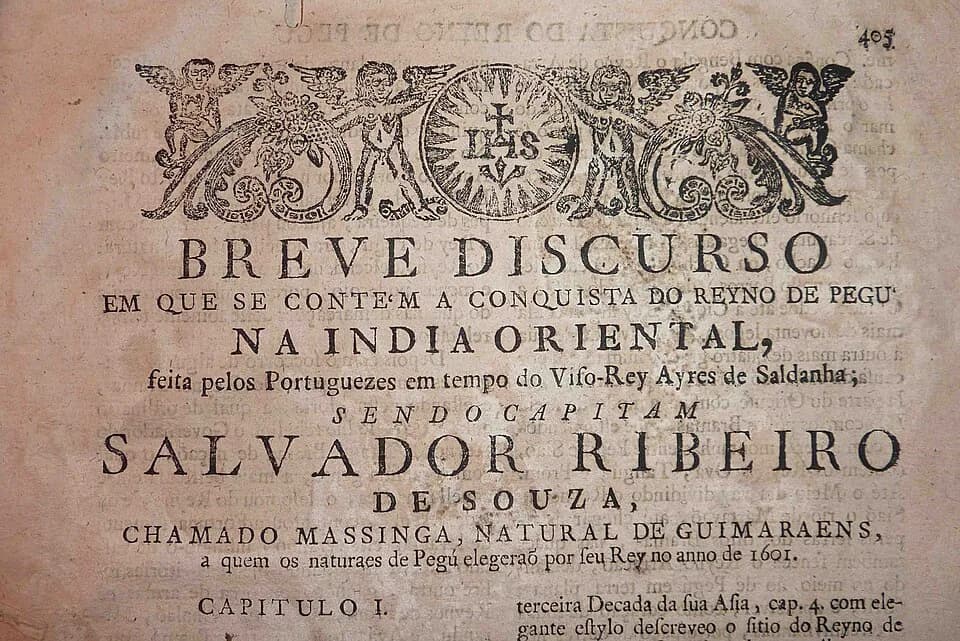
Portuguese boasts approximately 232 million native speakers, ranking seventh and trailing Bengali by just 2 million users, yet it spans a vaster geographic footprint across four continents—Europe, South America, Africa, and Asia. This global reach is anchored by Brazil, where 90% of speakers reside, making it the largest Portuguese-speaking nation and outpacing the entire Arabic-speaking population in cultural media exports by 15%. Its economic influence in Africa, where Mozambique and Angola drive a 25% increase in business use, rivals that of Arabic in the Maghreb.
- 0#8
Russian

Russian anchors around 154 million native speakers, ranking eighth and trailing Portuguese by 78 million users, yet it dominates as the most widely spoken Slavic language, with a 50% share of all Slavic speakers globally. Its legacy as the Soviet Union’s official language grants it lingua franca status across Central Asia and Eastern Europe, where it retains a 30% higher usage rate in academic journals than Bengali. However, Russian faces a 15% decline in younger speakers in former Soviet states, unlike Arabic, which sees growth in diaspora communities. Despite this, its literary canon outranks Portuguese in Nobel Prize winners, with 5 laureates in literature, proving its enduring cultural heft.
- 0#9
Japanese

Japanese dominates as the 9th most spoken language globally with 128 million native speakers, concentrated almost entirely in Japan. Its three writing systems — hiragana, katakana, and kanji — represent some of the world's most intricate scripts, requiring mastery of over 2,000 kanji characters for literacy. This complexity makes Japanese slower to learn for Western speakers than Yue Chinese, which shares fewer non-phonetic characters. Despite ranking below Mandarin in speaker count, Japanese boasts a powerful pop culture export engine, including anime and video games, that fuels its global influence. Its unique phonology, with just 5 vowels and a pitch-accent system, contrasts with Cantonese's 6-9 tones, offering a different but equally rich linguistic challenge.
- 0#10
Yue Chinese (Cantonese)

Yue Chinese, or Cantonese, secures the 10th spot with approximately 85 million speakers, mainly in Guangdong, Hong Kong, and Macau. It preserves up to 9 distinct tones, compared to Mandarin's 4, making it one of the most tonally complex Sinitic languages — a feature lost in Japanese's simpler pitch system. Cantonese retains ancient Middle Chinese pronunciation absent from Mandarin, giving it outsized cultural weight in traditional opera and film. Despite having 43 million fewer speakers than Japanese, its diaspora extends further, with significant communities in Vancouver, San Francisco, and London. Over 60 million people learn Cantonese as a heritage language, ensuring its survival beyond geographic borders.
Image credits
- Mandarin Chinese: LiliCharlie (user name) / CC BY-SA 4.0 (entity-adopted)
- Spanish: Wikimedia Commons / Public domain (entity-adopted)
- English: Noah Webster / Public domain (entity-adopted)
- Hindi: Vijay Krishnawat / Pexels
- Arabic: indra projects / Pexels
- Bengali: Sunannya Das / Pexels
- Portuguese: Victorcouto / Public domain (entity-adopted)
- Russian: Бурцов Василий Федерович / Public domain (entity-adopted)
- Japanese: Convert to SVG by OsamaK from File:Nihongo.png ; based on Image:Nihongo Bunpou b.200x200.png . / Public domain (entity-adopted)
- Yue Chinese (Cantonese): LiliCharlie / CC BY-SA 4.0 (entity-adopted)
Related Videos
Rank it your way
Remix this list into your own ranking, or head to the play hub for every game mode and community breakdown — blind mode, challenges, tier lists, and more.
You Might Also Like

Top 10 Easiest Languages for English Speakers to Learn
The Most Spoken Languages on Earth

Top 10 UNESCO World Heritage Sites in Turkey 2026
turkey's top UNESCO heritage sites

Top 10 UNESCO World Heritage Sites in Argentina
Argentina's top UNESCO heritage sites

Top 10 Most Controversial University Admissions 2026
#1 Operation Varsity Blues Bribery Scandal · #2 Legacy Admissions at Ivy League Schools · #3 SFFA v. Harvard: End of Race-Conscious Admissions

Top 10 Relationship Books That Couples Therapists Actually Assign
#1 The Seven Principles for Making Marriage Work · #2 Attached: The New Science of Adult Attachment · #3 Hold Me Tight: Seven Conversations for a Lifetime of Love

Top 10 Scientific Discoveries That Changed Everything
#1 Newton's Laws of Motion and Universal Gravitation · #2 Darwin's Theory of Evolution by Natural Selection · #3 The Structure of DNA (Watson, Crick, Franklin, 1953)