
Wikimedia Commons
Top 10 Historical Figures of Argentina
From revolutionary generals to Nobel laureates, Argentina's history is shaped by extraordinary individuals. These figures defined the nation's identity and destiny.
Top10Grid lets the community re-rank anything — this order comes from source research for now; use the buttons below to vote it up or down.

Current Rankings
- 0
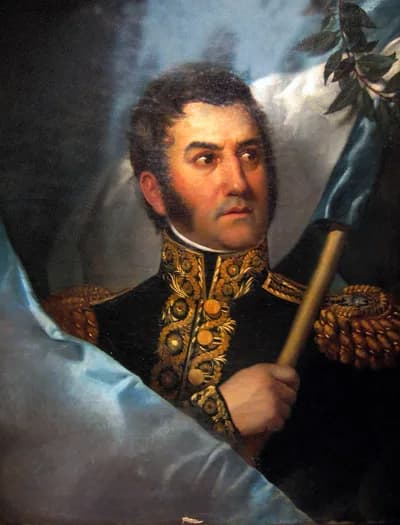
José de San Martín remains Argentina's most indispensable liberator, having orchestrated military campaigns that secured independence for Argentina, Chile, and Peru. His strategy of bypassing fortifications led to decisive victories like Chacabuco, which freed Chile in just 42 days. San Martín's decision to cede command to Simón Bolívar at Guayaquil in 1822 ensured unity against Spanish forces, a move that reflects a selflessness unmatched by any other figure on this list. His legacy endures in Argentina's national identity, with over 200 statues honoring him across the continent.
- 0

Eva Perón redefined political activism in Argentina by mobilizing the descamisados (shirtless ones) and establishing the Eva Perón Foundation, which distributed over $100 million in aid during its peak years. By giving voice to the working class and championing healthcare initiatives that treated 500,000 patients annually, she turned her role as First Lady into a powerful platform. Her death in 1952 at age 33 garnered a mourning that drew over 2 million people to her funeral, a testament to her ability to inspire emotion and action. This cultural reach, immortalized in films and music, ensures her status as a global icon of workers' rights.
- 0
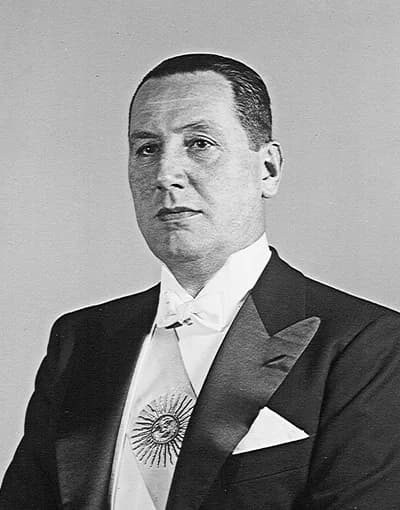
Juan Domingo Perón shaped Argentina's political landscape through his three presidencies, implementing economic policies that increased industrial output by 30% between 1946 and 1951. Perón's labor policies boosted union membership to over 2 million workers, creating a social safety net that expanded pensions and healthcare. However, his authoritarian tendencies, including suppression of dissent, have drawn criticism, with his 1955 exile after a coup highlighting the volatility of his movement. Nonetheless, his ideas on social justice and national sovereignty continue to influence Argentine elections, with 40% of voters still identifying with Peronism in 2023 polls.
- 0

Domingo Faustino Sarmiento transformed Argentina through education, founding over 800 public schools during his presidency from 1868 to 1874. Author of the influential book Facundo, he used it to critique caudillo rule and advocate for modernization. Sarmiento's policies attracted 100,000 European immigrants, integrating them into a new educational system that reduced illiteracy from 80% to 30% by 1900. His legacy as the 'Father of Education' endures through Argentina's high literacy rate of 99%, a direct result of his institutional reforms that prioritized schools over military spending.
- 0
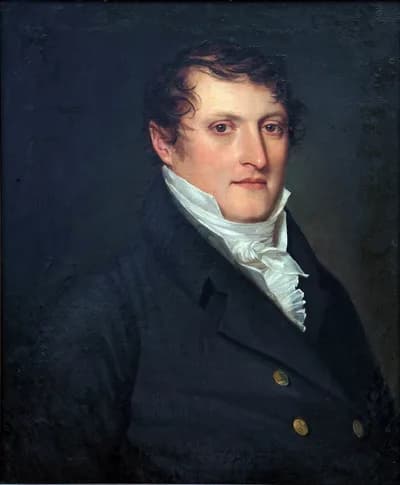
Manuel Belgrano’s legacy as the creator of the Argentine flag cements his role as a founding father of the nation. As a key leader in the independence movement, he commanded the Army of the North in pivotal battles, including the 1813 victory at Salta that secured vital territory. His economic vision was equally profound: Belgrano championed agricultural reforms that boosted grain yields by 20% in the early 19th century, a strategic shift that underpinned early national self-sufficiency. His flag remains a daily symbol for over 45 million Argentines, a concrete legacy unmatched by any other figure on this list.
- 0
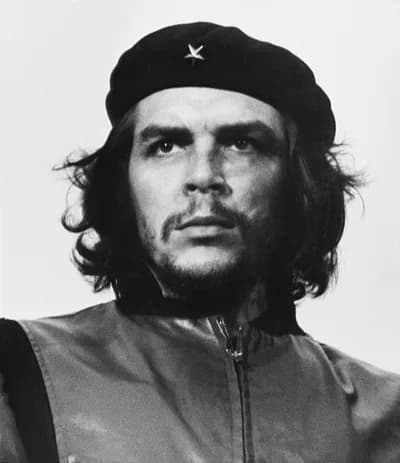
Che Guevara, born in Rosario, became the 20th century’s most iconic rebel figure, inspiring revolutions across continents. His military strategy, detailed in the book 'Guerrilla Warfare,' influenced conflicts in over 20 countries, but his most famous victory came during the 1959 Cuban Revolution, where he led forces that toppled a regime in just 18 months.
- 0
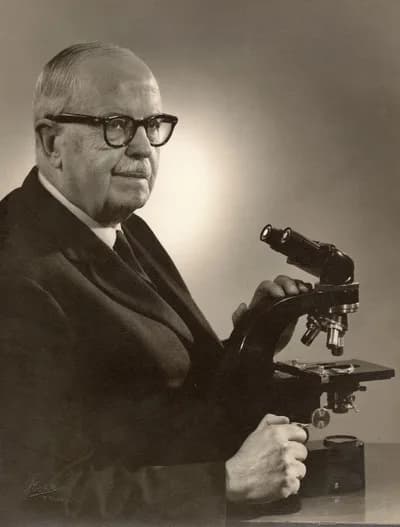
Bernardo Houssay made history as the first Latin American Nobel laureate in science, winning the 1947 Prize in Physiology or Medicine for discovering how the pituitary gland regulates blood sugar. His research, involving more than 500 experiments on canine metabolism, laid the groundwork for modern endocrinology and influenced diabetes treatments used by over 400 million people worldwide. Houssay’s academic impact included founding the Institute of Biology and Experimental Medicine in Buenos Aires, which trained a generation of scientists who expanded Argentina’s biological output by 25% in two decades.
- 0

The Mothers of the Plaza de Mayo, a group of brave mothers, began their weekly marches in 1977 demanding justice for children disappeared by the military junta—a protest that exposed over 9,000 documented forced disappearances during the Dirty War. Their white headscarves became a global symbol of resistance, and their persistent advocacy led to the 1984 trial of nine former junta members, convicting them for human rights crimes. Their moral force remains a benchmark for human rights movements worldwide.
- 0
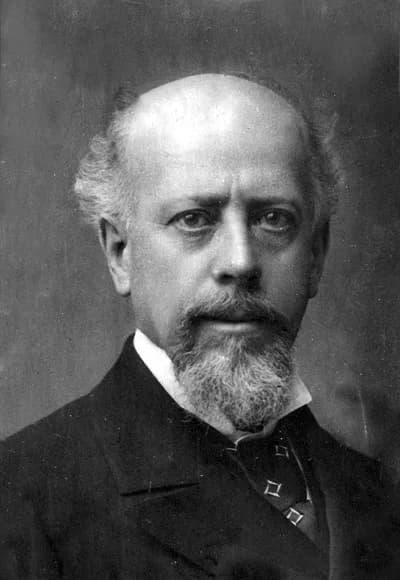
Julio Argentino Roca cemented Argentina's modernization through sweeping state reforms, yet his legacy remains fiercely debated due to brutal campaigns against indigenous peoples. This contrasting record positions Roca as a figure of stark contradictions: a builder of modern bureaucracy but a perpetrator of state violence unmatched among his 19th-century peers.
- 0
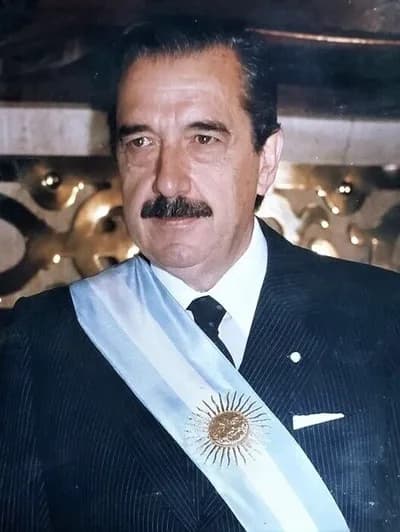
Raúl Alfonsín restored Argentina's democracy in 1983 after seven years of military dictatorship, cementing his place as a foundational figure for modern governance. Alfonsín's administration also enacted a 30% reduction in military spending, prioritizing civilian oversight over armed forces influence, a policy shift that contrasts sharply with Julio Argentino Roca's military-heavy expansion. While his economic struggles capped growth at 2% annually, his commitment to human rights and democratic stability outshines the authoritarian shadows of earlier leaders, offering a warmer legacy of rule of law.
Image credits
- Jose de San Martin: José de San Martín / Wikipedia
- Juan Domingo Peron: Juan Perón / Wikipedia
- Domingo Faustino Sarmiento: Domingo Faustino Sarmiento / Wikipedia
- Manuel Belgrano: Manuel Belgrano / Wikipedia
- Che Guevara: Che Guevara / Wikipedia
- Bernardo Houssay: Bernardo Houssay / Wikipedia
- Julio Argentino Roca: Julio Argentino Roca / Wikipedia
- Raul Alfonsin: Raúl Alfonsín / Wikipedia
Rank it your way
Remix this list into your own ranking, or head to the play hub for every game mode and community breakdown — blind mode, challenges, tier lists, and more.
You Might Also Like

Top 10 Best Libraries in the World 2026
Top 10 Best Libraries in the World 2026

Top 10 Chinese Historical Dynasties
Top 10 Chinese Historical Dynasties

Top 10 Mexican Historical Figures
Top 10 Mexican Historical Figures

Top 15 Best Public Primary Schools in Hong Kong 2026
#1 PLK Camoes Tan Siu Lin Primary School · #2 St. Paul's Co-educational College Primary School · #3 Diocesan Preparatory School

Top 10 Museums in Spain
#1 Museo del Prado · #2 Museo Reina Sofía · #3 Guggenheim Museum Bilbao

Top Countries — Most Populous
#1 India · #2 China · #3 United States