#7
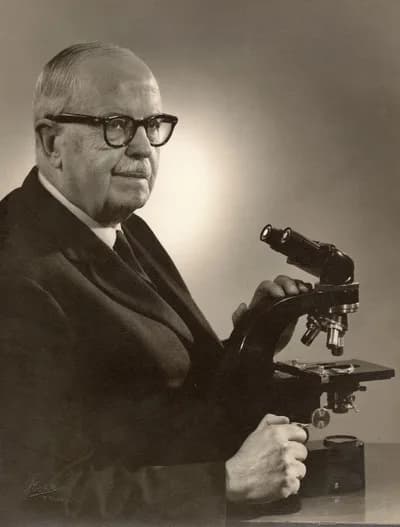
Bernardo Houssay
Bernardo Houssay made history as the first Latin American Nobel laureate in science, winning the 1947 Prize in Physiology or Medicine for discovering how the pituitary gland regulates blood sugar. His research, involving more than 500 experiments on canine metabolism, laid the groundwork for modern endocrinology and influenced diabetes treatments used by over 400 million people worldwide. Houssay’s academic impact included founding the Institute of Biology and Experimental Medicine in Buenos Aires, which trained a generation of scientists who expanded Argentina’s biological output by 25% in two decades.
–
Photos (1)
Comments on "Bernardo Houssay"
Have a take on this ranking?
Save your rankings and see how you compare. Comments are how the argument actually happens here. Posting one needs a free account — it takes about a minute.
No comments yet.
The first comment sets the terms of the argument.