
Wikimedia Commons
Top 10 Easiest Languages for English Speakers to Learn
The U.S. Foreign Service Institute has been training diplomats in foreign languages since 1947 and tracks exactly how long each language takes to learn. These are the languages that English speakers can reach professional working proficiency in fastest — backed by 75+ years of data from thousands of adult learners.
Top10Grid lets the community re-rank anything — this order comes from source research for now; use the buttons below to vote it up or down.

Current Rankings
- 0#1

The FSI rates Spanish as a Category I language requiring just 600-750 hours of study for professional proficiency. With 500 million native speakers, Spanish offers unlimited practice opportunities. The phonetic spelling means what you see is what you say — no silent letters, no guessing. English and Spanish share thousands of cognates (hospital, chocolate, telephone). Spanish is everywhere in American media, food, and culture, making immersion effortless even without leaving the U.S.
- 0#2

Dutch is English's closest living relative among major languages. The grammar is simpler than German (two genders instead of three, no case system in practice), and roughly 80% of Dutch vocabulary has a direct English cognate. "Water" is water. "Finger" is finger. The FSI rates it at 575-600 hours. The catch: the Dutch speak such excellent English that getting them to practice Dutch with you is the hardest part. 25 million native speakers in the Netherlands, Belgium, and Suriname.
- 0
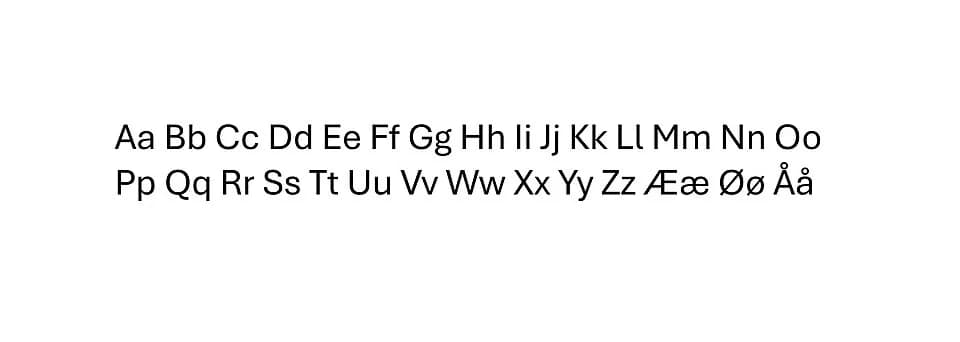
Norwegian has a remarkably English-friendly word order (subject-verb-object), simple verb conjugation (no changes for person or number), and thousands of shared Germanic roots. "Arm" is arm. "Finger" is finger. "Hammer" is hammer. The FSI rates it at 575-600 hours. Norwegian also unlocks mutual intelligibility with Swedish and Danish — learn one, understand three. The tonal element (two pitch accents) is the only tricky part, and messing it up rarely causes confusion. 5.3 million speakers.
- 0#4
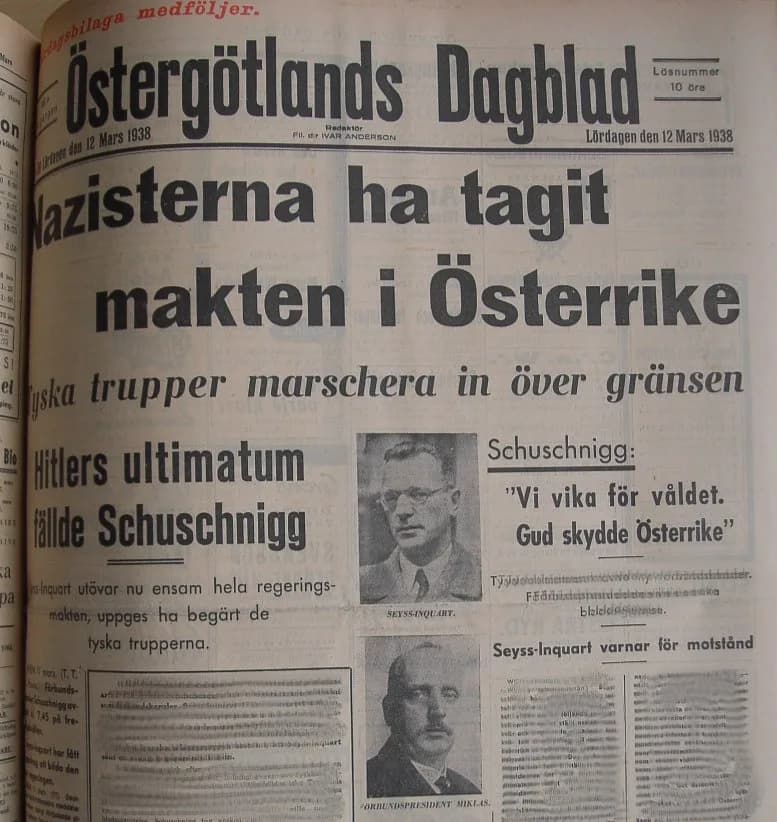
Swedish shares Norwegian's simplicity — no verb conjugation by person, straightforward word order, and massive vocabulary overlap with English. IKEA furniture names have been teaching the world Swedish for decades (KALLAX means "cold" + suffix, MALM means "ore"). The pitch accent exists but is less prominent than Norwegian. Swedish has more learning resources than Norwegian thanks to a larger population (10 million speakers) and Sweden's outsized cultural exports in music, gaming, and design.
- 0
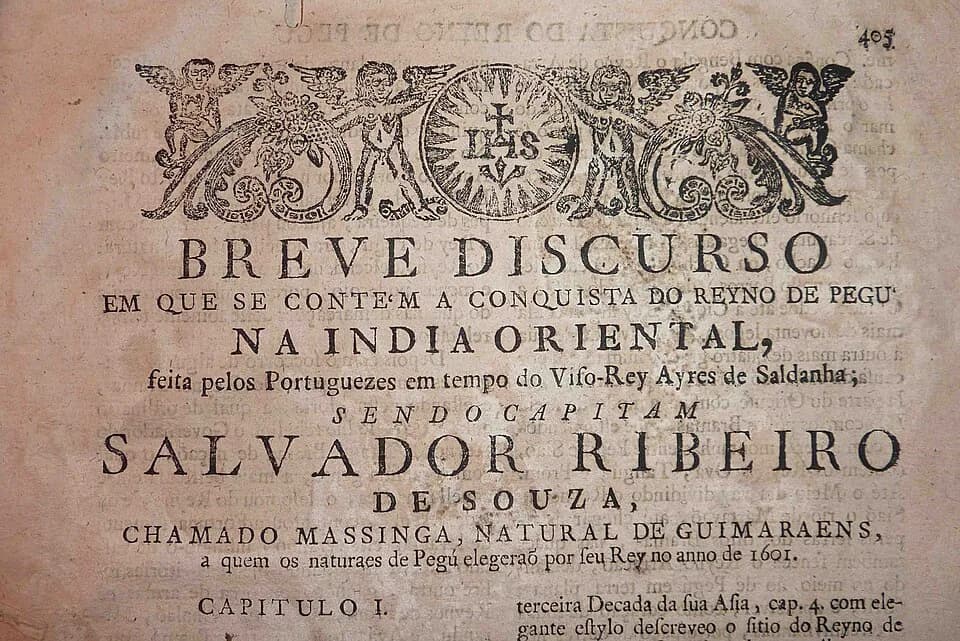
Portuguese is Spanish's sibling — if you know one, you're halfway to the other. The FSI rates it at 575-600 hours for speakers with no prior Romance language knowledge. Brazilian Portuguese is generally considered easier for English speakers due to its open vowels and clearer pronunciation (European Portuguese swallows vowels like it's in a hurry). With 260 million speakers across Brazil, Portugal, Mozambique, and Angola, Portuguese opens doors across four continents.
- 0#6
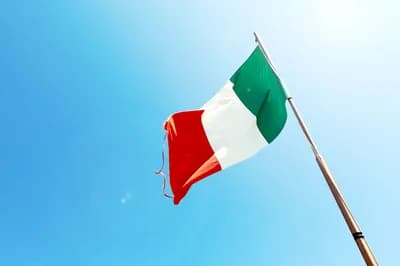
Italian is the most phonetically consistent Romance language — every letter is always pronounced the same way. No silent letters, no ambiguity. The musicality of Italian makes pronunciation intuitive and enjoyable. Grammar is more complex than Spanish (more verb tenses, gendered articles that change with prepositions), but the vocabulary overlap with English is enormous thanks to Latin roots and centuries of Italian influence on music, food, art, and architecture. 67 million native speakers. FSI: 600 hours.
- 0#7
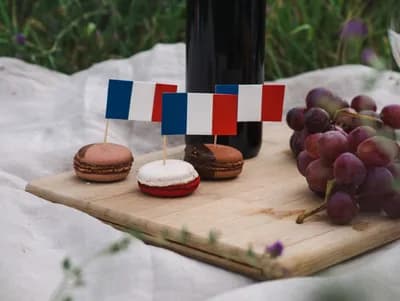
English borrowed roughly 29% of its vocabulary from French after the Norman Conquest of 1066 — words like "restaurant," "entrepreneur," "cliche," and "regime" are already in your vocabulary. The FSI rates French at 600 hours. The main difficulty is pronunciation: nasal vowels, silent final consonants, and liaison (linking words together) make spoken French significantly harder than written French. But French is spoken across 29 countries on five continents, making it one of the most geographically useful languages on Earth.
- 0
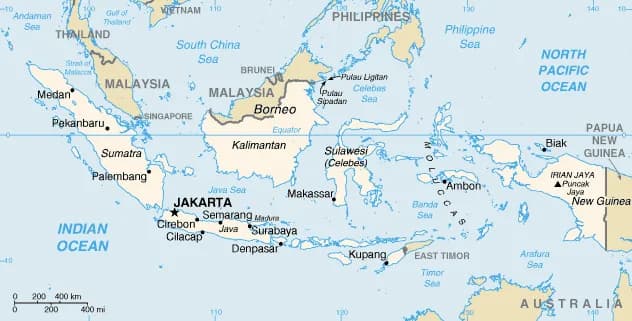
The hidden gem of easy languages. Indonesian (Bahasa Indonesia) uses the Latin alphabet, has no verb conjugation, no grammatical gender, no tenses (context and time words handle everything), and no tones. Plurals are formed by repeating the word: "child" is anak, "children" is anak-anak. The language was deliberately simplified in the 20th century as a lingua franca for Indonesia's 700+ languages. The FSI rates it at 900 hours (Category III), but many learners report conversational ability much faster.
- 0

Afrikaans is essentially simplified Dutch — it dropped most of the complex grammar that Dutch retained from its Germanic roots. No verb conjugation by person (the verb stays the same regardless of who's doing it), no grammatical gender for practical purposes, and a logical, almost formulaic sentence structure. It's the youngest Germanic language, standardized only in the early 20th century. About 7 million native speakers in South Africa and Namibia. Many linguists consider it the single easiest language for English speakers to learn.
- 0#10

The only Romance language that retained the case system from Latin, which sounds intimidating but is actually simpler than German's. Romanian shares 77% lexical similarity with Italian and has a highly phonetic spelling system. English speakers benefit from massive vocabulary overlap via Latin and French roots. The definite article is attached to the end of the word ("lupul" = "the wolf"), which is unusual but learnable. 24 million native speakers. FSI: 600 hours. It's the Romance language most people forget exists.
Image credits
- Spanish: Wikimedia Commons / Public domain (entity-adopted)
- Dutch: Wikimedia Commons
- Norwegian: 12u / CC0 (entity-adopted)
- Swedish: Wikimedia Commons / Public domain (entity-adopted)
- Portuguese: Victorcouto / Public domain (entity-adopted)
- Italian: Ulrick Trappschuh / Pexels
- French: Polina ⠀ / Pexels
- Indonesian: Central Intelligence Agency / Public domain (entity-adopted)
- Afrikaans: Wikimedia Commons
- Romanian: Wikimedia Commons
Related Videos
Rank it your way
Remix this list into your own ranking, or head to the play hub for every game mode and community breakdown — blind mode, challenges, tier lists, and more.
You Might Also Like

Top 10 Best Online Learning Platforms 2026
Top 10 Best Online Learning Platforms 2026

Top 10 Relationship Books That Couples Therapists Actually Assign
Top 10 Relationship Books That Couples Therapists Actuall...

The Most Spoken Languages on Earth
The Most Spoken Languages on Earth
Lives Worth Reading: Biographies That Actually Captivate
#1 Steve Jobs — Walter Isaacson (2011) · #2 The Diary of a Young Girl — Anne Frank (1947) · #3 Long Walk to Freedom — Nelson Mandela (1994)

Top 10 Most Banned and Challenged Books in History
#1 1984 — George Orwell · #2 The Catcher in the Rye — J.D. Salinger · #3 The Adventures of Huckleberry Finn — Mark Twain

Top 10 Scholarships Most Students Don't Know Exist (2026 Apply Guide)
#1 Coca-Cola Scholars Program · #2 Gates Millennium Scholars Program · #3 Jack Kent Cooke Foundation Scholarship