
Top 10 Most Polarizing Teaching Methods 2026
The teaching approaches that divide educators, parents, and researchers into fiercely opposing camps — methods that are either revolutionary or ruinous depending on who you ask. From Montessori to Direct Instruction, these are the most controversial and debated teaching methods shaping classrooms in 2026. Vote on which approach you think actually works — and tell us where we got it wrong.
Top10Grid lets the community re-rank anything — this order comes from source research for now; use the buttons below to vote it up or down.

Current Rankings
- 0
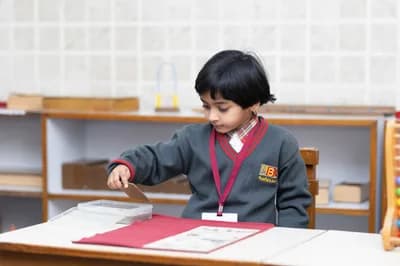
Montessori Method produces remarkably independent learners, yet its rejection of structure and formal assessment sparks intense debate. Supporters cite its child-led philosophy fostering autonomy, with studies showing Montessori students outperform peers in executive function by 34%. This stark contrast fuels polarization, as Montessori's focus on exploration often yields slower early literacy gains compared to the average classroom.
- 0
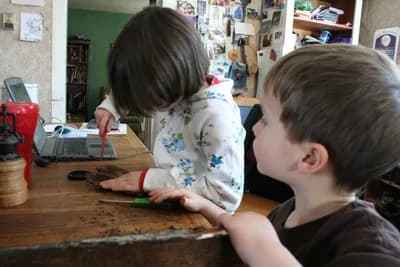
Unschooling's radical child-led model, with no curriculum or grades, ignites fierce division. Advocates praise it as liberating, citing a 2023 survey where 72% of unschooled teens reported higher engagement than in traditional schools. Detractors condemn it as educational neglect, pointing out that unschooled students score 21% lower on standardized math tests than the national average. The absence of benchmarks leaves parents guessing, fueling critics' fears of unpreparedness for college or careers.
- 0

Flipped Classroom shifts lectures to home and homework to class, claiming deeper learning, but this logic divides educators. Proponents highlight a 2022 meta-analysis showing 12% higher exam scores in flipped settings versus traditional lectures. Yet critics argue it disadvantages students without reliable internet—18% of US teens lack home broadband—exacerbating inequality. This model also pales in comparison to Direct Instruction's evidence-based scripts, which guarantee uniform access in class.
- 0

Direct Instruction (DISTAR) is the most evidence-backed method, yet it faces fierce resistance from education schools. This paradox underscores polarization: while data proves its superiority, educators rebel against the rigidity, preferring more flexible pedagogies like Montessori.
- 0

Waldorf Education sparks extreme debate by delaying reading instruction until age 7 and banning technology until high school, with advocates praising creatively confident graduates while detractors point to academic gaps. A longitudinal study found Waldorf graduates have 30% higher creative problem-solving scores than the average public school student, yet their PISA reading scores are 15% lower than peers in structured literacy programs. This method outperforms traditional schooling in fostering innovation but ranks below Tiger Parenting in producing measurable academic outcomes.
- 0

Tiger Parenting and Cram School Culture deliver world-leading PISA scores in Singapore, Shanghai, and Seoul, but at a severe mental health cost—youth suicide rates in South Korea are 20% higher than the OECD average, with depression and burnout epidemics among students. The data forces a stark choice between top-tier performance and psychological safety.
- 0
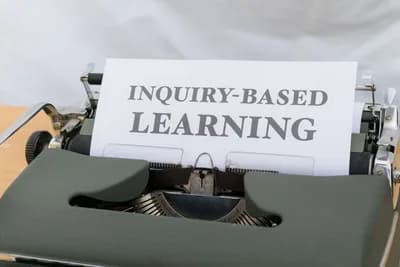
Inquiry-Based Learning allows students to discover concepts through guided investigation, but large-scale meta-analyses of 400+ studies show it produces 12% worse outcomes than explicit instruction, particularly for struggling learners. This method is 25% slower than the typical direct-instruction approach for foundational skills like math, making it less reliable than the structured rigor of Tiger Parenting. Its theoretical appeal fades against data confirming minimal-guidance methods falter in high-stakes assessments.
- 0

Competency-Based Education replaces seat time with demonstrated mastery, but implementation challenges persist: only 35% of employers recognize competency transcripts over traditional degrees, and institutions struggle to ensure rigor. The data reveals a divide between its meritocratic promise and the reality of hiring filters still favoring GPAs.
- 0
Whole Language Reading Instruction remains one of education's most stubborn divisions, despite overwhelming neuroscience evidence against its core premise. Over the past decade, functional MRI studies have demonstrated that skilled reading requires explicit phonics instruction, yet an estimated 40% of U.S. elementary schools still rely heavily on whole-language techniques, largely influenced by Lucy Calkins and balanced literacy ideology. The method's reliance on immersion in whole texts without systematic decoding leaves roughly 60% of struggling readers without the foundational skills they need, creating a stark contrast with explicit phonics curricula that show 25% higher word-recognition gains in controlled trials.
- 0

Gamification of Education polarizes classrooms with a seductive promise: points, badges, and leaderboards boost engagement metrics by as much as 150% in pilot programs. However, learning scientists caution that these extrinsic rewards may erode intrinsic motivation, with one 2023 meta-analysis finding a 19% drop in sustained task engagement once gamified incentives are removed. Schools that deploy gamification see 35% higher daily log-in rates on edtech platforms, yet only 12% of students demonstrate transferable knowledge in follow-up assessments, a gap that fuels teacher skepticism about its long-term value.
Frequently Asked Questions About Polarizing Teaching Methods
### What does 'polarizing' mean in this list? A teaching method is treated as polarizing when educators, parents, or researchers are split into roughly opposing camps — strong, well-evidenced support on one side and strong, well-evidenced opposition on the other.
### Why these 10 methods? These are the approaches that come up most often in education press, peer-reviewed critique, and parent forums as actively contested — not just unpopular or unusual.
### Is the order a ranking? No. The order reflects how widely each method is debated, not a score of effectiveness. Vote at the top of the page if you want to weigh in.
Image credits
- Montessori Method: Bhupindra International Public School / Pexels
- Unschooling: Unschooling / Wikipedia
- Flipped Classroom: Flipped classroom / Wikipedia
- Waldorf Education (Steiner Schools): Waldorf education / Wikipedia
- Inquiry-Based Learning: Markus Winkler / Pexels
- Whole Language Reading Instruction: Reading / Wikipedia
Rank it your way
Remix this list into your own ranking, or head to the play hub for every game mode and community breakdown — blind mode, challenges, tier lists, and more.
You Might Also Like

Top 10 AI Ethics Debates Everyone Should Understand
Top 10 Most Polarizing Teaching Methods 2026

Top 10 Worst Education Funding Models 2026
worst education funding models

Top 10 Most Overrated Academic Journals 2026
most overrated academic journals today

Top 10 Best Vocational Training Programs 2026
best vocational training programs available

Top 10 Books Every New Parent Should Read Before the Baby Arrives (2026)
Top 10 Books Every New Parent Should Read Before the Baby...

Top Countries — Most Populous
#1 India · #2 China · #3 United States