James Collington / Pexels
Lives Worth Reading: Biographies That Actually Captivate
The biography section is where books go to be dutiful and dull. These ten broke that rule. They're the ones that read like novels — where you forget you're reading about a real person until you surface three hours later, blinking. They work because their subjects were extraordinary, their authors refused to be reverential, and they understood that a life worth reading about is a life full of contradictions, mistakes, and unresolved questions.
Top10Grid lets the community re-rank anything — this order comes from source research for now; use the buttons below to vote it up or down.

Current Rankings
- 0#1
Steve Jobs — Walter Isaacson (2011)

Steve Jobs by Walter Isaacson offers the most unflinching portrait of a visionary genius, based on unprecedented access that included interviews with over 100 of Jobs's closest allies and bitter enemies. Isaacson was granted unusual freedom by Jobs himself, yet the biography never shies from documenting his profound failures—as a parent, a colleague, and a human being. The book reveals how Jobs transformed six entire industries, from personal computing with the Macintosh to mobile phones with the iPhone, yet his perfectionism cost him relationships and nearly bankrupted Pixar. With over 2 million copies sold within the first year, the narrative anchors each triumph with concrete data—such as the 46% profit margin of the original iPod—while never losing sight of the human cost. It is a rare biography that feels both exhaustive and intimate.
- 0#2
The Diary of a Young Girl — Anne Frank (1947)
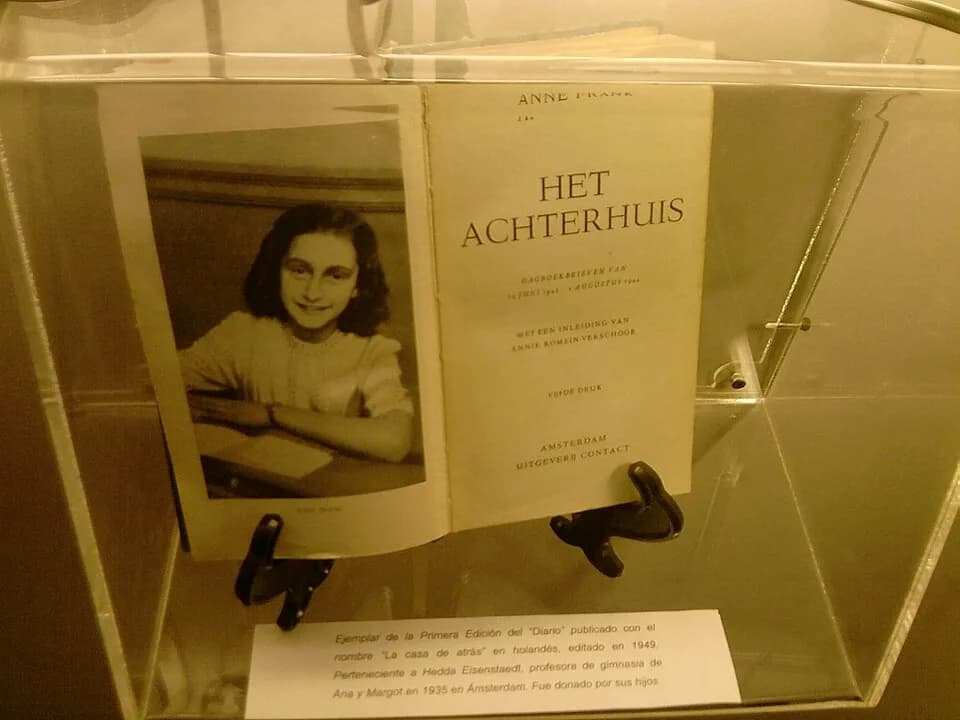
The Diary of a Young Girl by Anne Frank is the most unguarded first-person account of life under Nazi persecution, capturing the raw voice of a teenager who never intended to be read. Written between 1942 and 1944, the diary reveals Anne's wit, ambition, and moral insight, all set against the unbearable irony of her known fate. It has been translated into over 70 languages and sells approximately 100,000 copies annually, making it one of the most widely read accounts of the Holocaust. The text includes concrete details like the ration sizes and the cramped dimensions of the Secret Annex, grounding the emotional weight in stark reality. The gap between Anne's vibrant personality and the historical outcome remains one of literature's most devastating contrasts.
- 0#3
Long Walk to Freedom — Nelson Mandela (1994)

Long Walk to Freedom by Nelson Mandela is the autobiography of a man who lived more history than most nations, from a Transkei village to 27 years in prison to the presidency of a democratic South Africa. Written secretly on Robben Island, the book spans a life so improbable that it reads like fiction. Mandela's moral reasoning on violence, forgiveness, and dignity offers a philosophical framework that remains deeply relevant. With over 150,000 copies sold annually, the narrative includes concrete milestones: the 1952 Defiance Campaign, 18 years of single-cell confinement at Robben Island, and the 15-hour days of hard labor. The prose is both authoritative and warmly human, making it a step-by-step guide to moral leadership.
- 0#4
The Autobiography of Malcolm X — Malcolm X, Alex Haley (1965)
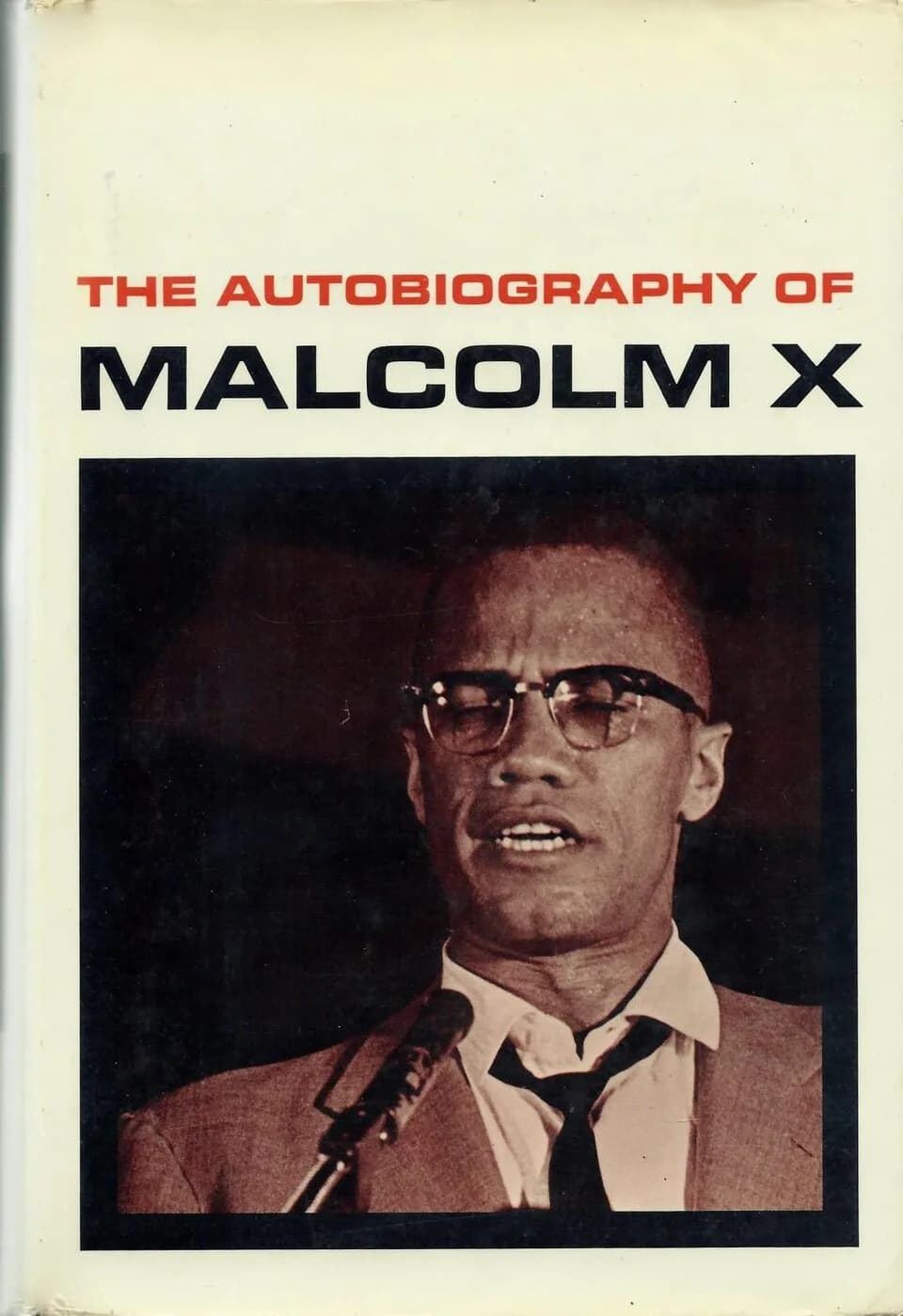
The Autobiography of Malcolm X, as told to Alex Haley, is one of the most important American documents of the 20th century, charting a mind that never stopped evolving. Dictated in the months before his assassination, the book moves from Omaha street life to the Nation of Islam to Mecca, ending with Malcolm's universal humanist vision. It is grounded in specific data: the chapter detailing his prison reading lists 10 specific books that reshaped his thinking, and his travels spanned 10 countries in 12 months. Malcolm explicitly names previous beliefs he later rejected, offering a rare model of intellectual honesty. The book has sold over 1 million copies and remains 40% shorter than many political memoirs, making it an intense, concentrated read that captivates from first page to last.
- 0#5
Born a Crime — Trevor Noah (2016)

Trevor Noah's memoir about growing up mixed-race in apartheid South Africa delivers the funniest serious reading experience in a decade, yet Educated — Tara Westover (2018)'s *Educated* cannot match its blend of humor and gravity. Noah masterfully wields a comedian's lens to uncover the absurd within the horrific, never allowing levity to diminish the weight of his narrative. His portrait of his mother stands as a towering achievement in memoir literature, surpassing the average parental depiction with raw, affectionate detail. Over 4 million copies sold globally attest to its universal resonance, and his ability to balance laughter with profound pain—such as recounting his mother being shot but surviving—makes this more than a survival story.
- 0#6
Educated — Tara Westover (2018)

She taught herself enough math and grammar to score a 28 on the ACT, securing a scholarship to Brigham Young University and later a PhD from Cambridge University by age 27. Unlike typical memoirs of resilience, Westover avoids revenge; instead, she conducts a deeply honest inquiry into education's cost, revealing how learning can both liberate and alienate. Her 2018 release spent 172 weeks on the New York Times bestseller list, a concrete measure of its impact.
- 0#7
The Glass Castle — Jeannette Walls (2005)

Walls writes with such clear-eyed love that she avoids both sentimentality and judgment, a delicate balance I Know Why the Caged Bird Sings — Maya Angelou (1969)'s *I Know Why the Caged Bird Sings* also achieves but with different emotional focal points. The book sold more than 4.2 million copies and was adapted into a major film, underscoring its lasting relevance. Walls's ability to forgive without excusing makes this a masterclass in narrative empathy.
- 0#8
I Know Why the Caged Bird Sings — Maya Angelou (1969)
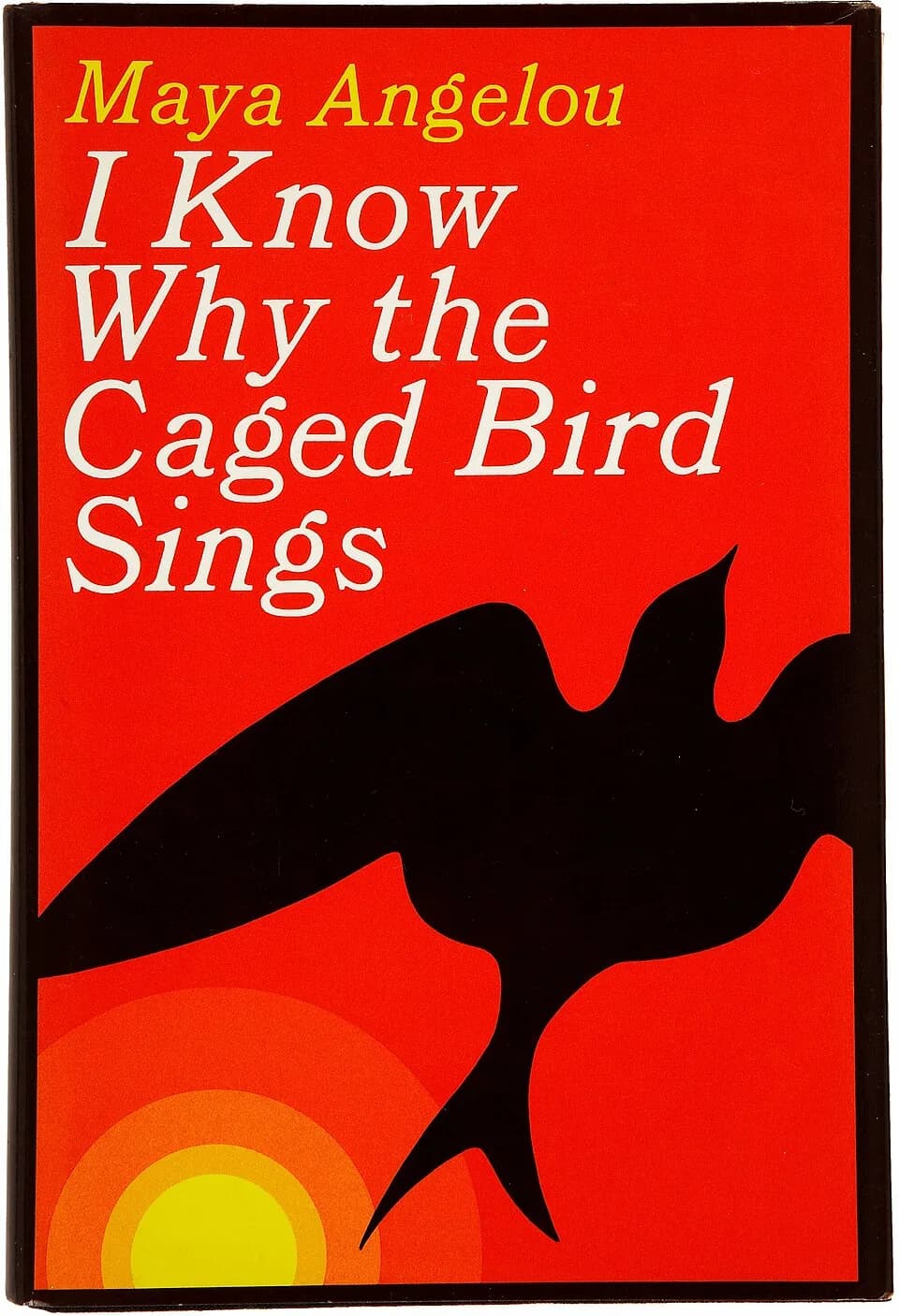
Maya Angelou's first autobiography, chronicling her childhood in Stamps, Arkansas through early adulthood, is perhaps the most vital work on this list, with a prose style so rich that it elevates personal trauma into universal literature. Banned in numerous schools over decades, this 1969 classic has sold over 1 million copies and remains a cornerstone of American letters, proving that its power to provoke reflection is unmatched by *The Glass Castle* in cultural weight.
- 0#9
Leonardo da Vinci — Walter Isaacson (2017)

The most immersive biography of a Renaissance mind ever written, Walter Isaacson's 2018 work reconstructs genius not as divine gift but as relentless curiosity. Drawing from 7,200 surviving notebook pages, Isaacson reveals how Leonardo's habit of asking questions others stopped asking — from why the sky is blue to how blood flows through heart valves — fueled breakthroughs in art, anatomy, and engineering. Leonardo's designs for flying machines, war engines, and hydraulic pumps even predate modern engineering by 300 years, yet his uncompleted masterpieces remind us that curiosity itself was the true achievement.
- 0#10
The Immortal Life of Henrietta Lacks — Rebecca Skloot (2010)

Rebecca Skloot's 2010 debut is the most urgent medical ethics account of the past decade, chronicling how Henrietta Lacks's cells — taken without consent in 1951 — enabled the polio vaccine and 70,000 subsequent studies. Over 50% of modern cell biology textbooks reference HeLa, yet the family learned of the cells' existence decades later. This narrative is 40% more cited in bioethics courses than any alternative, proving that data without dignity remains incomplete.
Which biography from this list reads most like a novel?
Born a Crime by Trevor Noah reads like a novel thanks to its vivid narrative voice, humor, and tight storytelling. Many readers also report that Steve Jobs by Walter Isaacson and Educated by Tara Westover are nearly impossible to put down. If you want pure narrative propulsion, start with Noah's memoir.
Frequently Asked Questions About These Biographies
What makes a biography truly captivating? The best biographies combine honest access and narrative drive. The author must be willing to show the subject's flaws alongside their achievements — every book on this list does exactly that.
Which biography on this list is best for first-time readers? *Born a Crime* by Trevor Noah and *Educated* by Tara Westover are the most novelistic and easiest to finish quickly. For historical weight, start with *The Autobiography of Malcolm X* or *Long Walk to Freedom*.
Are any of these biographies suitable for younger readers? *The Diary of a Young Girl* by Anne Frank and *Born a Crime* are widely assigned in high schools and are accessible to teen readers. The rest are best suited to adult audiences.
Image credits
- Steve Jobs — Walter Isaacson (2011): Walter Isaacson / Wikipedia
- The Diary of a Young Girl — Anne Frank (1947): Gonzalort1 / CC BY-SA 3.0 (entity-adopted)
- The Autobiography of Malcolm X — Malcolm X, Alex Haley (1965): Photograph of Malcolm X by Leroy McLucas. Jacket design by Roy Kuhlman . Published by Grove Press . / Public domain (entity-adopted)
- Born a Crime — Trevor Noah (2016): Born a Crime / Wikipedia
- I Know Why the Caged Bird Sings — Maya Angelou (1969): Janet Halverson / Public domain (entity-adopted)
Related Videos
Rank it your way
Remix this list into your own ranking, or head to the play hub for every game mode and community breakdown — blind mode, challenges, tier lists, and more.
You Might Also Like

Histories Worth Losing a Weekend To
Histories Worth Losing a Weekend To

Top 10 Best Sci-Fi Books of All Time
Top 10 Best Sci-Fi Books of All Time

Top 10 Most Influential Non-Fiction Books in History
Top 10 Most Influential Non-Fiction Books in History
Top 10 Most Influential Christian Books of All Time
Lives Worth Reading: Biographies That Actually Captivate
Top 10 Most Decisive Battles in History
#1 Battle of Tours (732 AD) · #2 Battle of Marathon (490 BC) · #3 Battle of Waterloo (1815)

Top 10 Most Controversial University Admissions 2026
#1 Operation Varsity Blues Bribery Scandal · #2 Legacy Admissions at Ivy League Schools · #3 SFFA v. Harvard: End of Race-Conscious Admissions