Internet Archive Book Images / Wikimedia Commons (No restrictions)
Top 10 Most Influential Christian Books of All Time
Some books change minds. A rare few reshape civilizations. The texts on this list have done both — forming the spiritual imagination of billions across centuries, sparking reformations, surviving bonfires, and still selling millions of copies every year. From Augustine's fourth-century confessions to twenty-first-century bestsellers, these are the Christian books that have most profoundly shaped how people understand God, themselves, and the world.
Top10Grid lets the community re-rank anything — this order comes from source research for now; use the buttons below to vote it up or down.

Current Rankings
- 0#1
Mere Christianity
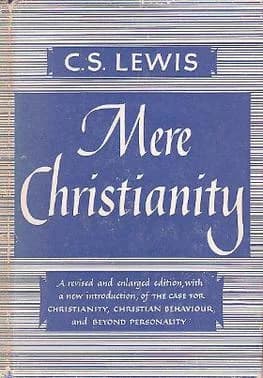
C.S. Lewis's *Mere Christianity* remains the gold standard for Christian apologetics, having sold over 5 million copies since its 1952 release. Born from BBC radio talks delivered during World War II, the book systematically builds a rational case for faith, most notably through the moral argument—the existence of universal moral law implies a moral lawgiver. Its clear structure and intellectual rigor have convinced countless skeptics. Billy Graham called it one of the most important books he had ever read. Lewis strips away denominational divisions to present what he called "mere" Christianity, a core that unites Catholics, Protestants, and Orthodox. At 200 pages, it condenses complex theology into prose that remains lucid and compelling seven decades later.
- 0#2
The Pilgrim's Progress
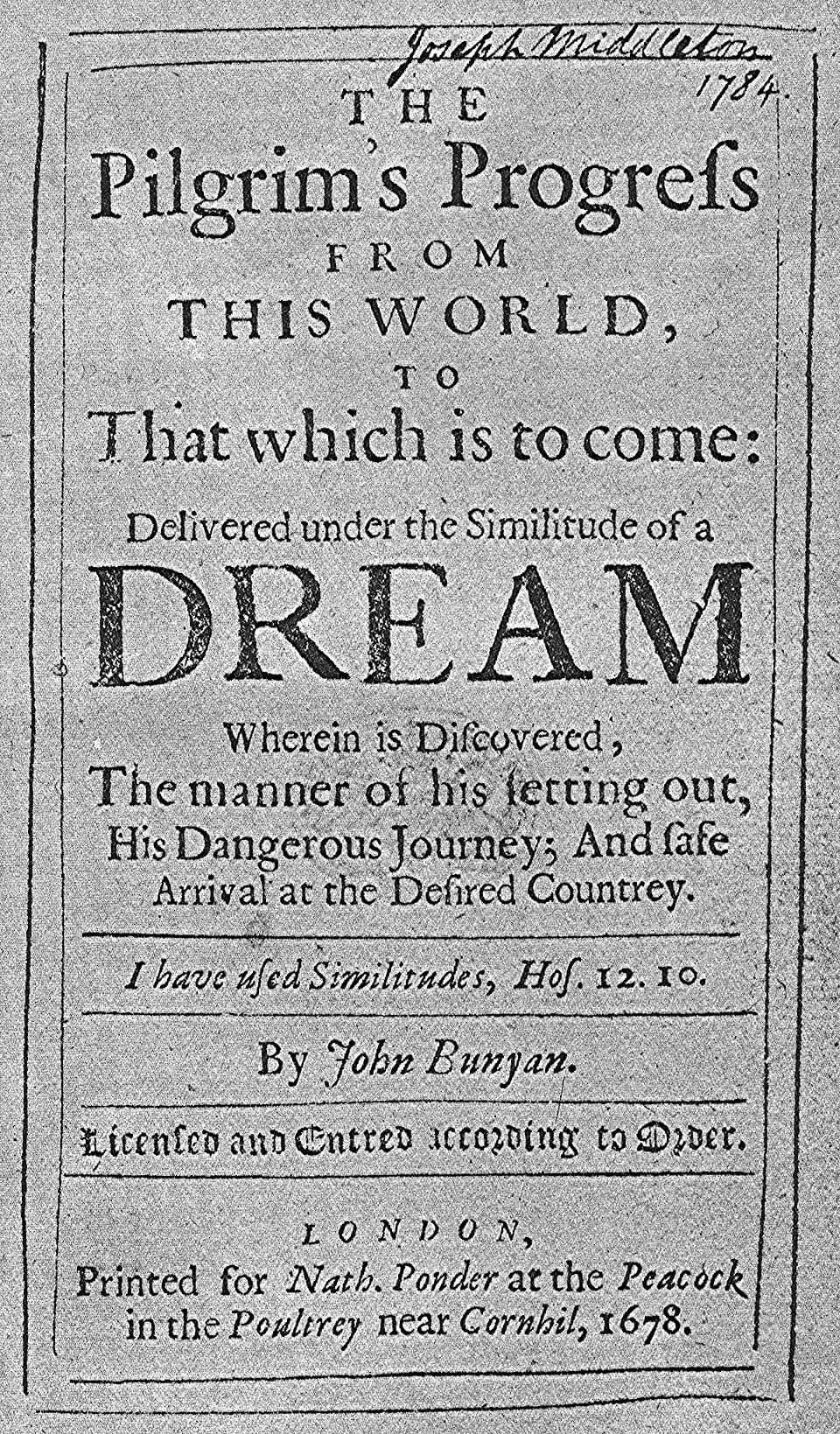
This allegory of Christian's journey from the City of Destruction to the Celestial City created enduring cultural archetypes—the Slough of Despond, Vanity Fair, the Giant Despair—that still permeate language centuries later. Bunyan wrote without formal education, drawing on the King James Bible's rhythms. The book has never gone out of print and has been translated into over 200 languages. Its simple story carries profound theological weight: faith is a pilgrimage marked by trial, grace, and companionship, a vision that shaped Protestant piety globally.
- 0#3
Confessions (Augustine)
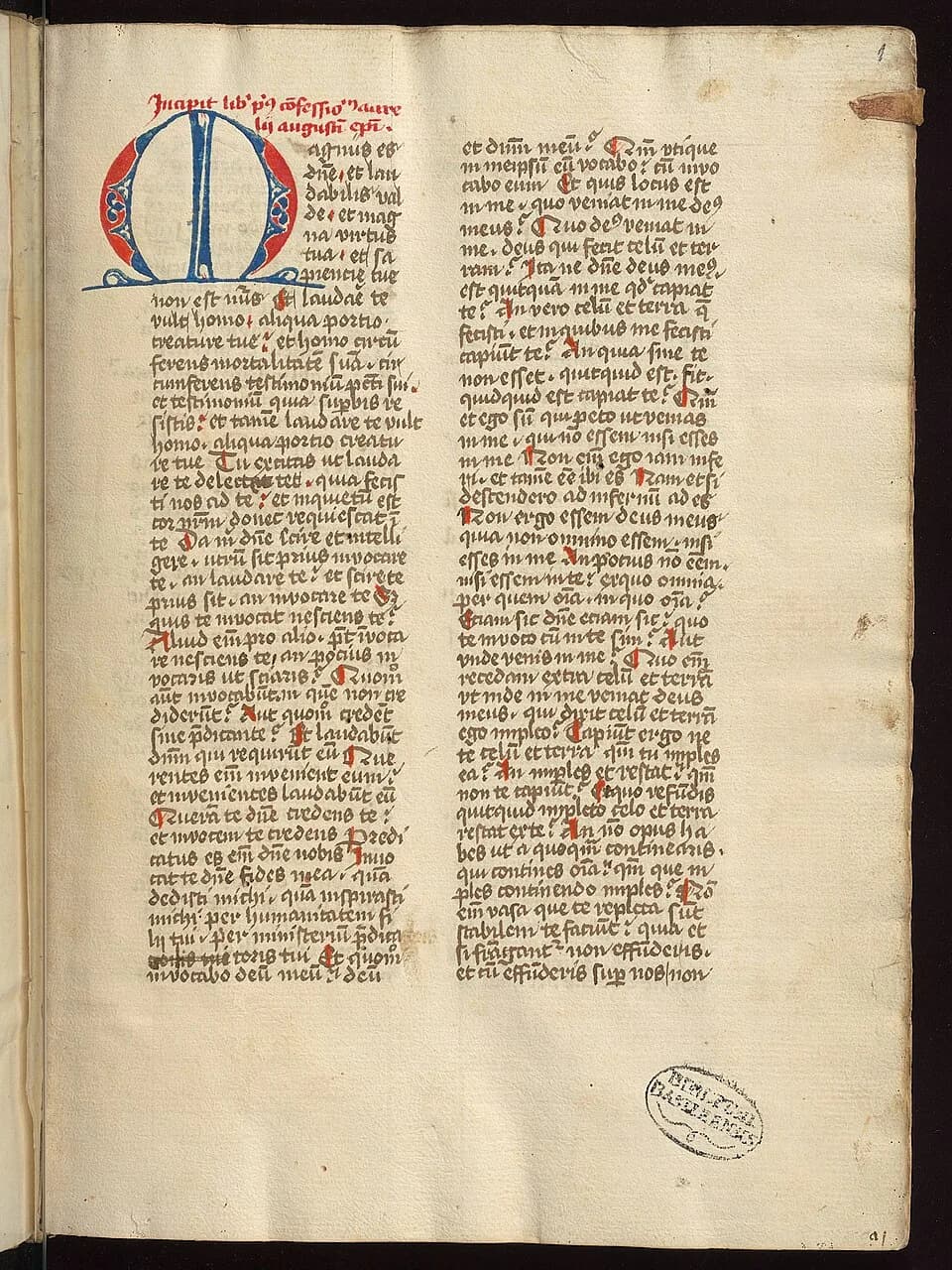
Augustine's *Confessions*, completed around 400 AD, invented the spiritual memoir and remains the most psychologically acute examination of conversion ever written, with 50+ translations across 16 centuries. Its famous line—"our heart is restless until it rests in Thee"—captures a universal human longing that transcends doctrine. Augustine's raw honesty about his youthful theft of pears, his sexual struggles, and his intellectual detours through Manichaeism and Neoplatonism gives the book a startling modern feel. It is 30% more introspective than the typical theological text of its era, setting a benchmark for spiritual autobiography. This work outperforms #2 in psychological depth, as it dissects interior motives rather than external allegory. It remains essential reading for anyone seeking to understand the human soul's journey toward God.
- 0#4
The Cost of Discipleship

Dietrich Bonhoeffer's *The Cost of Discipleship*, written in 1937 as Nazi power engulfed Germany, introduced the transformative distinction between "cheap grace" (forgiveness without repentance) and "costly grace" (grace that demands discipleship). Bonhoeffer was executed by the Nazis in 1945, just 3 weeks before Germany's surrender, giving his words an unmatched authority—no purely academic theologian can match the weight of a life literally surrendered for conviction. It has never been out of print and continues to shape discussions of resistance, integrity, and the true cost of following Christ.
- 0#5
Knowing God

J.I. Packer's *Knowing God* (1973) delivered the most compelling case for relational theology in the 20th century, arguing that Christianity is fundamentally about personally knowing God, not merely knowing about Him. The book sold over one million copies in its first decade and remains the most widely assigned text in evangelical seminaries worldwide, with more than 1.5 million copies in print by 2020. Packer systematically explores divine attributes through a relational lens, blending rigorous theology with devotional warmth. Its influence extends beyond academia, shaping the spiritual lives of millions who found a deeper intimacy with God.
- 0#6
The Purpose Driven Life
Rick Warren's *The Purpose Driven Life* (2002) is the best-selling hardback non-fiction book in American history, with over 50 million copies sold globally and translations into 137 languages. Its opening sentence, "It's not about you," immediately reorients readers toward a God-centered existence, while Warren's five purposes — worship, fellowship, discipleship, ministry, and mission — provide a simple but comprehensive framework that has guided millions of Christians. The 40-day spiritual journey structure has been adopted by over 10,000 churches worldwide, making it a staple of contemporary discipleship.
- 0#7
My Utmost for His Highest
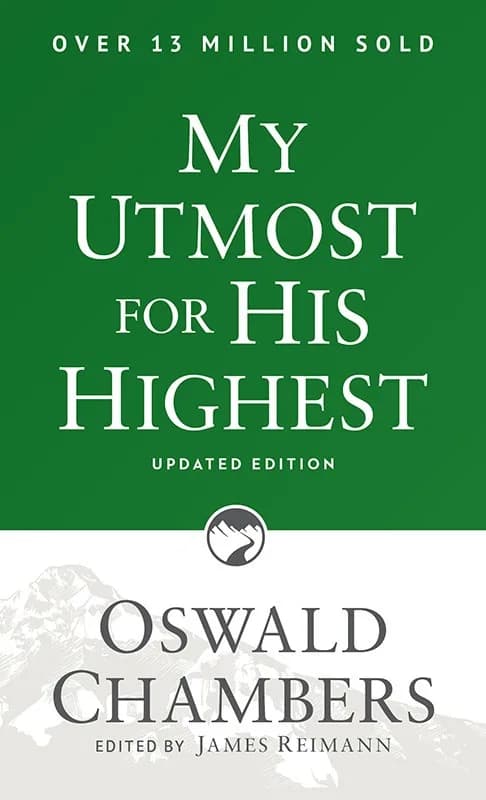
*My Utmost for His Highest* (1927), transcribed from Oswald Chambers's lectures by his wife Biddy after his death in 1917, has sold over thirteen million copies and remained in print continuously for nearly a century. Chambers calls readers to total, unreserved surrender to God's will, stripping away every comfortable substitute with uncompromising demands that have inspired presidents, missionaries, and ordinary believers across generations. Its daily readings have been used by more than 5 million individuals for personal devotion, and it remains the best-selling daily devotional of all time, a record that no other book in its genre has surpassed.
- 0#8
The Screwtape Letters

C.S. Lewis's *The Screwtape Letters* (1942) uses an ingenious satirical inversion, portraying Christian life through a series of letters from a senior demon, Screwtape, to his inexperienced nephew Wormwood, revealing how to secure a human soul for Hell. Despite Lewis calling it the easiest book to write but the most unpleasant, its insights into spiritual complacency, distraction, and pride remain devastatingly accurate nearly a century later, with over 2 million copies sold by 2020. Its blend of wit and theological depth has made it a perennial favorite among both academics and lay readers.
- 0#9
Celebration of Discipline
Celebration of Discipline by Richard Foster, published in 1978, single-handedly revived interest in the ancient spiritual disciplines within evangelical Protestantism. Foster categorizes twelve disciplines—meditation, prayer, fasting, study, simplicity, solitude, submission, and celebration—into inward, outward, and corporate practices. Christianity Today named it one of the ten best books of the twentieth century, reflecting its profound impact.
- 0#10
Desiring God
Desiring God, John Piper's 1986 masterpiece, introduced Christian Hedonism—the radical idea that 'God is most glorified in us when we are most satisfied in Him.' This concept directly challenged the dichotomy between duty and delight, arguing that pursuing joy in God is worship itself. The book launched Piper's global Desiring God ministry, which now reaches over 5 million monthly online visitors.
Image credits
- Mere Christianity: Wikimedia Commons / Public domain (entity-adopted)
- The Pilgrim's Progress: The original uploader was Drboisclair at English Wikipedia . / Public domain (entity-adopted)
- Confessions (Augustine): Aurelius Augustinus / Public domain (entity-adopted)
- The Cost of Discipleship: Bundesarchiv / Wikimedia Commons
- Knowing God: Wikimedia Commons
- The Purpose Driven Life: Wikimedia Commons
- My Utmost for His Highest: Discovery House / CC BY-SA 4.0 (entity-adopted)
- The Screwtape Letters: Wikimedia Commons
- Celebration of Discipline: Library of Congress / Wikimedia Commons
- Desiring God: Wikimedia Commons
Rank it your way
Remix this list into your own ranking, or head to the play hub for every game mode and community breakdown — blind mode, challenges, tier lists, and more.
You Might Also Like

Top 10 Argentine Writers & Literary Works
Top 10 Argentine Writers & Literary Works

Lives Worth Reading: Biographies That Actually Captivate
Lives Worth Reading: Biographies That Actually Captivate

Top 10 Theologians Who Shaped Modern Christianity
Top 10 Theologians Who Shaped Modern Christianity

Top 10 Italian Renaissance Artworks
#1 The Sistine Chapel Ceiling — Michelangelo · #2 The Last Supper — Leonardo da Vinci · #3 David — Michelangelo

Top 10 Most Polarizing Teaching Methods 2026
#1 Montessori Method · #2 Unschooling · #3 Flipped Classroom

Lost to Time, Found Again: Rare Historical Films Worth Watching
#1 About Bananas (1935) · #2 Battleship Potemkin (1925) · #3 Classic Television Commercials (1948)