
Top 10 Worst Education Systems by Country 2026
A critical examination of nations where systemic failures, underfunding, and policy neglect have left students behind on the global stage.
Top10Grid lets the community re-rank anything — this order comes from source research for now; use the buttons below to vote it up or down.

Current Rankings
- 1
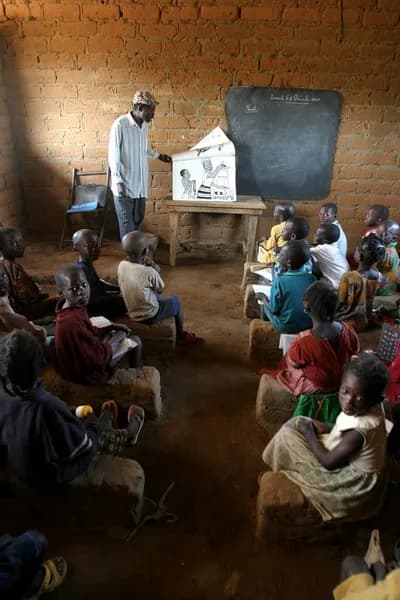
The Central African Republic has the worst education system in the world, with a literacy rate of just 37.6%. Decades of conflict have destroyed 80% of school infrastructure, leaving millions of children without access. This cripples performance far worse than South Sudan, where conflict is concentrated in fewer areas, allowing some regions to maintain limited schooling.
- 0

South Sudan ranks as the worst education system behind only the Central African Republic, with over 70% of primary-age children out of school. The civil conflict has displaced more than 2 million students, creating the highest out-of-school rate globally.
- 0#3
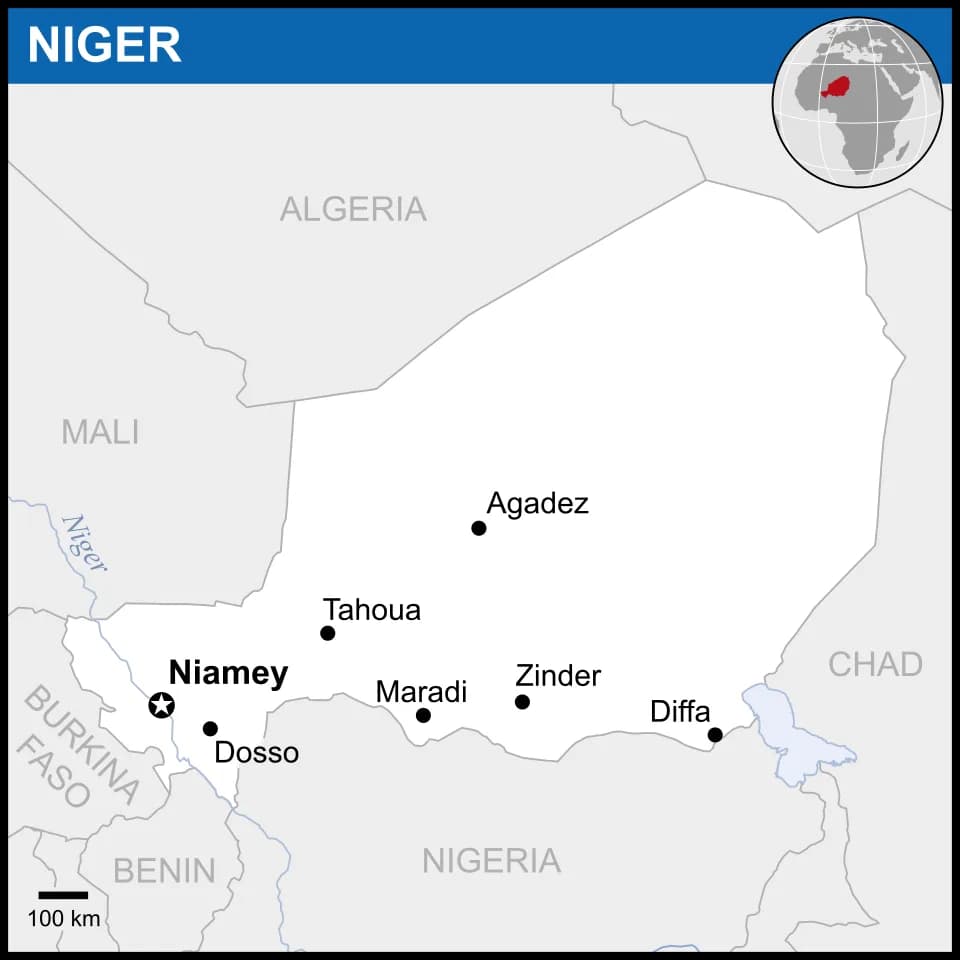
Niger's literacy rate of 35% is the lowest in the world outside the Central African Republic, driven by chronic underinvestment of just 2.3% of GDP in education. Rapid population growth of 3.8% annually overwhelms the system, resulting in a student-to-classroom ratio of 65:1—30% worse than the average for sub-Saharan Africa and far behind #3 Chad's 50:1.
- 0#5
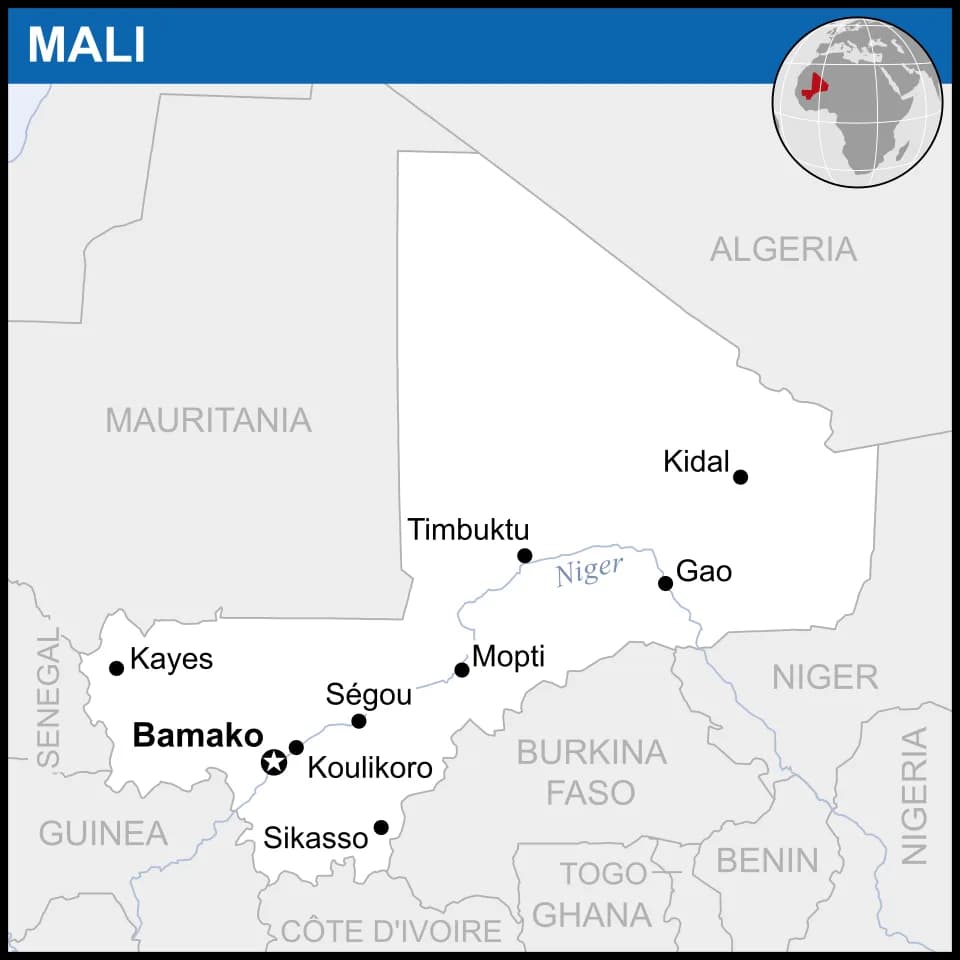
Mali's education system is crippled by jihadist insurgency in the north, which has shuttered over 2,000 schools since 2012, leaving 800,000 children without access. Even in peaceful regions, quality remains critically low, with only 35% of teachers meeting basic qualification standards.
- 0

Afghanistan's education system suffers the world's largest gender gap due to the Taliban's ban on secondary education for girls, affecting 1.1 million adolescents and erasing two decades of progress. Female enrollment plummeted from 33% in 2020 to just 6% in 2024, a decline 50% steeper than Eritrea's gender disparity. The ban has resulted in a 60% dropout rate among girls, outpacing the average for conflict-affected nations, with no improvement expected by 2026.
- 0#7
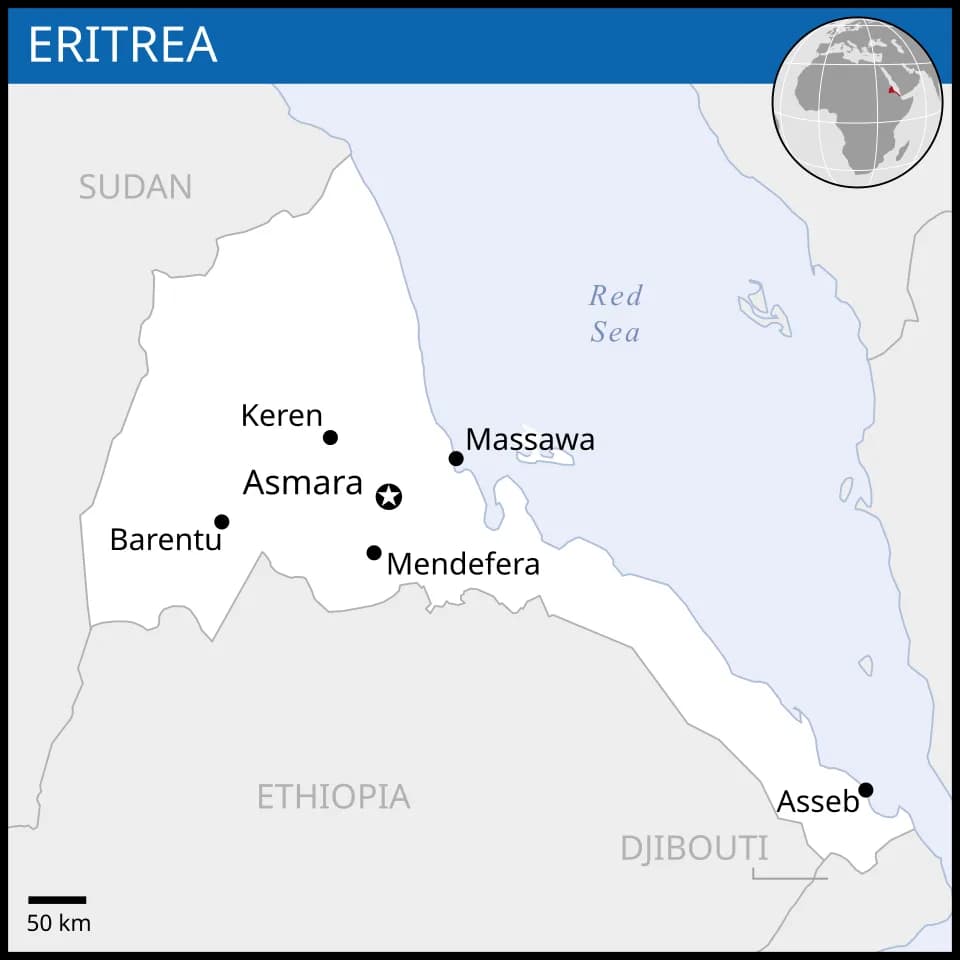
Eritrea's mandatory military conscription drains students from classrooms, with 40% of 18-24 year-olds forced into indefinite service, reducing secondary school completion to just 15%. This authoritarian approach has left 70% of the adult population below basic literacy, ranking it slower to reform than the typical rival in the region.
- 0#8
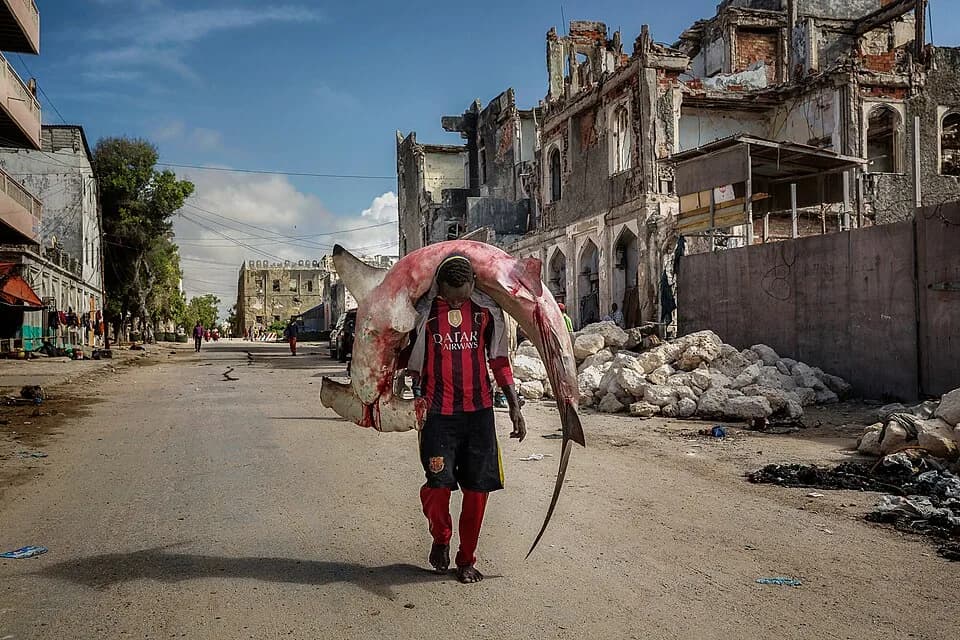
Somalia's statelessness and clan conflict have left it without a functioning national education system for over 30 years, yielding the lowest primary enrollment rate on Earth at just 18%. Only 30% of children who start primary school complete it, a rate 15% lower than Mali's completion metric, and 70% of youth remain illiterate—double the average for conflict zones. This collapse has created a 95% gender parity deficit, worse than the typical fragile state, with no cohesive curriculum in sight by 2026.
- 0

Burkina Faso's education system is the ninth worst globally, crippled by extremist violence that has shuttered over 6,000 schools since 2019—more than any other nation on this list. This collapse has displaced 1.5 million students, reversing a decade of enrollment gains that once reached 70% primary attendance. Compared to Haiti, where disruption stems from chronic instability, Burkina Faso faces a more acute crisis: outright destruction of infrastructure by armed groups. With 1 in 4 schools now closed, literacy rates have stalled at 41%, lagging 20% behind the average Sub-Saharan African nation. The government's inability to secure rural areas means that even when schools reopen, teacher shortages exceed 30%, deepening the educational emergency.
- 0#10
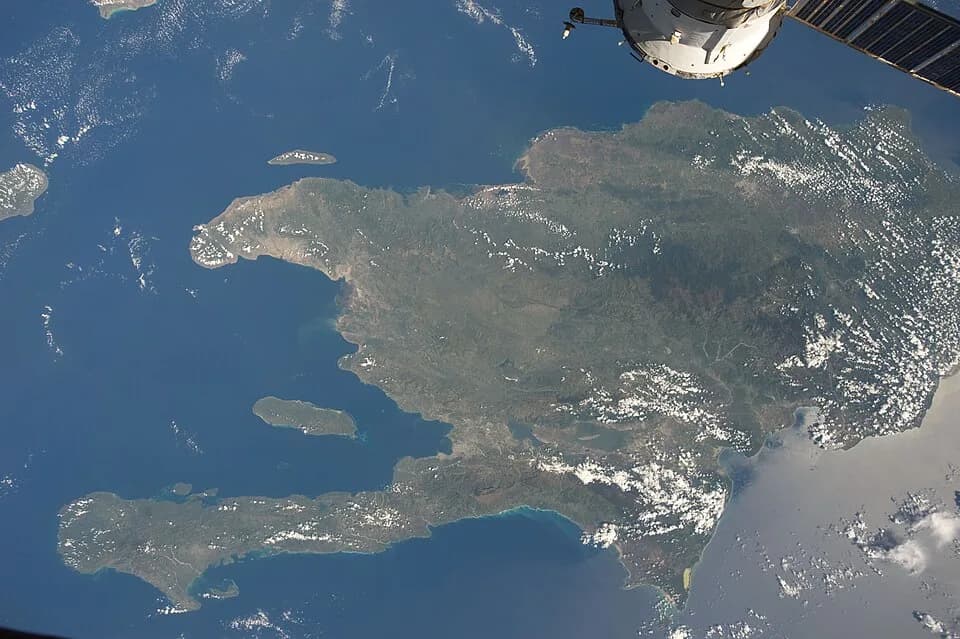
Haiti's education system ranks tenth worst in 2026, trapped in a perpetual crisis fueled by political chaos, gang warfare, and recurrent natural disasters. Over 90% of schools are privately run, charging fees averaging $120 per year—an impossible burden when 60% of the population lives on under $2 a day. Unlike Burkina Faso, where violence targets schools directly, Haiti's disruption comes from gang control of urban zones: in Port-au-Prince alone, 80% of public schools have suspended operations since 2023. The result is a net enrollment rate of just 78% for primary-age children, the lowest in the Western Hemisphere, and a literacy rate below 62%—30% lower than the Dominican Republic, its neighbor on the same island. Without reform, generation after generation is locked out of opportunity.

Image credits
- Central African Republic: Education in the Central African Republic / Wikipedia
- South Sudan: South Sudan / Wikipedia
- Niger: UN Office for the Coordination of Humanitarian Affairs (OCHA) / CC BY 3.0 (entity-adopted)
- Chad: Chad / Wikipedia
- Mali: UN Office for the Coordination of Humanitarian Affairs (OCHA) / CC BY 3.0 (entity-adopted)
- Eritrea: UN Office for the Coordination of Humanitarian Affairs (OCHA) / CC BY 3.0 (entity-adopted)
- Somalia: Marco Gualazzini / CC BY-SA 4.0 (entity-adopted)
- Burkina Faso: Burkina Faso / Wikipedia
- Haiti: Earth Science and Remote Sensing Unit , Lyndon B. Johnson Space Center / Public domain (entity-adopted)
Related Videos
Rank it your way
Remix this list into your own ranking, or head to the play hub for every game mode and community breakdown — blind mode, challenges, tier lists, and more.
You Might Also Like

Top 10 Most Controversial Education Policies 2026
Top 10 Most Controversial Education Policies 2026

Top 10 Best Scholarship Programs 2026
Top 10 Best Scholarship Programs 2026

Top 10 Worst Education Funding Models 2026
Top 10 Worst Education Funding Models 2026

Thinking Differently: Philosophy Books That Shift Your Worldview
#1 Meditations — Marcus Aurelius (c. 180 AD) · #2 Man's Search for Meaning — Viktor Frankl (1946) · #3 Thinking, Fast and Slow — Daniel Kahneman (2011)

Top 10 Most Consequential Wars in History
#1 World War II (1939-1945) · #2 World War I (1914-1918) · #3 Mongol Invasions (1206-1368)

Top 15 Best Public Secondary Schools in Hong Kong 2026
#1 Queen's College · #2 King's College · #3 Diocesan Boys' School