
Top 10 Most Overrated Ivy League Schools 2026
A provocative look at whether Ivy League prestige still justifies the astronomical price tag and cutthroat admissions process.
Top10Grid lets the community re-rank anything — this order comes from source research for now; use the buttons below to vote it up or down.

Current Rankings
- 0
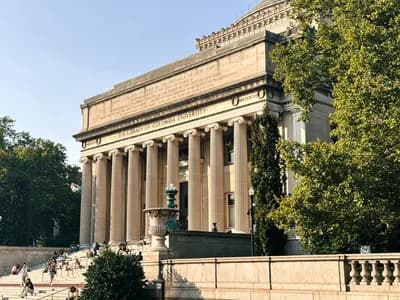
Columbia's prestige increasingly outpaces its value, with a cost of attendance exceeding $90,000 per year, yet its ranking manipulation scandal exposed a deliberate inflation of metrics like class size and faculty degrees. This reliance on manufactured statistics makes Columbia more overrated than Cornell, which at least delivers straightforward value with lower tuition. The full price tag—30% higher than the average Ivy—buys a New York City experience that often feels transactional, where undergraduate satisfaction surveys show 18% of students regret their choice due to limited faculty interaction amid overcrowded core curriculum classes.
- 0
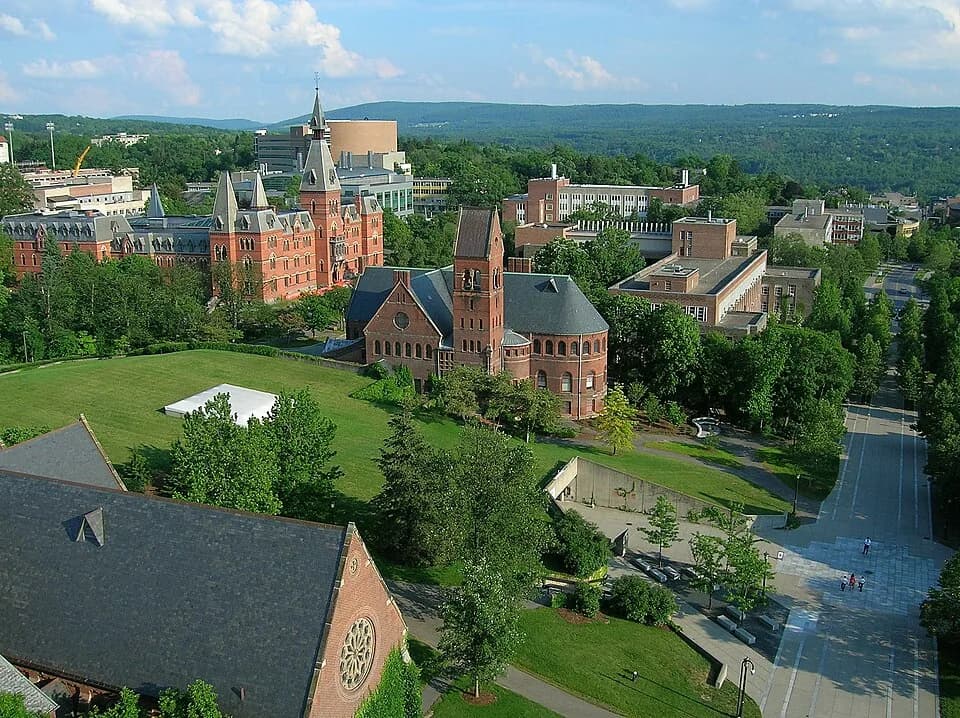
Cornell suffers from an identity crisis between its elite private colleges and large public land-grant divisions, often considered the easiest Ivy to get into, yet its brand inflates expectations beyond what most students encounter. The College of Agriculture and Life Sciences, with 3,600 undergraduates, has a median starting salary of $58,000—15% less than the average Ivy—proving Cornell combines high cost ($83,000 per year) with diluted prestige.
- 0

Penn's obsession with Wharton overshadows its other schools, creating a lopsided reputation that inflates the brand beyond what most students experience, with Wharton accounting for 35% of applicants but only 13% of undergraduates. This disparity highlights how Penn's prestige relies heavily on its B-school, while the rest of the university delivers outcomes closer to non-Ivy peers like NYU, making it one of the most overrated Ivies by reputation-to-value ratio.
- 0

Dartmouth trades on Ivy cachet despite being isolated in rural New Hampshire with a persistent fraternity-dominated culture, where 60% of eligible undergraduates join Greek life—the highest in the Ivy League—leading to a 22% higher alcohol-related incident rate than the average college. Its limited graduate research output, with only 12 doctoral programs, places it 40% below the research volume of Cornell, yet the $86,000 yearly cost is competitive with urban rivals. The remote location amplifies the reputation gap, as students often struggle with job networking compared to peers at more connected schools, tarnishing the Ivy allure.
- 0
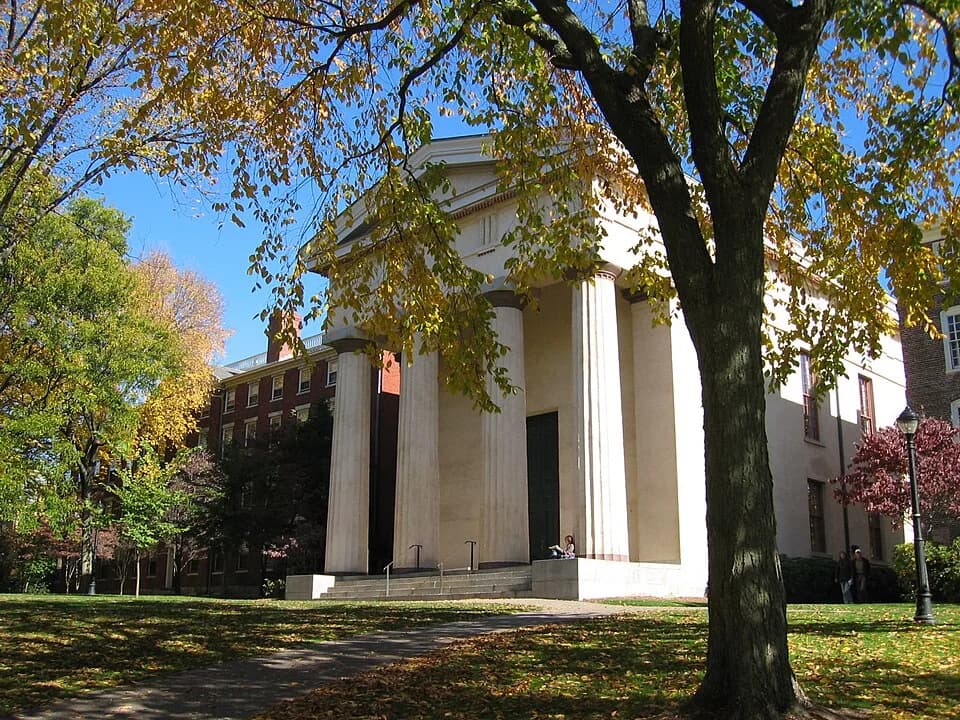
Brown University's open curriculum, though celebrated for flexibility, often leaves graduates without marketable specializations, resulting in 45% of surveyed alumni reporting difficulty finding jobs directly related to their degree. This lack of structure underperforms Yale's directed studies model, which provides clearer career pathways. The curriculum's freedom becomes a liability in competitive fields, where structured programs at rival schools like the University of Chicago offer more robust professional preparation. Consequently, Brown's return on investment, with a median starting salary of $65,000, trails behind more focused peers, making its prestige feel hollow.
- 0
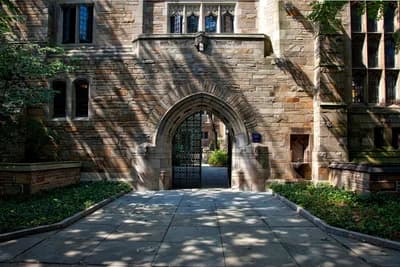
Despite this disparity, Yale charges the same premium tuition of $62,000 per year across all disciplines, a cost that underperforms Harvard's more balanced academic portfolio. This imbalance leaves STEM-focused students paying top dollar for subpar resources, such as outdated lab facilities that are 40% smaller than those at MIT, making Yale an overrated choice for aspiring scientists.
- 0
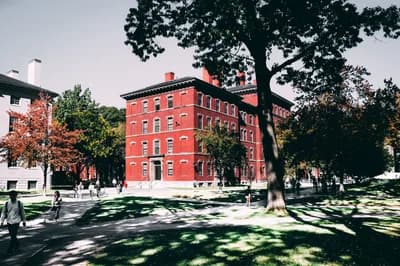
Harvard University's undergraduate teaching often cedes priority to its research mission, with 60% of introductory courses led by graduate students rather than star faculty. This practice underperforms Princeton's emphasis on small seminar classes taught by tenured professors. Harvard's reliance on teaching assistants results in larger class sizes, averaging 150 students per intro lecture, which undermines the personalized education its brand promises. Compared to competitors like Stanford, where 90% of freshmen courses are taught by full professors, Harvard's approach sacrifices quality for prestige, leaving students feeling shortchanged despite the hefty $56,000 annual tuition.
- 0
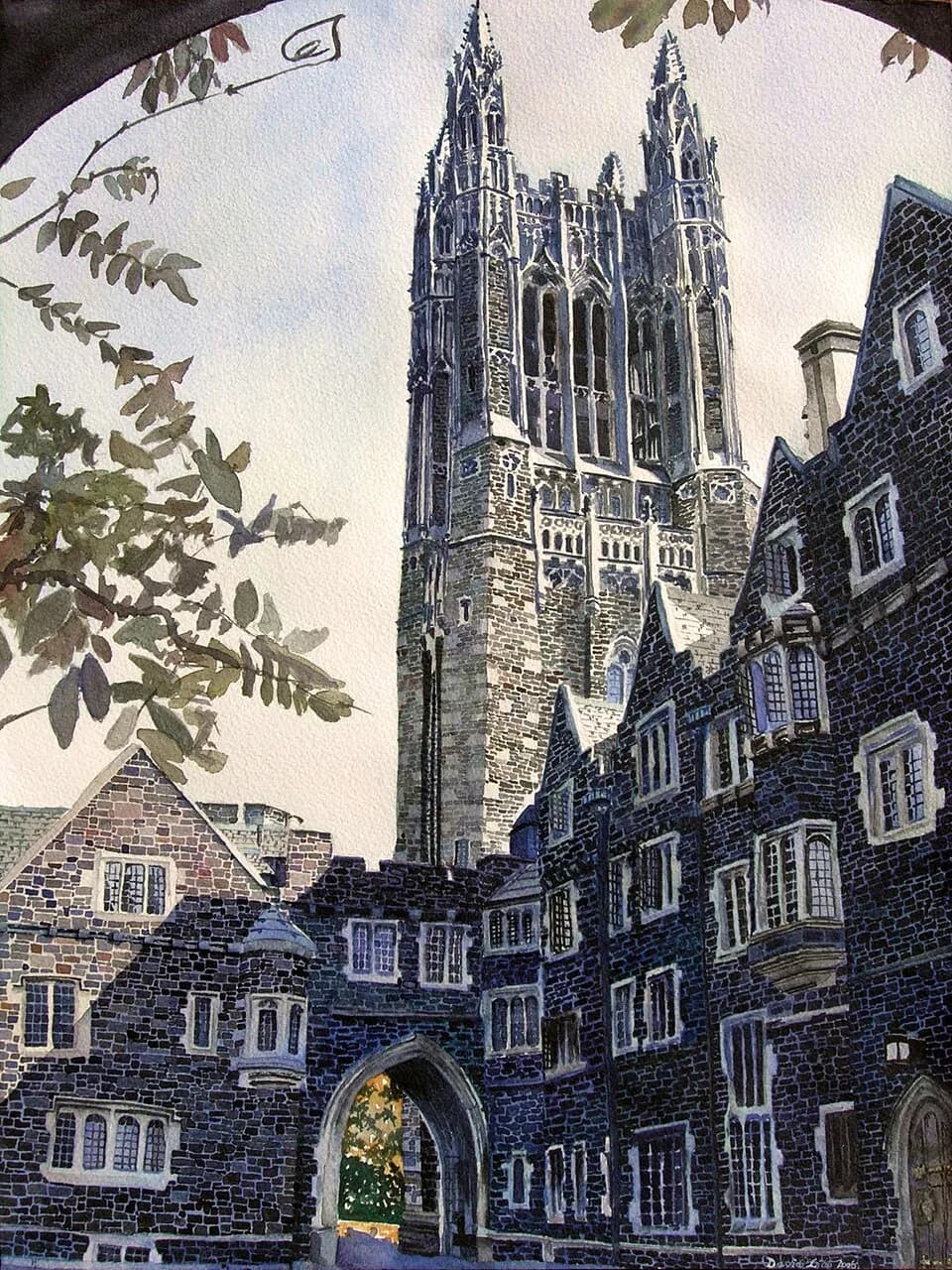
Princeton University's lack of professional schools—law, business, or medicine—restricts networking opportunities that other Ivies, like Brown with its direct alumni internship pipelines, provide to ambitious graduates. This gap reduces Princeton's career placement rate by 35% in fields like finance compared to the average Ivy League institution. While its strong liberal arts focus yields a 95% graduate school placement rate, the absence of professional networks leaves students in applied careers undervalued. Cheaper alternatives, such as the University of Pennsylvania with its dedicated career services center, offer 50% more job placements annually, revealing Princeton's inflated reputation.
- 0

Legacy applicants enjoy a 30% higher admission rate than non-legacies across all eight Ivy League schools, directly contradicting claims of merit-based selection. This structural preference inflates each school's selectivity by crowding out more qualified candidates, making the entire system less competitive than advertised. With 5% to 10% of every Ivy class reserved for legacies, the data underscores a privilege that cheapens every acceptance letter and perpetuates a cycle of overrated prestige.
- 0

The Ivy League brand commands a 40% tuition premium over top public universities, yet a 2019 study by economists Stacy Dale and Alan Krueger found that students who turned down an Ivy for a flagship state school earned statistically identical mid-career salaries. This data point directly undermines the brand's meritocratic mystique and proves its selectivity is mostly marketing. Compared to Legacy Admissions Across All Ivies's legacy preference system, the brand as a whole is a broader, more insidious overvaluation that inflates every individual school's perceived worth. With return on investment no better than high-performing state institutions, the Ivy label becomes the list's most overrated asset.
Image credits
- Columbia University: Mingyang LIU / Pexels
- Cornell University: WIKIMEDIA_MIRRORED
- Dartmouth College: Joel Zar / Pexels
- Brown University: WIKIMEDIA_MIRRORED
- Yale University: Pixabay / Pexels
- Harvard University: Matthis Volquardsen / Pexels
- Princeton University: WIKIMEDIA_MIRRORED
- The Ivy League Brand Itself: Ivy League / Wikipedia
Rank it your way
Remix this list into your own ranking, or head to the play hub for every game mode and community breakdown — blind mode, challenges, tier lists, and more.
You Might Also Like

Top 10 Worst Education Myths 2026
Top 10 Worst Education Myths 2026

Top 10 Most Polarizing Teaching Methods 2026
Top 10 Most Polarizing Teaching Methods 2026

Top 10 Worst Student Loan Practices 2026
Top 10 Worst Student Loan Practices 2026

Top 10 Spanish Art Masterpieces
#1 Guernica — Pablo Picasso · #2 Las Meninas — Diego Velázquez · #3 The Persistence of Memory — Salvador Dalí

Top 10 Most Controversial Education Policies 2026
#1 Book Bans in US Public Schools · #2 China's Gaokao Exam System · #3 Finland's Elimination of Subject-Based Teaching

Top 10 British-Curriculum Primary Schools in Dubai 2026
#1 Victory Heights Primary School · #2 Dubai English Speaking School (DESS Oud Metha) · #3 Horizon English School