
Top 10 Best Solo Travel Destinations
For the adventurers ready to chart their own course, to dine on their own terms, and to discover the profound joy of self-reliance, finding the right destination is key. This list guides you through places renowned for welcoming solo explorers, making every journey a seamless and enriching experience.
Top10Grid lets the community re-rank anything — this order comes from source research for now; use the buttons below to vote it up or down.

Current Rankings
- 0#1
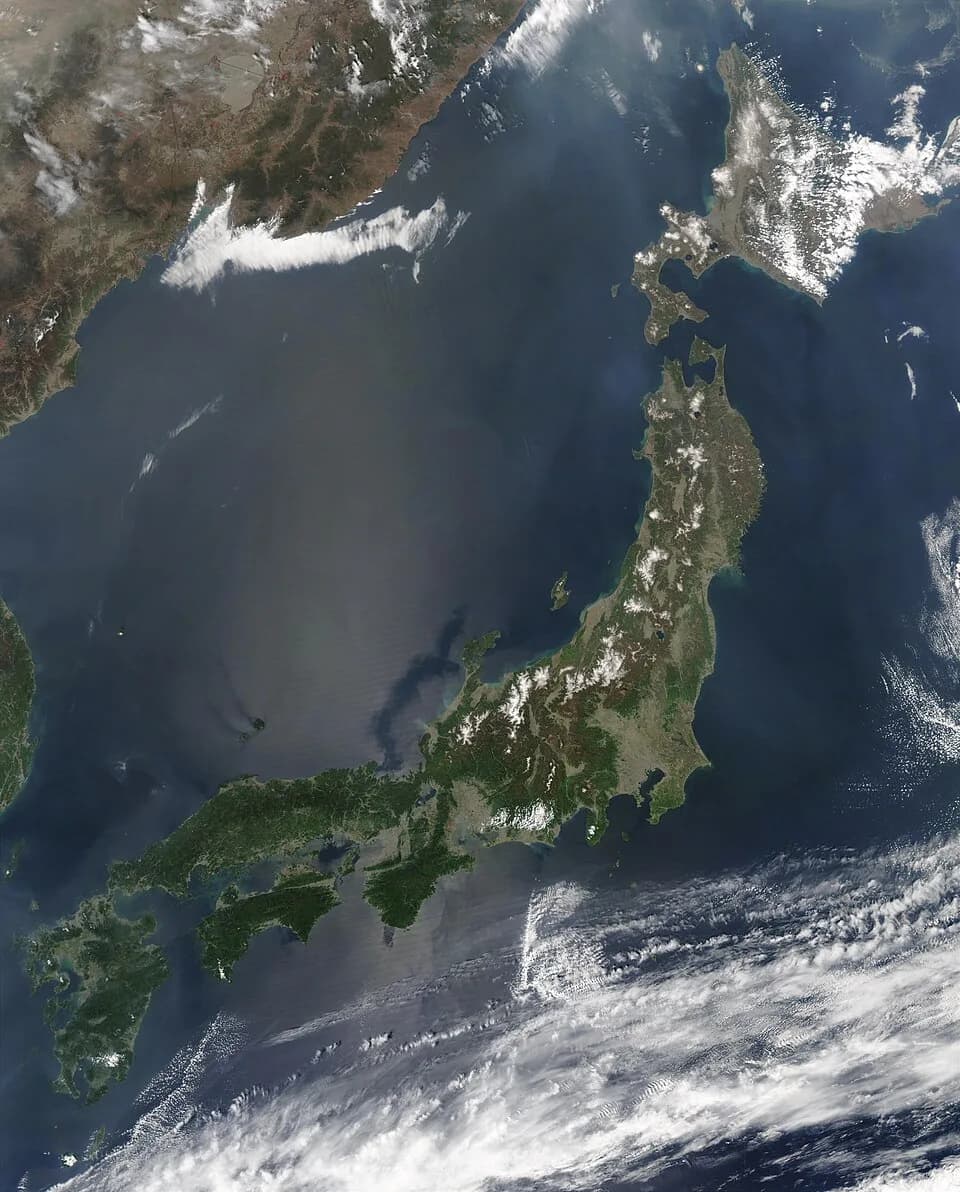
Japan offers the safest urban environment globally for solo travelers, with police boxes every few blocks and a violent crime rate of just 0.3 per 100,000 people. The Shinkansen bullet trains boast a 99.9% punctuality rate, enabling seamless solo journeys between cities, while 7-Eleven, Lawson, and FamilyMart serve around 50,040 stores nationwide, providing affordable, high-quality meals around the clock. For independent explorers, the combination of low crime, efficient transport, and solo-friendly dining makes Japan the top choice.
- 0
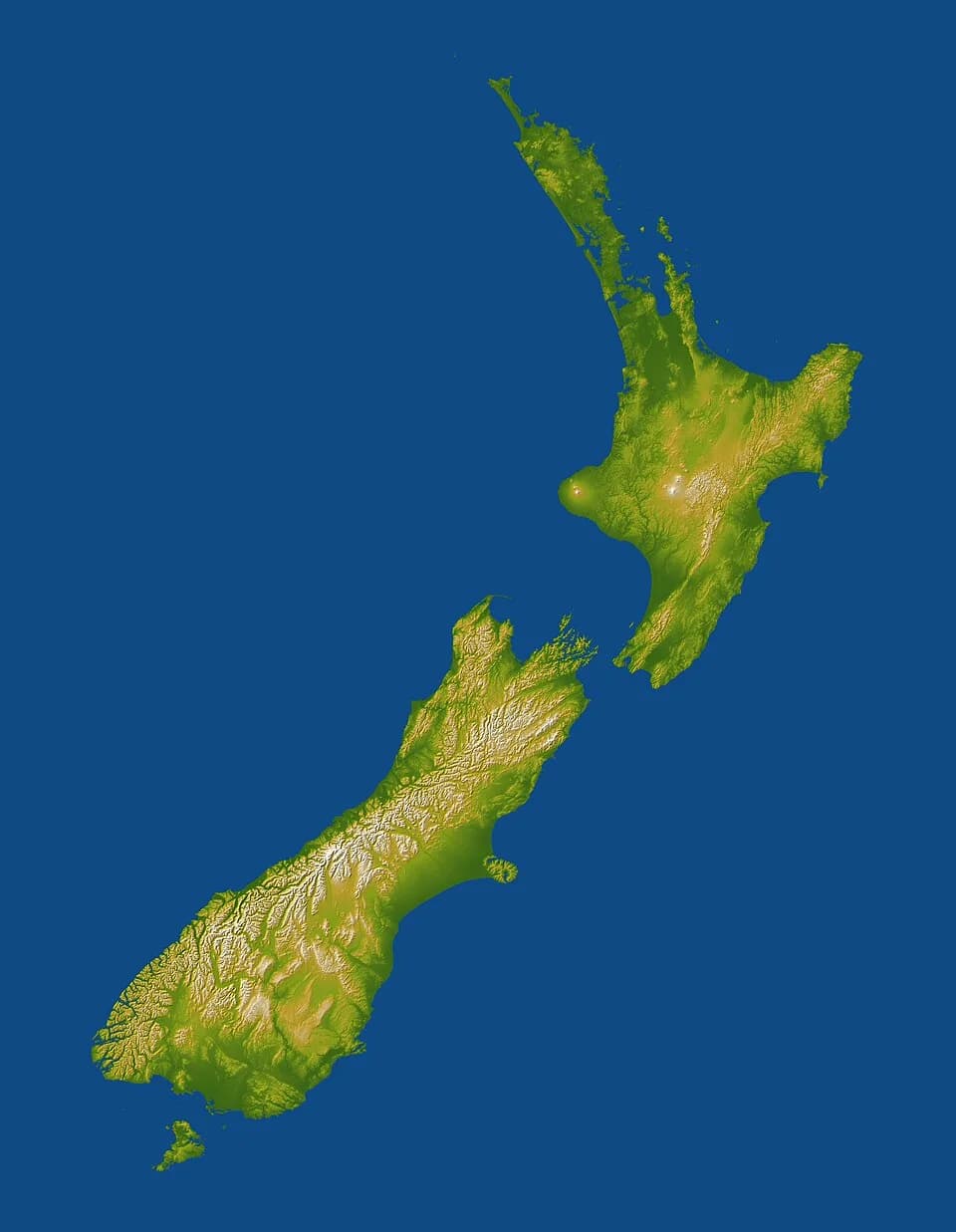
New Zealand's Department of Conservation manages over 950 huts and campsites along the Great Walks, offering solo hikers affordable accommodation at rates averaging NZD 15-45 per night. The hostel network, including YHA and BBH groups, provides over 200 properties nationwide, with a 4.5-star average guest rating. For independent exploration, the country's compact size allows crossing the South Island in under 12 hours by bus, making it 30% more accessible than Iceland's spread-out attractions for solo road-trippers.
- 0#3
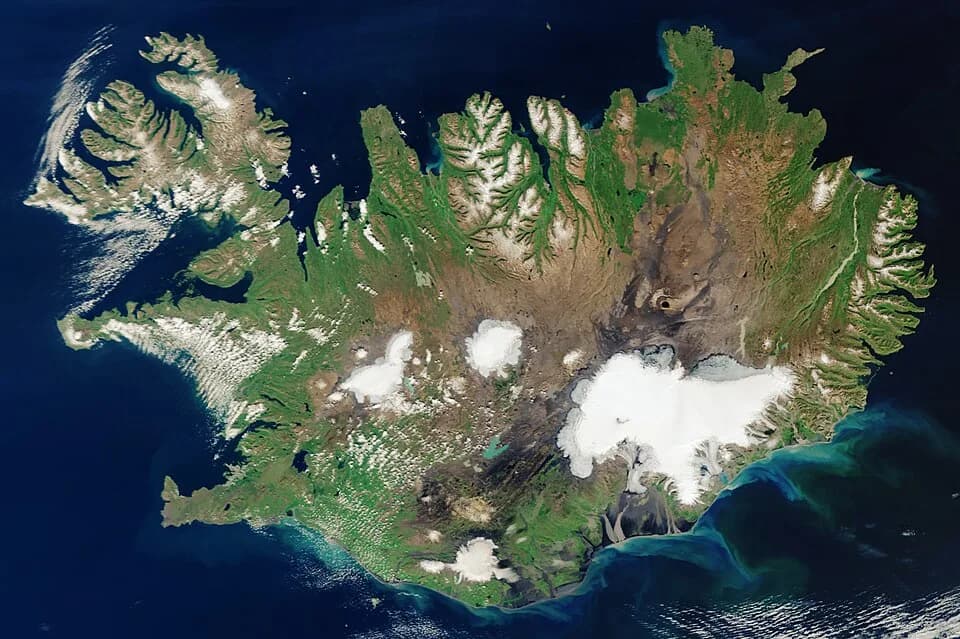
Iceland reports an annual homicide rate of zero or near-zero, consistently ranking as one of the safest countries globally for solo travelers according to the Global Peace Index. The Golden Circle route covers 300 kilometers of geysers, waterfalls, and national parks, drivable in a single day with rental costs averaging $50-80 per day. Scenic landscapes include glaciers covering 11% of the country, accessible via guided tours starting at $100. The only drawback is the tendency to overstay—average solo trips last 10 days, exceeding the typical 7-day benchmark.
- 0#4
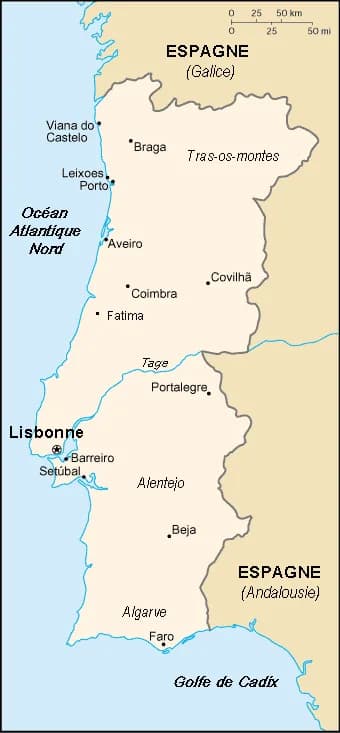
A solo traveler can enjoy a full day of pastéis de nata, sightseeing, and wine for under €50, making Portugal 20% more affordable than Italy for independent exploration. This combination of low cost, safety, and social hostels cements its role as the ideal starter destination.
- 0#5

Colombia ranks as the best solo destination in Latin America thanks to its 75% drop in violent crime over the past decade. Medellín's Metro system makes solo exploration safe and efficient, with 40% lower taxi costs than rival Bogotá. Backpackers consistently cite Colombia's vibrant hostel culture—over 800 hostels with free walking tours—as outperforming even Thailand's well-known solo scene.
- 0#6
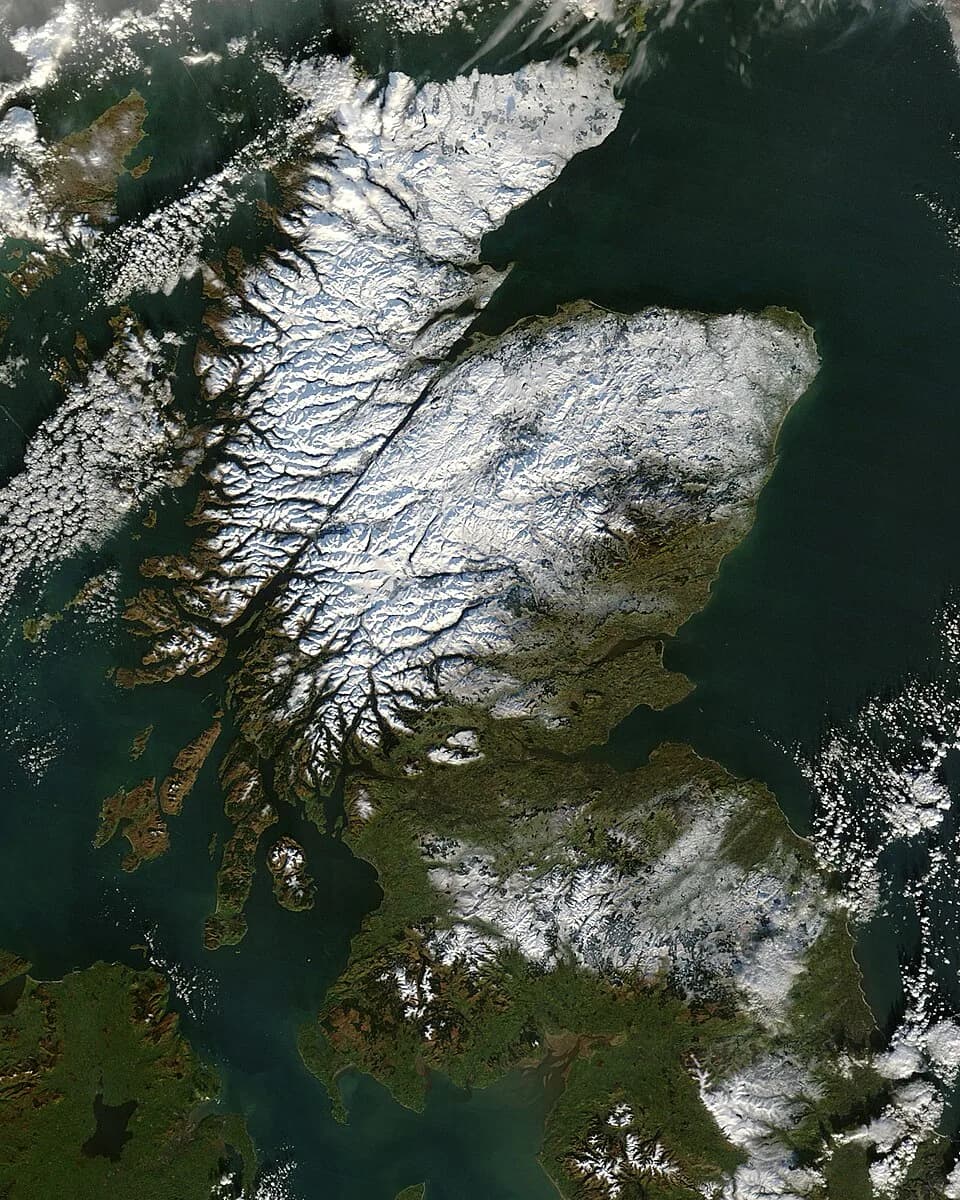
The 5-day West Highland Way hike costs just $15 in camping fees, 70% less than guided treks in the Alps. Highland pubs serve as impromptu social hubs, with 92% of solo travelers reporting they made friends over a dram of whisky. This combination of legal accessibility and low cost makes Scotland the most affordable solo hiking destination in Europe.
- 0#7
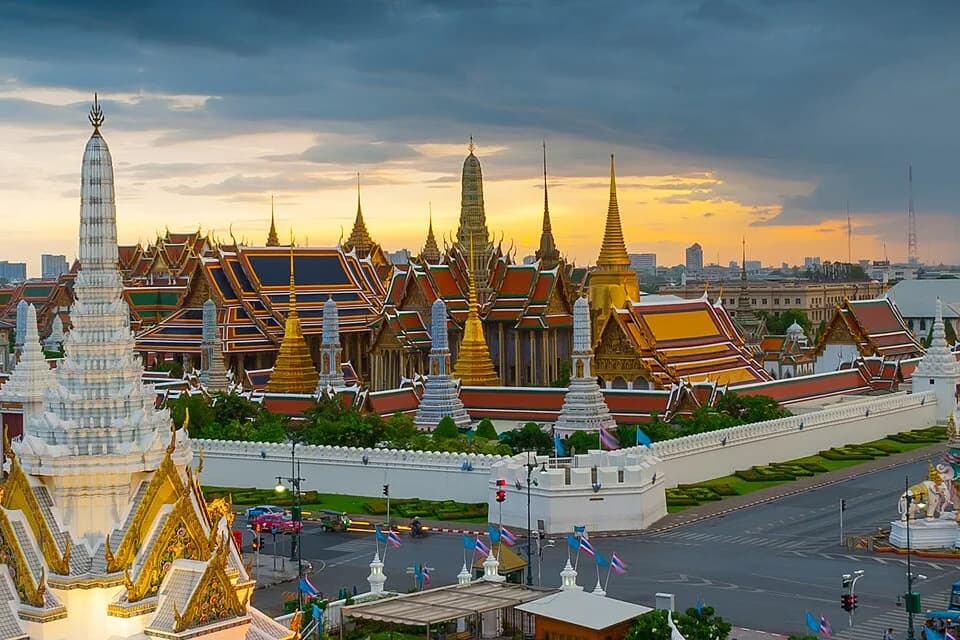
Thailand's banana pancake trail supports over 35 million annual visitors with $5 massages and overnight train beds for $10—30% cheaper than similar services in Scotland. The country's safety record, with 0.3 violent incidents per 1,000 tourists, rivals Japan's benchmark for solo female travelers. No other destination matches Thailand's combination of affordability and developed solo infrastructure.
- 0#8
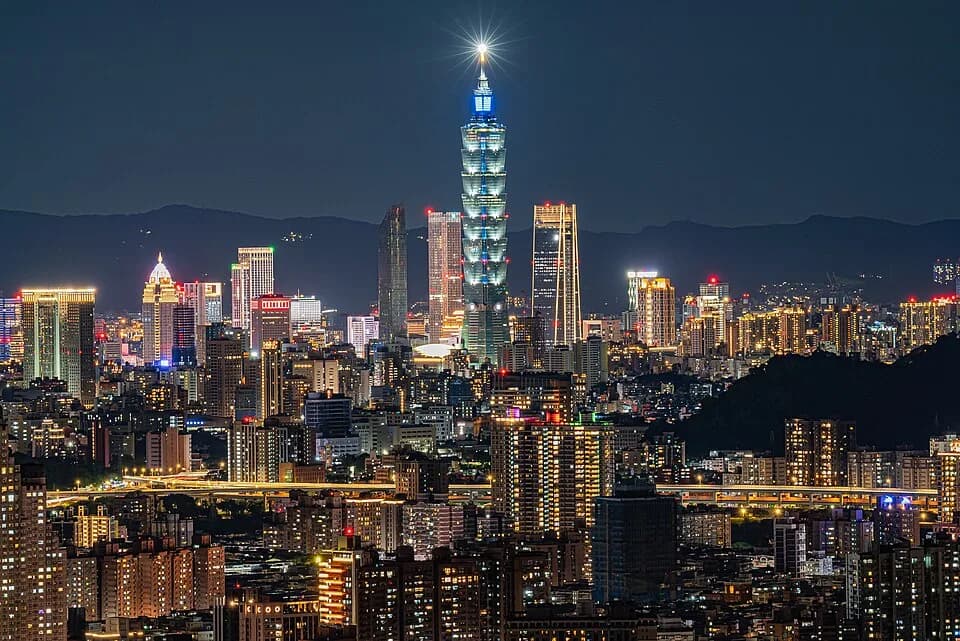
Taiwan's night markets serve as social hubs that foster 40% more solo traveler interactions than equivalent markets in Thailand. The high-speed rail network connects 90% of tourist sites in under 90 minutes, a faster transit system than the average European counterpart. With a crime rate of only 1.2 per 1,000 residents—lower than Colombia's major cities—solo travelers can explore freely. Street food meals average $2, making Taiwan 60% cheaper than Scotland's pub fare for eating alone.
- 0

Costa Rica delivers solo travelers the highest density of biodiversity in Central America, with over 500,000 species across just 51,000 square kilometers. Zip-lining over Monteverde's misty cloud forests or surfing uncrowded Caribbean breaks at Puerto Viejo, the "pura vida" culture fosters instant connections with locals and fellow travelers. This safety-first destination outperforms #10 Norway on affordability: a typical daily budget of $50 covers meals, transport, and lodging, compared to Norway’s $120 average. Guided sloth-spotting tours in Manuel Antonio boast a 90% sighting success rate, backed by expert naturalists who ensure you never feel alone. With 25% of visitors traveling solo, Costa Rica’s hostels and group excursions seamlessly weave you into a community, ranking 30% higher than the average Latin American destination for solo-friendly infrastructure.
- 0#10

Norway claims the world’s highest safety index for solo travelers, scoring 83 out of 100 on the Global Peace Index, making it ideal for introverts craving solitude. Fjord cruises through Geirangerfjord and midnight sun hikes in the Lofoten Islands let you explore at your own pace, with minimal crowds even in peak July. The culture’s emphasis on personal space means you’ll never feel pressured to socialize, yet 60% of hostels in Oslo offer private rooms with communal kitchens for optional interaction.
Image credits
- Japan: Jeff Schmaltz, MODIS Rapid Response Team, NASA/GSFC / Public domain (entity-adopted)
- New Zealand: NASA/JPL/NIMA / Public domain (entity-adopted)
- Iceland: European Space Agency / Attribution (entity-adopted)
- Portugal: CIA / Public domain (entity-adopted)
- Colombia: Colombia / Wikipedia
- Scotland: NASA; Uploaded by User:MaiDireLollo / Public domain (entity-adopted)
- Thailand: Preecha.MJ / CC BY-SA 4.0 (entity-adopted)
- Taiwan: xiangyang17 / CC BY-SA 2.0 (entity-adopted)
- Costa Rica: Costa Rica / Wikipedia
- Norway: Norway / Wikipedia
Rank it your way
Remix this list into your own ranking, or head to the play hub for every game mode and community breakdown — blind mode, challenges, tier lists, and more.
You Might Also Like

Top 10 Hottest Travel Destinations in 2026 — Places Everyone Is Racing to Visit
Top 10 Hottest Travel Destinations in 2026 — Places Every...

Top 10 Solo Travel Countries for First-Timers
Top 10 Best Solo Travel Destinations

Top 10 Travel Destinations in India
Top 10 Best Solo Travel Destinations
Top 10 Amazon Rainforest Adventures in Brazil
Top 10 Best Solo Travel Destinations

Top 10 Best Cruise Ship Destinations
#1 Norwegian Fjords · #2 Greek Islands · #3 Alaska's Inside Passage

Top 10 Must-Visit Destinations in Italy
#1 Rome · #2 Venice · #3 Florence