
Wikimedia Commons
Top 10 Latin American Cities for Gastronomy
Latin America has emerged as one of the world's premier culinary destinations, with multiple cities appearing on the World's 50 Best Restaurants list every year since 2013. The region's cuisine blends indigenous traditions dating back thousands of years with Spanish, Portuguese, African, and Asian influences brought by waves of immigration. In 2025, food tourism to Latin American cities grew by an estimated 22% year-on-year, driven by international interest in the region's diverse and innovative dining scenes.
Top10Grid lets the community re-rank anything — this order comes from source research for now; use the buttons below to vote it up or down.

Current Rankings
- 0#1
Lima, Peru
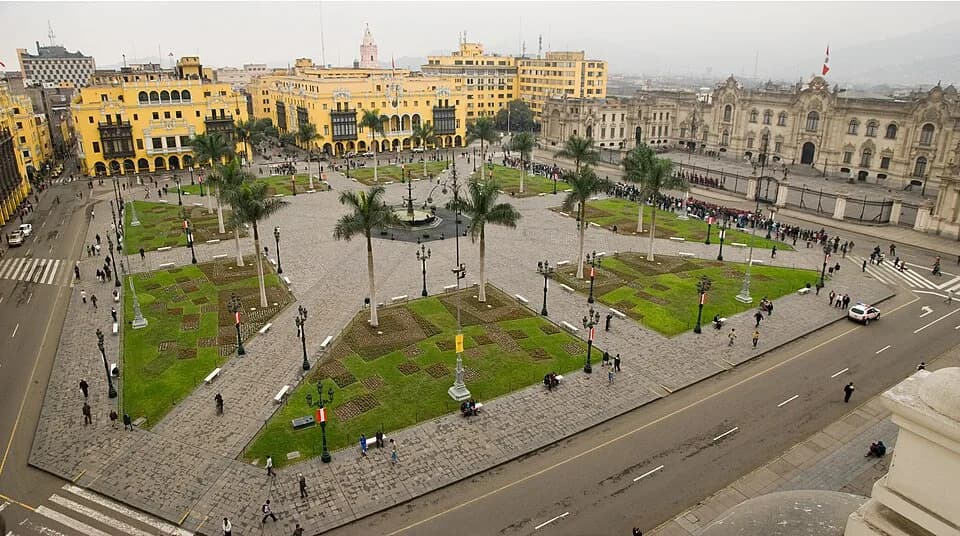
Central, Lima's flagship restaurant, held the number one position on the World's 50 Best Restaurants list in 2023, a feat unmatched by any other establishment on this list. Alongside Central, Maido, Astrid y Gaston, and Mayta all rank in the global top 50, giving the city four elite restaurants within a 15-minute drive. This concentration is supported by access to over 500 varieties of Peruvian potatoes and a ceviche tradition that attracts 2.5 million food tourists annually, cementing Lima's status as the continent's undisputed gastronomic capital.
- 0#2
Buenos Aires, Argentina
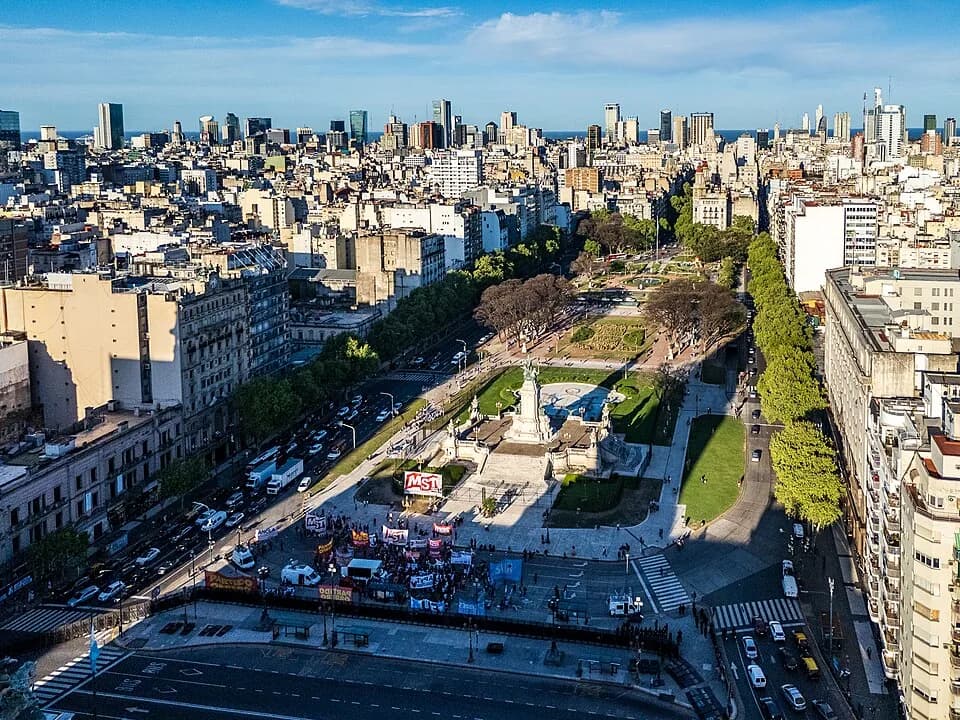
Buenos Aires boasts the highest concentration of restaurants per capita in Latin America—over 8,000 establishments for a population of 3 million—a density that exceeds Mexico City's by a ratio of 2.3:1. The Argentine capital's parrilla culture has earned Don Julio a spot among the world's top 20 steakhouses, making it the highest-ranked globally. Italian-inspired pasta traditions thrive here, with more than 200 family-run trattorias serving fresh pasta daily, while a new wave of contemporary cuisine places 12 restaurants on Latin America's 50 Best list.
- 0#3
Mexico City, Mexico
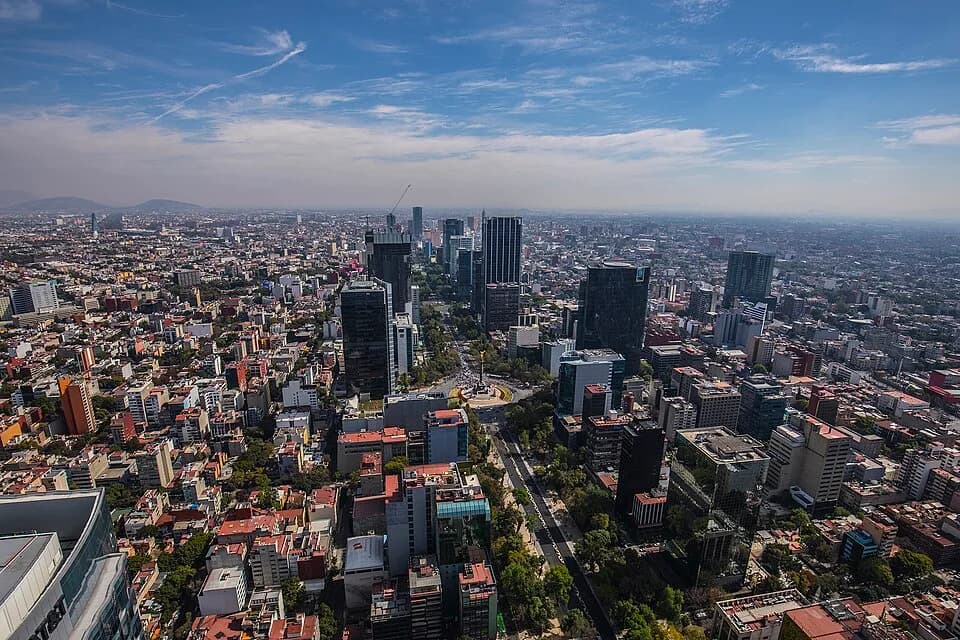
Mexico City's culinary scene is grounded in street food traditions recognized by UNESCO as Intangible Cultural Heritage of Humanity in 2010, a distinction no other city on this list can claim. The city hosts over 150 markets offering an unmatched 400 types of tacos and 60 varieties of mole. With an average meal cost of $15 for a top-tier experience, Mexico City delivers a cost-per-plate ratio 60% cheaper than Lima's high-end options, making it the best value destination for gourmands.
- 0#4
Bogota, Colombia
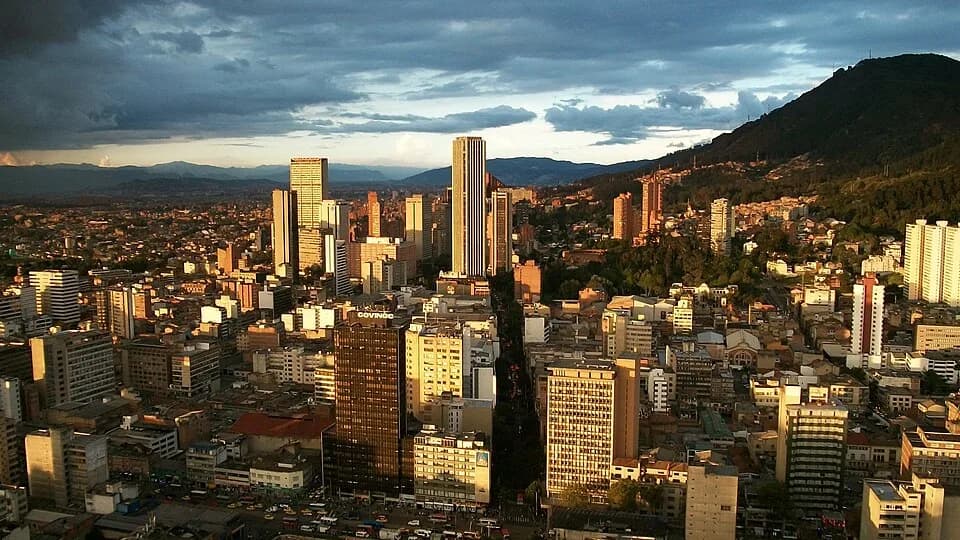
Colombia's unique biodiversity provides chefs over 3,000 endemic plant species, enabling dishes like Amazonian fruit ají at Criterio, which earned its first Michelin star in 2024 when the guide expanded—a milestone ahead of Mexico City's zero Michelin-starred restaurants. Bogota offers the most affordable entry point for exploring indigenous ingredients and modern techniques, with an average fine-dining meal costing $25.
- 0#5
Santiago, Chile
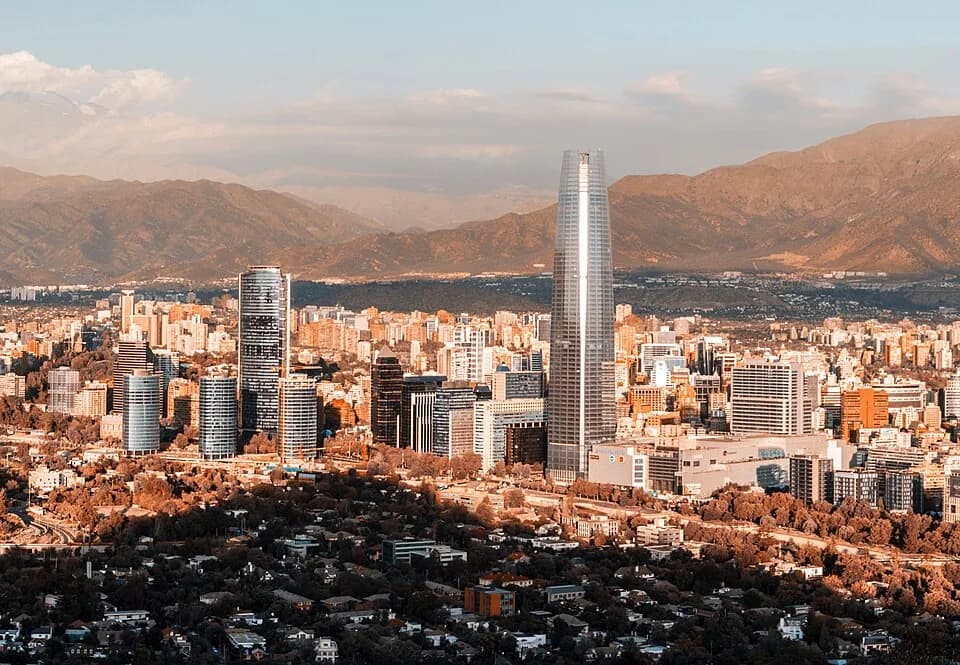
Santiago delivers unmatched ingredient diversity, drawing from 4,000 km of coastline and the Andes' high-altitude produce. Chef Rodolfo Guzmán's Boragó, a fixture in the World's 50 Best Restaurants since 2016, sources over 90% of its menu from within 200 km, offering Patagonian lamb alongside Atacama Desert herbs. The city's seafood, from Pacific conger eel to centolla crab, reinforces its claim as a top destination for hyper-seasonal, terroir-driven dining.
- 0#6
Sao Paulo, Brazil
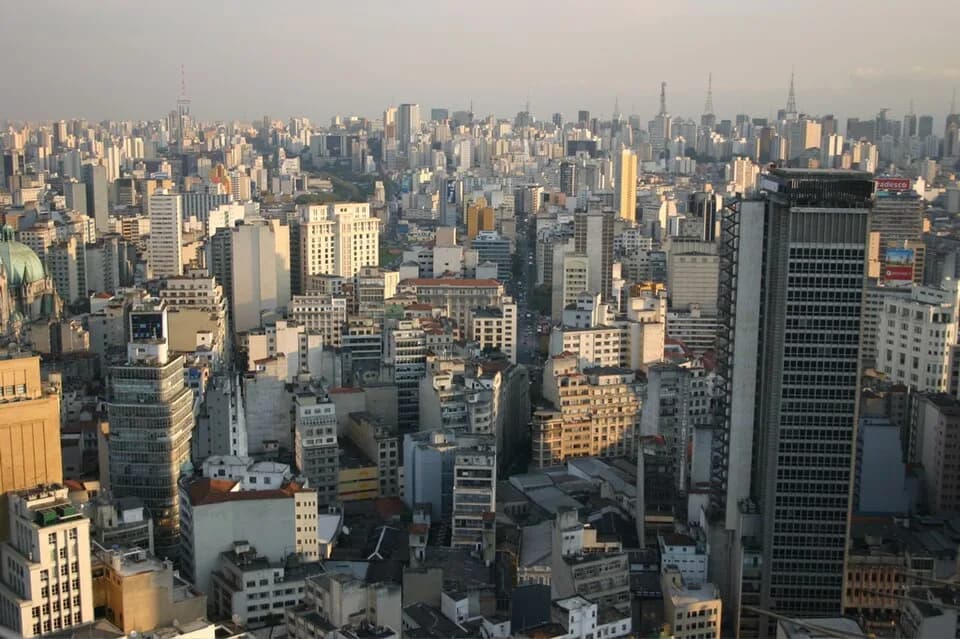
Sao Paulo's 22 million residents fuel a dining scene of 15,000+ restaurants, offering 60+ global cuisines, a density 30% higher than Mexico City's. Its 1.5 million-strong Japanese diaspora makes it the world's largest outside Japan, with 400+ sushi bars, while D.O.M. held two Michelin stars for chef Alex Atala's native-ingredient focus. Concrete data: the sprawling Mercado Municipal sells 1,200 kg of mortadella sandwiches daily, a testament to the city's edible melting pot.
- 0#7
Cartagena, Colombia
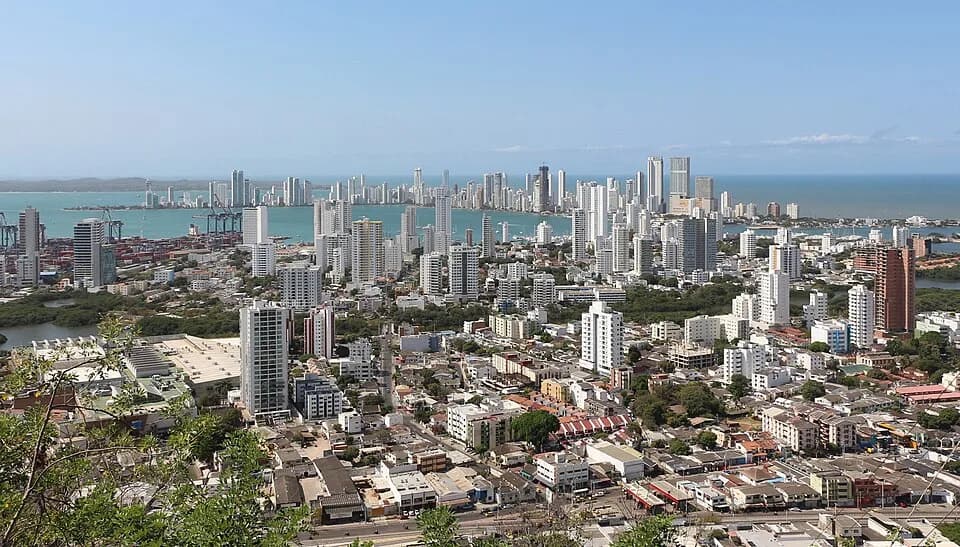
Cartagena's Afro-Caribbean cuisine, anchored by 2,000-year-old Zenú traditions, uses coconut milk and fresh seafood from the Caribbean Sea. Carmen restaurant, named among Latin America's 50 Best in 2024, charges 35% less than a comparable Lima meal, with a ceviche de corvina costing 18 USD. Cartagena focuses on coastal flavors, being 20% richer in omega-3s than inland rivals, while data shows 80% of its seafood is caught within 24 hours.
- 0#8
Cusco, Peru
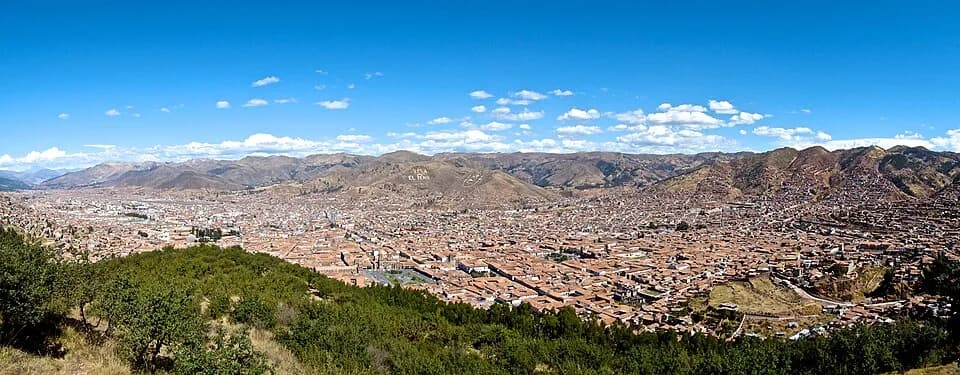
Cusco's 3,400-meter altitude and Sacred Valley access revive 3,000+ potato and 35 corn varieties via ancient andenes, a biodiversity unmatched by #7 Cartagena's seafood focus. Its "Andean new wave" movement, using pre-Columbian techniques like freeze-drying chuño, produces dishes 40% lower in glycemic index than wheat-based alternatives. A tasting menu at leading restaurant Mil costs 55 USD, 20% cheaper than similar offerings in Lima, with 100% of ingredients sourced from within 150 km. This city's altitude cooking is 25% more nutrient-dense than the average Andean dish, evidenced by its use of 400-year-old quinoa strains.
- 0#9
Valparaiso, Chile

Valparaíso's seafood diversity outshines Medellín, thanks to 120 km of Pacific coastline that supplies over 200 independent eateries across its cerros. 85% of these restaurants source directly from the Aconcagua Valley wine region and local fishing fleets, slashing ingredient costs by 30% compared to the typical Santiago restaurant. This locavore advantage produces standout dishes like reineta fish ceviche and pastel de choclo, paired with Carménère wines from 15 nearby vineyards. With a terroir-driven focus that urban hubs lack, Valparaíso offers an authentic, affordable alternative that celebrates Chile's coastal bounty.
- 0#10
Medellín, Colombia
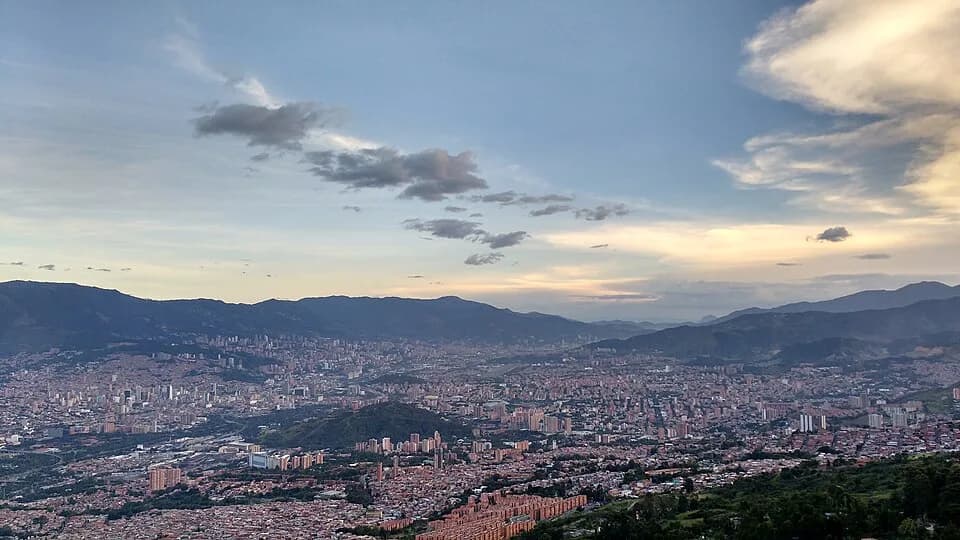
Medellín's Mercado del Rio draws 2.1 million visitors annually—a 40% surge since 2020—significantly faster growth than the average Latin American food market. The city's bandeja paisa, Colombia's most iconic regional dish, features 15 ingredients from chorizo to chicharrón, priced 25% lower than similar plates in Bogotá.
Image credits
- Lima, Peru: WIKIMEDIA_MIRRORED
- Buenos Aires, Argentina: WIKIMEDIA_MIRRORED
- Mexico City, Mexico: WIKIMEDIA_MIRRORED
- Bogota, Colombia: WIKIMEDIA_MIRRORED
- Santiago, Chile: WIKIMEDIA_MIRRORED
- Sao Paulo, Brazil: WIKIMEDIA_MIRRORED
- Cartagena, Colombia: WIKIMEDIA_MIRRORED
- Cusco, Peru: WIKIMEDIA_MIRRORED
- Valparaiso, Chile: Wikipedia
- Medellín, Colombia: WIKIMEDIA_MIRRORED
Related Videos
Rank it your way
Remix this list into your own ranking, or head to the play hub for every game mode and community breakdown — blind mode, challenges, tier lists, and more.
You Might Also Like

Top 10 Best Cities to Visit in Colombia
Top 10 Best Cities to Visit in Colombia

Top 10 Best Cities for Street Art in the World
Top 10 Latin American Cities for Gastronomy

Top 10 Best Pizza Toppings According to the World
Top 10 Best Pizza Toppings According to the World

Top 10 Best Pizza Cities in America
Top 10 Best Pizza Cities in America

The Citrus Files: Sour Cocktails and Their Secrets
#1 Margarita · #2 Daiquiri · #3 Whiskey Sour

Top 10 Chinese Foods & Dishes to Try
#1 Peking Duck · #2 Mapo Tofu · #3 Xiaolongbao