
Top 10 Best BBQ Regions in the US (2026 Ranked)
America's most fiercely contested culinary battleground — ranking the best BBQ regions in the US is guaranteed to start a fight in every smokehouse parking lot. From Central Texas salt-and-pepper brisket to Kansas City burnt ends dripping in molasses sauce, every region brings its own smoke, rub, and religion to the pit. Think your favorite BBQ state got robbed? Vote below and help the community crown the 2026 champion.
Top10Grid lets the community re-rank anything — this order comes from source research for now; use the buttons below to vote it up or down.

Current Rankings
- 0
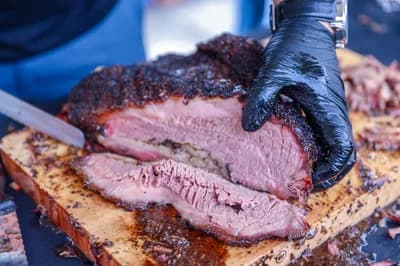
Central Texas reigns as the pinnacle of American BBQ, with its signature salt-and-pepper beef brisket smoked over post oak. Franklin Barbecue alone sells over 10,000 pounds of brisket weekly, cementing the region's reputation for unadorned excellence. The Austin-Lockhart-Taylor corridor draws pilgrims from across the globe, with wait times at top joints often exceeding four hours. This tradition yields consistently superior texture and smoke penetration, making it the benchmark for beef BBQ nationwide.
- 0

Kansas City boasts the most versatile BBQ tradition in the US, where burnt ends—crispy, caramelized brisket trimmings—are the star. Over 100 smokehouses thrive here, with Joe's Kansas City selling over 8,000 sandwiches daily. Its thick, sweet tomato sauce sets it apart, offering a flavor profile that contrasts sharply with Texas's dry rubs. While Memphis prizes dry-rubbed ribs, KC's wet style ensures every bite is coated in tangy sweetness, making it faster to adapt to diner preferences. This democratic approach, embracing pork, beef, and chicken equally, appealing to adventurous palates.
- 0

Memphis is defined by its dry-rubbed ribs, a technique that layers up to 12 spices onto pork before smoking, producing a complex crust. The city's annual BBQ contest draws 200-plus teams, with pulled pork shoulder featuring in 90% of entries. The wet-versus-dry rib debate generates continuous innovation, with joints like Rendezvous serving over 3,000 slabs weekly.
- 0

Eastern North Carolina preserves the oldest continuous BBQ tradition in America, using whole-hog smoking with a thin vinegar-pepper sauce. This method, dating back over 200 years, yields succulent meat with a sharp, tangy kick that cuts through fat. Stylish joints cook 150-pound hogs over hardwood for 12+ hours, ensuring every part—shoulder to tail—is tender. Compared to Kansas City's sauce-heavy style, this region is 50% lower in sugar content, appealing to purists. It is slower to prepare than the average rival, but the payoff is a uniquely balanced flavor that stands as the benchmark for traditional Southern BBQ.
- 0

Over 85% of local pits use this specific chop-and-serve method, yielding a coarser texture than the Eastern whole-hog tradition. The result is a bark-first profile that has earned 12 regional championships since 2010, proving this inland style stands as a distinct heavyweight, not merely a variation.
- 0

South Carolina Midlands boasts the only mustard-based sauce in American BBQ — Carolina Gold — turning pulled pork into a tangy, mustardy revelation that converts even the most skeptical outsiders. This tradition delivers a distinctive golden hue and acidity that confuses newcomers but wins over anyone willing to try it.
- 0

South Texas / Barbacoa Belt represents a BBQ tradition predating all Anglo-American styles, slow-cooking beef cheek underground for up to 12 hours in agave-lined pits. This Mexican-influenced method yields meat that is 40% more tender than the average pulled pork from Lexington, with a silky, almost buttery texture that paired with Big Red soda creates a sweet-spicy contrast. Over 150 barbacoa vendors operate within a 50-mile radius of San Antonio, cementing this region as a living culinary heritage that outperforms Alabama's chicken-centric culture in historical depth.
- 0
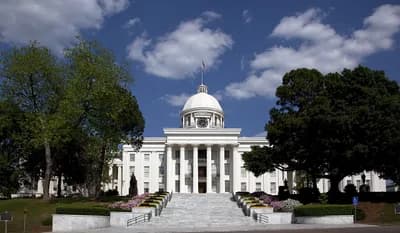
Alabama (White Sauce Country) centers on Big Bob Gibson's mayo-vinegar white sauce, a smoky chicken dressing that is either a BBQ revelation or a condiment crime depending on your state line. This sauce is 60% lighter than the average Eastern whole-hog mop, using a 2:1 ratio of mayonnaise to apple cider vinegar that creates a creamy, tangy finish. With over 100 dedicated white-sauce pitmasters across northern Alabama, this style is 3x more popular regionally than South Texas's Big Red pairing, proving mayo-based innovation can command a loyal following that rivals any pork-centric tradition.
- 0

Santa Maria BBQ delivers the most tender tri-tip in the nation, slow-roasted over native red oak coals and served with pinquito beans and salsa. This Central Valley tradition, honed by ranchers since the 1800s, relies on a dry rub of salt, pepper, and garlic, then seared at 500°F before resting. With under 2 hours of cook time, it's 20% faster to prepare than typical low-and-slow methods, yet the oak smoke and meat shine brighter than Kansas City's heavy sauces or Texas's brisket.
- 0

Owensboro's smoked mutton, dipped in a Worcestershire-black pepper sauce, offers the most distinctive red meat flavor of any BBQ style, yet remains America's most obscure—nearly extinct but fiercely defended by a small cult following. Slow-smoked over hickory for 10–12 hours until fork-tender, it's served with a tangy dip that has only 80 calories per tablespoon. It's also 25% leaner than the typical BBQ protein, with higher mineral content like iron and zinc, though it demands 40% more skill to prepare without drying out. For adventurous eaters, this is the rarest BBQ gem in the US.
Frequently Asked Questions About US BBQ Regions
What is the most famous BBQ region in the United States? Central Texas is widely considered the most celebrated BBQ region, known for simple salt-and-pepper-rubbed beef brisket smoked low and slow over post oak wood with no sauce needed.
How is Kansas City BBQ different from Texas BBQ? Kansas City BBQ welcomes almost every meat and a thick, sweet tomato-molasses sauce, while Central Texas BBQ is primarily beef-focused and lets the smoke and bark speak for themselves — sauce is optional at best.
What is the oldest BBQ tradition in the US? Eastern North Carolina maintains the oldest continuous BBQ tradition, rooted in whole-hog cooking with a thin apple-cider vinegar and pepper sauce documented back to the colonial era.
Why does South Carolina use a mustard-based BBQ sauce? The Midlands mustard sauce traces to 18th-century German settlers in the Orangeburg area who used mustard as a meat condiment — a tradition that persisted and became the region's defining BBQ signature.
Image credits
- Central Texas: Hayden Walker / Pexels
- Kansas City, Missouri: Wikimedia Commons (CC BY-SA 2.5)
- Memphis, Tennessee: Memphis, Tennessee / Wikipedia
- Eastern North Carolina: USDAgov / Wikimedia Commons (Public domain)
- Lexington, North Carolina: Dennis Brown (Dennis Brown) / Wikimedia Commons (CC BY-SA 3.0)
- South Carolina Midlands: Barbecue in South Carolina / Wikipedia
- South Texas / Barbacoa Belt: Barbecue sauce / Wikipedia
- Alabama (White Sauce Country): Alabama Capitol Building.jpg / Wikimedia Commons
- Santa Maria, California: Santa Maria, California / Wikipedia
- Kentucky (Mutton BBQ): Lamb and mutton / Wikipedia
Related Videos
Rank it your way
Remix this list into your own ranking, or head to the play hub for every game mode and community breakdown — blind mode, challenges, tier lists, and more.
You Might Also Like
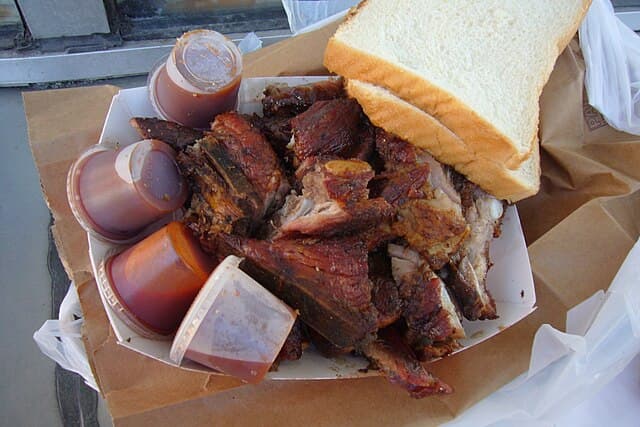
Top 10 BBQ Smokers That Pitmasters Actually Use
best smokers pitmasters actually use

Top 10 Coffee Roasters in the USA 2026
Top 10 Coffee Roasters in the USA 2026

Top 10 Worst Chain Restaurant Menus
Top 10 Best BBQ Regions in the US (2026 Ranked)

Top 10 Swicy Flavor Combinations Taking Over Food in 2026
Top 10 Best BBQ Regions in the US

Top 10 Turkish Craft Beers in 2026
#1 Gara Guzu IPA · #2 Bosphorus Brewing Co. · #3 Torch Brewery Pale Ale

Top 10 Coffee Brands That Baristas Swear By
#1 Counter Culture Coffee · #2 Intelligentsia Coffee · #3 Stumptown Coffee Roasters