
Tjeerd Wiersma / Wikimedia Commons (CC BY 2.0)
Top 10 Argentine Wines & Wineries in 2026
When it comes to wine, Argentina sits at a unique frontier: its most celebrated bottles hail from some of the highest vineyards on Earth. This extreme elevation, often between 900 and 3,100 meters above sea level, isn't just a fun fact; it's the engine of the country’s distinctive wine profile. Thin air, intense UV radiation, and dramatic day-to-night temperature swings work in concert to concentrate flavors in ways that flatter, lower-altitude vineyards simply can't replicate. Argentina isn't just a curiosity, either—it's the world's fifth-largest wine producer, with Mendoza’s prime vineyards leading the charge, complemented by the even loftier reaches of Salta’s Calchaquí Valley. This list dives deep into that full elevation range, guiding you through the best of what Argentina offers in 2026. We’ll be navigating three crucial comparison axes: distinct regional expressions, from Mendoza's Luján de Cuyo and Valle de Uco sub-zones to the extreme northern vineyards of Salta; grape variety, showcasing the undeniable dominance of Malbec alongside compelling examples of Bonarda and Torrontés; and price tier, spanning everything from excellent value bottles under $25 to collector-level flagships exceeding $100. For those aiming to build a serious cellar, find the perfect bottle for a dinner party, or simply discover why Argentina is making some of the world's most exciting white wines, these ten selections offer a comprehensive and flavorful tour.
Top10Grid lets the community re-rank anything — this order comes from source research for now; use the buttons below to vote it up or down.

Current Rankings
- 0

Catena Zapata didn't just put Argentine wine on the map; Nicolás Catena Zapata effectively rewrote the rulebook for modern Argentine winemaking. His audacious decision in the 1980s to plant Malbec above 900 meters in Mendoza, an altitude then considered too cold, proved prescient. The Malbec Argentino, a considered blend, sources grapes from the winery's four esteemed estate vineyards, all nestled above 900 meters across Mendoza. This meticulous approach consistently earns it scores in the mid-90s from top critics. Expect a wine layered with dark fruit, violets, and a firm yet polished tannic structure that truly rewards three to five years of cellaring. Retailing typically between $80 and $120, depending on vintage and market, it stands as Argentina's benchmark Malbec—the standard against which every other producer, including many on this list, is quietly measured.
- 0

While Catena Zapata established Argentina's global presence, Zuccardi Valle de Uco is currently proving that a single sub-region can stand shoulder-to-shoulder with any great appellation worldwide. Situated at approximately 1,100 meters in Tupungato, this estate has repeatedly been crowned World's Best Vineyard by the 50 Best Vineyards ranking. This reflects both the inherent quality of its Valle de Uco terroir and the Zuccardi family's unwavering precision. These wines gain a distinctive savory, site-specific character from their limestone and alluvial soils. Prices for their flagship expressions typically begin around $60 and ascend sharply, making a compelling parcel-by-parcel argument for specific plots of land.
- 0

For pure, unadulterated single-vineyard Malbec expression, Finca Altamira is an absolute benchmark. Nestled in the Altamira district of Valle de Uco at around 1,050 meters elevation, this vineyard's unusually high calcium carbonate content imparts a minerality and tension rarely found in Malbec globally. The wine showcases a vibrant red and dark fruit profile, contrasting with the blue-black notes often found in lower-altitude Malbecs. You'll find a fine, chalky grip and a finish that can easily linger for over a minute in strong vintages. Critical scores regularly reach the mid-90s, and with retail prices typically ranging from $60 to $90, it's one of the more accessible single-vineyard flagships on this list, offering a crystal-clear demonstration of limestone's transformative effect on the Malbec grape.
- 0

While Argentina's global wine identity is largely defined by its red grapes, Bodega Norton's Altura line makes a seriously compelling case for the country's whites. Established in 1895 by Edmund Norton and now under the ownership of the Swarovski family, Norton is one of Mendoza's most historically significant producers. The Altura Blanco is a high-altitude white blend, with grapes grown above 1,000 meters. This elevation is crucial, as it preserves the natural acidity that grapes in warmer Mendoza sites often lose. The result is a wine with genuine tension, vibrant citrus drive, and a freshness that most other Argentine whites simply can't match. Positioned in an accessible price band, generally under $25, it's an easy and highly recommended choice for anyone who has previously dismissed Argentina as a red-wine-only nation. For a region that built its reputation on Malbec, the Altura Blanco is a quietly persuasive argument that Mendoza offers far more range than many realize.
- 0

Luján de Cuyo earned the distinction of becoming Argentina's first Denominación de Origen Controlada in 1993, and Luigi Bosca has been an integral part of its story since the Arizu family first planted vines in 1901. 'De Sangre'—meaning 'of the blood'—is their flagship Malbec, meticulously sourced from old-vine blocks situated at approximately 900 meters in Luján de Cuyo. The naturally reduced yields from these old vines concentrate flavor intensity, a quality that shines in the glass: De Sangre is richly layered with dark plum, tobacco leaf, and subtle leather notes, possessing a structure that richly rewards five to eight years of patience. Typically priced in the $50–$70 range, it offers exceptional value for a wine of this ambition and pedigree.
- 0

Trapiche holds the distinction of being Argentina's most exported wine brand, with roots tracing back to its establishment in 1883, nearly a century before the country's modern wine era. The Terroir Series, also known as their Single Vineyard line, represents Trapiche's pivot from high-volume production to genuine fine-wine territory. Each individual bottling, sourced from named parcels across Mendoza's diverse sub-regions, acts as a regional atlas. These wines beautifully demonstrate how varying altitudes, soil types, and microclimates fundamentally reshape Malbec's character from one district to the next. For those new to Argentine wine and eager to grasp the nuances of sub-regional terroir, the Terroir Series offers the most efficient and insightful entry point available.
- 0

Bonarda stands as Argentina's second most planted red grape after Malbec, yet it remains largely unrecognized in export markets. El Enemigo—'The Enemy'—is Alejandro Vigil's passion project, dedicated to correcting this oversight. The result is a wine of genuine depth: expect notes of dark cherry and dried herbs, complemented by a natural freshness that makes it remarkably versatile at the table—often more so than many of the Malbecs on this list. Typically priced in the $25–$40 range, it represents one of the strongest value propositions here and makes the most compelling argument on this list for a grape variety Argentina has long underestimated.
- 0
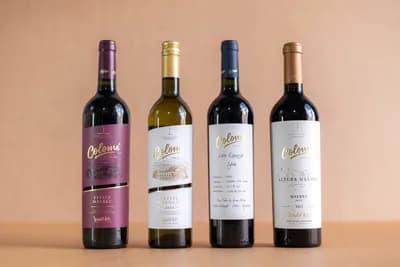
Salta's Calchaquí Valley is where Argentine wine ventures into truly extreme territory. Bodega Colomé, with a heritage dating back to 1831, cultivates vineyards at staggering elevations between 2,300 and 3,111 meters above sea level—among the highest commercial plantings anywhere in the world. At these altitudes, the intense UV exposure and dramatic thermal swings produce a Torrontés of arresting aromatic intensity: expect an explosion of jasmine, rose petal, and white peach on the nose, all supported by the vibrant natural acidity that high elevation meticulously preserves in the grape. This is a white wine that genuinely stops conversations. Typically priced around $20–$30, it is one of the most striking value bottles on this list and an outstanding introduction to Salta's formidable potential as a serious white-wine region.
- 0

Susana Balbo stands as one of Argentina's pioneering female oenologists, making history as the country's first female chief winemaker at a commercial winery, and later serving as president of Wines of Argentina. Her eponymous label, based in Agrelo, Luján de Cuyo, embodies that authority in every bottle. The Signature Malbec perfectly reflects her philosophy: accessible without being simplistic, fruit-forward yet structured enough to gracefully evolve over four to six years in the bottle. Critical scores consistently land in the low-to-mid 90s, and the wine is typically priced around $30–$45—representing solid value for a producer whose profound influence on Argentine wine extends far beyond her own label. It’s a reliable, dinner-ready choice with genuine depth behind its approachable facade.
- 0

Blended wines often reveal more about a winemaker's philosophy than single-varietal bottles, and Rutini's 'Encuentro'—Spanish for 'encounter'—makes this case compellingly. The Rutini family established their winery in Maipú, Mendoza, in 1885, solidifying its place as one of Argentina's oldest continuously operating wine estates. The Encuentro Barrel Blend masterfully pairs Malbec with Cabernet Sauvignon: the Cabernet contributes earthy grip, firm tannins, and a longer aging trajectory that pure Malbec rarely achieves on its own, while the Malbec supplies the characteristic violet aromatics and dark fruit profile that Argentine wine drinkers expect. Typically priced around $35–$55, it stands as this list's strongest argument that Argentina's future in fine wine is increasingly rooted in the art of sophisticated blending.
Image credits
- Catena Zapata Malbec Argentino: Bodega Catena Zapata / Wikipedia
- Achaval-Ferrer Finca Altamira: Sebadella / Wikimedia Commons (Public domain)
- Bodega Norton Altura: ArgentinaWineTourism… / Wikimedia Commons (CC BY-SA 3.0)
- Trapiche Terroir Series: Trapiche (winery) / Wikipedia
- Bodega Colomé Torrontes: Alex Dos Santos / Pexels
- Susana Balbo Signature Malbec: Dominio del Plata Winery / Wikipedia
Related Videos
Rank it your way
Remix this list into your own ranking, or head to the play hub for every game mode and community breakdown — blind mode, challenges, tier lists, and more.
You Might Also Like

Top 10 Spanish Wines to Try in 2026
Top 10 Spanish Wines to Try in 2026

Top 10 Wine Regions in the World: Ranked by Terroir, History & Prestige
Top 10 Argentine Wines & Wineries in 2026

Top 10 Italian Wines in 2026
Top 10 Italian Wines in 2026

Top 10 Argentine Wines and Wine Regions
Argentina's top wine regions

Top 15 Best Dim Sum and Cantonese Restaurants in Guangzhou 2026
#1 Taotaoju Restaurant (陶陶居) · #2 Pan Xi Restaurant (泮溪酒家) · #3 Guangzhou Restaurant (广州酒家)

Top 10 Coffee Roasters in the USA 2026
#1 Intelligentsia Coffee · #2 Counter Culture Coffee · #3 Stumptown Coffee Roasters