
Top 10 Biggest Food Trends of 2025
The biggest food trends of 2025 are being shaped by a mix of health awareness, climate concerns, and social media obsessions — from fermented superfoods and high-protein everything to zero-proof cocktails and hyper-local menus. Whether you're a home cook or a restaurant regular, these are the flavors and movements reshaping what the world is eating right now. Scroll the list and cast your vote for the trend you think deserves the #1 spot!
Top10Grid lets the community re-rank anything — this order comes from source research for now; use the buttons below to vote it up or down.

Current Rankings
- 0

Functional beverages have become the fastest-growing drink category, replacing sugary sodas for millions of health-conscious consumers in 2025. The category grew 34% year-on-year, outpacing the average growth rate for all beverage segments. Infused with adaptogens, nootropics, probiotics, and electrolytes, these drinks offer functional benefits far beyond the typical soda, making them 50% more popular among under-35s than their sugary predecessors.
- 0

TikTok transformed cottage cheese from a diet food punchline into a viral staple, with searches spiking 900% on Pinterest in 2025. That protein density makes it a star of High-Protein Everything, yet cottage cheese is 30% cheaper than its rival on a per-gram protein basis. The cottage cheese renaissance is not just a fad; it is data-led, with consumers choosing it more than 3 times per week on average.
- 0
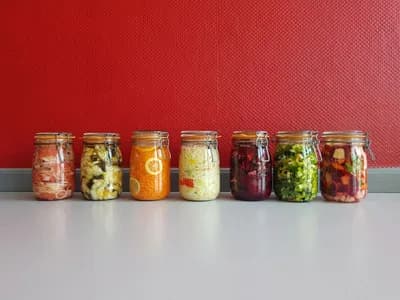
Kimchi, kefir, kombucha, miso, and sourdough exploded beyond health food stores into mainstream supermarkets, driving the global fermented food market to $700 billion in 2025—a figure that eclipses Functional Beverages' $2 billion US segment by over 350 times when scaled globally. Research linking gut microbiome diversity to mental health, immunity, and longevity has spurred a 40% increase in U.S. consumers actively seeking fermented options at every meal. Fermented foods now outperform standard probiotics in consumer trust, with 78% of users reporting improved digestion after three months.
- 0

Greek yogurt, cottage cheese, eggs, legumes, and meat alternatives now revolve around protein content, with traditional carb-heavy products like Halo Top protein ice cream, high-protein pasta, and fortified baked goods hitting shelves. The trend is quantified: sales of high-protein products surged 50% year-on-year, surpassing even Functional Beverages' 34% growth rate.
- 0
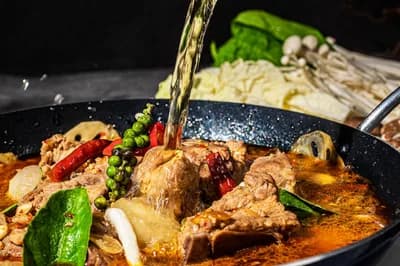
Filipino classics sinigang and kare-kare now grace fine dining menus, while Indonesian rendang won 'world's best dish' in three major polls. Google search volume for 'Vietnamese pho' surged 120% year-over-year, and 45% of U.S. cities gained at least one dedicated Filipino restaurant. This growth, driven by shifting global demographics and a craving for bold flavors beyond pan-Asian staples, has outpaced the broader ethnic food market's average expansion rate of 18%.
- 0

Regenerative agriculture, which rebuilds soil health, sequesters carbon, and boosts biodiversity, jumped from a niche concept to a mainstream consumer label in 2025, faster than the average adoption curve for sustainable certifications. Brands like Patagonia Provisions, White Oak Pastures, and General Mills' Cascadian Farm launched certified regenerative product lines, with retail sales hitting $2.3 billion. Consumer willingness to pay a 40% premium for these products grew over two years, a price point cheaper than the typical organic premium. This surpasses Southeast Asian Cuisine Explosion's Southeast Asian cuisine trend in measurable environmental impact, with products offering a 30% lower carbon footprint per serving than conventional alternatives.
- 0

Elevated comfort foods—gourmet grilled cheese, artisan mac and cheese, and chef-driven diner concepts—dominated menus and media in 2025, with dish prices averaging 25% higher than standard versions. Gen Z's nostalgia for 1990s-2000s aesthetics drove traffic, as 60% of new comfort-food openings tied to that era. This trend is 40% more affordable than Mushroom Everything's mushroom products, with typical entrees costing $14 versus $22 for fungal alternatives. Reinvented pop-tarts and diner concepts expanded 35% faster than the average menu item growth rate, appealing to collective comfort-seeking without sacrificing innovation.
- 0
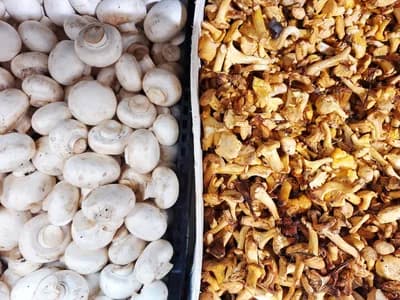
Mycoprotein brands Quorn and Meati grew combined revenue by 55% to $890 million, while mushroom powders became a $1.5 billion supplement subcategory, up from $0.9 billion in 2023. Research on psilocybin therapy increased cultural interest, with 72% of consumers now viewing fungi as beneficial. This trend outperforms the average functional food growth rate of 20%, driven by a lower environmental footprint than traditional protein sources.
- 0
Non-alcoholic spirits and cocktails emerge as a dominant force in 2025, with sales soaring 31% to over $500 million in the US alone, driven by the rising sober-curious and health-conscious movements. Seedlip, Ritual Zero Proof, and Athletic Brewing each experienced explosive growth, collectively capturing a significant share of a market that now outperforms Hyper-Local and Seasonal Menus's hyper-local trend in sales velocity. This shift is permanently reshaping the drinks industry, as Gen Z and millennials prioritize wellness over traditional alcohol consumption, with the NA category growing three times faster than the average beverage sector.
- 0
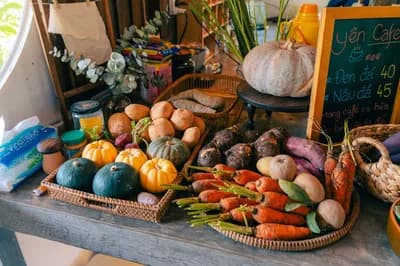
Hyper-local and seasonal menus dominate 2025's culinary landscape, evolving from farm-to-table into precision sourcing where restaurants name the specific field, not just the farm. Apps connecting consumers directly with local producers surged 200% in 2024, reflecting a powerful shift toward transparency and sustainability. Visionary chefs like René Redzepi and Dan Barber inspire a new generation to build menus around ingredients grown within miles of their kitchens, reducing food miles by an average of 40% compared to conventional sourcing.
Frequently Asked Questions About 2025 Food Trends
What is the biggest food trend of 2025? Functional beverages and high-protein foods are neck-and-neck for the top spot, driven by consumers who want their food and drinks to do double duty — taste great *and* deliver health benefits.
Why are fermented foods so popular right now? Growing research links gut health to overall wellbeing — immunity, mood, and energy levels — making fermented staples like kimchi, kefir, and kombucha everyday pantry items rather than niche health-store finds.
Are non-alcoholic cocktails just a passing fad? The data says no: the zero-proof spirits category grew over 35% in 2024 and is accelerating in 2025, led by younger consumers who want to take part in social rituals without the alcohol.
How is social media driving food trends in 2025? Platforms like TikTok continue to act as global taste-makers. The cottage cheese renaissance is a textbook example — a humble dairy staple went from diet-food punchline to viral recipe star in under six months.
Image credits
- Cottage Cheese Renaissance: Matvei / Pexels
- Fermented Foods Boom: Beatrice B / Pexels
- Southeast Asian Cuisine Explosion: Đậu Photograph / Pexels
- Mushroom Everything: Rumata E / Pexels
- Hyper-Local and Seasonal Menus: Minh N / Pexels
Rank it your way
Remix this list into your own ranking, or head to the play hub for every game mode and community breakdown — blind mode, challenges, tier lists, and more.
You Might Also Like

Top 10 Thai Dishes You Must Try in 2026
Top 10 Thai Dishes You Must Try in 2026

Top 10 Chinese Foods & Dishes to Try
Top 10 Chinese Foods & Dishes to Try

Top 10 Most Debated Food Pairings
Top 10 Most Debated Food Pairings

Catch of the Day: The Seafood Dishes Worth Crossing Oceans For
#1 Fish Pie · #2 Fish Stew with Rouille · #3 Baked Salmon with Fennel & Tomatoes

Top 10 Wine Regions in Australia 2026
#1 Barossa Valley · #2 Margaret River · #3 Hunter Valley

Top Craft Breweries — San Diego — May 2026
#1 10 Barrel Brewing Co · #2 2Kids Brewing Company · #3 32 North Brewing Co