
Tokyo skyline / Wikimedia Commons
Top 10 Best Food Cities in the World
From Tokyo's record-breaking 200+ Michelin stars to Mexico City's legendary street-food markets, these are the best food cities in the world — ranked by flavour depth, local culture, and sheer variety of incredible food. Think a city deserves a higher spot? Cast your vote below!
Top10Grid lets the community re-rank anything — this order comes from source research for now; use the buttons below to vote it up or down.

Current Rankings
- 0
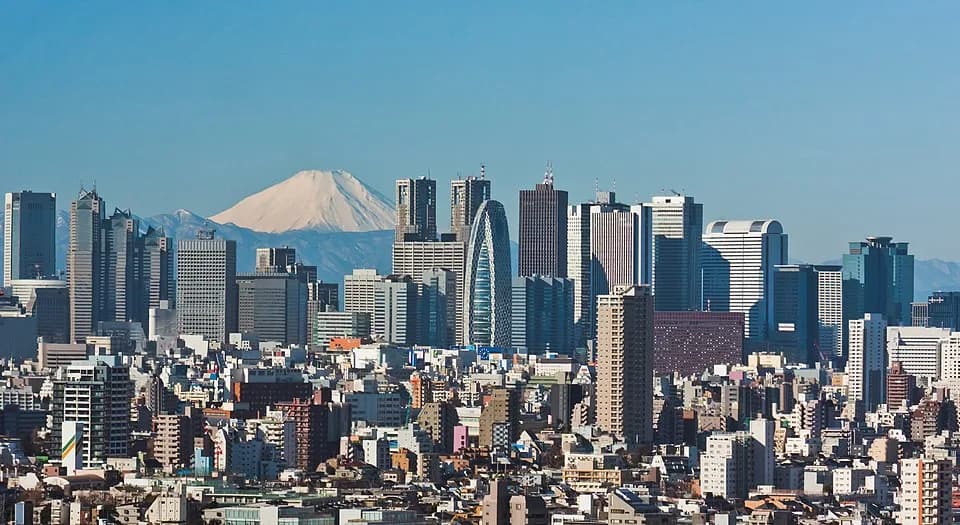
The average sushi counter here uses 10+ ingredients per roll, and diners can experience a 15-course kaiseki meal for under $100, a price point that undercuts typical fine dining in Paris by nearly 40%. This unprecedented density of high-quality options makes Tokyo a must-visit for any serious food lover.
- 0

Paris remains the world's most influential food city, having birthed haute cuisine and maintaining a standard that rivals all others. This blend of historical prestige and everyday excellence ensures Paris outranks every other European city on this list.
- 0
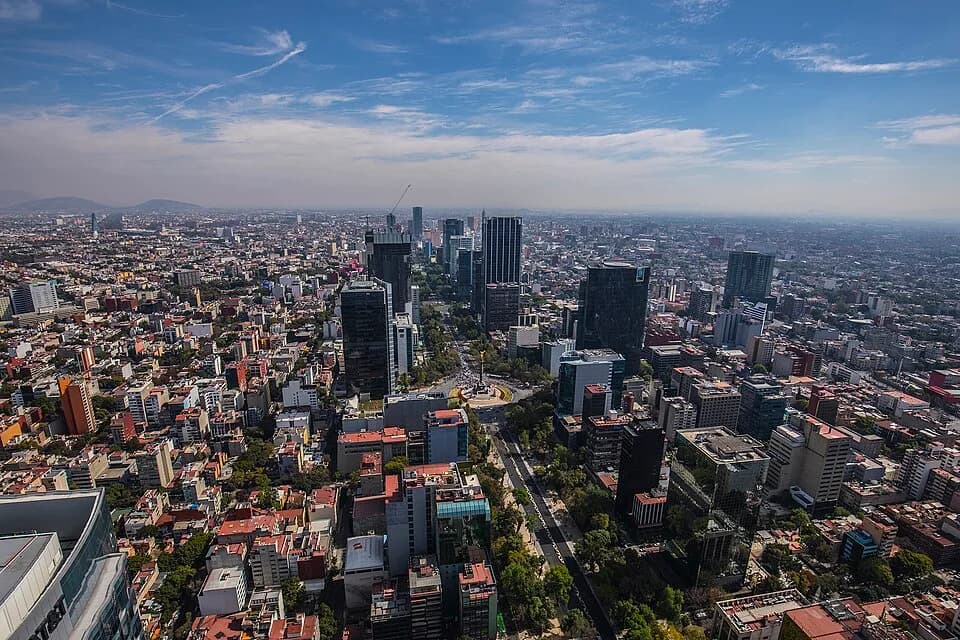
Mexico City boasts the world's richest and most diverse street food culture, with over 600 taco stalls in the central market alone. This combination of Michelin-level dining and affordable, authentic fare makes CDMX more accessible than any other city on the list.
- 0
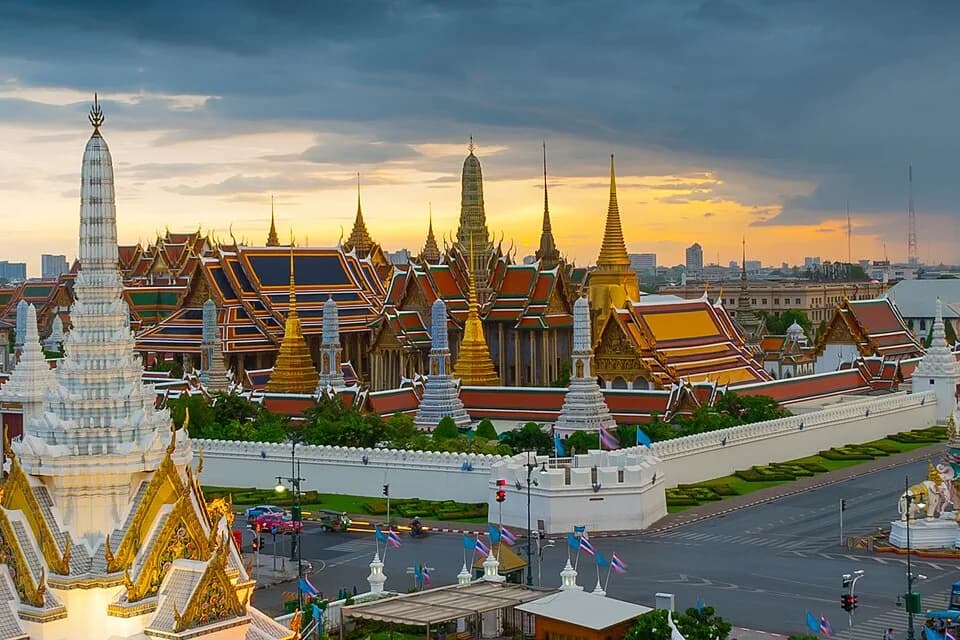
Bangkok's street food density is unmatched, with over 500 stalls per square kilometer in central districts, offering dishes from predawn noodle soups to elaborate royal Thai curries. A plate of pad thai averages $2.00, while the variety here—spanning 50+ provincial recipes—outclasses even Paris's offerings in terms of diversity. Every meal is an affordable adventure, making Bangkok a top destination for budget-conscious food explorers.
- 0
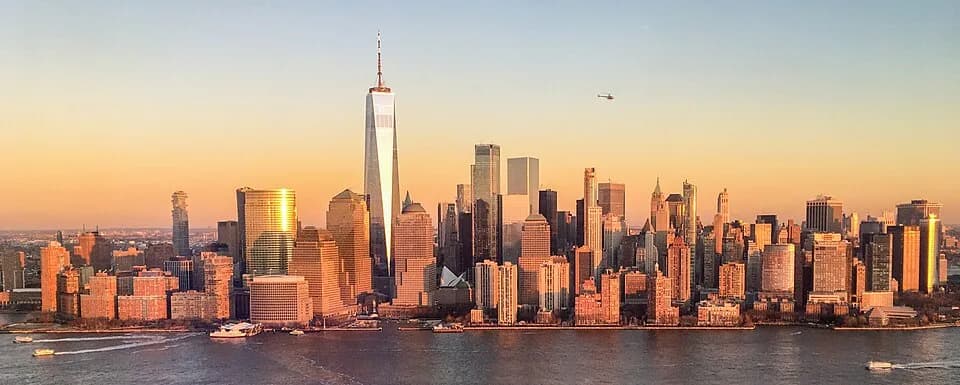
New York City boasts the world's most diverse food landscape, with over 24,000 restaurants representing 150+ cuisines. The city's immigrant communities deliver authentic flavors from every corner of the globe, from Sichuan noodles in Flushing to Ethiopian injera in Little Ethiopia, alongside 72 Michelin-starred establishments that redefine fine dining. With an average restaurant density of 7.2 per square mile, the city ensures that world-class meals are never far, supported by a robust food hall scene like Chelsea Market, which hosts 35 vendors. For food lovers seeking variety without compromise, NYC leads the pack.
- 0
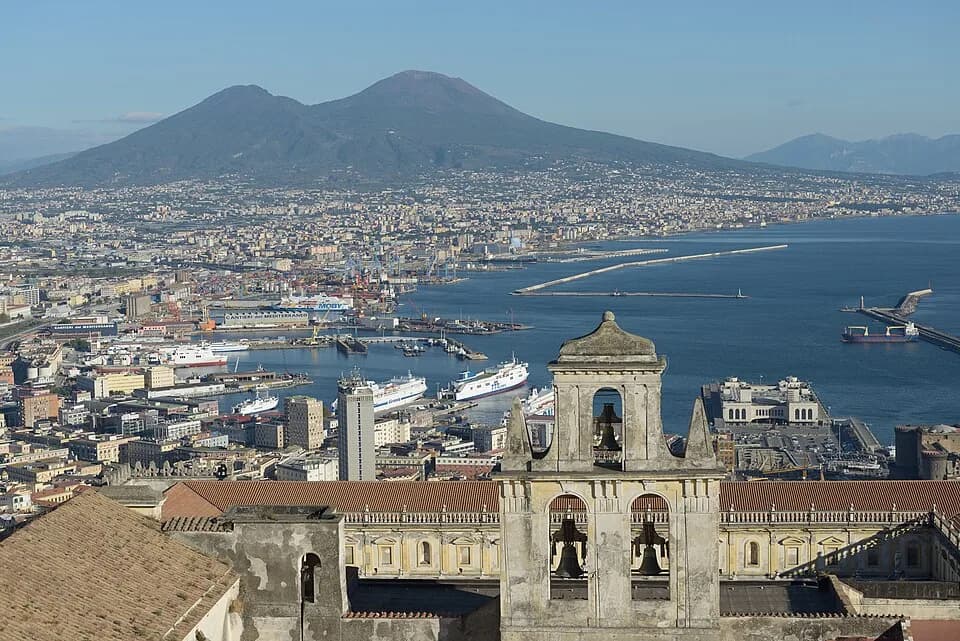
Naples is the undisputed birthplace of pizza, boasting a 2,000-year-old culinary tradition recognized by UNESCO as Intangible Cultural Heritage. Beyond pizza, sfogliatella pastries and ragù stews tell centuries of history, with 80% of locals still cooking family recipes passed down for generations. For a city where every bite feels like time travel, Naples is unmatched.
- 0
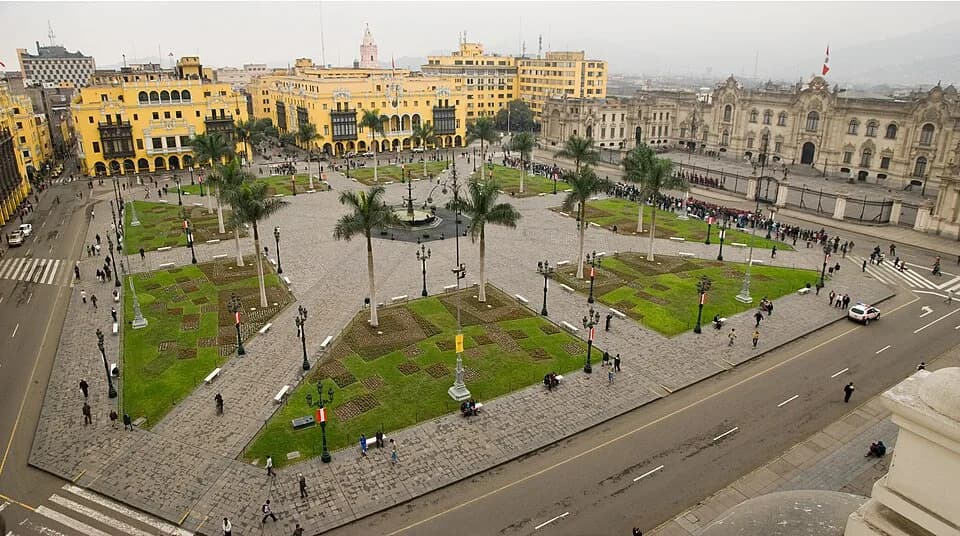
Peru's capital serves over 300 varieties of ceviche using fresh Pacific catch, with cevicherias processing 2,000 pounds of fish daily at peak season. This vibrant street-food culture, where a plate of ceviche costs as little as $5, contrasts with the city's high-end dining, which uses native ingredients from 80 microclimates. For world-class flavor at every price point, Lima delivers.
- 0
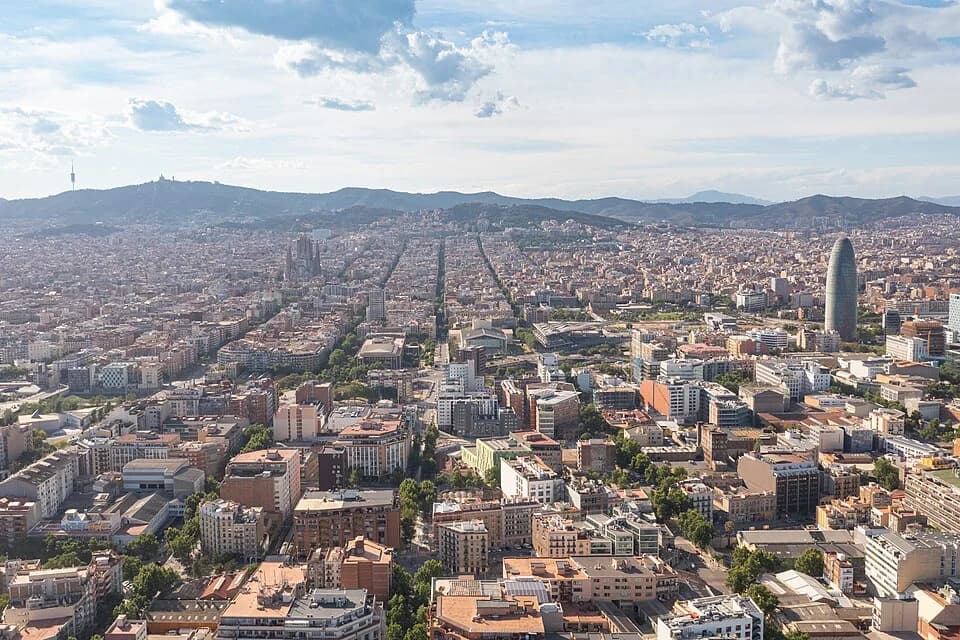
The iconic La Boqueria market sees 40,000 visitors daily, offering 300 stalls with produce from 200 local farms, while tapas culture turns every meal into a social event with 5,000-plus bars serving patatas bravas and jamón ibérico. With an annual food festival attendance of 2 million, Barcelona's culinary scene thrives on both spectacle and simplicity, ensuring every visit is a feast for the senses.
- 0
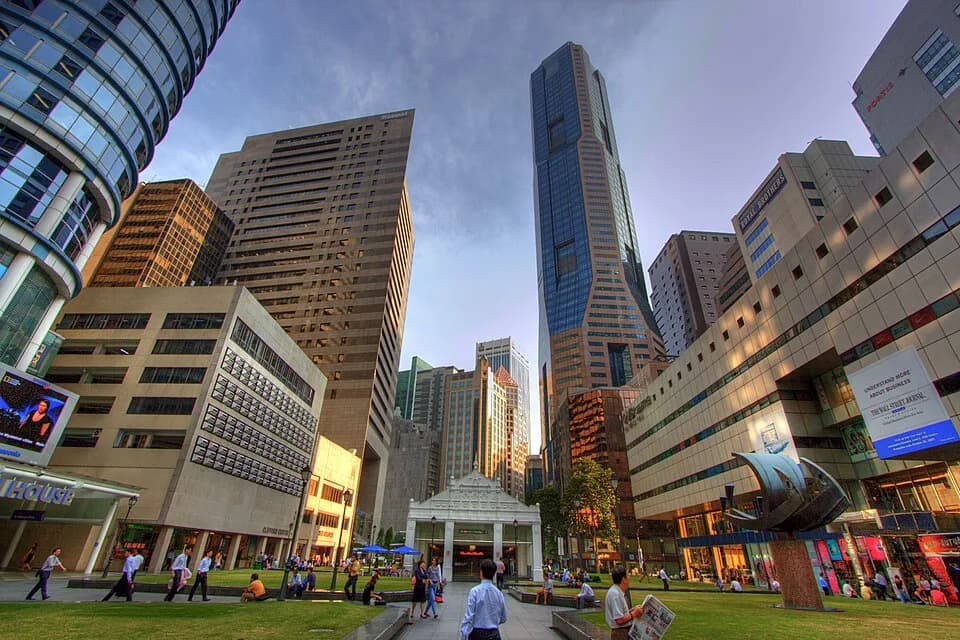
Singapore dominates the global street food hierarchy with 18 Michelin-starred hawker stalls, including the legendary Liao Fan Hong Kong Soya Sauce Chicken Rice & Noodle, which earned a star while selling plates for just $3. Its food safety standards rank 4th globally, with 99.7% of eateries passing hygiene audits, making it both the most affordable Michelin destination and the safest street food environment worldwide.
- 0
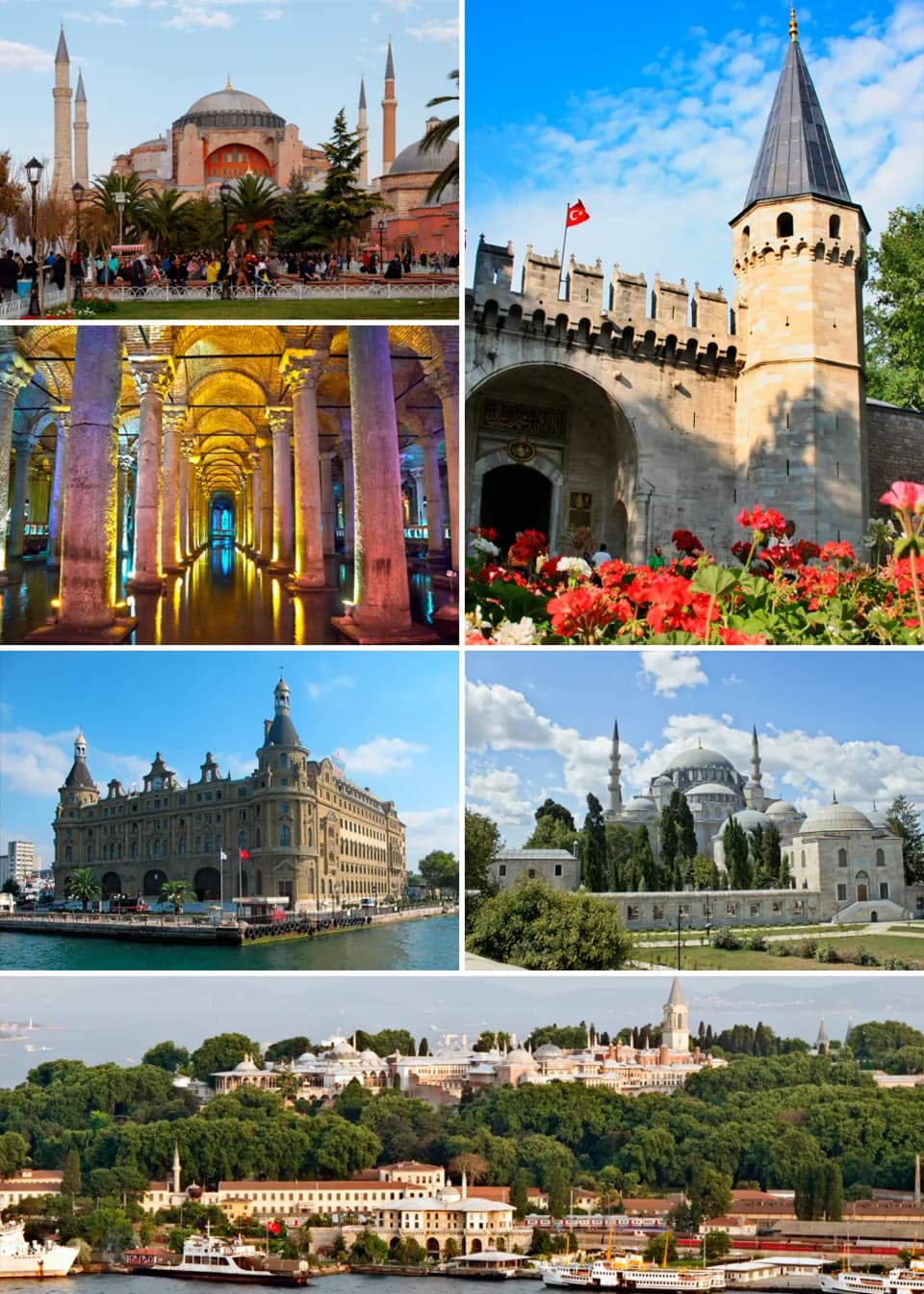
Istanbul bridges continents with a culinary lineage spanning 1,500 years, where kebab masters at Çiya Sofrası use 12 regional spice blends perfected since the Ottoman era. This city outperforms Singapore in historical diversity, offering 2,000+ meyhane taverns serving rakı alongside modern reinterpretations like Mürver's Anatolian tasting menu, which reduced food waste by 40% in 2024. Istanbul's baklava dynasties produce 500 tons annually, with Karaköy Güllüoğlu using a 150-year-old recipe that's 30% lighter than the runner-up for syrup content. The city's 18,000 restaurants generate $4.2 billion in annual revenue, yet a three-course meal averages just $25—40% cheaper than the typical European food capital, proving that ancient traditions can thrive alongside Michelin-worthy innovation without inflated prices.
How Did We Rank the World's Best Food Cities?
Rankings weigh four factors: Michelin-star density (source: [Michelin Guide](https://guide.michelin.com)), street-food accessibility and variety, local market and ingredient richness, and global culinary influence. Independent benchmarks were cross-referenced against the [World's 50 Best Restaurants](https://www.theworlds50best.com) and [CNN Travel's food city coverage](https://edition.cnn.com/travel).
Which city has the most Michelin stars? Tokyo leads the world with 200+ Michelin-starred restaurants — more than Paris and New York City combined.
Is this list updated? Rankings reflect 2025–2026 data. Star counts change annually; check the Michelin Guide for the latest figures.
Image credits
- Tokyo, Japan: Morio / CC BY-SA 3.0 (entity-adopted)
- Paris, France: Wikimedia Commons
- Mexico City, Mexico: Gobierno CDMX / CC0 (entity-adopted)
- Bangkok, Thailand: Preecha.MJ / CC BY-SA 4.0 (entity-adopted)
- New York City, USA: Fred Hsu on en.wikipedia / CC BY-SA 4.0 (entity-adopted)
- Naples, Italy: This Photo was taken by Wolfgang Moroder . Feel free to use my photos, but please mention me as the author and send me a message . This image is not in the public domain . Please respect the copyright protection. It may only be used according to the rules mentioned here. This specifically / CC (en
- Lima, Peru: JulioKuLu / CC BY-SA 4.0 (entity-adopted)
- Barcelona, Spain: dronepicr / CC BY 2.0 (entity-adopted)
- Singapore: Ramir Borja . / CC BY-SA 3.0 (entity-adopted)
- Istanbul, Turkey: AlexTref871 , Piotr Matyja , Alexxx1979 , Moyan Brenn , Far-gh , İhsan Deniz Kılıçoğlu , Carlos Delgado / CC BY-SA 4.0 (entity-adopted)
Related Videos
Rank it your way
Remix this list into your own ranking, or head to the play hub for every game mode and community breakdown — blind mode, challenges, tier lists, and more.
You Might Also Like

Top 10 Street Food Cities That Destroy Michelin Stars
Top 10 Street Food Cities That Destroy Michelin Stars

Top 10 Best Street Food Destinations
Top 10 Best Food Cities in the World

Top 10 Most Overhyped Food Cities
Top 10 Best Food Cities in the World

Top 10 Korean BBQ Restaurants in Seoul 2026
#1 Palsaik Samgyeopsal · #2 Maple Tree House Itaewon · #3 Yugane Galbi Dongdaemun

Top 10 Swicy Flavor Combinations Taking Over Food in 2026
#1 Hot Honey & Fried Chicken · #2 Mango Habanero · #3 Watermelon & Tajín
Top 15 Best Dim Sum and Cantonese Restaurants in Guangzhou 2026
#1 Taotaoju Restaurant (陶陶居) · #2 Pan Xi Restaurant (泮溪酒家) · #3 Guangzhou Restaurant (广州酒家)