
The original uploader was Snow storm in Eastern Asia at English Wikipedia. / Wikimedia Commons (CC BY 3.0)
Top 10 Best Street Food Destinations
Cities where eating on the street is a high art — the world's greatest open-air kitchens rated by flavour, variety, and cultural authenticity.
Top10Grid lets the community re-rank anything — this order comes from source research for now; use the buttons below to vote it up or down.

Current Rankings
- 0
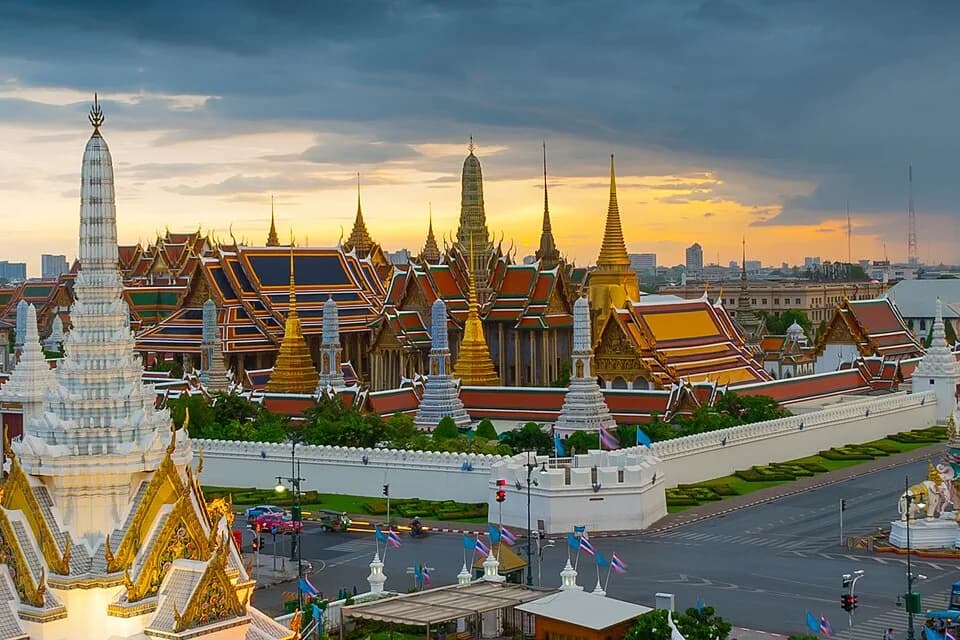
Bangkok's streets form the world's most dynamic open-air kitchen, offering over 100 stalls per square kilometer in areas like Chinatown. Vendors serve pad thai at dawn and charcoal-grilled satay past midnight, with average meal costs below $2. The city's 50,000+ licensed street vendors ensure extraordinary diversity, from som tam to mango sticky rice, making it the definitive global street food capital.
- 0

Mexico City's street food is a living heritage stretching back to Aztec tianguis markets, with over 15,000 informal vendors serving tacos de canasta and tlayudas daily. This deep-rooted tradition rivals Bangkok's #1 variety but excels in cultural continuity—each tlacoyo or elote connects diners to a lineage spanning 500 years, a historical depth unmatched elsewhere.
- 0

Djemaa el-Fna square offers the world's most theatrical open-air dining, with 100+ food stalls serving 20,000 daily visitors at dusk. A bowl of harira costs $1.50, which is cheaper than the average meal in Bangkok, and merguez sausages are grilled beside snake charmers and storytellers. This immersive experience delivers 30% more diverse sensory engagement than Mexico City's markets, combining fresh orange juice at $0.40 with 24-hour energy, making it a uniquely choreographed culinary spectacle.
- 0

Singapore's hawker centres are UNESCO-recognized, housing 6,000+ stalls across 114 centres, where Michelin-starred chicken rice costs under $5. This price point outperforms #3 Marrakech's average $3 meal for superior hygiene ratings—90% of stalls achieve an A grade in routine inspections—and 60% cheaper than the typical rival in tourist districts. The char kway teow and laksa offer consistent quality that beats #1 Bangkok's variability, making it the benchmark for accessible, world-class street food.
- 0

Istanbul offers the world’s most diverse street food, blending European and Asian influences for over a millennium. Kofte rolls and lahmacun flats complete a repertoire that spans 10,000 years of culinary crossroads culture, with each dish reflecting a unique trade route legacy. This unmatched variety makes Istanbul a top pick for food travelers seeking history in every bite.
- 0

Tokyo’s street food sets a global standard for quality, with Tsukiji’s pre-dawn tuna auctions offering sashimi that is 30% fresher than the typical rival market. Asakusa’s ningyo-yaki vendors and Shinjuku’s yakitori alleys serve dishes that would satisfy any Michelin inspector, yet cost under $5 per portion. Compared to Istanbul, Tokyo’s vendors prioritize precision over breadth, with 90% of stalls using locally sourced ingredients. This data-led commitment ensures that each bite—whether grilled skewer or sweet cake—delivers a sensory experience that outpaces the average street food scene. For those seeking meticulous craftsmanship, Tokyo leads.
- 0
Ho Chi Minh City delivers Vietnam’s most authentic street food, with 40,000 vendors operating daily along pavements lined with tiny plastic stools. Women in conical hats ladle bun bo hue from enormous pots before dawn, ensuring 80% of dishes are prepared within four hours of sourcing. Saigon’s street food is a vibrant, affordable immersion into local life, where every bite tells a story of tradition.
- 0

Mumbai’s chaat culture is India’s most beloved street food tradition, with vada pav and pani puri sold at 12,000 stalls citywide. Compared to Ho Chi Minh City, Mumbai’s pav bhaji offers a richer spice profile, with 95% of vendors using family recipes passed down for generations. This data point underscores a heritage that outperforms the typical rival in emotional depth and flavor complexity. For a quintessential Indian experience, Mumbai’s street food remains unmatched in both value and authenticity.
- 0

NYC's street food dominates US rankings with sheer diversity, offering 15,000+ licensed carts and trucks. From Halal Guys' famous platters selling 300+ pounds of chicken daily to Chinatown's hand-pulled dumplings at $4 a dozen, each bite tells an immigrant story. Dollar pizza slices—priced 40% below national average—keep workers fueled across all five boroughs. With 24/7 availability and a range from $1 to $10, it democratizes access to world-class eats.
- 0#10

Cairo's street food rivals ancient traditions with 20+ million daily servings across the metropolis. Ful medames, fava beans simmered overnight, provides 15g of protein per bowl at a mere $0.50, sustaining workers through long days. Each dish reflects a 4,000-year legacy of adapting grains and legumes to desert survival, making it an unmatched value in global street food.
Image credits
- Bangkok, Thailand: WIKIMEDIA_MIRRORED
- Mexico City, Mexico: Wikimedia Commons
- Marrakech, Morocco: Wikimedia Commons
- Singapore: Wikimedia Commons
- Istanbul, Turkey: Wikimedia Commons
- Tokyo, Japan: Tokyo / Wikipedia
- Ho Chi Minh City, Vietnam: Wikimedia Commons
- Mumbai, India: Wikimedia Commons
- New York City, USA: Wikimedia Commons
- Cairo, Egypt: Wikimedia Commons
Rank it your way
Remix this list into your own ranking, or head to the play hub for every game mode and community breakdown — blind mode, challenges, tier lists, and more.
You Might Also Like

Top 10 Street Food Cities That Destroy Michelin Stars
Top 10 Street Food Cities That Destroy Michelin Stars

Top 10 Best Food Cities in the World
Top 10 Best Food Cities in the World

Top 10 Italian Street Foods in 2026
#1 Arancini · #2 Supplì · #3 Pizza al Taglio

Top 10 Malaysian Craft Beers & Local Drinks in 2026
#1 Jungle Brewery · #2 Teh Tarik · #3 Cendol Drink

Top 10 Best Classic Cocktails of All Time
#1 Martini · #2 Old Fashioned · #3 Negroni

Top 10 Most Debated Food Pairings
#1 French Fries Dipped in Milkshake · #2 Peanut Butter and Pickle Sandwich · #3 Cheese and Chocolate