
Photo by Leilani Angel / Unsplash
Top 10 Viral Food Trends Taking Over Restaurants in 2026
Dubai chocolate. Croissant donuts. Charcoal ice cream. These aren't just viral TikTok moments reshaping social media in 2026—they're reshaping restaurant operations in real time. Restaurants adopting the hottest trending food trends early report measurable wins: stronger customer loyalty, premium LTO pricing power, and menu-driven repeat visits. But not every viral food trend sustains margins or justifies inventory risk. Some trending foods burn through stock in 8 weeks without moving profitability. This guide ranks the top 10 food trends actually moving restaurant sales in 2026 using real data: social velocity metrics from TikTok and Instagram, point-of-sale patterns, and supplier order data. We've scored each trending cuisine on three critical factors: - Social momentum: TikTok and Instagram engagement across trending restaurant menus - Customer economics: check lift and repeat frequency - Operational ROI: gross margin impact and prep complexity Perfect for restaurant operators planning Q3-Q4 menus, food distributors optimizing inventory, or anyone tracking how TikTok and social media reshape dining—discover which trending foods and nostalgic revivals offer real early-mover advantage, and which to skip.
Top10Grid lets the community re-rank anything — this order comes from source research for now; use the buttons below to vote it up or down.

Current Rankings
- 0

Matcha has achieved near-total menu domination in 2026, driving a real supply crunch for ceremonial-grade powder: Japanese producers reported a smaller 2025 harvest and paused sales of some products, and wholesale prices have roughly doubled. The cloud matcha trend—a glass topped with coconut water and whipped matcha foam—has become one of TikTok's most replicated drink recipes. Versatility fuels expansion: matcha has migrated into cheesecakes, tiramisu, croissants, and cocktails, with Starbucks and other major chains adding matcha drinks to their menus. A quality ceremonial tin costs $25 or more and opens hundreds of applications, but technique is non-negotiable: sifting and whisking prevent clumping. Few ingredients have matched matcha's combination of menu reach, social media buzz, and cultural staying power this year.
- 0
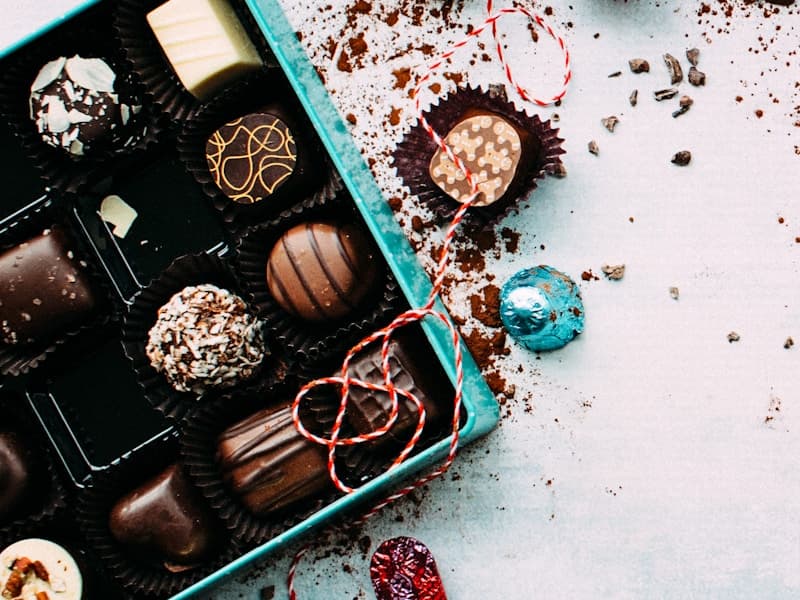
The Dubai chocolate trend has evolved into a full ecosystem in 2026, tracing back to a viral TikTok video that exposed Fix Dessert Chocolatier's original 'Can't Get Knafeh of It' bar. Shake Shack's Dubai Chocolate Pistachio Shake became one of the chain's most talked-about limited-time items, drawing long lines at launch. Lindt and other major chocolate brands released their own Dubai-chocolate-inspired bars. The trend also supercharged pistachio demand broadly — South Korea's pistachio imports, for instance, roughly doubled between 2020 and 2025, a shift its tax authority linked directly to the craze. Beyond aesthetics, the trend introduced millions to kataifi and Levantine pastry tradition, functioning as accidental culinary diplomacy. Seek out Middle Eastern bakeries for authenticity, or recreate it at home with pistachio cream layered in milk chocolate and rolled in toasted kataifi.
- 0

Ube, the vivid purple yam central to Filipino cuisine, has become one of the more talked-about specialty flavors on US and European coffee and bakery menus in recent years. Its appeal lies in its convergence of traits: the color photographs spectacularly, the flavor is subtly sweet with earthy undertones that read as approachable to Western palates, and it carries genuine cultural depth as a foundational ingredient in Filipino celebrations and family recipes. Some food-industry watchers have floated it as a possible 'next matcha,' a trend with the staying power to become a permanent category rather than a passing fad. As with any ingredient riding a viral wave, supply hasn't always kept pace with sudden demand spikes at trend-chasing chains.
- 0
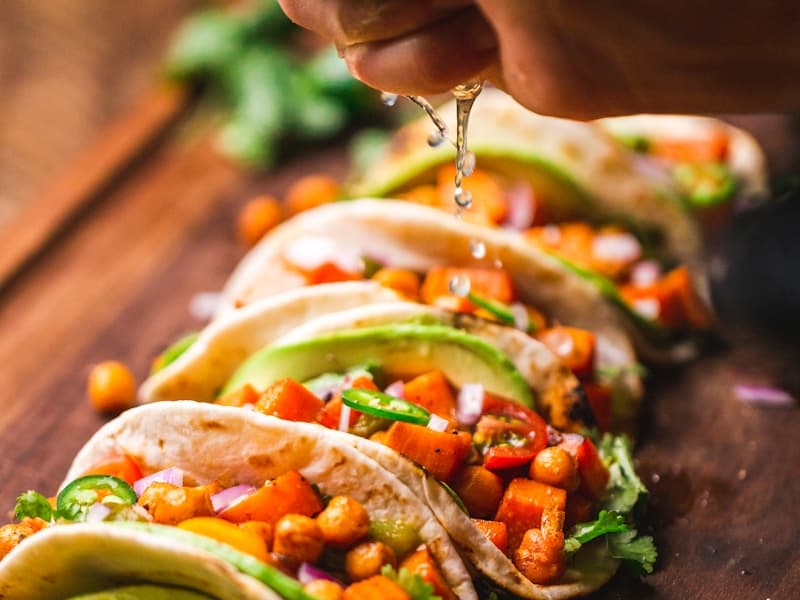
Birria has moved decisively from viral trend to permanent menu staple in 2026, with restaurant menus featuring it growing 412% through 2024 and sustained expansion into this year. The 'birria tacos' tag now holds nearly 500 million TikTok views and 135,214 Instagram posts, driven by the dramatic visual and participatory eating experience—cheese pull, sizzling griddle, crispy taco dunked in bright red consomme. Jalisco birria and quesabirria are listed among the National Provisioner's top taco trends for 2026, and globally, birria has reached Singapore, Australia, the UK, and South Korea, always carrying the essential consomme ritual. Investors treat birria concepts with the same long-term viability as pizza or sushi, and new formats proliferate: birria ramen, birria pizza, birria grilled cheese, and birria loaded fries now appear on 1,200 menus nationwide. For the home cook, birria requires a 3–4 hour braise but yields extraordinary results that explain half a billion views.
- 0
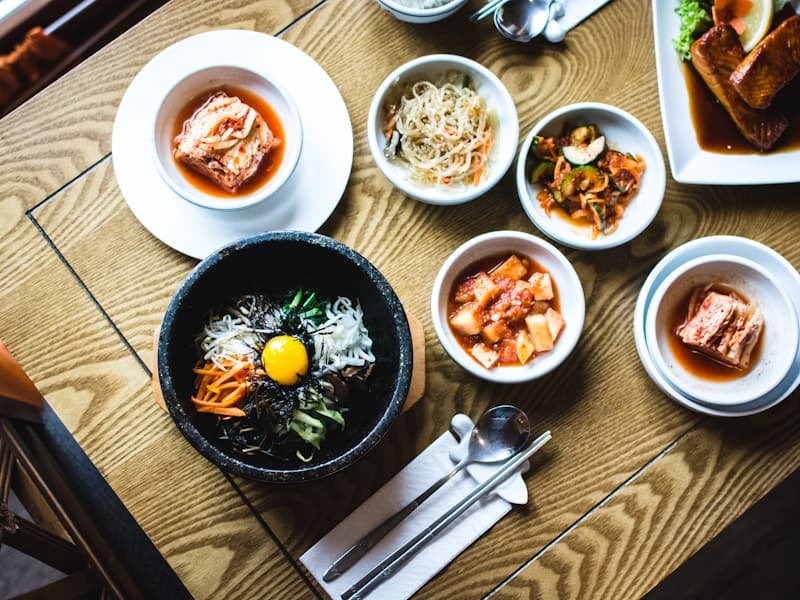
Korean cuisine's global ascent continues in 2026, moving well beyond K-BBQ into street food and fine-dining interpretations, including Michelin-starred restaurants. Tteokbokki, chewy rice cakes in spicy gochujang sauce, has become one of Korea's most recognizable street foods and a favorite for home cooking videos worldwide — including newer riffs like rose tteokbokki, a cream-sauce hybrid. Dookki, the global tteokbokki-buffet franchise, shows the dish's commercial staying power. Premium kimbap bars, an artisanal upgrade echoing sushi's rise in the West, are opening in major cities. It's one of the most complete emerging-to-mainstream cuisine stories of the past decade, offering bold flavors and communal dining that feel genuinely joyful.
- 0
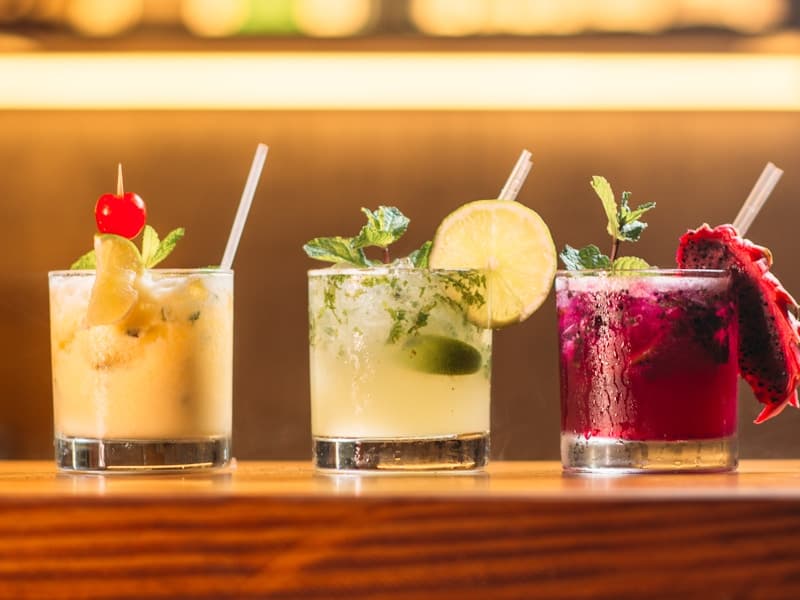
The zero-proof movement continues to reshape beverage culture, as Gen Z leads a broader shift toward drinking less alcohol. Non-alcoholic and low-alcohol cocktails have expanded steadily on bar and restaurant menus in recent years — one industry analysis found alcohol-free mixed drink offerings grew by more than a third over just a few years. Major chains and independent bars alike are adding dedicated mocktail menus, and some fine-dining restaurants now offer zero-proof pairing menus priced alongside their alcoholic counterparts. Cultural drivers include the sober-curious movement, mental health awareness, and interest in functional adaptogens. For home bartenders, zero-proof options have never been more accessible or exciting.
- 0
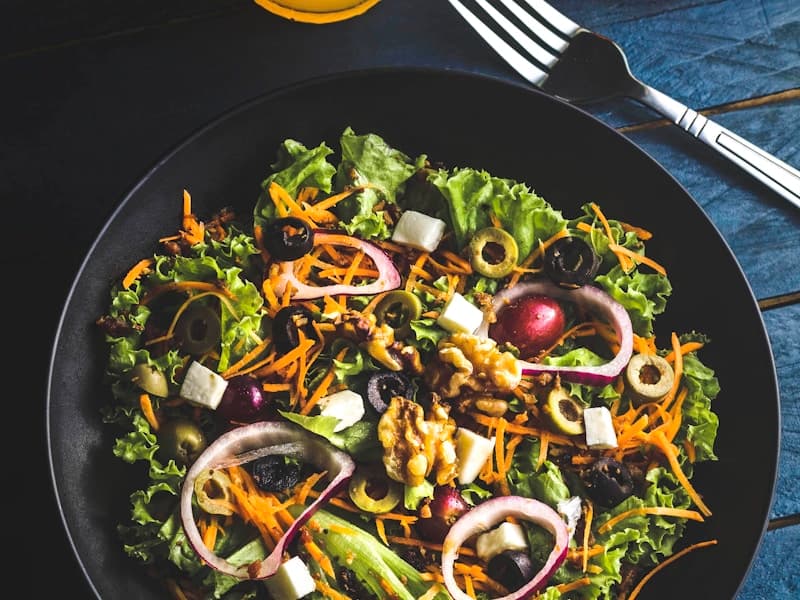
Middle Eastern cuisine achieves its broadest mainstream penetration yet in 2026, building on hummus's decade-long normalization. Industry watchers point to it as one of the fastest-growing ethnic food categories, with some predicting it could rival Asian cuisines' influence in the years ahead. Labneh, za'atar, pomegranate molasses, harissa, and pistachio-rose are crossing into mainstream dips, sauces, and snacks. Communal mezze dining aligns with grazing culture over traditional three-course meals. Shakshuka has become a brunch staple at cafes across the US, UK, and Australia. Independent spots are riffing on classics with dishes like date-syrup brisket hummus and dill pickle labneh dip. For home cooks, a Middle Eastern pantry is inexpensive to build, with shakshuka and labneh dip both quick to put together—part of why the cuisine has spread so easily.
- 0
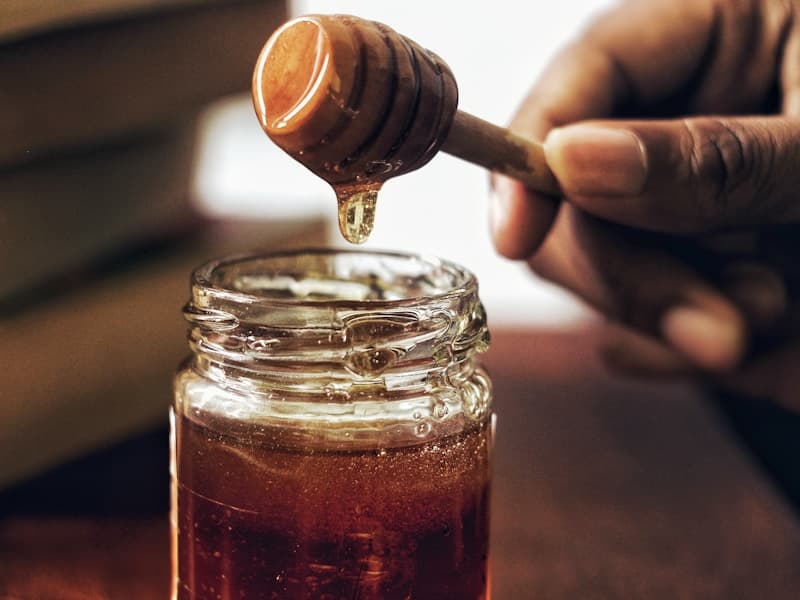
Hot honey, pioneered by Mike Kurtz at Paulie Gee's pizzeria in Brooklyn around 2010, achieves maximum mainstream penetration in 2026 as McDonald's launches a four-item hot honey menu: Sausage Egg Biscuit, Snack Wrap, McCrispy Sandwich, and Bacon McCrispy, plus a dedicated dipping sauce. This condiment, blending floral sweetness with slow chili heat, appears on 461 chain menus, achieving 230% growth over four years and projected 151% increase by 2030. The 'swicy' flavor category now drives product development across Ritz crackers, fried chicken, butter biscuits, and cocktails. The viral hot honey sweet potato beef bowl became 2026's most shared food recipe on TikTok.
- 0
Once relegated to mid-century diet culture with its lumpy texture and canned peach pairings, TikTok creators revolutionized it by blending it smooth to create versatile bases for recipes like ice cream, tacos, queso, flatbread, and pancakes. The hard-boiled-egg, cottage cheese, and chili oil snack plate emerged as a signature 'lazy girl' recipe, appealing to those seeking nourishing food with minimal effort. Canadian Grocer highlighted it as a 2026 viral sensation, with sales surging across North America and Europe. This protein-driven shift is structural and long-term, as specialty health cafes adopt premium cottage cheese bowls. Compared to typical rival trends, cottage cheese offers the best protein-per-dollar value, ensuring sustained relevance even as individual viral recipes cycle.
- 0
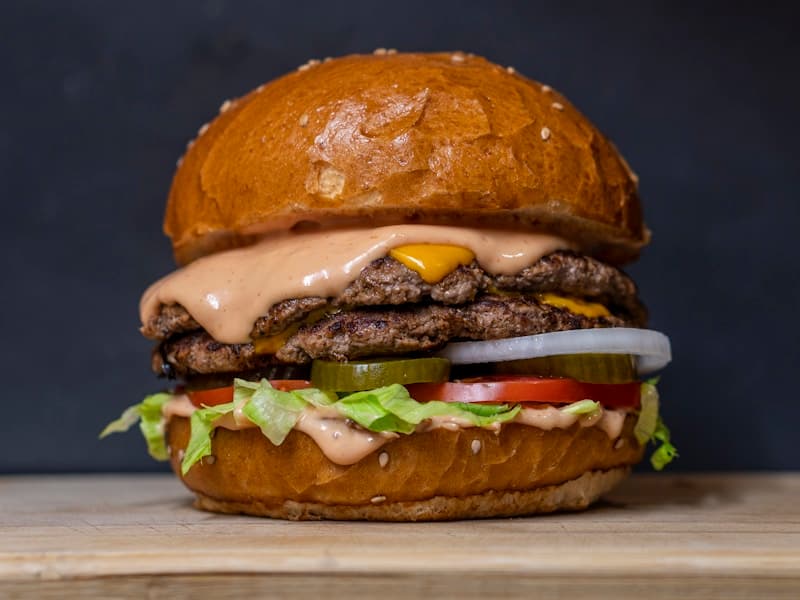
The smash burger renaissance in 2026 redefines the burger format with visceral social media appeal—the sizzle, steam, and crispy edges from an aggressive smash on a hot griddle—making it a favorite for a generation that discovered it through short-form videos. The technique, using good 80/20 beef pressed ultra-thin for maximum Maillard reaction, creates a juicy center with lacy crisp edges, all in under 10 minutes. Fast-food chains like Sonic have added smash burgers to their menus. The 2026 evolution adds global flavors such as kimchi-gochujang mayo, birria consomme, and French onion with Gruyere, turning the smash burger into a blank canvas for culinary creativity. For home cooks, making a smash burger with a cast iron pan can rival a restaurant version at a fraction of the cost, combining retro charm with high-flavor customization.
Viral Versus Durable: Reading a Food Trend's Staying Power
Not every food that blows up on TikTok survives past the first wave of novelty orders. The dishes that hold a spot on restaurant menus months later tend to share a few traits: they travel well as takeout, they photograph clearly in a single shot, and they can be executed consistently by a line cook working a busy shift — not just by the original creator. Trends that require a rare ingredient, a fragile presentation, or a technique that doesn't scale tend to fade fastest, regardless of how large their initial viral spike was.
What Restaurant Operators Get Wrong About Chasing a Trend
The most common mistake is treating a viral dish as a menu addition rather than a full operational decision — sourcing, prep time, and shelf life for a trending ingredient rarely match the existing kitchen's rhythm, and a trend that looks like free marketing can quietly erode margins if the ingredient itself is expensive or wasteful in small batches. The trends that succeed commercially, not just socially, are usually the ones a kitchen can absorb into its existing workflow rather than build a special process around.
Related Videos
Rank it your way
Remix this list into your own ranking, or head to the play hub for every game mode and community breakdown — blind mode, challenges, tier lists, and more.
You Might Also Like

Top 15 Best Restaurants and Food in Zhuhai 2026
Top 15 Best Restaurants and Food in Zhuhai 2026

Top 10 Most Polarizing Foods People Love or Hate
foods that divide opinions

Top 10 Foods Banned in Other Countries But Legal in the US
Top 10 Foods Banned in Other Countries But Legal in the US

Top Craft Breweries — Oregon — May 2026
#1 10 Barrel Brewing Co · #2 10 Barrel Brewing Co · #3 10 Barrel Brewing Co

Taco Night Done Right: 10 Mexican & Tex-Mex Dishes Worth Making at Home
#1 Chicken Enchilada Casserole · #2 Crock Pot Chicken Baked Tacos · #3 Cajun Spiced Fish Tacos

Top Craft Breweries — Denver — May 2026
#1 10 Barrel Brewing Co - Denver · #2 14er Brewing Company · #3 Alpine Dog Brewing Co