#5
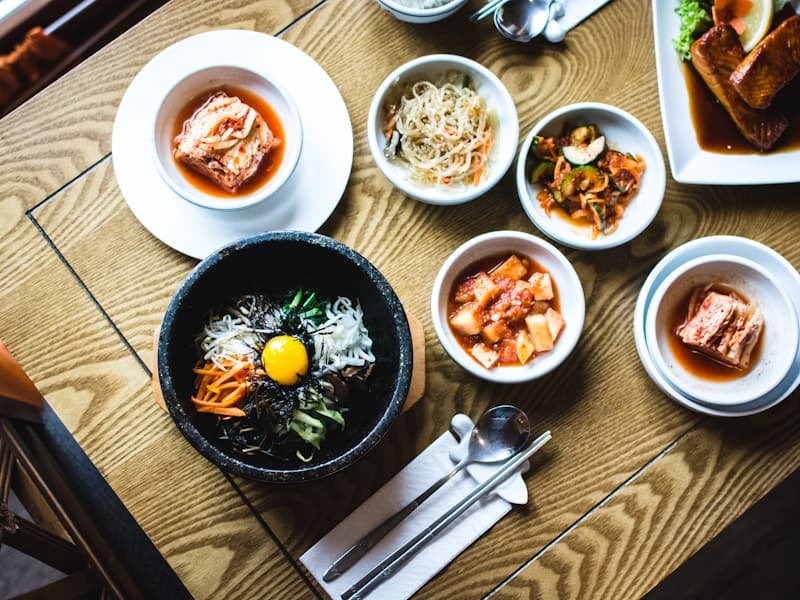
Korean Food Beyond K-BBQ
Korean cuisine's global ascent continues in 2026, moving well beyond K-BBQ into street food and fine-dining interpretations, including Michelin-starred restaurants. Tteokbokki, chewy rice cakes in spicy gochujang sauce, has become one of Korea's most recognizable street foods and a favorite for home cooking videos worldwide — including newer riffs like rose tteokbokki, a cream-sauce hybrid. Dookki, the global tteokbokki-buffet franchise, shows the dish's commercial staying power. Premium kimbap bars, an artisanal upgrade echoing sushi's rise in the West, are opening in major cities. It's one of the most complete emerging-to-mainstream cuisine stories of the past decade, offering bold flavors and communal dining that feel genuinely joyful.
–
Photos (1)
Top LinksAuto-discovered
Community Links
Edit History
@adminchangedImage6/14/2026
https://images.unsplash.com/photo-1498654896293-37aacf113fd9?w=800&h=600&fit=crop
Comments on "Korean Food Beyond K-BBQ"
Have a take on this ranking?
Save your rankings and see how you compare. Comments are how the argument actually happens here. Posting one needs a free account — it takes about a minute.
No comments yet.
The first comment sets the terms of the argument.