Bing Images / i.etsystatic.com
The science-backed foods Gen Z is eating to close America's biggest nutritional gap — and why your gut will thank you.
Curated by our food editors. Critical reception and community vote both shape the ranking — updated as opinions shift.
Fiber grams per standard serving
| Rank | Item | Score | Notes |
|---|---|---|---|
| #1 | Chia Seeds | 10.0 | 9.8 g fiber per oz is the highest fiber concentration by weight on this list |
| #2 | Split Peas | 10.0 | 16 g fiber per cooked cup is the highest single-serving count on this list |
| #3 | Black Beans | 9.0 | 15 g fiber per cooked cup, just below split peas |
| #4 | Artichokes | 8.0 | 9 g fiber per large artichoke — strong per-vegetable count, beats a cup of prunes |
| #5 | Chickpeas | 8.0 | 12.2 g fiber per cooked cup — strong absolute total, mid-tier legume |
| #6 | Lentils | 7.0 | 8 g fiber per half cup cooked — competitive but below the top three legumes |
| #7 | Raspberries | 7.0 | 8 g fiber per cup with only 4 g net carbs — strong for a fruit |
| #8 | Oats | 7.0 | 8 g total fiber per cooked cup including 3-5 g beta-glucan |
| #9 | Barley | 6.0 | 6 g fiber per cooked cup — lower than oats per cup despite higher per-gram density |
| #10 | Avocado | 6.0 | 7 g fiber per half avocado — lowest absolute serving total on the list |
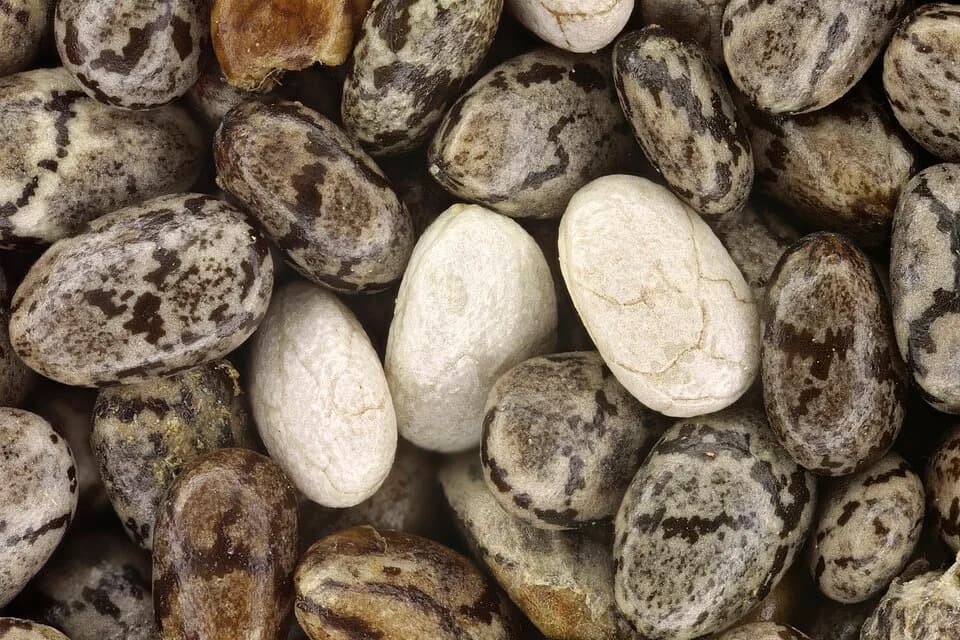
Chia seeds became the visual mascot of the fibermaxxing movement for good reason: no other food delivers nearly 10 grams of fiber in a single ounce. At 9.8 grams per 28-gram serving, chia offers a roughly equal split between soluble and insoluble fiber — a balance that makes it unusual among seeds. The soluble fraction swells in liquid, forming a viscous gel as chia absorbs 10 to 12 times its weight in water. That gel slows gastric emptying, blunts post-meal glucose spikes, and creates a prebiotic substrate that preferentially feeds Bifidobacterium and Lactobacillus strains associated with gut barrier integrity. Beyond the fiber, each tablespoon of chia delivers approximately 1.8 grams of omega-3 ALA and around 30 milligrams of lignans — plant polyphenols with documented antioxidant and mild estrogenic activity. The combination of fiber and omega-3s in a single small serving is part of what makes chia a density-per-calorie overachiever. Practically, chia integrates into almost any meal without changing its flavor. Overnight chia pudding (two tablespoons in 150ml of plant milk) is the format that went viral and delivers close to 10 grams of fiber before breakfast. Stirred into yogurt, blended into smoothies, or sprinkled on oatmeal, a single tablespoon contributes roughly 5 grams. The main preparation caution: always hydrate chia before eating — consuming dry chia seeds followed by water can create a gel bolus in the esophagus. For maximum butyrate yield, grind a portion of your chia, since intact seeds pass through some people without full fermentation. For comparison, flaxseed delivers 7.74 grams of fiber per ounce (versus chia's 9.75 grams) and skews toward soluble fiber — making flax slightly better for cholesterol binding, chia slightly better for raw gram count. Neither is a loser; they're complementary. Cost runs roughly $0.20 to $0.35 per ounce depending on brand and format, making chia one of the more affordable fiber-dense foods when measured per fiber gram delivered. Bag shelf life is 2 to 4 years, which removes the freshness pressure that limits some perishable high-fiber options.
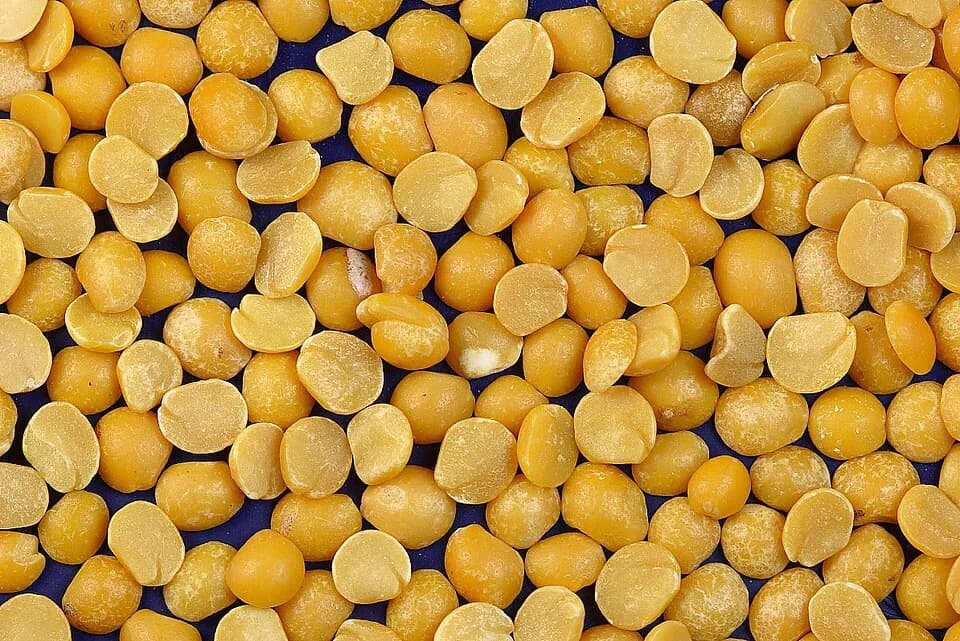
Split peas are the most underrated food in the fibermaxxing toolkit. One cooked cup delivers 16 grams of dietary fiber — 58% of the daily value in a single serving — which is the highest single-serving fiber count of any food on this list. They also bring 16.3 grams of protein per cup, a glycemic index of just 32, and a cost that is almost incomprehensibly low: roughly $0.10 per serving when bought dried. The gut-health case for split peas is built on more than gram count. Among legumes, split peas demonstrate the highest butyrate yield per 100 grams — meaning the fiber they deliver is particularly effective at producing the short-chain fatty acid that colonocytes prefer as fuel and that research links to anti-inflammatory gut barrier function. This matters because not all 16 grams of legume fiber converts to butyrate at equal rates; split pea starch composition (a mix of resistant starch and soluble fiber) is particularly suited to butyrate-producing bacteria like Faecalibacterium prausnitzii and Roseburia. Split peas cook without soaking — unlike most legumes — which dramatically lowers the practical barrier. A pot of split pea soup from dried peas takes about 45 minutes of simmering with no prep beyond a rinse. That said, the oligosaccharides responsible for the gas that legumes are infamous for can be reduced by approximately 60% by soaking dried split peas for 12 hours before cooking and discarding the soaking water. For those starting from a low-fiber baseline, this step is worth the overnight wait. Split peas deserve far more trend attention than they currently receive. While lentils benefit from branded convenience products (Lentiful, Trader Joe's Steamed Lentils) and chia has gone fully viral, split peas sit quietly in the bulk bins, doing the heaviest fiber lifting on this entire list per cup.
Black beans occupy an interesting position in the gut-health hierarchy: they're not just a fiber delivery vehicle but a polyphenol source whose pigment — the anthocyanins responsible for their near-black color — rivals blueberries and blackberries for antioxidant activity. One cooked cup delivers 15 grams of dietary fiber, approximately 85% of which is insoluble, alongside 15.2 grams of protein. The insoluble fiber skew matters mechanically. While soluble fiber drives fermentation and SCFA production, the dominant insoluble fraction in black beans speeds transit time and dilutes carcinogen contact with colonic mucosa — effects that align with the epidemiological data on fiber and colorectal cancer risk. The resistant starch in black beans also ferments to butyrate, linking black beans to studies on reduced colon cancer risk even though the mechanism is different from prebiotic soluble fiber. A practical note that matters for fibermaxxers shopping on a budget: canned black beans retain approximately 70% of the fiber content of dried cooked beans. The trade-off is sodium — a standard can contains 400 to 500mg — which a 30-second rinse cuts by roughly 40%. For someone hitting 3 to 4 cans a week, that rinse step is worth the extra 30 seconds at the sink. Black beans integrate into weeknight cooking more easily than split peas: they hold their shape, take on seasonings readily, and work in burritos, rice bowls, soups, and salads. The combination of fiber density, anthocyanin content, protein, and versatility makes them one of the most complete gut-health foods in the everyday pantry. At approximately $0.13 to $0.18 per serving dried, they're also extremely accessible.
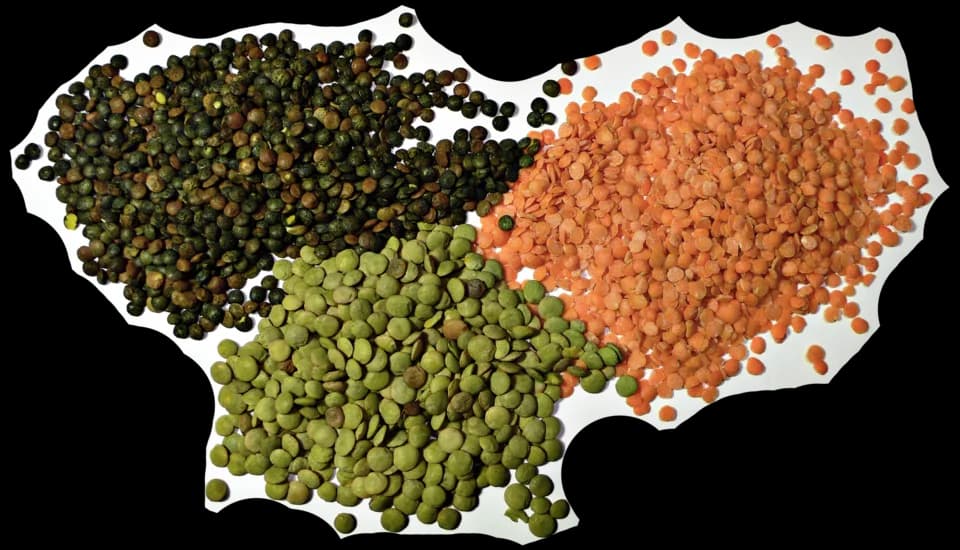
Lentils have the best practical profile of any legume: they cook in 20 to 25 minutes without soaking, cost roughly $0.20 per serving, and deliver 8 grams of fiber per half-cup cooked alongside 9 grams of protein per half cup (18 grams per full cup). For someone just starting to increase fiber intake, lentils are the obvious entry point — their thinner seed coat produces significantly less gas than most beans, which matters enormously when you're ramping up from a low baseline. The resistant starch in lentils translates directly to a measurable glycemic benefit: studies have found a 25% lower post-meal glucose spike when lentils replace white rice as the starch component of a meal. That's not a trivial effect — it means lentils can simultaneously serve the gut-health goal (fermentation → butyrate) and the metabolic goal (blood sugar stabilization) without requiring separate foods for each. The CDC and ADA both recommend 25 to 30 grams of fiber per day for diabetes management, and lentils' low glycemic index (around 20 to 30 depending on preparation) makes them one of the most appropriate fiber sources for people monitoring blood sugar. Lentils also contain 180 micrograms of folate per half cup — about 45% of the daily value — making them nutritionally multi-dimensional beyond fiber alone. The convenience angle is real and growing. Lentiful's microwavable lentil meals and Trader Joe's Steamed Lentils have moved lentils into the same fast-meal category previously occupied only by canned beans, reducing one of the main practical barriers. For comparison with the other legumes on this list: lentils and black beans deliver similar fiber per serving, but lentils win on digestive gentleness; lentils and split peas are close in tolerability, but split peas deliver double the grams per cup.
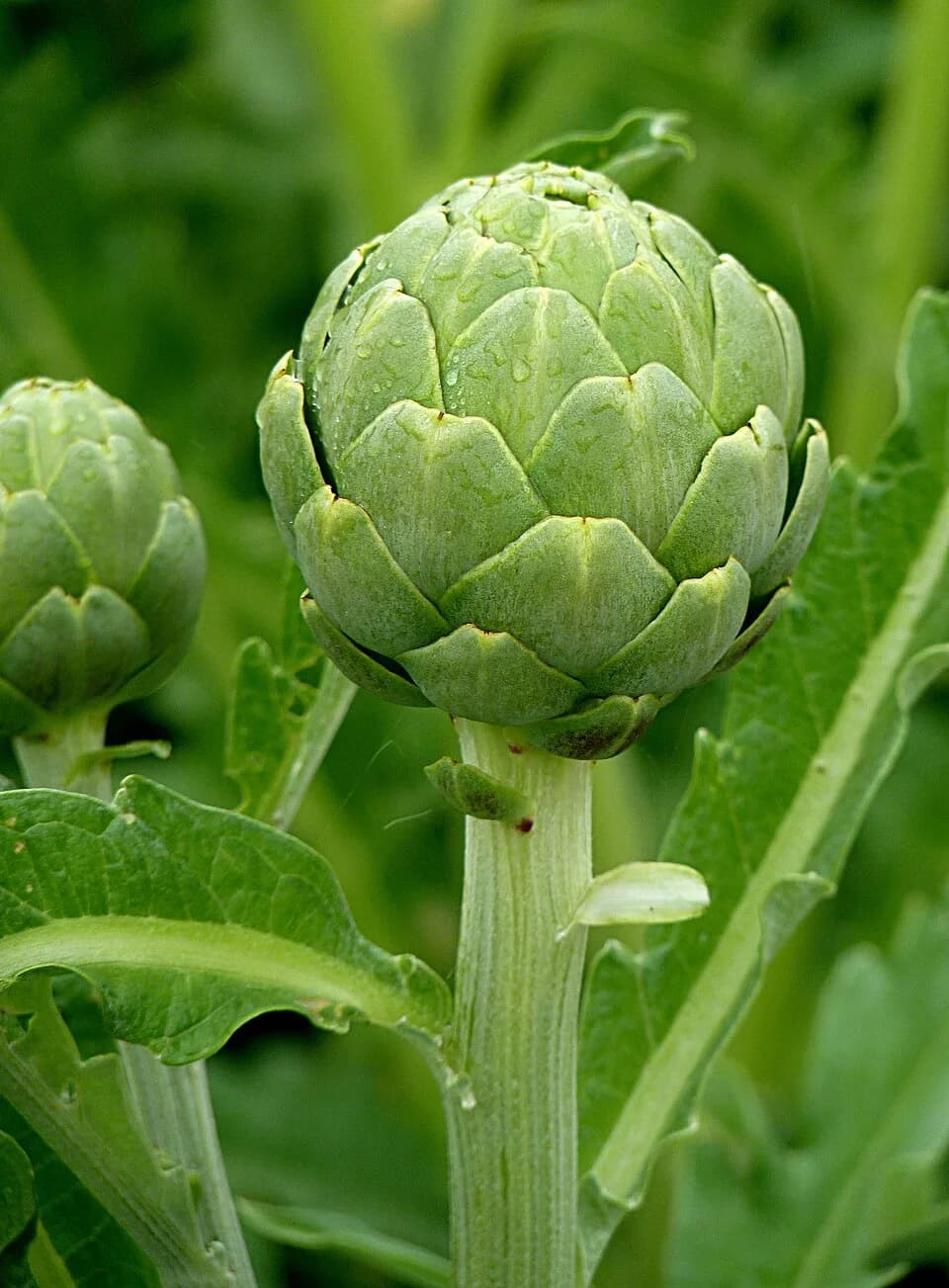
A single large artichoke delivers 9 grams of dietary fiber — more than a full cup of prunes, the food most people think of first for gut health. But what separates artichokes from every other vegetable on this list is the specific type of fiber they carry: inulin, a fructooligosaccharide that ferments almost exclusively to butyrate rather than the mix of SCFAs that most fibers produce. This degree of metabolic specificity is unusual. Most fiber sources generate butyrate as one product among several; artichoke inulin is essentially a direct butyrate precursor. Beyond butyrate, the inulin in artichokes has a documented hormonal effect: it reduces circulating ghrelin (the primary hunger-stimulating hormone) and increases PYY (peptide YY, a satiety signal released from gut L-cells). In a world where 1 in 8 US adults is on a GLP-1 drug that works partly through PYY-like mechanisms, artichokes' ability to produce a similar signal through prebiotic fermentation is a meaningful functional overlap. They're not replacing GLP-1 drugs, but they work in the same direction. Artichokes also contain chicoric acid, a polyphenol antioxidant with preliminary evidence for blood sugar modulation, and are a solid source of vitamin C (~15mg per artichoke) and folate (~87μg). The main caution: artichokes are high-FODMAP, meaning their fermentable carbohydrates can trigger significant GI symptoms in people with irritable bowel syndrome or those sensitive to fermentable oligosaccharides. For someone starting fibermaxxing, artichokes are better introduced after several weeks of ramping up on gentler sources like lentils or oats. For those who tolerate them well, canned artichoke hearts (packed in water, not oil) are a cost-effective year-round option that retains the prebiotic inulin.
Chickpeas might be the most versatile food on this list. One cooked cup delivers 12.2 grams of fiber — approximately 25% of which is soluble — alongside a substantial 19.3 grams of protein, making them among the highest-protein plant foods relative to their cost (approximately $0.15 per cup dried). The soluble fiber fraction is where chickpeas' cardiovascular and cholesterol story lives. Soluble fiber binds bile acids in the digestive tract; since bile acids are synthesized from cholesterol, increased fecal excretion of bile acid complexes forces the liver to draw down circulating LDL cholesterol to manufacture replacements. The magnitude of this effect in chickpea studies runs to an LDL reduction of 5 to 6% — modest but consistent across multiple trials, and additive with dietary changes elsewhere. The prebiotic story is equally specific. Chickpeas contain inulin-type fructans that selectively stimulate Bifidobacterium in the colon — the same genus that chia seeds feed — which connects chickpea consumption to improvements in gut barrier function and reductions in intestinal permeability markers in clinical studies. Where chickpeas truly win is versatility. Roasted chickpeas are a crunchy, shelf-stable snack that travels. Hummus is the world's most mainstream legume preparation. Aquafaba (the liquid from canned chickpeas) is a functional culinary ingredient. The mainstreaming of chickpea pasta, chickpea flour tortillas, and ready-to-eat roasted varieties means the preparation barrier has largely disappeared. Canned chickpeas retain nearly all of their fiber and are available in every supermarket on earth. Rinsing reduces sodium by around 40%, just as with black beans. For the fibermaxxer who wants the highest fiber-per-dollar value in a format that doesn't require cooking: a can of drained, rinsed chickpeas eaten over two days may be the simplest intervention available.
Raspberries are the most nutritionally dense fruit for fiber per cup: 8 grams per cup, representing 29% of the daily value, with just 4 grams of net carbohydrates and a glycemic index of 32. For anyone tracking both fiber and blood sugar, raspberries are a near-ideal combination. But the gut-health story runs deeper than the fiber count. Raspberries contain a class of polyphenols called ellagitannins that gut bacteria metabolize into urolithin A — a compound with documented ability to upregulate tight-junction proteins in the gut epithelium. Tight junctions are the molecular seals between colonocytes; when they're intact and dense, the gut barrier is strong; when they're compromised, the result is increased intestinal permeability. Urolithin A production from ellagitannin metabolism is one of the more compelling mechanisms linking dietary polyphenols to gut barrier function, and raspberries are one of the best whole-food sources of the precursor ellagitannins. The pectin fraction in raspberry fiber provides the soluble-fiber complement to those polyphenol effects: pectin ferments to short-chain fatty acids, feeds beneficial Bifidobacterium and Lactobacillus strains, and binds cholesterol in the gut similarly to chickpea soluble fiber. Raspberries also deliver 32 milligrams of vitamin C per cup — about 36% of the daily value — which aids iron absorption from the legumes listed above when eaten in the same meal. For cost-conscious fibermaxxers: frozen raspberries retain their antioxidant and polyphenol content at approximately $0.40 per cup, making them more economical than fresh without meaningful nutritional trade-off. The ellagitannins and pectin are heat- and freeze-stable; the urolithin A precursors survive freezing intact.
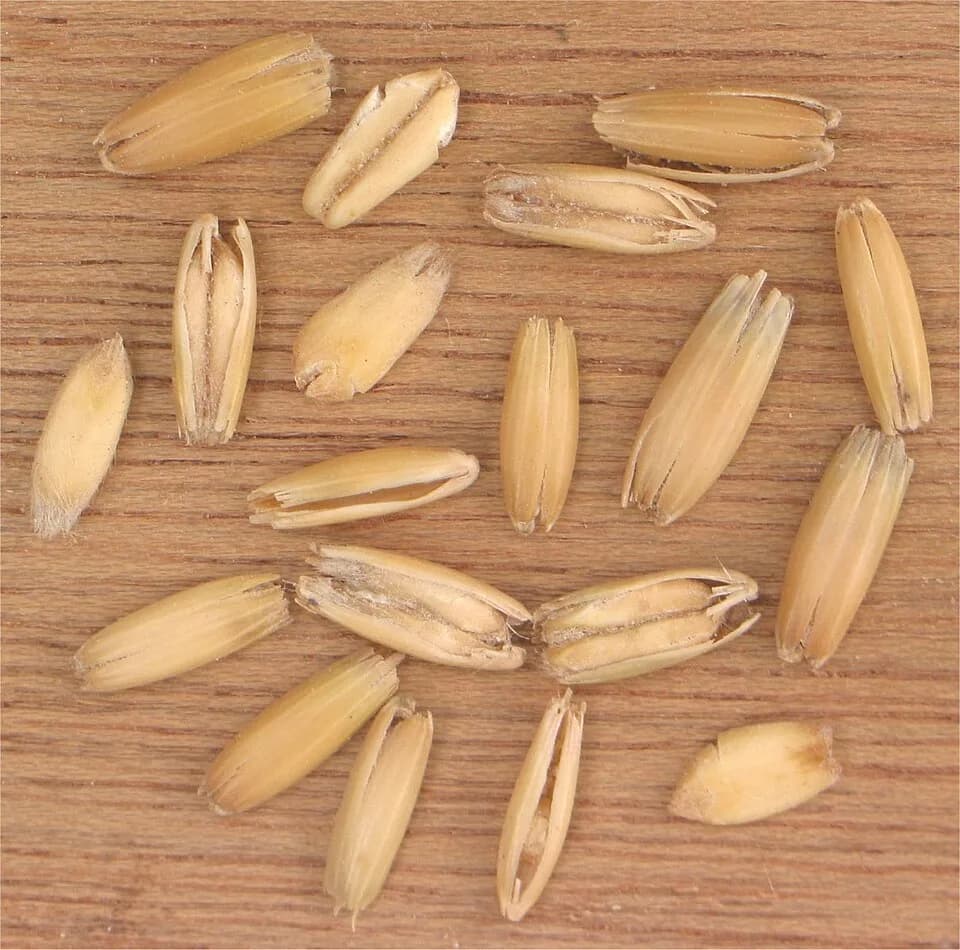
Oats carry a distinction no other food on this list has: an FDA-approved health claim for cardiovascular risk reduction, granted specifically because the evidence for beta-glucan's LDL-lowering effect met the agency's stringent threshold. One cooked cup delivers 8 grams of total fiber, including 3 to 5 grams of beta-glucan — the specific soluble fiber responsible for outcomes that include a 5 to 10% reduction in LDL cholesterol and a 30% reduction in post-meal glucose response when consumed regularly. Beta-glucan's gut mechanism is distinct from inulin or pectin. It forms a viscous gel in the small intestine that slows glucose and cholesterol absorption — a more upstream effect than colonic fermentation — then passes to the colon, where it's fermented by Faecalibacterium prausnitzii. F. prausnitzii is one of the most well-studied beneficial bacteria in the human gut; low abundance is consistently associated with Crohn's disease, ulcerative colitis, and general inflammatory bowel conditions. Oats are one of the more reliable dietary routes to feeding it. Oats also contain avenanthramides — polyphenols unique to oats with anti-itch and anti-inflammatory properties traditionally studied in skin care but now attracting attention for their anti-inflammatory effects in the GI tract. For cost: at roughly $0.05 per serving for rolled oats, they are the cheapest food on this list per fiber gram. Steel-cut oats retain more intact starch and produce a slightly higher F. prausnitzii response than rolled oats, but rolled oats maintain the FDA-qualifying beta-glucan content. Instant oat packets often lose some beta-glucan through processing and add sugar — stick to rolled or steel-cut. For those managing gluten sensitivity, certified gluten-free oats are widely available; oats themselves don't contain gluten but are frequently cross-contaminated in processing.
Barley is the most fiber-dense grain by percentage — at 17% fiber by dry weight compared to oats at 11% — yet it receives a fraction of the attention. One cooked cup delivers 6 grams of fiber, slightly below oats' 8 grams per cup, but the beta-glucan concentration per gram of fiber is higher than in oats, which partly explains why barley's LDL-lowering studies show reductions of 5 to 8% — slightly outperforming oats' 5 to 10% range in head-to-head comparisons. Barley also brings 9.2 grams of protein per cooked cup — higher than oats (approximately 6 grams per cup) — and a chewy, satisfying texture that works well in grain bowls, soups, stews, and pilafs. The trend comparison "barley vs oats" was gaining traction in nutrition communities through early 2026, as people familiar with oats' credentials began asking whether barley might deserve the same attention. The barley story is almost identical to oats mechanistically: beta-glucan forms a viscous gel in the small intestine, slowing glucose and cholesterol absorption, then reaches the colon to feed beneficial bacteria. The anti-inflammatory gut flora benefits — particularly for F. prausnitzii — parallel the oat data. The practical difference that matters for some users: barley requires 45 to 60 minutes of cooking time, longer than rolled oats' 5 minutes. Pearl barley (the most common form) has the bran partially removed, which reduces fiber somewhat; hulled or hull-less barley retains more fiber. The most important caveat: barley contains gluten. Unlike oats, which are technically gluten-free but cross-contaminated, barley has gluten by nature and is completely off-limits for anyone with celiac disease or significant gluten sensitivity. For those without gluten concerns, barley is arguably the most underrated grain on the fibermaxxing list.
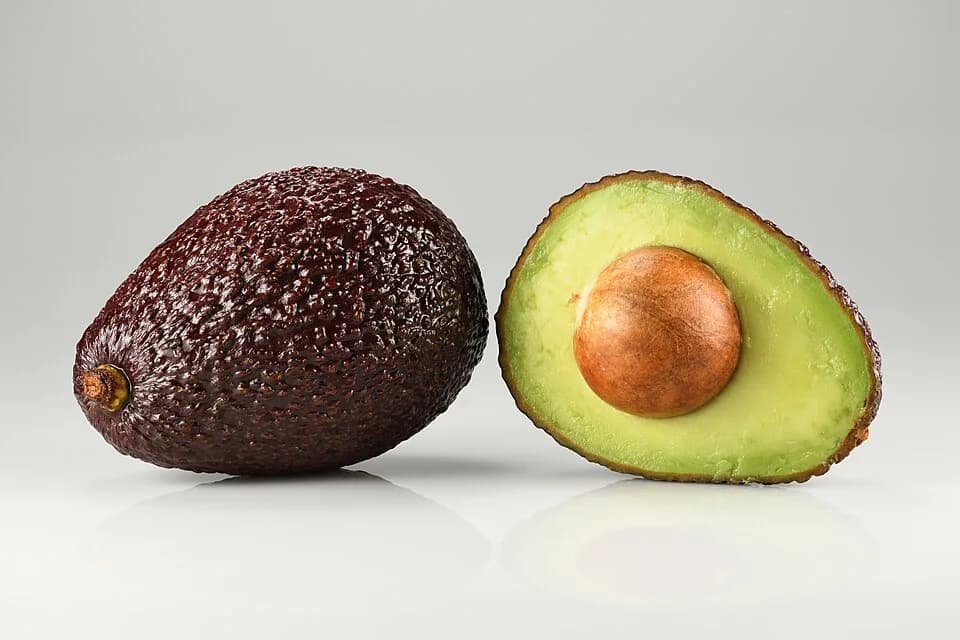
Avocado earns its place on this list through an unusual combination: 7 grams of fiber per half avocado (approximately 100 grams), of which roughly 30% is soluble — making it one of the few fruits or vegetables where soluble fiber represents a substantial portion of total fiber. This is unusual because most plant foods skew heavily toward insoluble. The soluble fraction includes pectin and hemicellulose, both of which ferment to SCFAs in the colon. The fat story matters for gut health in a way that's often overlooked. Avocado's monounsaturated fat slows gastric emptying, which extends the time that fermentable fiber spends in contact with gut bacteria before transit speeds up in the large intestine. The practical effect: sustained, more complete fermentation of the fiber into butyrate and other SCFAs, rather than rapid transit that passes partially unfermented fiber through. This is the same principle behind the "fat with fiber" approach advocated by some gut-health dietitians. Avocado also delivers 364 milligrams of potassium per half — about 8% of the daily value — alongside B vitamins and vitamin E. The potassium contribution matters because high-fiber diets that include a lot of water (the necessary companion to any fiber increase) can sometimes accelerate mineral excretion. The FODMAP caution is real: a half avocado sits in the moderate-FODMAP zone, and a full avocado can trigger symptoms in FODMAP-sensitive individuals due to sorbitol content. For people who tolerate it, avocado is one of the most nutrient-dense ways to add 7 grams of fiber to a meal that already includes fat — a breakfast bowl with avocado, raspberries, and chia seeds gets you within striking distance of 25 grams before lunch. Cost runs $0.60 to $1.50 depending on season and region.
The most-voted lists across every category — curated weekly. Join the early readers.
No spam. One email per week. Unsubscribe anytime.

Create a free account or sign in to join the discussion.
Sign in to join the conversation
Top 10 Cabbage Dishes Transforming 2026 Home CookingExplore more Food rankings on Top10Grid
Because you're viewing Food

Top 10 Cabbage Dishes Transforming 2026 Home Cooking
724 views · 1 votes
Top 10 Zero-Proof Craft Cocktails Elevating the Sober Drinking Scene in 2026
155 views · 0 votes
Top 10 Best Grilling Marinades Taking Over Summer 2026
154 views · 0 votes
Top 10 Emerging Protein Innovation Snacks That Actually Taste Good
132 views · 0 votes
Top 10 YouTube Channels to Watch for Cooking & Food in 2026
111 views · 0 votes

Top Food Products — beverages — March 2026
104 views · 0 votes

Top 10 Best Comfort Foods Around the World
10 items

Top 10 Restaurants in Sao Paulo 2026
10 items

Top 10 Best Cooking Shows of All Time
10 items

Top 10 Patisseries in Paris 2026
10 items

Top 10 Most Polarizing Foods People Love or Hate
10 items

Top 10 Coffee Shops in Central Hong Kong 2026
10 items
If you liked this, you might love these