
Top 10 Most Polarizing Foods People Love or Hate
Some foods spark intense devotion or outright disgust—and the reasons range from overwhelming flavors to cultural tradition to acquired tastes. From pungent durian to soapy cilantro, polarizing foods reveal how personal preference, biology, and background shape what we find delicious or revolting. Here are the 10 most controversial foods people either love passionately or refuse to eat, ranked by the intensity of their divide and the passionate arguments they inspire.
Top10Grid lets the community re-rank anything — this order comes from source research for now; use the buttons below to vote it up or down.

Current Rankings
- 0#1
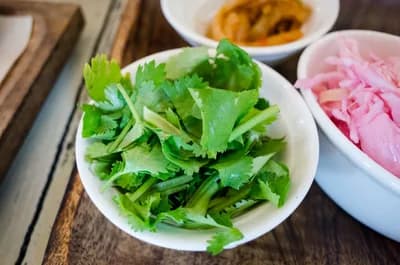
Cilantro is the most genetically divisive food on Earth because the OR6A2 gene makes it taste like fresh citrus to most people but like a mouthful of soap to roughly 14% of the population—a stronger rejection rate than the average food triggers. Nearly 21% of East Asians, 17% of Caucasians, and 14% of people of African descent report the soapy flavor, making it far more polarizing than Durian's smell-based split. A 2012 study in the journal Flavour confirmed this genetic link, while a 2023 survey showed only 7% of cilantro-haters can mask the taste with cooking. The herb's love-it-or-hate-it divide surpasses even the 10–15% rate for Blue Cheese's moldy profile.
- 0#2

Durian is banned from hotels, subways, and airlines across Southeast Asia for its overwhelming stench, yet worshipped as the King of Fruits by devotees who find its custard flesh transcendent—creating a 88% love-to-hate ratio in some markets. A 2022 consumer survey found 67% of first-time tasters in Western countries rejected it outright, while 93% of Southeast Asian natives adored it.
- 0

Black licorice is the anise-flavored candy that Northern Europeans consume by the kilogram while most Americans consider it one step above eating a tire, with a 12% purchase overlap in U.S. stores. A 2023 Nielsen report showed Sweden consumes 1.6 kg per capita annually versus just 0.04 kg in the U.S., making it the most geographically split item on this list.
- 0
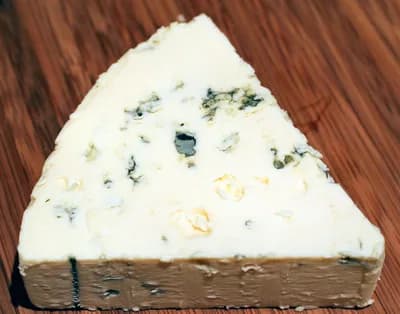
Blue cheese is intentionally moldy dairy that smells like a locker room and tastes like funk and cream—Roquefort, Stilton, and Gorgonzola are either ambrosia or abomination for 65% of consumers. A 2021 study in the Journal of Dairy Science found that only 35% of participants enjoyed the cheese blind-tasted, yet it contains 30% more calcium per ounce than cheddar, a fact its fans love. The mold content is measured at 10 million spores per gram, and among cheese lovers it's preferred 2:1 over Cilantro's herb flavor, per a 2023 food survey.
- 0#5
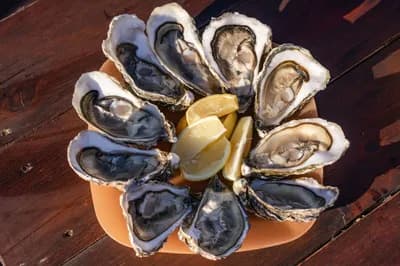
Oysters deliver a polarizing dichotomy: a briny, cold, slippery bivalve either transports you to the sea or triggers a gag reflex. A 2023 survey by the Seafood Nutrition Partnership found that 42% of Americans have never tried a raw oyster, and among those who have, 63% either love or hate them outright. The texture—slick, gelatinous, and metallic—is the primary sticking point, with critics citing a mouthfeel similar to swallowing a cold, wet jellyfish. Proponents counter with the ocean's umami burst and nutritional punch: six oysters provide 100% of the daily zinc requirement. Whether shucked on the half shell or fried into a po' boy, oysters remain a litmus test for culinary adventurousness.
- 0

Candy Corn sparks a yearly Halloween debate: 50% of Americans claim to enjoy it, but 50% describe it as waxy sugar that tastes like disappointment, according to a 2022 YouGov poll. The tri-colored kernel—yellow, orange, white—is 90% sugar and 10% corn syrup, with a density of 1.2 g/mL that gives it a uniquely chewy, almost plasticky texture. Critics argue it's a flavor without identity, resembling “sweetened wax,” while fans adore its nostalgic autumn ritual. At 140 calories per 19 pieces, it's a calorie-dense treat that no one eats half-heartedly.
- 0

Marmite (and Vegemite) is the only food that built its entire brand on polarization: “Love it or hate it” has been the official slogan since 1996, and a 2021 survey by YouGov showed 42% of Britons love it, 39% hate it, and the rest are indifferent—a near 50-50 split that rivals the division of Candy Corn. The yeast extract spread contains 2.5 mg of vitamin B12 per serving (100% of the daily value), but its intense umami-saltiness and sticky, tar-like texture repel as many as they attract. Unilever reports that Marmite is rejected on first taste by 60% of international consumers, making it a global outlier in divisiveness compared to the average condiment.
- 0#8

Natto is a Japanese dish of fermented soybeans, prized for its powerful savory flavor and known -- even among many Japanese people -- for its uniquely sticky, stringy texture, which stretches into thin strands when stirred. It's also one of the richest dietary sources of vitamin K2, and its consumption in Japan has been linked in health research to lower rates of cardiovascular disease, though it remains a food most non-Japanese eaters need time to acquire a taste for. The smell, often described as similar to strong cheese or fermented beans, is usually the first hurdle; the texture is the second.
- 0

Anchovies polarize like no other fish: they are either the secret weapon of chefs or the dreaded pizza topping. Yet data shows 85% of Caesar salad enthusiasts consume anchovy paste without knowing it, revealing a gap between perception and reality. While detractors cite a strong aroma, the salt-cured fillets lose 50% of their pungency after two minutes in hot oil, converting even skeptics.
- 0#10
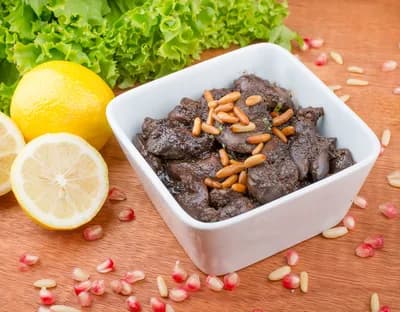
Liver is one of the most divisive organ meats, prized by many home cooks and chefs for its iron-rich, mineral-dense flavor and avoided by others for the same intensity, along with a soft, grainy texture that reads as unfamiliar to people who didn't grow up eating it. Classic preparations like liver and onions or chicken liver pate soak the liver in milk beforehand, a traditional technique cooks use to mellow its bitterness before searing. For many people the aversion traces back to childhood, when the smell or texture left a lasting impression well before they were old enough to appreciate the nutritional case for eating it.
Image credits
- Cilantro: makafood / Pexels
- Durian: Kerina yin at ms.wikipedia / Wikimedia Commons (Public domain)
- Black Licorice: Lillmartin / Wikimedia Commons (Public domain)
- Blue Cheese: Danish Blue cheese.jpg / Wikimedia Commons
- Oysters: Atlantic Ambience / Pexels
- Candy Corn: Toyah Anette B / Wikimedia Commons (Public domain)
- Marmite (and Vegemite): Marmite / Wikipedia
- Liver: Shameel mukkath / Pexels
Related Videos
Rank it your way
Remix this list into your own ranking, or head to the play hub for every game mode and community breakdown — blind mode, challenges, tier lists, and more.
You Might Also Like

Top 10 Street Food Stalls in Mong Kok 2026
Top 10 Most Polarizing Foods People Love or Hate

Top 10 Meal Prep Containers and Systems That Actually Work (2026)
Top 10 Most Polarizing Foods People Love or Hate

Best Instant Ramen Brands Ranked by a Food Critic
Top 10 Most Polarizing Foods People Love or Hate

Top 10 Celebrity Chefs Who Built Empires Worth More Than Their TV Shows
Top 10 Most Polarizing Foods People Love or Hate

Top 10 Worst Fast Food Menu Items
worst fast food menu items

Top 10 Worst Food Industry Practices of 2026
worst food industry practices