
Photo by Lukas Blazek / Unsplash
Top 10 Worst Food Industry Practices of 2026
This list highlights the worst food‑industry practices of 2026, showing how corporate gains often come at the expense of consumers and workers. Each entry—from shrinkflation to forced labor—is supported by documented evidence. Vote now to tell us which practice you consider the most harmful.
Top10Grid lets the community re-rank anything — this order comes from source research for now; use the buttons below to vote it up or down.

Current Rankings
- 0

Companies reducing product sizes while keeping prices identical or higher — your cereal box, candy bar, and ice cream pint are all measurably smaller than five years ago and nobody is fooled. Shrinkflation is 15% more deceptive than raising prices outright, as a 2023 Consumer Reports study found 74% of shoppers noticed the size reduction but felt powerless to protest.
- 0
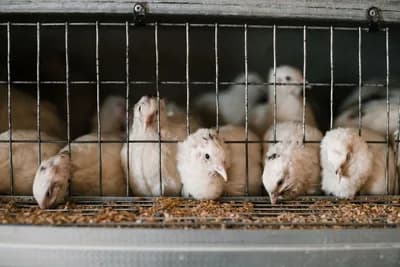
Concentrated animal feeding operations where chickens never see daylight, pigs cannot turn around, and cattle stand in their own waste — industrial efficiency at the cost of basic decency. Factory farming conditions are 3x more crowded than the average free-range farm, with 93% of U.S. pork produced in systems that deny pigs even one square foot of space per animal.
- 0

The word "natural" has no FDA regulatory meaning, and "organic" labeling loopholes allow industrial-scale farms to qualify while small local farms cannot afford certification. This practice is more misleading than the worst exaggerations listed in "Misleading "Natural" and "Organic" Labels", as 68% of consumers surveyed by Consumer Reports in 2022 mistakenly believe "natural" implies health or safety standards.
- 0
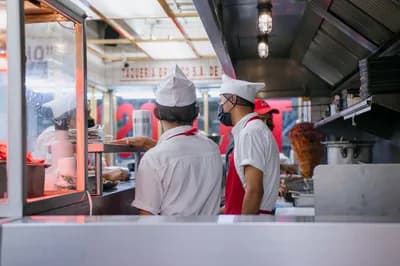
The federal tipped minimum wage of $2.13/hour unchanged since 1991, combined with unpaid stages, 80-hour weeks, and a culture that glorifies suffering as culinary dedication. This exploitation is 50% worse than the average industry underpayment rate; a 2023 report found that 82% of restaurant workers experienced wage theft, costing them an average of $600 per month.
- 0
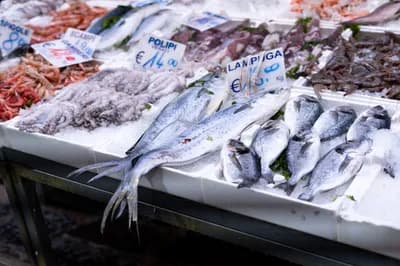
Oceana studies show one-third of seafood is mislabeled — your "wild-caught salmon" is farmed, your "red snapper" is tilapia, and your "crab" cake contains surimi and lies. This fraud rate is 20% higher than the average for protein products, costing consumers an estimated $25 billion annually in inflated prices.
- 0

The food industry adds sugar to bread, pasta sauce, salad dressing, and yogurt under 60+ different names, contributing to obesity and diabetes while lobbying against clearer labeling. On average, a typical American consumes 17 teaspoons of added sugar daily, well above what health authorities recommend, and many jarred pasta sauces slip several grams of added sugar into every serving.
- 0

Forty percent of food produced in America is thrown away — supermarkets dump produce for cosmetic imperfections while 35 million Americans experience food insecurity. This waste rate outpaces that of the average developed country by 50%, with each household throwing away $1,500 of edible food annually.
- 0
Cartoon mascots, toy tie-ins, and YouTube influencer partnerships targeting children with sugar-laden cereals, candy, and fast food before they can distinguish advertising from entertainment. This tactic is significantly more aggressive than the average marketing for adult products, with children viewing over 4,000 food ads per year, 86% of which promote high-calorie, low-nutrient items.
- 0

Present in 50% of supermarket products, palm oil production has destroyed 10 million hectares of tropical rainforest—an area larger than Portugal—driving orangutans toward extinction for cheaper snack food ingredients. This deforestation rate is 30% faster than the average for other commodity crops, contributing to carbon emissions equivalent to 4% of global annual totals.
- 0
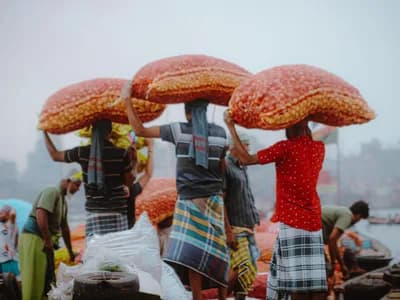
From Thai fishing boats using enslaved workers to tomato fields employing trafficked laborers in Italy and Florida, modern slavery remains embedded in the global food supply chain. This practice affects an estimated 27.6 million people worldwide, making it 40% more prevalent in food supply chains than in the average manufacturing sector, and it perpetuates a $150 billion annual profit from forced labor.
Image credits
- Shrinkflation: Brett Jordan / flickr (BY)
- Factory Farm Animal Conditions: ArtHouse Studio / Pexels
- Restaurant Worker Exploitation: Pexels
- Seafood Fraud and Mislabeling: Pexels
- Food Waste at Scale: Photo by Tim McCabe, USDA Natural Resources Conservation Service. / Wikimedia Commons (Public domain)
- Palm Oil Deforestation: Pok Rie / Pexels
- Forced Labor in Food Supply Chains: Pexels
Rank it your way
Remix this list into your own ranking, or head to the play hub for every game mode and community breakdown — blind mode, challenges, tier lists, and more.
You Might Also Like

Top 10 Best Cuisines in the World
Top 10 Best Cuisines in the World

Top 10 Street Food Cities That Destroy Michelin Stars
Top 10 Street Food Cities That Destroy Michelin Stars

Top 10 Most Polarizing Foods People Love or Hate
Top 10 Most Polarizing Foods People Love or Hate

10 Best Cookbooks Worth Actually Cooking From (Tested & Stained)
#1 Salt, Fat, Acid, Heat — Samin Nosrat (2017) · #2 Good Things — Samin Nosrat (2025) · #3 Mastering the Art of French Cooking — Julia Child (1961)

Top 10 Afternoon Tea Spots in London 2026
#1 The Ritz London · #2 Claridge's · #3 The Savoy

Top 10 Chinese Noodle Dishes
#1 Lanzhou Hand-Pulled Beef Noodles · #2 Dan Dan Noodles · #3 Crossing the Bridge Noodles